
 by
by Pressure relief is the single most important factor for side sleepers — and it's widely misunderstood. Here's the science, what to look for, and which mattresses deliver it best.
What is the best mattress for pressure relief?
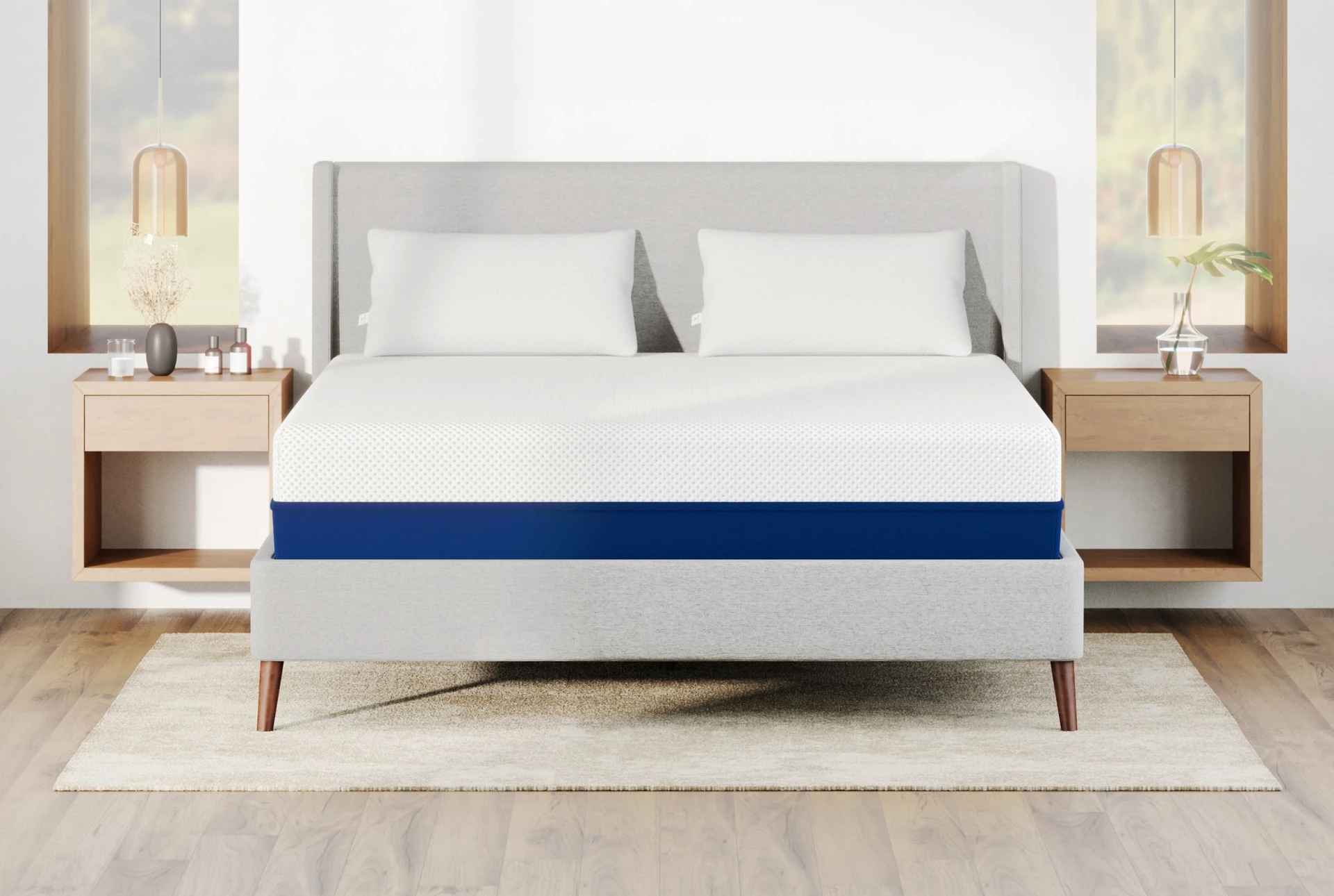
Our #1 pick for a soft mattress is the Amerisleep AS5, Amerisleep's softest all-foam model. Prefer Medium? The AS3 is our alternative. Choose the feel around your sleep position and how your shoulders and hips settle. A mattress does not treat a medical condition; consult a doctor for persistent symptoms.
Amerisleep AS5
The AS5 is our first choice for readers who want Amerisleep's softest all-foam feel. A queen is $1,849 on sale ($2,349 regular). The 100-night trial gives you time to decide whether that softness suits you.
What Is Mattress Pressure Relief?
Pressure relief refers to a mattress's ability to distribute body weight so that no single area bears disproportionate force. High pressure points restrict blood flow, trigger pain receptors, and force you to shift position — reducing deep sleep cycles without you knowing.
Where Pressure Points Form
| Sleep Position | Primary Pressure Points | Solution |
|---|---|---|
| Side | Shoulder, hip, knee | Soft-medium top layer, adequate loft |
| Back | Lower lumbar, sacrum | Zoned support, medium-firm |
| Stomach | Chest, pelvis | Firm, flat surface to prevent sinking |
Materials That Provide Pressure Relief
- Memory foam: Highest conforming pressure relief — contours precisely to body shape. Slower response time. Can sleep warm.
- Latex (natural or synthetic): Good pressure relief with faster response. Slightly less conforming than memory foam but cooler and more responsive.
- Micro-coils (in hybrid comfort layers): Independent movement provides localized pressure response while adding airflow. Best combination with foam above.
- Gel foam: Enhanced version of memory foam — similar pressure relief with improved cooling.
Zoned Pressure Relief
Advanced mattresses use zoning — different firmness in different body zones. The goal: softer shoulder zone to cushion the wider upper body, firmer lumbar zone to prevent the lower back from sinking. Amerisleep's HIVE pattern and PlushBeds' zoned latex are excellent examples.
Organic / Latex Pick
PlushBeds Botanical Bliss — From $1,449 Queen
GOLS certified organic latex, GOTS cotton/wool cover. 25-year warranty, made in California.
Best Mattresses for Pressure Relief
Amerisleep AS5 (#1 Overall for Pressure Relief): Amerisleep AS5's soft all-foam feel is the reason to start here if Medium mattresses feel too firm.
Amerisleep AS3 (Runner-Up): Amerisleep AS3's HIVE support has five zones. Choose its Medium feel if you want an alternative to the softer AS5.
Puffy Lux Hybrid (Side Sleeper Alternative): Puffy Lux Hybrid combines climate-adaptive foam with pocketed coils for the best pressure relief + cooling combination. A hybrid alternative for side sleepers who prefer coils.
PlushBeds Botanical Bliss (Organic Option): PlushBeds' customizable latex allows you to choose your ILD configuration — match softness to your exact pressure relief needs. Best organic choice for pressure-sensitive sleepers.
Check Today’s Amerisleep AS3 Price →
Testing Pressure Relief Before Buying
- Lie in your normal sleep position for 10+ minutes (not just 30 seconds)
- Check if your spine forms a straight line (have someone observe or use a mirror)
- Notice tingling or numbness — pressure point indicators
- Use online trials: 90–365 nights gives you real feedback that in-store testing cannot
Bottom line: for pressure relief, zoning beats guesswork.
Amerisleep AS5 — our first choice for a soft all-foam feel
FAQ
What mattress firmness is best for pressure relief?
Side sleepers get best pressure relief from soft to medium-soft mattresses (3–5/10 firmness). Back sleepers get optimal pressure distribution from medium to medium-firm (5–7/10). The right firmness depends on your weight too — lighter sleepers need softer to compress the comfort layer enough for pressure relief.
Does memory foam provide better pressure relief than latex?
Memory foam conforms more closely to the body and provides slightly higher peak pressure reduction. Latex provides responsive pressure relief that maintains more support under movement — better for combination sleepers. Both significantly outperform traditional innerspring for pressure relief. The choice between them comes down to temperature preference and responsiveness.
Can a mattress cause pressure sores?
A too-firm mattress can contribute to pressure sore development in immobile or low-mobility individuals. For people who spend extended time in bed, mattress pressure relief is medically significant. Memory foam or latex mattresses dramatically reduce pressure point loading compared to innerspring. Medical-grade pressure relief mattresses exist for clinical use.
Our #1 pick for pressure relief
The Amerisleep AS5 is where we would start.