
 by
by Quick answer: For height alone, I’d choose a firmer, lower-sink memory foam topper that adds only the lift you need. It raises the surface without making bed access, sheet fit, or feel harder to manage.
- A topper raises the unloaded sleep surface, but memory foam compresses under a sleeper.
- Adding memory foam changes the mattress feel as well as its height.
- Fitted sheets must accommodate the combined depth of the mattress and topper.
Updated July 2026 · Reviewed for accuracy
Yes, a memory foam mattress topper can raise mattress height. The catch is that it won’t behave like a rigid extension of the mattress because the foam gives under pressure. I’d use one when a modest lift and a softer or more contouring surface are both wanted, not as a cure for a worn-out mattress.
Will a memory foam topper actually raise mattress height?
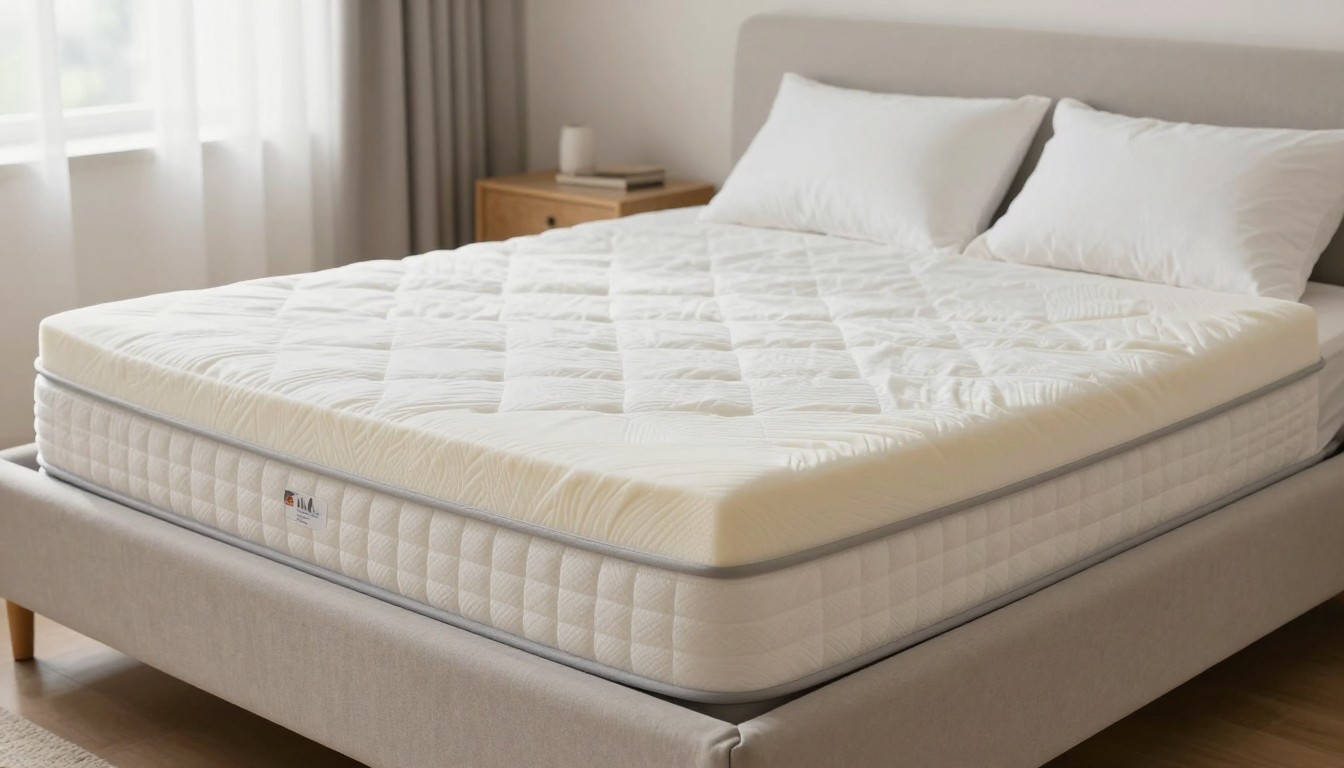
A topper puts a new foam layer above the existing mattress, so the unloaded sleep surface sits higher. That part is straightforward. The height felt while lying or sitting on the bed will be lower wherever the foam compresses.
This difference matters most near the edge. A topper may look substantially higher when the bed is empty, then sink as someone sits down to put on shoes or get into bed. Softer foam and a heavier concentration of pressure can produce more sink, while a firmer surface tends to preserve more usable lift.
The topper doesn’t make the mattress core taller or stronger. It changes the top portion of the sleep system. That distinction is why I wouldn’t choose a topper by its advertised profile alone.
The Nut’s take: Treat the listed profile as the maximum unloaded addition, not the exact height you’ll experience in bed. Compression, firmness and the condition of the mattress underneath all affect the practical result.
If you also want a broader explanation of foam types, covers and construction, my memory foam mattress topper guide covers the category in more detail.
Start with the reason you want a taller mattress
A higher mattress edge can change how easy the bed is to approach, sit on and leave. Before shopping, decide whether you need more visual height, a more comfortable surface, easier access or some combination of those outcomes. They don’t always call for the same solution.
If the mattress feels too firm and also sits slightly lower than you’d like, a memory foam topper can address both concerns at once. If the mattress already feels right and the entire bed is simply too low, altering a compatible frame or foundation is the more direct route because it doesn’t place another comfort layer beneath you.
For access, judge the setup while sitting naturally at the edge. Your feet should meet the floor in a stable, comfortable position, and you shouldn’t have to climb upward or drop sharply onto the mattress. A topper that creates too much edge sink can undermine the benefit of the extra unloaded height.
A topper makes the most sense if:
- You want a modest increase in sleep-surface height.
- You also want to change the mattress’s surface firmness or contouring.
- The underlying mattress remains level and supportive.
- Your fitted sheets can accommodate the deeper combined setup.
Choose another route if: you want the same mattress feel, need a major change in total bed height or are trying to disguise structural sagging.
Any adjustment to the frame or foundation should follow the compatibility instructions supplied by the mattress and frame manufacturers. Height is useful only if the finished sleep system remains stable.
How topper depth changes height and mattress feel
A deeper block of memory foam adds more material above the mattress core. It also places the sleeper farther from the original comfort layers, so its firmness and compression become a larger part of the bed’s overall feel.
I’d choose the shallowest profile that produces the required lift and comfort change. Extra depth isn’t automatically better. It can increase sinkage, make turning or edge access feel different and demand deeper bedding.
| Topper profile | Height effect | Likely feel change | Main concern |
|---|---|---|---|
| Subtle profile | Small visible lift | Keeps more of the original mattress character | May not provide enough practical height after compression |
| Moderate profile | Noticeable lift without dominating the whole setup | Adds clearer contouring and cushioning | Sheet depth and edge sink need checking |
| Deep profile | Largest unloaded increase | Topper firmness strongly shapes the bed’s feel | More compression, harder access or an overly deep sleep surface |
Firmness and profile are separate decisions. A deep, firm topper may hold the sleeper nearer its surface, while a softer option can compress more despite looking equally tall when unloaded. Product descriptions should make both characteristics clear.
Foam density is another separate construction detail. It shouldn’t be treated as a substitute for a stated firmness or usable profile. If a listing blurs those terms, I’d avoid guessing how much functional height the topper will retain.
Temperature and motion response also depend on the complete construction. Adding foam changes what sits directly beneath the sleeper, but a generic cooling label or soft-feel description doesn’t prove how the finished bed will behave. Check the disclosed foam design, cover materials and care information instead of relying on a single marketing word.
Check the mattress before adding more height
A visible dip in the mattress remains beneath any topper placed over it. Memory foam follows the shape and support below, so it can change how a worn area feels without rebuilding a weakened core or unstable edge.
Strip the bed before deciding. Look across the uncovered mattress, check whether the surface sits level and confirm that the foundation or support system is correctly positioned. Pressing on separate areas can also reveal whether one section feels markedly less stable than the rest.
Condition check before buying:
- The mattress surface appears level rather than permanently dipped.
- The edge feels stable enough for normal entry and exit.
- The foundation doesn’t flex, shift or leave unsupported areas.
- The mattress remains comfortable apart from the surface change you want.
If the core is still sound, a topper can be a sensible way to modify both height and comfort. If the support has failed, extra foam risks adding bulk while leaving the actual problem untouched.
Back discomfort needs especially careful judgment because height, firmness and support are different issues. My guide to choosing a memory foam topper for back discomfort explains the comfort questions to consider, but no topper should be treated as medical care or a guaranteed pain solution.
Measure the complete bed, not just the topper
The useful measurement runs from the floor to the finished sleep surface. Measure the current bed with the comforter folded back, then compare that position with the height that feels manageable for sitting down, standing up and getting into bed.
Add the topper’s published profile to the current unloaded height as a planning estimate. Then allow for some compression in actual use. The amount of sink won’t be identical for every sleeper, position or firmness choice, so the calculated total is a starting point rather than a promise.
Simple planning formula
Expected unloaded surface = current mattress-top height + listed topper profile
Practical occupied surface = expected unloaded surface minus the compression created while sitting or lying down
Next, measure the mattress and topper as a combined unit for bedding. A protector, pad or encasement can add more bulk, and a fitted sheet that barely grips the current mattress may pull loose after the topper is added. Check the sheet maker’s stated pocket capacity against the complete setup.
Also look at the headboard, footboard and side rails. Raising the mattress can change how much of a headboard remains visible or place the sleep surface above a rail that previously helped contain it. These aren’t reasons to avoid a topper, but they belong in the decision.
- Measure the existing floor-to-surface height.
- Estimate the new unloaded height using the listed topper profile.
- Allow for compression during sitting and sleeping.
- Confirm fitted-sheet and protector capacity.
- Check the new position against rails and the headboard.
Buying criteria that matter more than maximum height
The listed profile is only the first specification I’d inspect. A useful height-raising topper also needs a suitable firmness, clear construction details, secure placement and terms that let the buyer assess the finished setup without relying on guesswork.
My shopping checklist:
- Usable profile: Choose enough material for the intended lift, with an allowance for compression.
- Firmness: Avoid adding a very soft surface if preserving edge height is the main goal.
- Construction clarity: Look for a clear layer description rather than vague comfort language.
- Cover and care: Check whether the cover is removable and follow the manufacturer’s cleaning instructions.
- Placement: Confirm whether the design includes straps, a grippy underside or another method intended to limit shifting.
- Bedding fit: Compare the complete mattress-and-topper depth with the stated capacity of existing sheets.
- Current terms: Read the official return conditions before ordering, especially any restrictions tied to opened bedding.
For feel, think about what the present mattress lacks. A firm mattress may benefit from more contouring, while an already-soft mattress can become harder to move across if another yielding layer is added. Placing a topper over an existing foam bed deserves particular care because the new layer joins an already conforming comfort system; this guide to using a topper on a memory foam mattress covers that setup.
At the edge, remember that a topper is a comfort layer rather than structural reinforcement. The mattress edge beneath it still carries the main support role. Someone choosing extra height for easier access should therefore give edge firmness as much weight as the empty-bed measurement.
Cooling claims need the same restraint. Check what the manufacturer actually discloses about the foam and cover, then judge that construction alongside the mattress, protector and bedding already in use. The name of an additive or surface treatment alone doesn’t tell you how the whole sleep system will feel.
If memory foam’s deeper contour isn’t appealing, material choice may matter more than nominal height. My latex and memory foam topper comparison explains how the two categories differ in response, which can help separate a height problem from a feel problem.
My verdict: A memory foam topper is a practical height adjustment only when the mattress underneath is sound and you also want a different surface feel. Pick the shallowest, firm-enough profile that reaches your target, then verify access, edge compression and sheet fit before committing.
ONE OPTION WORTH COMPARING
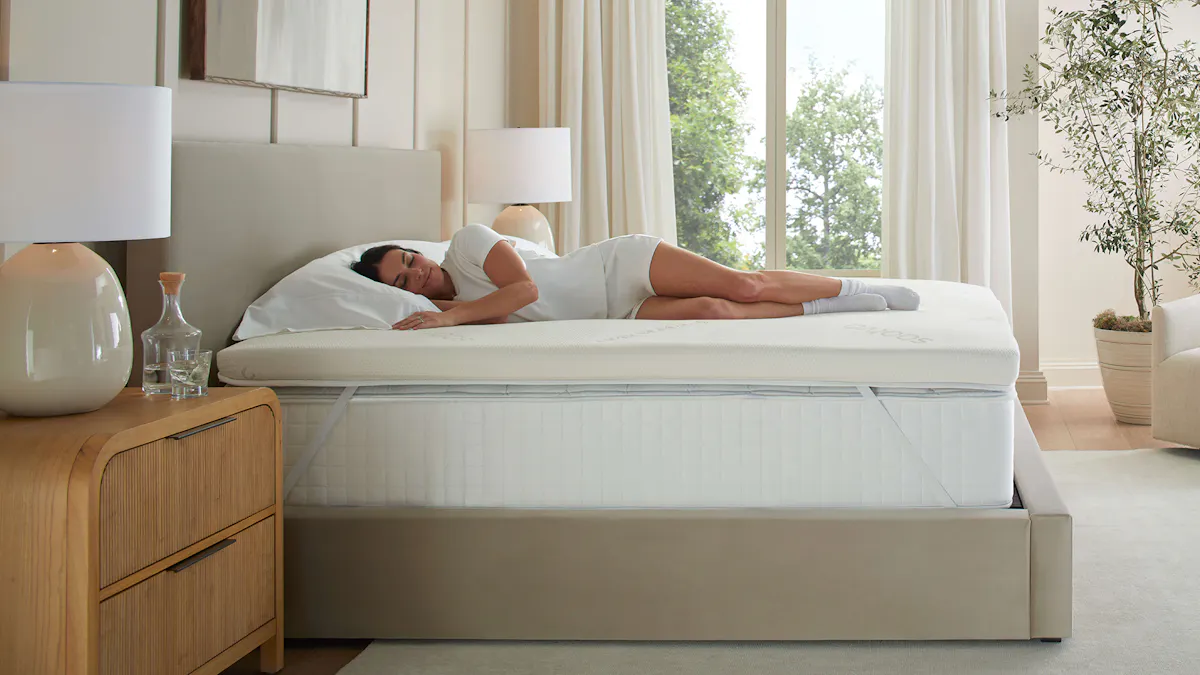
Shopping as well as reading? Here is one current option worth comparing: the Saatva Graphite Topper. Check today’s price, sizing and return terms on the official product page before you order.
Saatva Graphite Topper
- Graphite-infused memory foam, per saatva.com
- 180-night trial
- Secure anchor bands, fits deep mattresses
FAQ
Can a memory foam topper make a mattress higher?
Yes. It adds material above the mattress and raises the unloaded sleep surface. The usable increase will feel smaller in areas where the memory foam compresses under body pressure.
How much topper depth should I choose for extra height?
Choose the least depth that produces the lift and comfort change you actually need. A deeper topper creates a taller empty bed, but it can also increase sinkage, alter edge access and require deeper sheets.
Will a topper raise a mattress without making it softer?
Not perfectly, because adding a new comfort layer changes the surface response. A firmer memory foam option may preserve more height and feel less yielding, but the final result still depends on the mattress underneath and how the topper compresses.
Can a memory foam topper fix a sagging mattress?
No topper rebuilds a weakened mattress core or unstable support system. It may make the surface feel different for a while, but it will continue to follow the shape beneath it. Inspect the mattress and foundation before adding more foam.
Is a topper better than changing the bed frame for height?
A topper is the better fit if you want a modest lift and a change in surface comfort. A compatible frame or foundation adjustment is more direct if the mattress already feels right and only the total bed height needs to change. Follow the relevant manufacturers’ compatibility instructions before altering the support setup.