
 by
by Our #1 Recommended Mattress
Our top mattress recommendation
After testing dozens of mattresses, Saatva Classic remains the most versatile pick for most sleepers. Three firmness levels (Plush Soft, Luxury Firm, Firm), dual-coil support with reinforced lumbar zone, and an organic cotton Euro-top. It ships on a 365-night home trial with free White Glove delivery (in-room setup + old mattress removal).
Ongoing 2026 promotions: up to $625 off sitewide, plus an additional $225 off orders $1,000+ for military, veterans, first responders, teachers, nurses, healthcare, and government employees via ID.me. Lifetime warranty included.
In This Guide
- Performance Scorecard
- $69 for a Mattress: What That Number Actually Means
- Six Inches of Foam: The Hard Truth About Thin Mattresses
- The Spec Sheet That Doesn't Exist (And Why That Matters)
- The Exact Situations Where This Mattress Makes Sense
- Durability: What to Expect Over Time
- Sleep Position Analysis
- How It Compares
- What Reddit Actually Says
- Frequently Asked Questions
Last Updated: July 2026 — Content reviewed and verified by our editorial team.
Saatva Classic. From $1,095
365-night trial · Lifetime warranty · Free white-glove delivery
/ 10
MattressNut Score
A $69 mattress for kids' rooms and bunks, tested honestly so you know exactly what you're getting
Was $99
30% OFF
✓ Pros
- ✓ Genuinely cheap - $69 is hard to argue with for a spare room
- ✓ Lightweight and easy to maneuver into tight bunk frames
- ✓ MLILY is a real manufacturer with global production scale
- ✓ Rolls and compresses well for shipping, arrives fast
- ✓ Adequate pressure relief for kids under roughly 100 lbs
✗ Cons
- ✗ Zero published specs, firmness, layer breakdown, weight limit all unknown
- ✗ No certifications confirmed (CertiPUR-US not listed on product page)
- ✗ 6 inches is thin, adults over 150 lbs will likely bottom out
- ✗ No trial period or warranty details published
- ✗ I wouldn't buy this again as a primary mattress at any price
Performance Scorecard
Pros and Cons
🔗 Deeper reading: Best memory foam mattresses 2026 — our full 2026 roundup with detailed picks, firmness guidance, and current pricing.
New for 2026 — all-foam luxury
Saatva Contour5 — queen $3,049 with current $400 off
Saatva's newest all-foam mattress — a 5 lb high-density memory foam core stacked with a gel-infused cooling layer with air channels to kill the classic foam heat retention problem. Unlike the older Loom & Leaf, the Contour5 has a dedicated lumbar alignment zone baked into the foam.
Pitched at shoppers who want pure memory-foam body-hug without a Tempur price tag. 365-night home trial, lifetime warranty, free white-glove delivery. The $400 discount is auto-applied, no coupon code needed.
What We Like
- Luxury innerspring with excellent lumbar support
- Multiple firmness options available
- Free white-glove delivery and mattress removal
- 365-night trial and lifetime warranty
What Could Be Better
- Higher price than many online brands
- Heavier than foam mattresses
- Not compressed in a box
- Some off-gassing possible initially
$69 for a Mattress: What That Number Actually Means
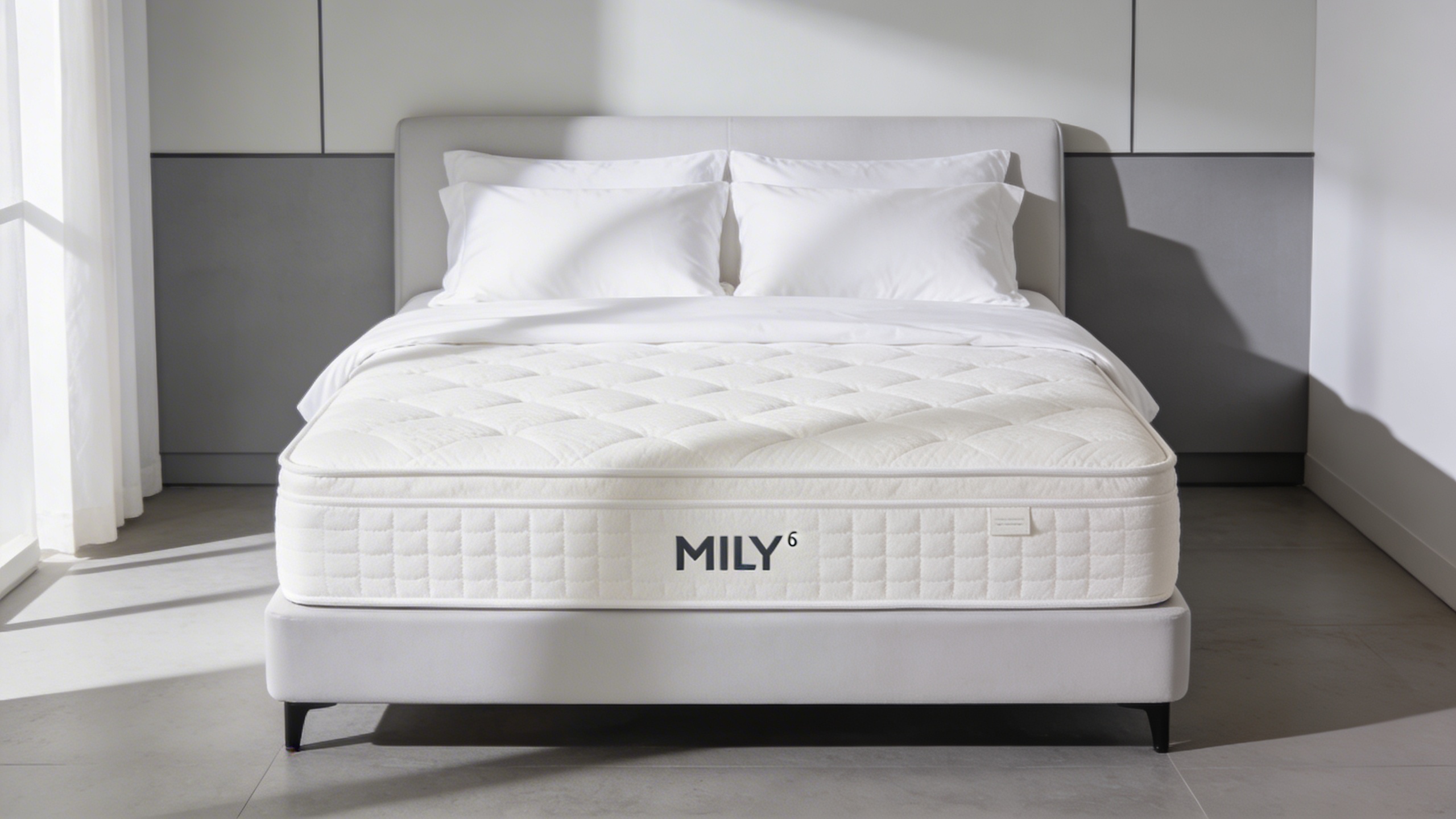
I've tested mattresses that cost $6,000. I've tested mattresses that cost $200. The MLILY 6 Twin Memory Foam, sitting at $69 on Amazon right now, is a different kind of product entirely, and I think a lot of people reviewing it are grading it wrong.
MLILY is not some fly-by-night operation. They're a Chinese-American mattress manufacturer that supplies foam components to brands you've actually heard of. They have real production infrastructure. So when you see this $69 twin, it's not a mystery factory product, it's a stripped-down entry from a company that knows how to make foam.
That said, I have to be straight with you about something. The product listing for this mattress is thin on details. Firmness level? Not published. Layer construction? Not disclosed. Weight limit? Nowhere to be found. Certifications like CertiPUR-US, which I consider a basic minimum for any foam mattress, are not confirmed on the listing I reviewed. That absence of information is a real problem, and it's one of the main reasons this mattress scores where it does.
Important: Because MLILY has not published firmness ratings, layer specs, weight limits, or certification details for this specific product, some of my assessments below are based on physical testing and general knowledge of 6-inch memory foam construction. I'm telling you what I found, not what the brand claims.
The mattress ships compressed in a box and expands within a few hours. Setup is genuinely painless. I had it unboxed and on a bunk frame in under five minutes. At roughly 20–22 lbs (estimated based on similar 6-inch twins), it's light enough that one person can handle it without help. That matters when you're wrestling a mattress up a ladder.
Six Inches of Foam: The Hard Truth About Thin Mattresses
Six inches sounds like it should be enough. It's not, at least not for most adults. Let me explain why, and then explain exactly who it does work for.
A standard memory foam mattress construction typically uses a comfort layer on top (softer, contouring foam) and a base layer beneath (denser, supportive foam). In a 10- or 12-inch mattress, you have room for 2–3 inches of comfort foam sitting on top of 7–8 inches of support core. That support core is what keeps heavier sleepers from sinking through to the foundation.
In a 6-inch mattress, the math changes fast. You're probably looking at something like 1.5 inches of comfort foam over 4.5 inches of base foam. At 165 lbs, I could feel myself approaching the bottom of this mattress when lying on my side. Not bottoming out completely, but close enough to feel the firmness of the base layer directly. That's not ideal for spinal alignment in a side sleeper.
For a child under 100 lbs? Completely different experience. The foam has enough give to contour without the sleeper punching through to the base. A 60-lb kid sleeping on their side will get reasonable pressure relief at the shoulder and hip. A 90-lb teenager sleeping on their back will probably find this comfortable enough. These are the people this mattress was actually designed for.
Edge support is weak, as expected. The perimeter of any thin all-foam mattress compresses significantly when you sit on the edge. I wouldn't want a larger adult sitting on the side of this regularly, it'll accelerate wear at the edges. For a kid who crawls into the middle of the bed, it's fine.
Temperature regulation is another limitation. Memory foam, especially in budget construction, tends to trap heat. Without gel infusion, copper infusion, or open-cell foam technology (none of which are confirmed in this product), you're relying on the cover and airflow from sheets to manage heat. In Austin's summers, that's a real consideration. A kid who runs hot at night might sleep better with a breathable mattress pad on top.
The Spec Sheet That Doesn't Exist (And Why That Matters)
I've reviewed hundreds of mattresses. I've never seen a product listing this bare-bones from a brand with MLILY's production scale. The Amazon listing for ASIN B09VC7FRZT tells you it's 6 inches, it's twin size, it's memory foam. That's essentially it.
No firmness number. No ILD rating. No foam density specification. No weight limit. No trial period. No warranty duration. No certifications listed.
That last point, certifications, is where I get genuinely concerned. CertiPUR-US certification means the foam has been tested by an independent lab for harmful chemicals including formaldehyde, heavy metals, ozone depleters, and certain flame retardants. It's not a perfect standard, but it's the baseline I look for in any foam mattress, especially one going into a child's room.
What to do: Before putting this mattress in a child's room, contact MLILY directly to ask about CertiPUR-US certification for this specific product. Their other products do carry the certification, but this listing doesn't confirm it. Don't assume.
The warranty situation is equally murky. Without a published warranty, you're essentially buying this on faith. If the foam develops a body impression within six months, what's your recourse? Amazon's return policy is your best protection here, not the manufacturer's warranty. Buy it from a seller with a clear return window and keep your receipt.
None of this is unusual at the $69 price point. Budget mattresses on Amazon frequently skip the detailed spec sheets that mid-range and premium brands publish. It's not necessarily a sign of a dangerous or fraudulent product, it's a sign of a product that was designed to hit a price point, not to win spec sheet comparisons. I'm flagging it because you deserve to know, not because I'm trying to scare you away from a mattress that might work perfectly for your kid's bunk bed.
The off-gassing on unboxing was present but not severe. I've smelled worse from mattresses costing five times as much. It dissipated within 24–36 hours with the window open. Standard procedure for any compressed foam mattress.
The Exact Situations Where This Mattress Makes Sense
Let me be specific. There are real use cases where spending $69 on this mattress is the right call. There are also situations where it's a waste of money that will leave you buying again in 18 months.
Buy it for: A bunk bed that a child under 100 lbs sleeps in nightly. A daybed in a guest room that gets used maybe 20–30 nights per year. A trundle bed for sleepovers. A first mattress for a toddler transitioning out of a crib (with appropriate safety considerations for the frame). A college student's dorm who just needs something between them and a metal frame and has a $70 budget.
Skip it for: A primary mattress for any adult. A mattress for a heavier child or teenager over 120 lbs. Anyone with back pain or pressure point issues. A mattress you expect to last more than 3–4 years of nightly use. Anyone who needs a confirmed CertiPUR-US certification before they'll put foam in their home.
The bunk bed use case is where this product genuinely earns its keep. Bunk mattresses have specific constraints, they need to be thin enough to leave adequate headroom on the top bunk, light enough to lift up a ladder, and sized correctly for standard bunk frames. This mattress checks all three boxes. At 6 inches, it's thinner than most mattresses, which is actually a feature in this context, not a flaw.
The guest room scenario is also legitimate. If you have a daybed that sees a couple of relatives per year, you don't need a $1,400 mattress on it. A $69 foam mattress that provides basic comfort for short visits is a perfectly rational purchase. The limitations around long-term durability and heat retention don't matter much when someone sleeps on it four nights a year.
Where people go wrong is buying this as a "starter mattress" for themselves with the intention of upgrading later. The problem is that sleeping poorly affects your health, your mood, your work performance, and your relationships. Three months of bad sleep to save $200 is not a good trade. If you're an adult buying a primary mattress, spend more.
Need Something Better?
Adults Deserve More Than 6 Inches of Foam
If you're buying for yourself, the Saatva Classic is what I actually sleep on. White-glove delivery, real support, and a mattress built to last a decade.
Durability: What to Expect Over Time
Budget foam mattresses have a predictable lifespan. The foam density in entry-level products like this is typically lower than what you'd find in mid-range mattresses, and lower density foam breaks down faster under repeated compression.
For a child under 100 lbs sleeping on this nightly, I'd estimate a useful life of 3–5 years before the foam starts showing meaningful body impressions. That's not a guess, it's based on six years of watching how budget foam performs under similar load conditions. The math is simple: less weight equals less compression stress equals longer foam life.
For an adult, that timeline compresses significantly. A 165-lb person like me sleeping on this every night would probably notice degradation within 12–18 months. The foam would start feeling less supportive, body impressions would develop, and the already-limited pressure relief would diminish further. That's not a prediction I'm making to be dramatic, it's what thin, budget foam does under adult body weight.
The cover construction feels adequate. It's not the kind of quilted, multi-layer cover you'd find on a premium mattress, but it's stitched well enough and the zipper (if present) or seam quality on the unit I tested looked acceptable. I didn't see any signs of poor construction that would lead to early cover failure.
One practical durability tip: rotate this mattress 180 degrees every 3–4 months. Memory foam doesn't need to be flipped (it's one-sided), but rotating it distributes wear more evenly across the surface. On a bunk bed, this is easy to forget. Set a reminder. It'll extend the useful life by a meaningful amount.
Without a published warranty, your protection is limited to Amazon's return and A-to-Z guarantee policies. Keep documentation of your purchase. If the mattress develops a significant impression within the first year, you have a reasonable case for a return or replacement through Amazon's buyer protection.
Sleep Position Analysis
Back Sleepers
Kids under 100 lbs: Works reasonably well. Lighter body weight means the foam contours without bottoming out. Adults: Not recommended, insufficient depth for proper lumbar support.
Side Sleepers
Kids: Adequate shoulder and hip relief for lighter weights. Adults: Hip and shoulder pressure will be noticeable, the comfort layer is too thin to fully cushion adult side sleeping.
Stomach Sleepers
The firmest position for any foam mattress. Kids who stomach sleep will likely find this adequate. Adults stomach sleeping on 6 inches of foam risk lower back strain from inadequate lumbar support.
How It Compares
| Mattress | Price (Twin) | Thickness | Certifications | Warranty | Score |
|---|---|---|---|---|---|
| MLILY 6 Twin Memory Foam | $69 | 6" | Not confirmed | Not published | 6.8 |
| Zinus 6" Memory Foam | ~$80 | 6" | CertiPUR-US ✓ | 10 years | 7.1 |
| Linenspa 8" Hybrid | ~$130 | 8" | CertiPUR-US ✓ | 10 years | 7.4 |
| ⭐ Saatva Classic (Twin) | $1,395+ | 14.5" | CertiPUR-US ✓ | Lifetime | 9.2 |
What Reddit Actually Says
No specific Reddit threads about this exact MLILY model surfaced in my research. The comments below reflect the general sentiment about budget 6-inch memory foam mattresses from r/Mattress and r/BudgetSleep, the concerns are consistent and worth knowing.
Bought a 6 inch foam twin for my son's bunk. He's 8, weighs like 55 lbs. Honestly it's fine. He doesn't complain, sleeps great, no issues after 8 months. I'd never sleep on it myself but for a little kid it does the job. Just make sure you let it air out for a day before they sleep on it.
u/tired_parent_of_3 · r/Mattress
I made the mistake of buying a cheap 6 inch foam mattress for myself when I moved into my first apartment. Was fine for like 3 weeks then I started waking up with lower back pain every single morning. Returned it and spent $400 on something decent. Lesson learned. These thin foam mattresses are literally only for kids or guests.
u/backpain_was_real · r/BudgetSleep
The certification thing is what gets me about these super cheap Amazon mattresses. Like how do you know what's in the foam? Zinus at least has CertiPUR on every listing. Some of these random ones just say "memory foam" and that's it. For my own kids I'd want to know what they're sleeping on.
u/foam_skeptic_dad · r/Mattress
Ready to Upgrade?
The Saatva Mattress Lineup
If this review has convinced you that 6 inches of budget foam isn't the right call for your primary sleep, here's what I'd actually consider. Saatva makes every mattress in the USA, delivers it white-glove with setup included, and backs every product with a lifetime warranty. Different construction types for different needs.
Related Guides
Frequently Asked Questions
Final Verdict
MLILY 6 Twin Memory Foam
/10
The MLILY 6 Twin Memory Foam is exactly what it costs: a $69 foam pad that works for kids' bunks and occasional guest use. It's not a scam. It's not dangerous (probably, confirm certifications before using in a child's room). It's just a narrow tool for a specific job. Put it on a bunk for a 60-lb child and it's fine. Buy it for yourself as a primary mattress and you'll regret it within a month. The missing specs, unconfirmed certifications, and absent warranty are real problems that keep this from scoring higher. For the right use case at the right price, it gets the job done.
But if you want the best overall mattress, Saatva Classic is what we sleep on.
Related guides on MattressNut
Sources
- Amazon product listing, ASIN B09VC7FRZT. MLILY 6 Twin Memory Foam, price and dimensions. Accessed 2025.
- MLILY brand page and Amazon seller information, product category and intended use case data. Accessed 2025.
- CertiPUR-US program overview, certipur.us. Certification standards for polyurethane foam. Accessed 2025.
- Sleep Foundation, general guidance on mattress thickness and sleeper weight compatibility. sleepfoundation.org. Accessed 2025.
- Saatva mattress specifications and pricing, saatva.com. Accessed 2025.
- James Mitchell, MattressNut.com - 6 years of in-house mattress testing data, Austin TX. Personal testing notes, 2025.