 by
by *My allergy-proof bedroom reset under $700 started because I was awake at 3 a.m., rubbing my eyes and annoyed at a room that looked calm but felt anything but. I didn’t replace every single thing. I focused on the bedding, the dust-catching clutter, and the one corner that had become a laundry pile.
I had a real budget ceiling, so I treated it like a decision, not a shopping spree. And the room feels softer now.
Not sterile. Just easier to sleep in.
The night I stopped blaming the weather
For months, I kept saying it was pollen season, then dry air, then the old house. Maybe some of it was. But I also knew my bedroom was holding onto more than I wanted to admit: extra throw pillows, a heavy rug I never vacuumed properly, and sheets that never felt fresh for long.


I’m not claiming this reset fixes allergies for everyone. It helped me feel more comfortable at night, and that was enough reason to keep going. I’d rather change the things I can wash, air out, and maintain than keep buying pretty objects for a room that isn’t working.
The old setup looked fine from the doorway. Up close?
Dusty. A little stale.
Here’s what it looked like before
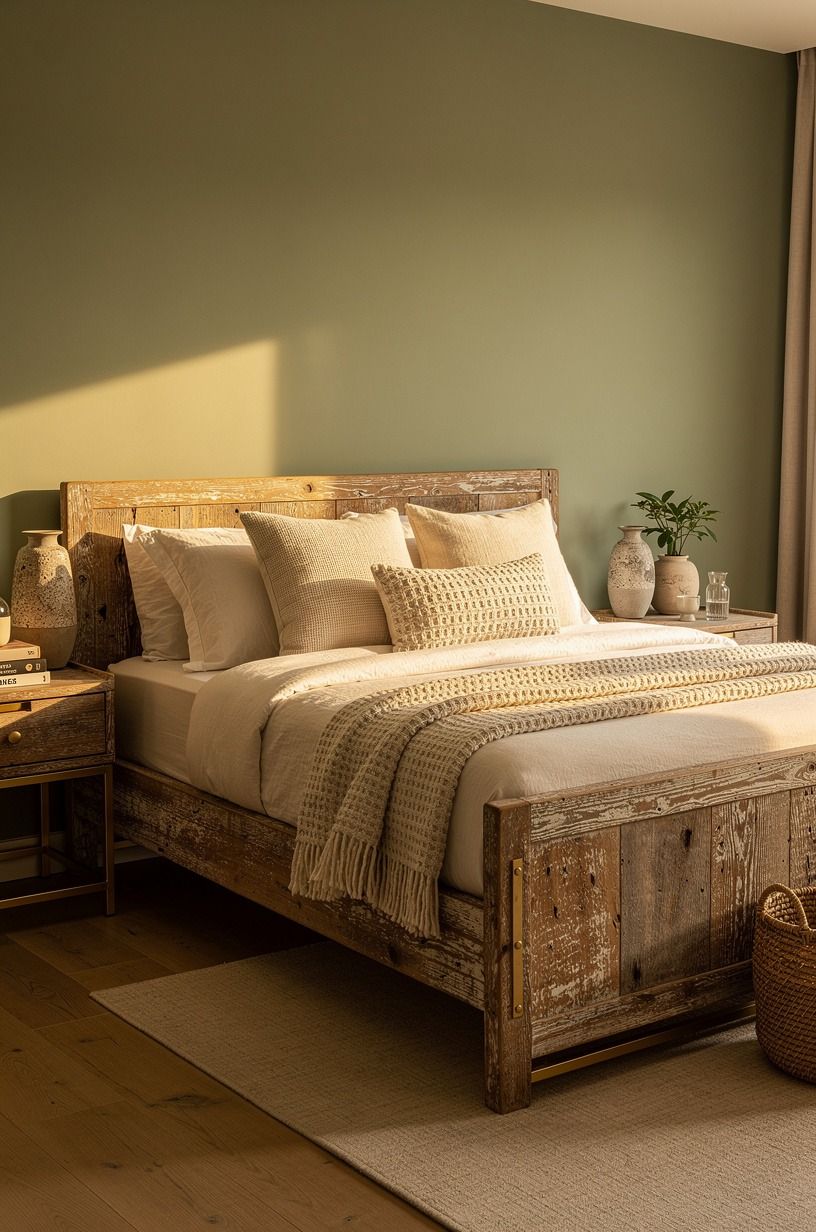
The bed was dressed in mismatched layers, including a fuzzy blanket that shed onto everything. My nightstand sat too low beside the mattress, so I kept knocking my water over in the dark. The rug crowded the floor but didn’t extend far enough to feel intentional.
I also had a basket of “clean” laundry that had lived there long enough to become furniture. I hated that basket. I hated that I’d stopped seeing it.
For layout perspective, I looked at these small bedroom setups that solve cramped rooms, then moved only what made daily cleaning harder. I think a healthy bedroom has to be a tidy bedroom first. Otherwise, you’re just decorating around the problem.
I stripped the bed back to breathable layers
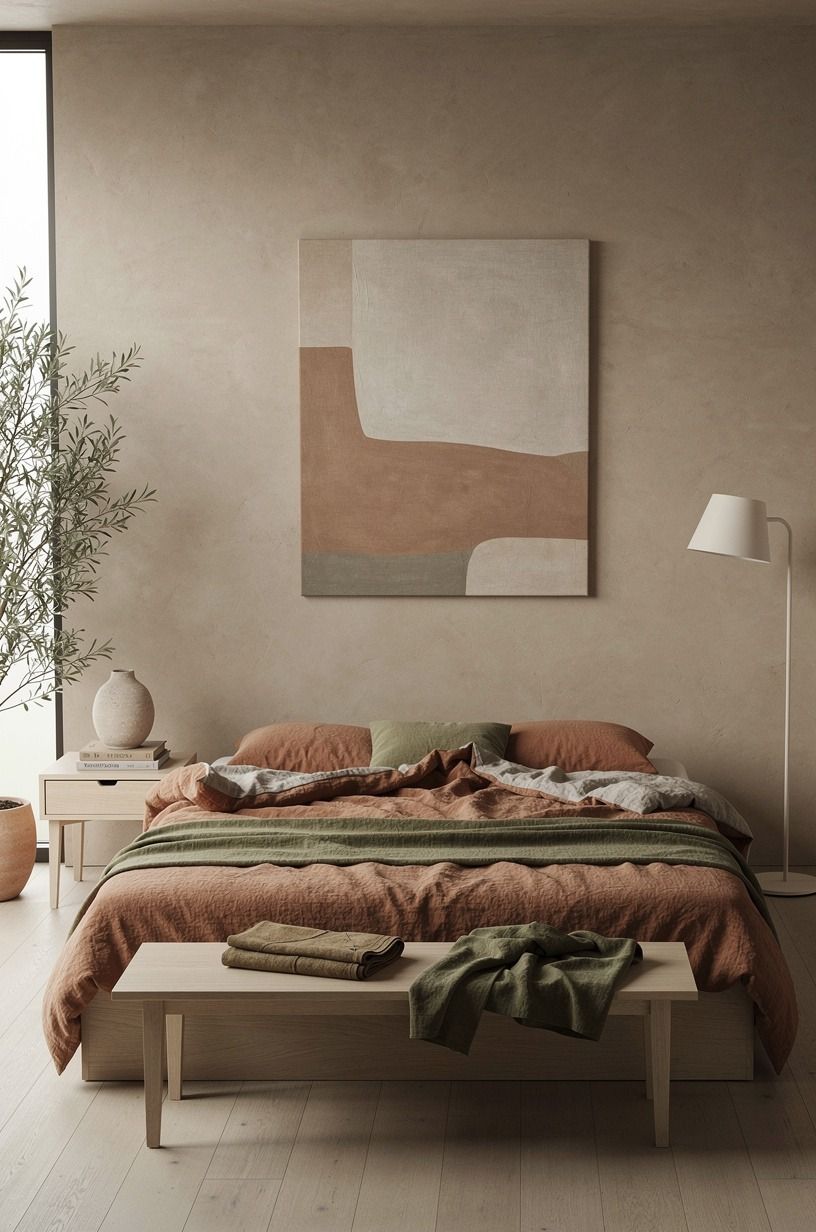
I started with the bed because it was the part closest to my face for eight hours a night. My first move was swapping in Organic Cotton Sheets, which felt crisp instead of slick and didn’t hold that trapped warmth I’d grown used to.
Then I added an Organic Quilted Pillow after realizing I’d been fluffing an old pillow into submission every morning. I wasn’t sure a new pillow would make much difference. But it changed the feel of the bed faster than repainting a wall ever could.
I chose fewer layers, not more. A washable blanket, one quilt, two sleeping pillows.
That’s it. I like a bed that looks inviting without requiring ten minutes of rearranging before I can get into it.
And yes, I miss the dramatic pile of decorative pillows sometimes. For about five seconds.
The mattress layer was my biggest hesitation
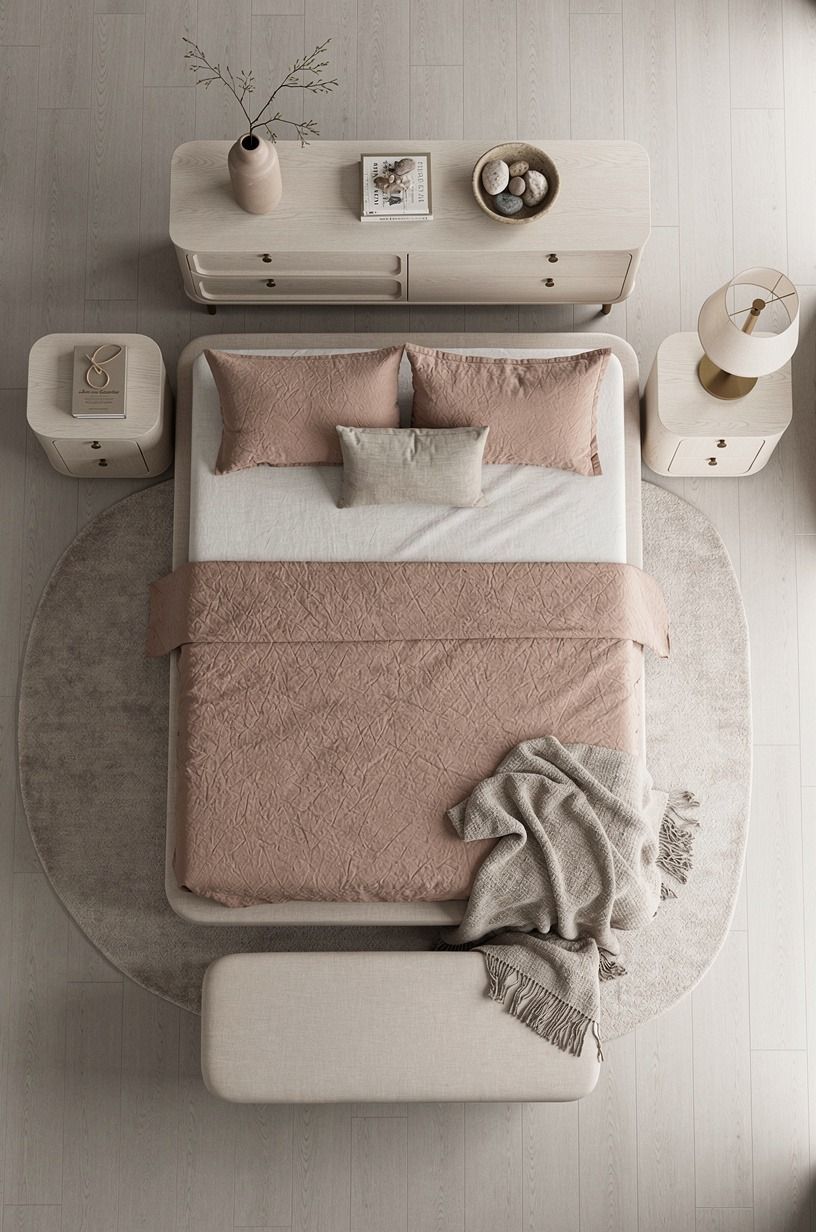
The one thing I went back and forth on was the Organic Mattress Pad. I worried it would make the bed feel bulky or hot, and for two weeks I regretted adding another layer. It needed time to settle, and I needed to stop judging it after one restless night.
Now I’m glad I kept it. It gave the mattress a cleaner, more cushioned surface without making the bed feel like a marshmallow.
I don’t like overly plush beds, personally. They look luxurious in photos, but I wake up feeling swallowed by them.
I also used the reset as a reason to make the bed easier to change. No complicated tucked corners. No giant duvet that drags across the floor.
If you’re working toward a similar materials-first approach, my organic bedroom reset explains why I’d put washable, natural-feeling layers ahead of decorative upgrades.


The Piece My Whole Bedroom Is Built Around
Natural materials, a 365-night home trial, free white glove delivery. Decide in your own room, not a showroom.
I changed the sheets I thought were “good enough”
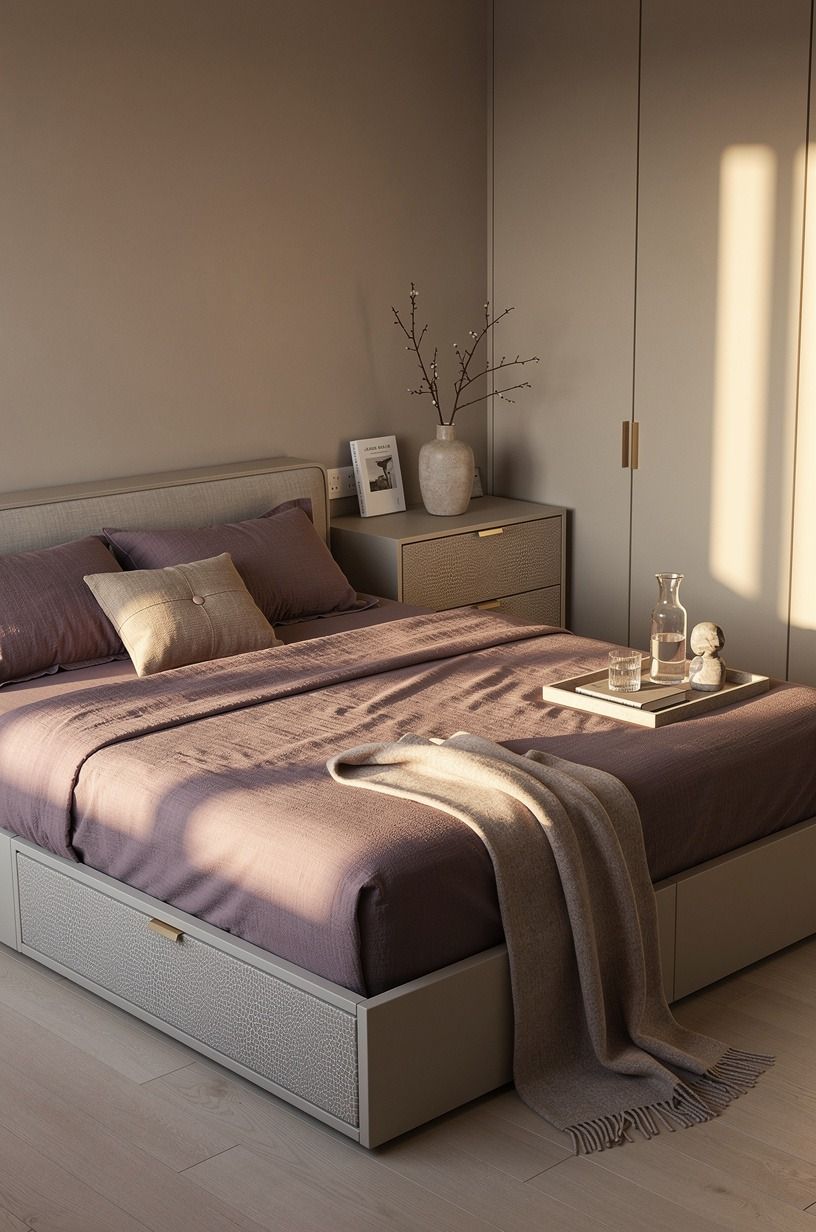
My old set wasn’t terrible. It was just tired, pilled at the edges, and somehow always too warm. I replaced it with a Percale Sheet Set for rotation days, because I wanted the bed to feel fresh even when the rest of the room was ordinary.
Percale has that cool, slightly rumpled hotel-sheet feeling that I prefer. Not silky.
Not precious. I wanted something I could wash often without treating it like an heirloom.
But I’ll be honest, I wouldn’t buy every bedding layer in the same bright white again. It photographs well, sure, but I drink tea in bed and own a black cat. A softer oatmeal or pale mushroom shade would hide real life better.
For the walls, I kept Benjamin Moore Pale Oak OC-20 rather than chasing a darker, moodier color. I think a bedroom should feel calming in daylight, especially if you’re trying to make the space easier to maintain.
I made the floor easier to clean
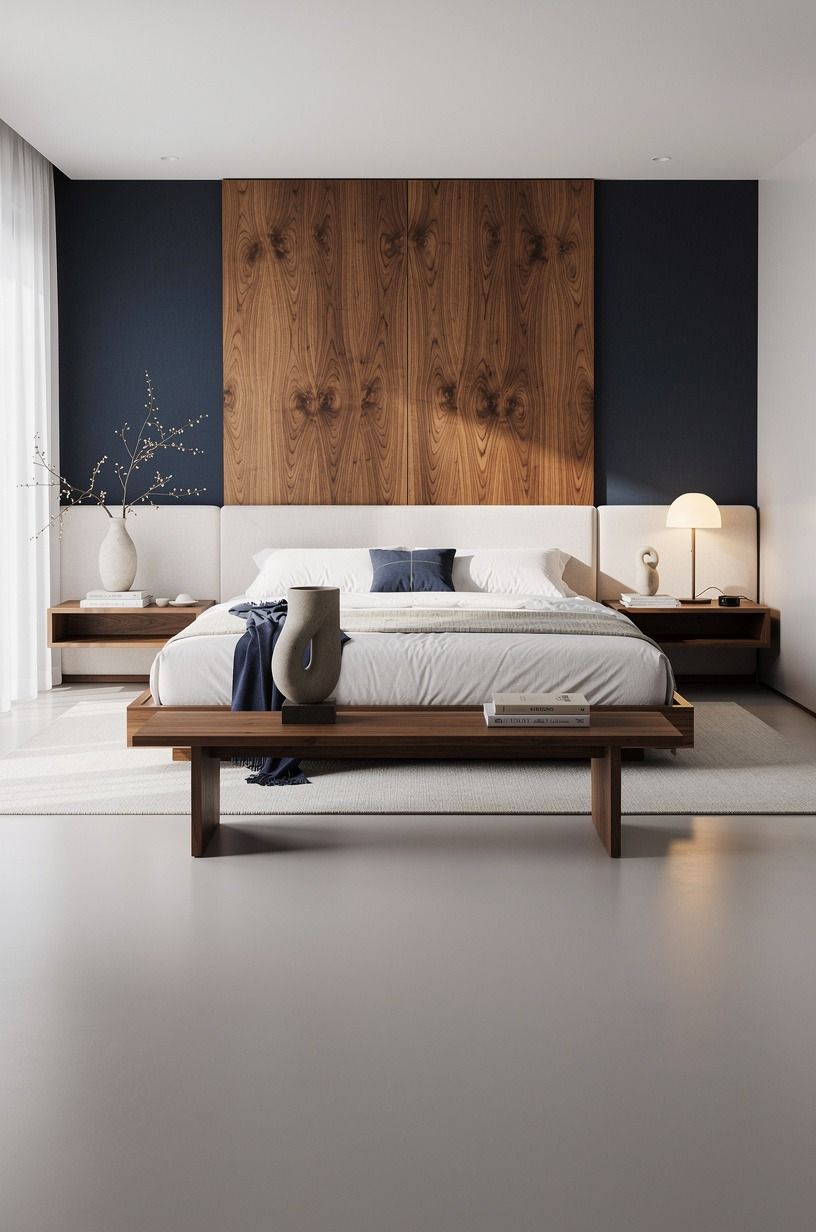
I removed the thick shag rug. I know, it was cozy underfoot. But it was also the one thing I never wanted to shake out, vacuum, or think about.
Instead, I left more bare floor visible around the bed and made sure the remaining rug could sit 18 to 24 inches past each side. That small shift made the room look intentional rather than under-furnished. A queen bed is 60 by 80 inches, so you can’t fake proportion with a tiny rug and hope it disappears.
I’d skip a deep-pile option for my own bedroom every time. A flatter woven surface isn’t as dramatic, but I can clean it without turning Saturday into a whole event. And that matters more to me.
The exposed floor also made the room feel airy. Strange how less softness underfoot created a more peaceful sleep space.
I gave the nightstand one job
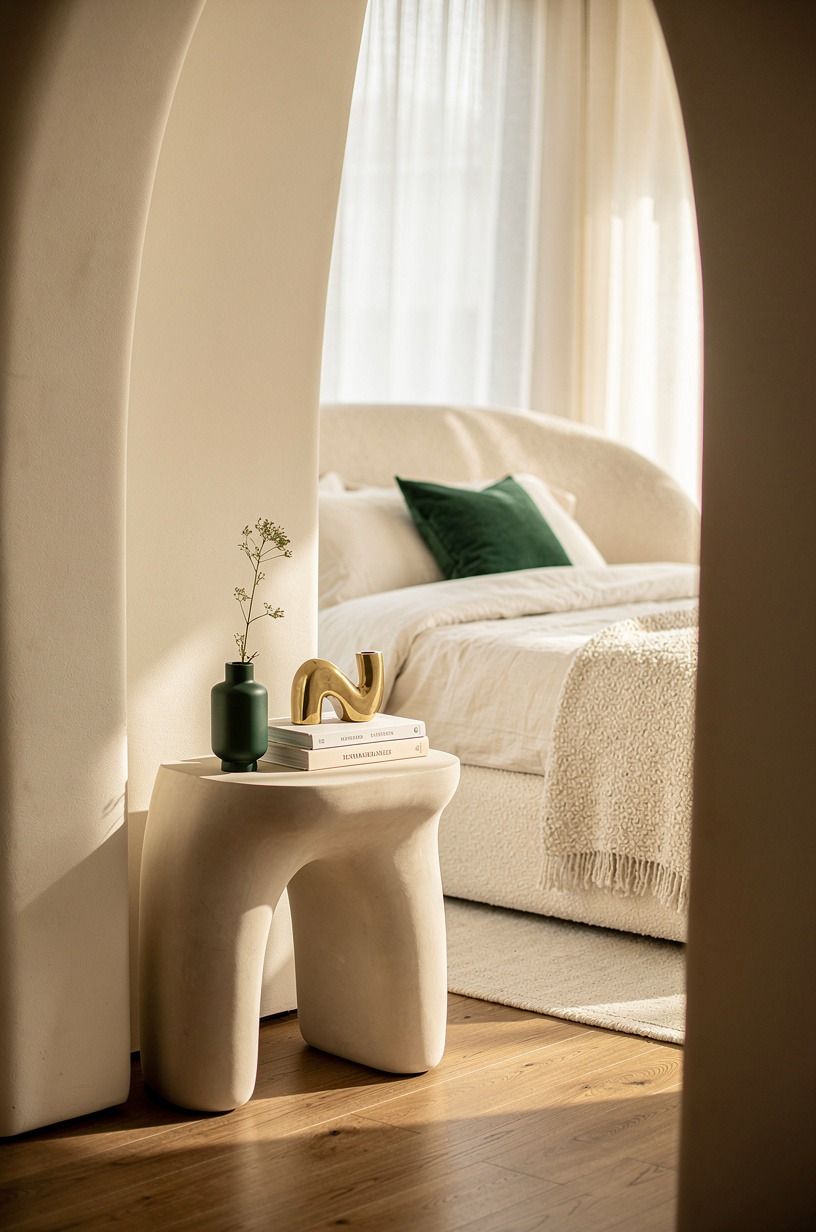
My nightstand had become a drop zone for books, tissues, chargers, hair clips, and receipts. I cleared it down to a lamp, water, and one book I was reading. Nothing else.
The top sits close to mattress height now, around the usual 24 to 28 inch range, which means I’m no longer reaching down awkwardly for my glass at night. Tiny change. Huge relief.
I kept the lamp’s light warm and gentle, then put a small lidded container in the drawer for the random things that make a room look messy by morning. I don’t believe every surface needs styling. I think some surfaces need mercy.
But the room still needed personality, so I hung one framed print above the bed rather than filling the wall with dust-collecting shelves. If you want a similarly quiet look without replacing a mattress, my non-toxic bedroom makeover under $500 has a few choices I’d repeat.
What I’d do differently next time

I’d make the decision to edit first, then shop. I spent too long thinking I needed a better bedroom when I mostly needed fewer things on the floor and bedding I didn’t dread washing.
I also wouldn’t chase an allergy-proof label as if it guarantees anything. What worked for me was a more washable, less cluttered setup that felt comfortable enough to keep clean. My symptoms and sleep are personal, and yours may be different.
And I’d leave more of the budget for the bed than the décor. Every time.
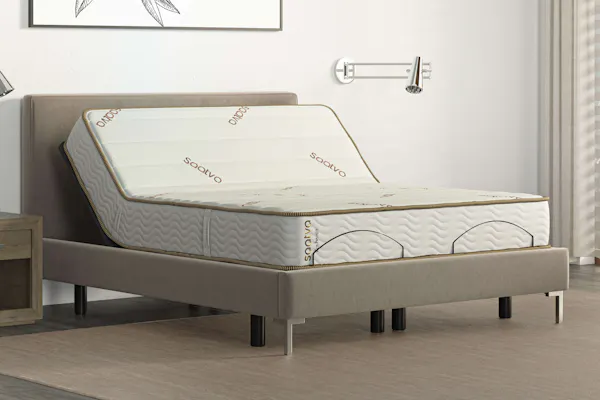 My pick for a healthier bedroomZenhavenTalalay latex, organic cotton, 365-night trial, lifetime warranty, free white glove delivery.See the Zenhaven
Build Your Own Healthier Bedroom
Sale pricing runs on orders over $1,000, and the 365-night trial gives you a full year of nights to be sure.
Where I’d start if I had to do it again
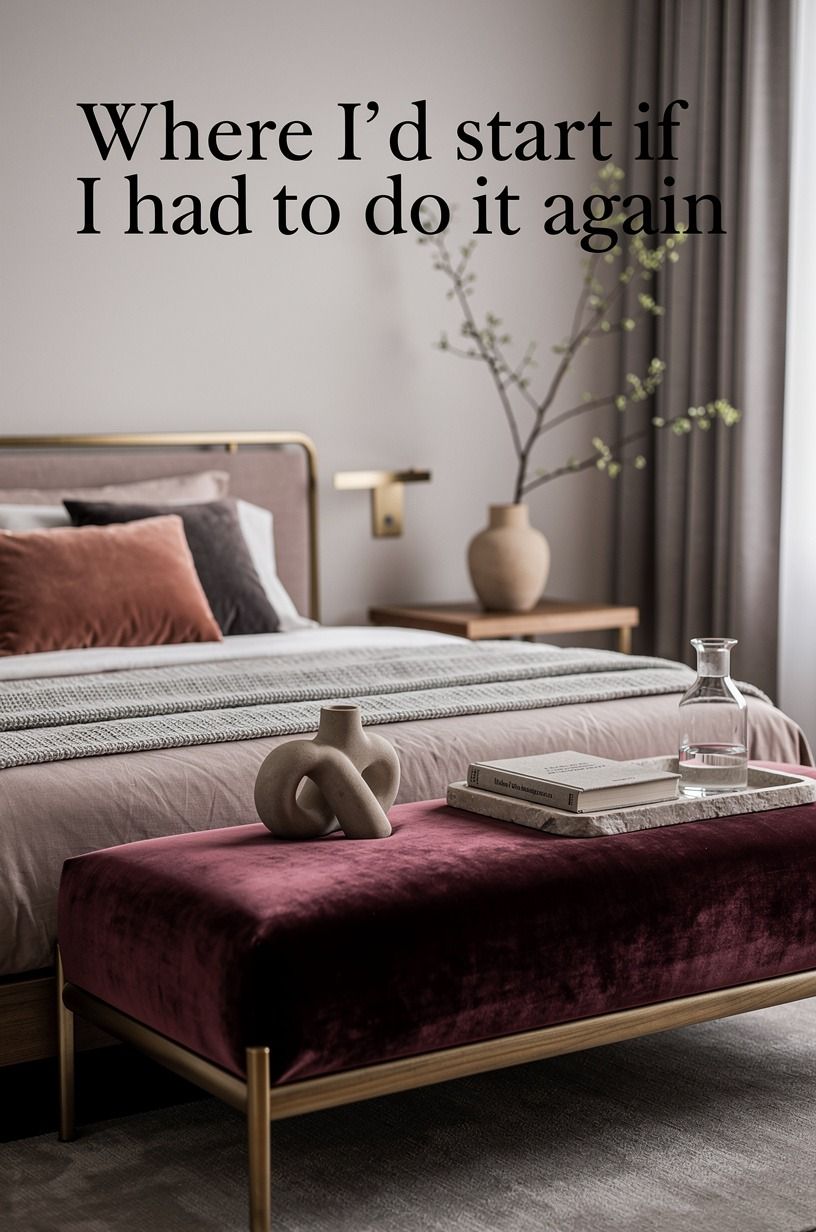
If I had to pick one, I’d start with the bedding layers. You can’t make a bedroom feel restful if the sheets trap heat and the pillow feels tired before your head even hits it. Pin this reset for later, then start with the surface you sleep on.
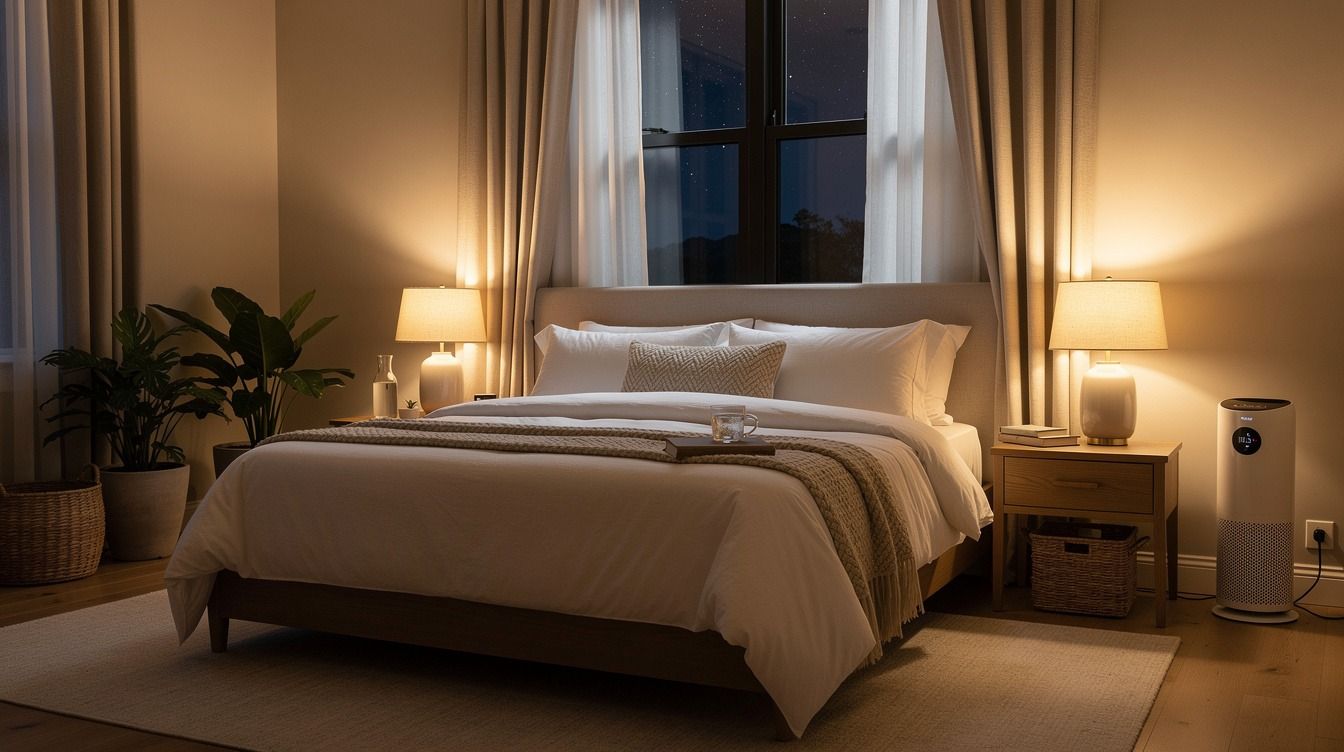
Tonight, the lamp throws a warm circle onto the cleared nightstand, and the folded blanket stays at the foot of the bed.