 by
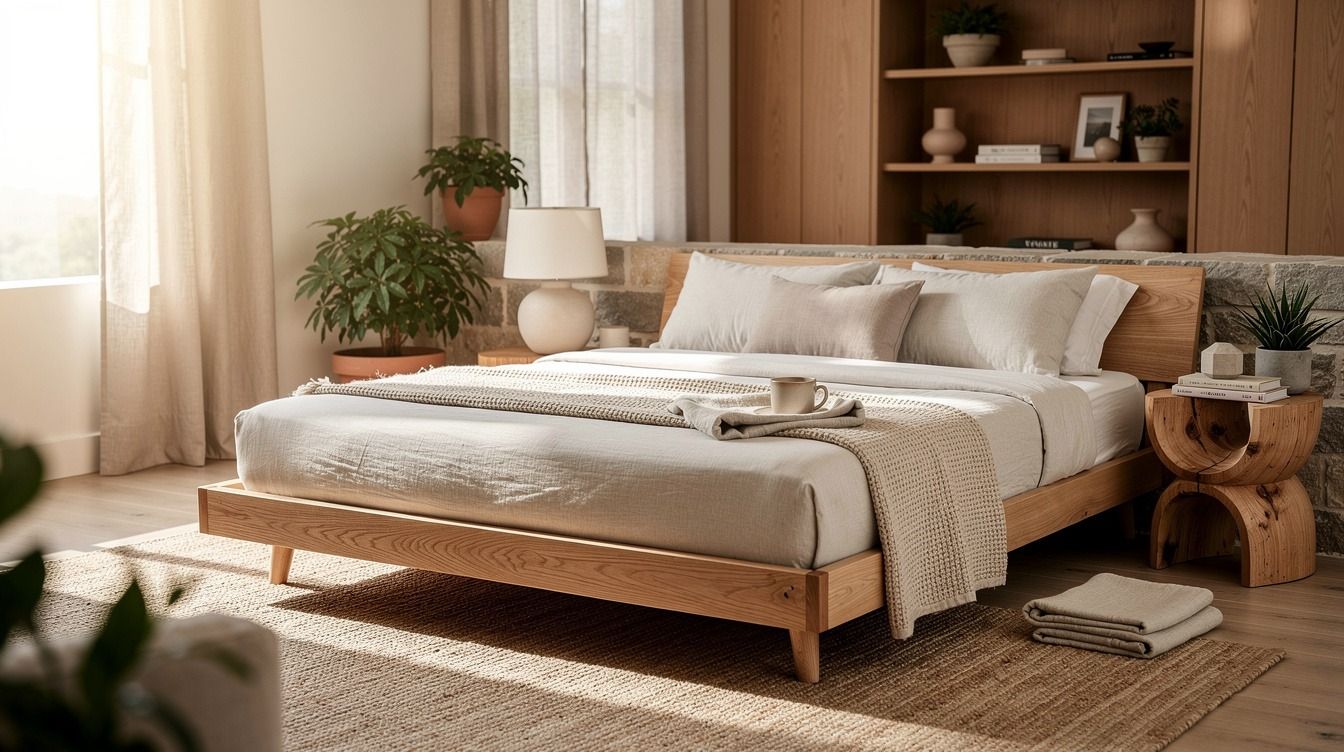
by My calm bedroom reset at 50 (natural materials only) started because I was tired of waking up at 3 a.m. and noticing the room before I noticed myself. The old mattress had that faint plastic smell, my bedding trapped heat, and every beige thing in the room somehow looked tired.
I didn’t need a showroom bedroom. I needed one place that felt quiet when the rest of life got noisy. So I gave myself a simple rule: natural materials only, and no replacing something unless I could explain why it belonged.
The moment I admitted the room wasn’t working
For years, I told myself the bedroom was fine. It had a bed, lamps, curtains.


Functional. But I’d started avoiding it until I was ready to sleep, which felt wrong for the one room meant to hold the softer parts of a day.
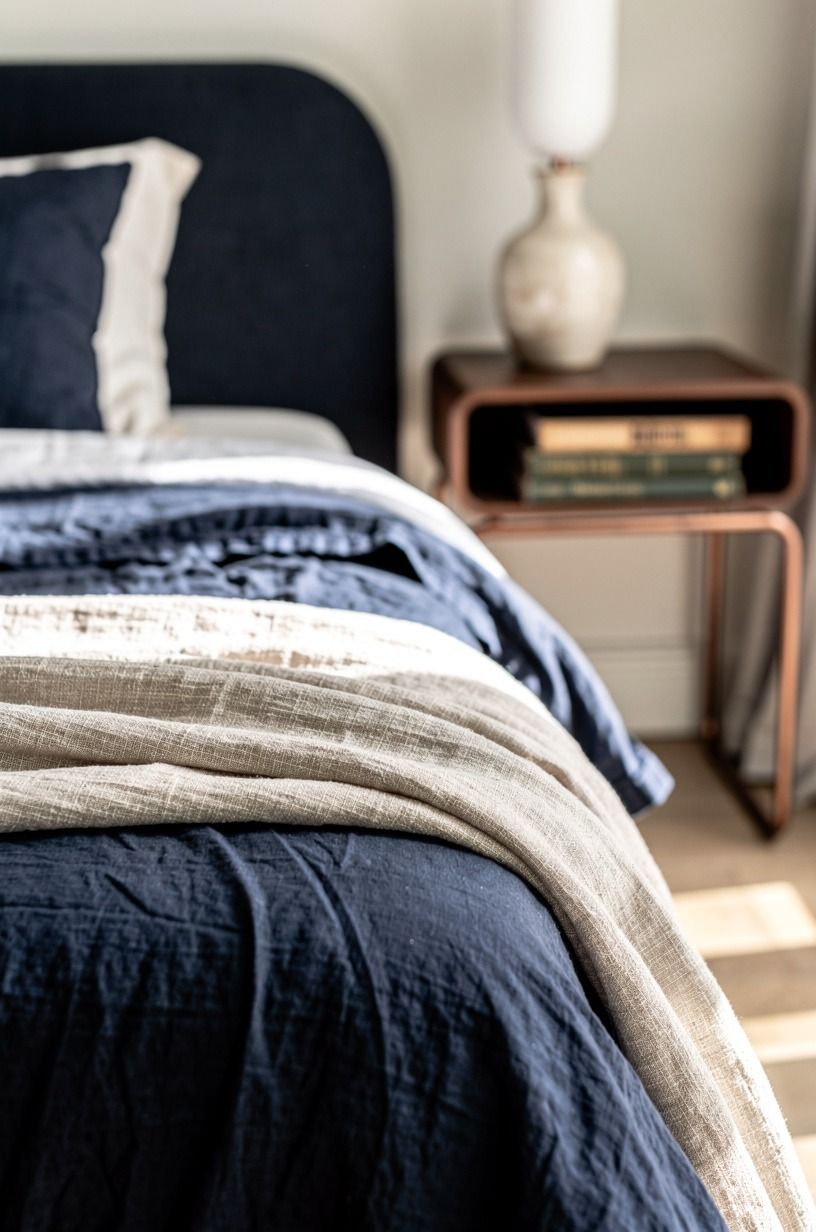
The real problem was texture. Polyester throws that crackled when I moved. A slick duvet cover.
Furniture that looked like it had arrived all at once from the same catalog. I wanted a calm aesthetic room, but I didn’t want it to look precious or empty.
And I had one hard opinion: I’d rather own fewer things that age well than fill a room with cheap substitutes I resent in six months.
I began with the bed, because everything else was pretending
I started with the mattress because no amount of natural home decor can compensate for a bed you don’t want to climb into. I chose Zenhaven after going back and forth longer than I’d like to admit. Latex sounded sensible, but I worried it would feel too firm and clinical.
For me, it didn’t. It felt supportive without that sinking, stuck feeling I hated in my old bed.
My sleep felt less restless, and the room stopped carrying that manufactured odor. That’s my experience, not a promise for anyone else. But it was enough to make me take the whole reset seriously.
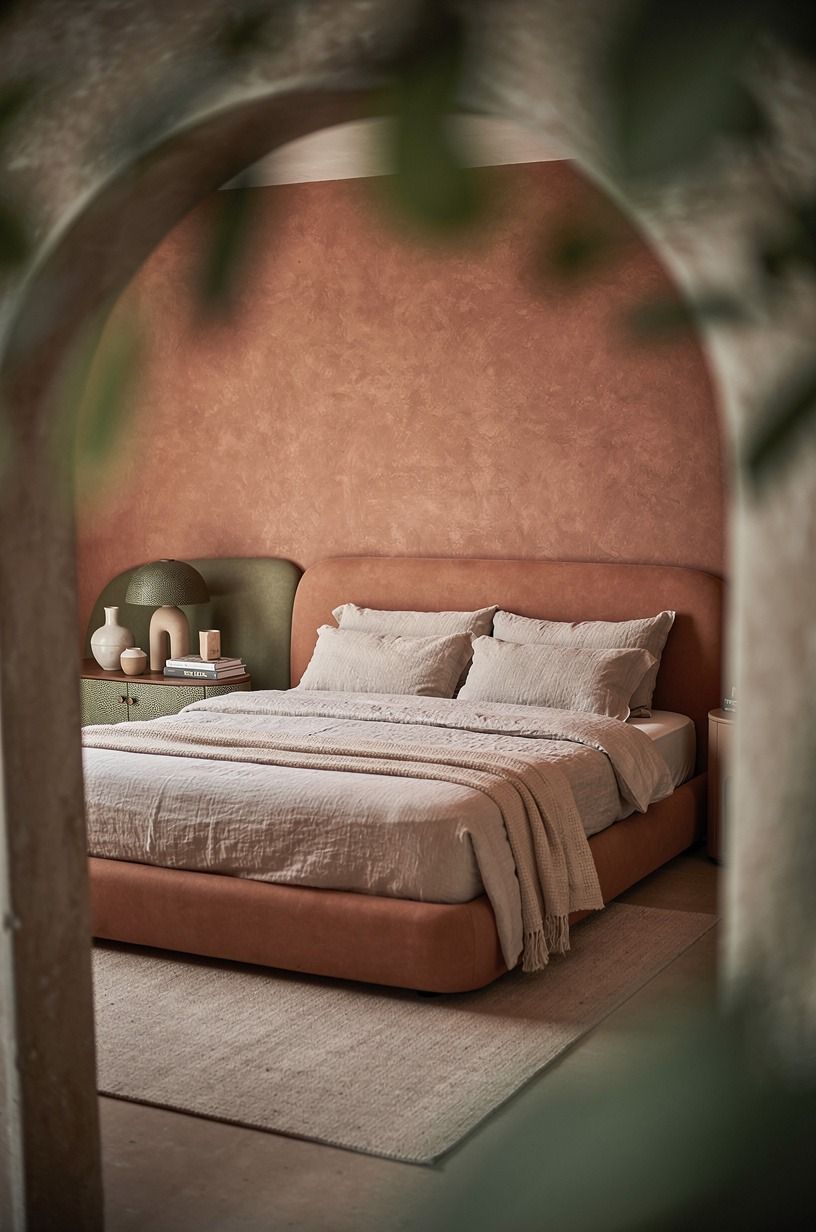
I kept the bed centered and left breathing room around it. A queen bed is 60 by 80 inches, and I think people forget how much visual calm comes from not cramming its edges against every wall. Space.
On purpose.
I chose washed cotton over the polished hotel look
Next came Organic Cotton Sheets. I wanted bedding that felt soft but not slippery, with a little rumple instead of a too-perfect fold.
I’m firmly against shiny bedding in a warm neutral bedroom decor scheme. It catches light in a way that always feels a little cold to me.
The first few nights, the cotton felt more textured than the sheets I’d been using. But I liked that.
It reminded me of a favorite cotton shirt, not a sealed package. And the small wrinkles made the room feel lived-in, which was exactly the point.
I paired them with a flax-colored cover and one wool blanket at the foot of the bed. No stack of decorative pillows. I’ve tried that version, and I hate moving seven things onto the floor every night.
If you’re building this kind of softer palette in a colder season, I found a few useful ideas in this bedroom with natural fibers. I borrowed the restraint, not every object.
The Pillow Test changed my sanctuary bedroom
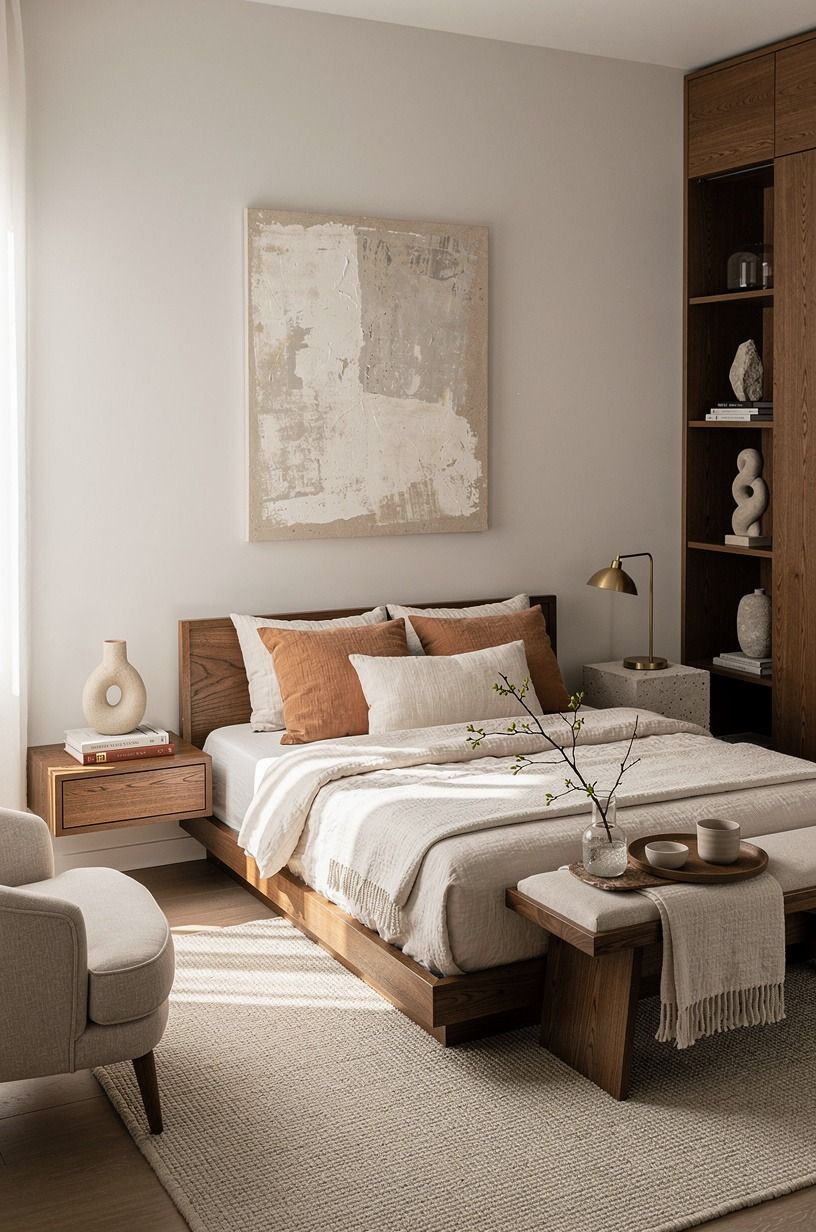
I replaced my old foam pillow with an Organic Quilted Pillow, mostly because I was tired of waking with a warm, flattened lump under my cheek. Not glamorous. Very real.
I wasn’t sure I’d notice much difference. I did. The quilted surface felt gentler, and I liked that it didn’t make the bed look overly engineered.
A small thing, maybe. But I think a bedroom becomes more peaceful when the things closest to your skin don’t feel synthetic.
But I did have to give it time. For about two weeks, I wondered whether I’d made a fussy purchase just because I was in reset mode.
Then I stopped rearranging it every morning. That was my answer.
I’d pick natural fillings and covers again, though I’d tell you to be patient with the adjustment. Your body knows its old habits.


The Piece My Whole Bedroom Is Built Around
Natural materials, a 365-night home trial, free white glove delivery. Decide in your own room, not a showroom.
I softened the mattress before adding another layer of decor
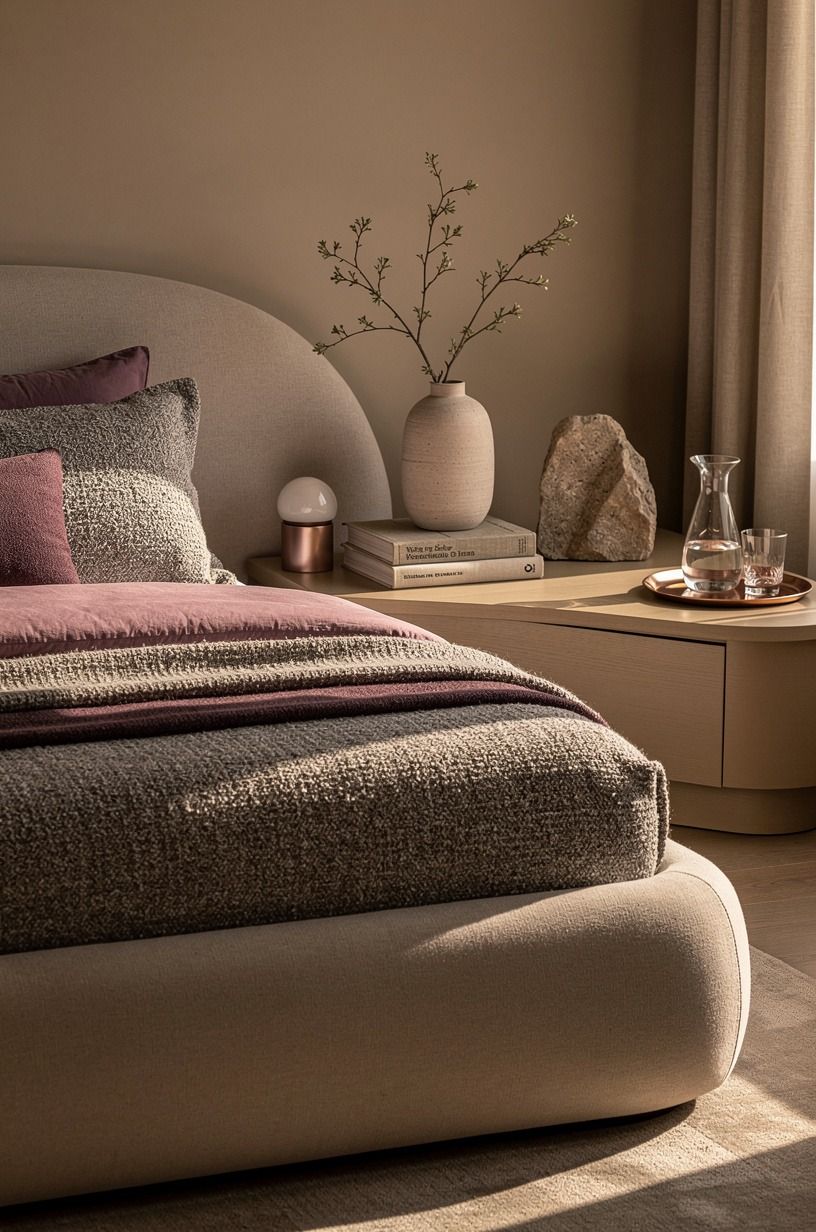
The Organic Mattress Pad was the part I nearly skipped. I thought the new mattress and cotton sheets were enough, and perhaps they would have been. Still, I wanted a softer landing without buying an extra blanket pile or changing the bed’s clean lines.
It gave the setup a more comforting feel, especially on nights when I wanted to read with the window cracked open. I’m not saying it turned my bedroom into a cure for bad sleep. It simply made my own bed feel more inviting, and that mattered.
And it taught me something I wish I’d learned earlier: the best non toxic bedroom changes aren’t always visible from the doorway. Sometimes they’re the layers you notice only when you lie down.
For another stripped-back approach, I liked this Japanese bedroom that feels calm without trying too hard. It helped me stop adding things just to make the room look finished.
I let paint and wood do the quiet work
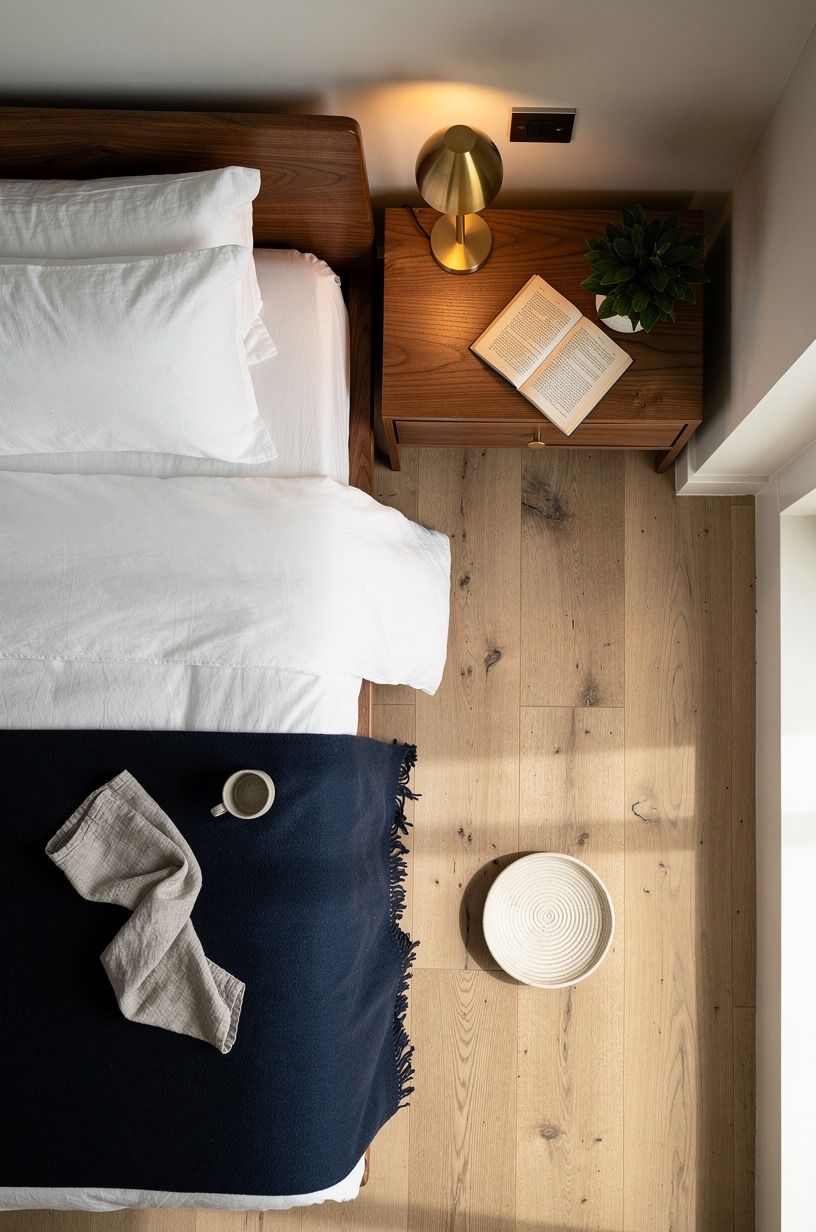
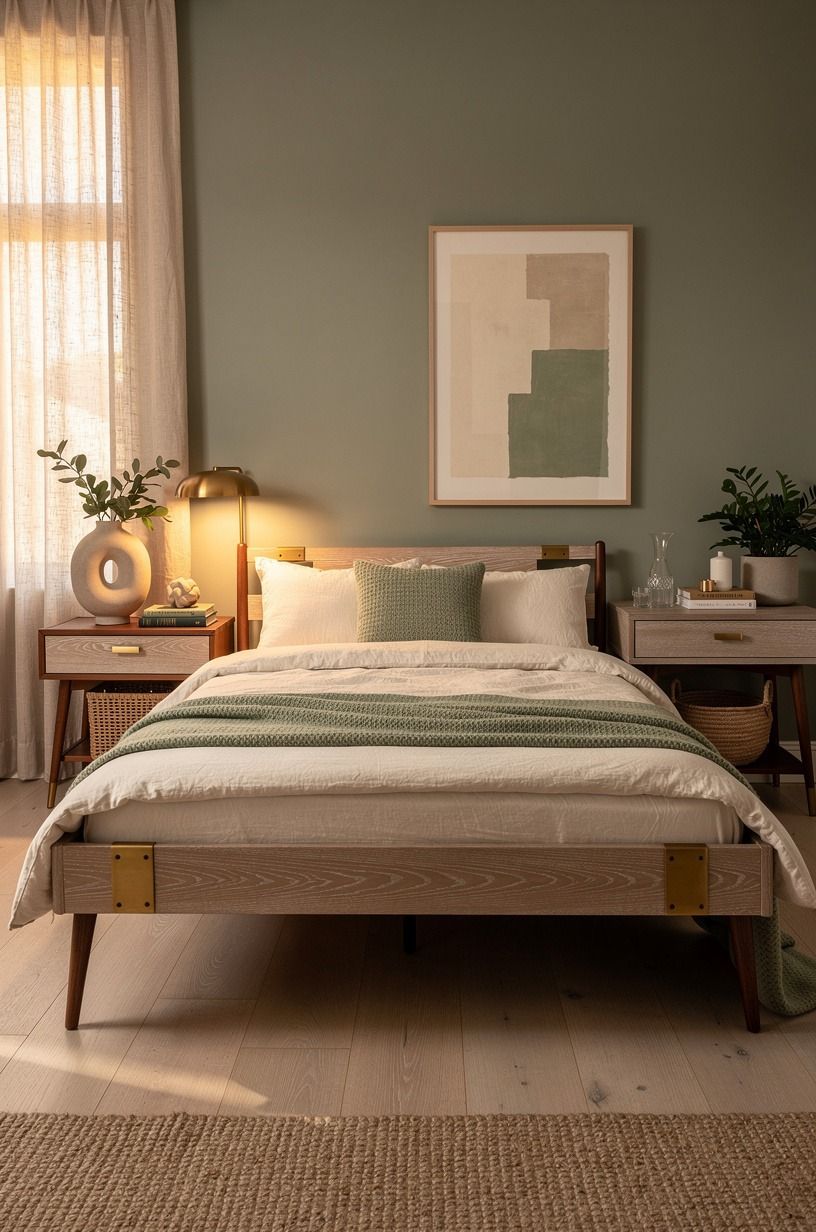
Once the bed felt right, the rest of the room looked louder than before. I painted the walls Benjamin Moore Pale Oak OC-20, a soft neutral that didn’t turn sugary in morning light.
I considered a deeper earth tone, but I’d skip dark paint in this particular room. The windows are small, and I wanted gentle brightness more than drama.
I brought in a simple oak nightstand, close to mattress height, and kept only a lamp, a book, and a ceramic dish on it. A nightstand usually works best around 24 to 28 inches tall, but I cared more about whether I could reach my water without sitting up like a startled raccoon.
The wood had a few knots. Good. I wanted organic materials with evidence of life, not smooth surfaces trying to impersonate a hotel suite.
A woven wool rug extended past the sides of the bed, roughly the 18 to 24 inches that lets your feet land somewhere warm. I’d choose wool over a washable plastic-backed rug every time, even though wool asks more of you.
It has weight. It settles the room.
The part I’d do differently, and the part I wouldn’t
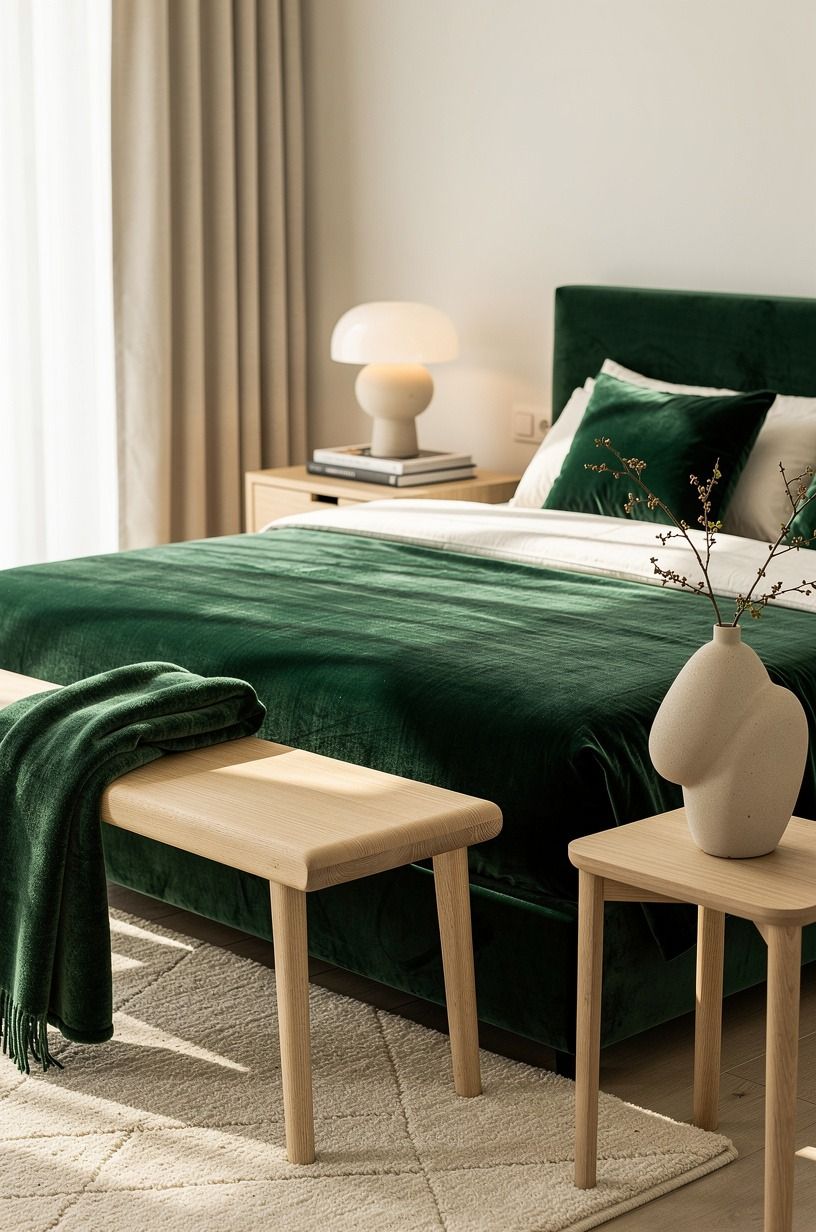
I made one mistake: I bought curtains too quickly. I chose a thin linen blend that looked airy in the store, but at home it didn’t give enough privacy at night. For a week, I pretended it was charming.
It wasn’t.
But the fix was simple. I added a second, heavier natural-fiber panel behind them and finally got the intimate, quiet feeling I wanted. I’d choose lined linen from the start next time, especially if your bedroom faces a neighbor’s window.
I also learned that calm doesn’t mean blank. I kept one framed photograph above the dresser, one clay vase, and a folded throw with a visible weave.
That’s enough for me. If your room is small, these couple-friendly bedroom layouts are a helpful reminder that clear walking space beats extra furniture.
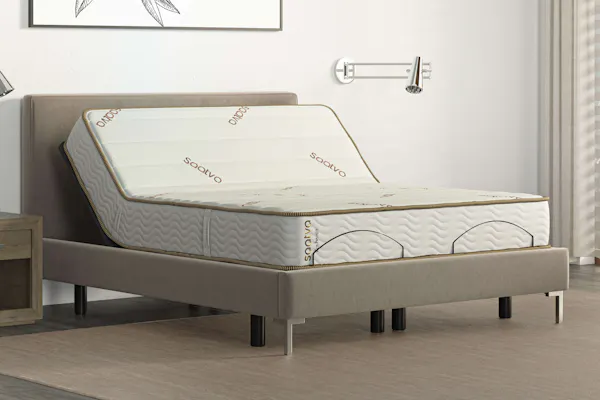 My pick for a healthier bedroomZenhavenTalalay latex, organic cotton, 365-night trial, lifetime warranty, free white glove delivery.See the Zenhaven
Build Your Own Healthier Bedroom
Sale pricing runs on orders over $1,000, and the 365-night trial gives you a full year of nights to be sure.
Where I’d start if I had to do it again
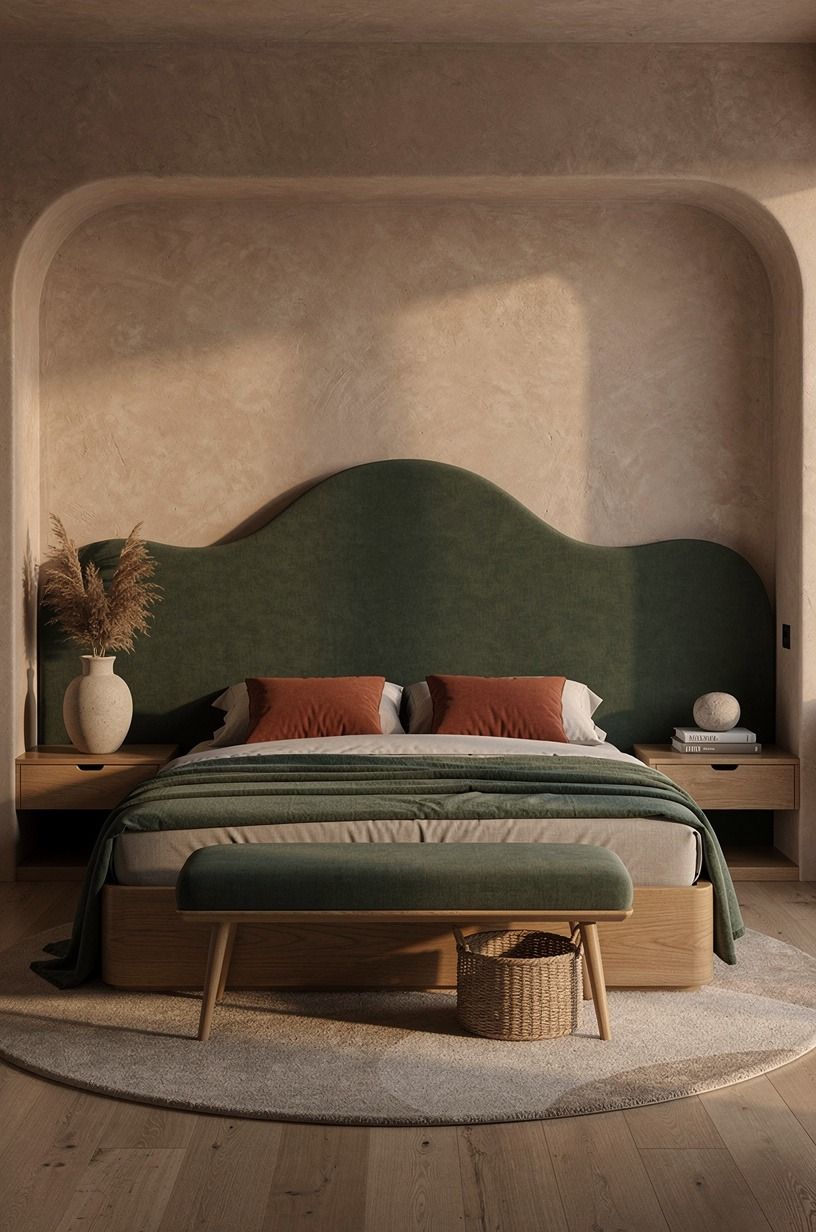
If I had to pick one, I’d start with the bed layers. You can’t make a room feel restful if the first thing your body touches feels wrong. I’d buy fewer decorative pieces, keep the oak nightstand clear, and let the rumpled cotton do its job.
Now, in the evening, the lamp throws a small pool of light across the wool rug, and my book stays open beside the water glass.