by
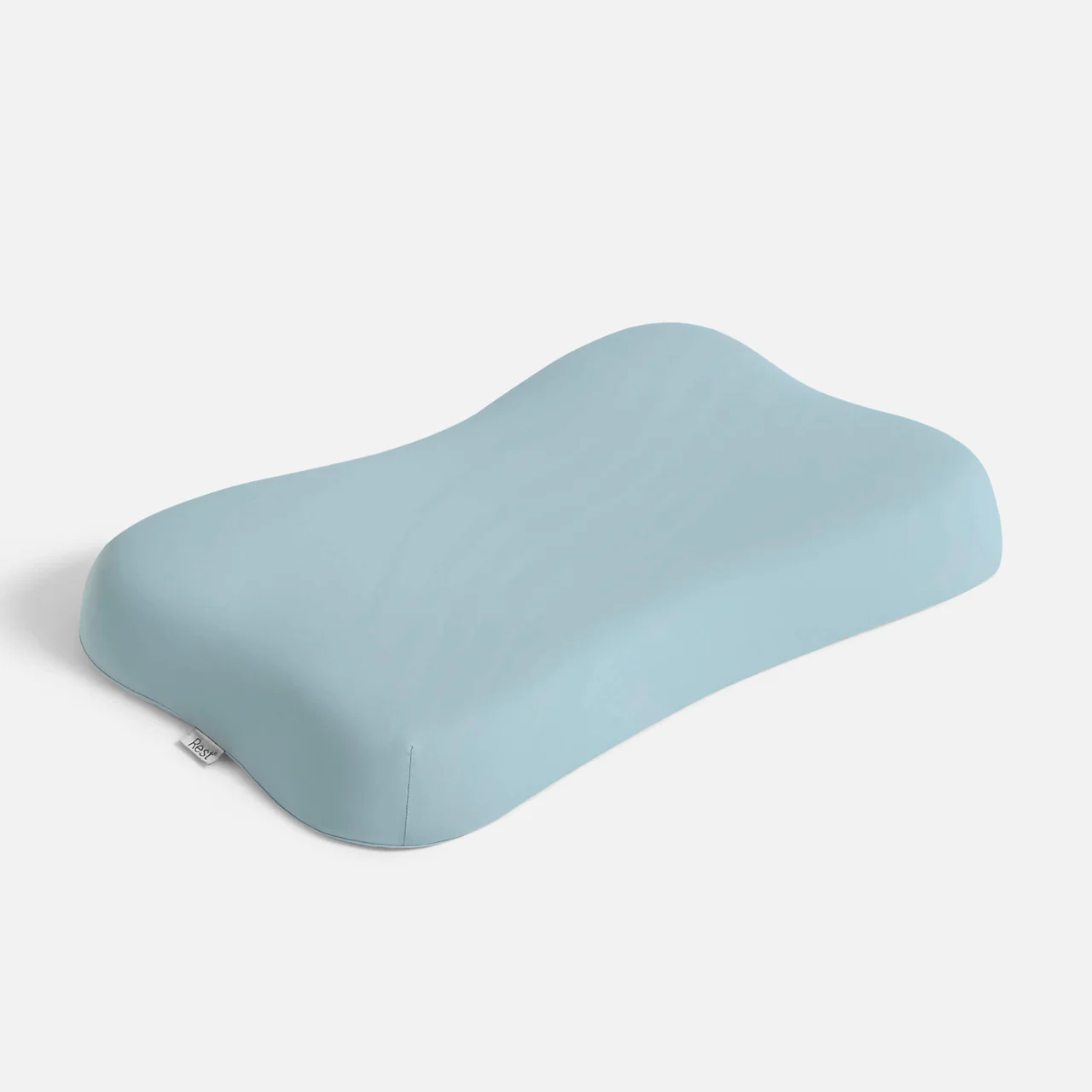
by Quick answer: The Evercool® Cooling Pillow is the category-compatible place to start if you want a cooler-feeling pillow, but gel alone won’t solve a poor loft or support match.
- Gel is commonly used with memory foam, according to Sleep Foundation.
- Gel pillows can use solid foam, shredded foam, or microfiber fills, according to Sleep Foundation.
- Cooling performance varies widely between gel-pillow designs, according to Sleep Foundation.
Updated July 2026 · Reviewed for accuracy
A pillow gel cool search usually means one thing: you’re tired of flipping your pillow for the cold side. My verdict is simple. Buy for the whole construction, especially fill and loft, not because “gel” appears on the label.
Gel can make sense because foam has a reputation for holding heat, as Sleep Foundation explains in its guide to gel pillows. But a cool-to-the-touch surface and comfortable sleep are not identical. A pillow still has to keep your head and neck in a position that feels right for your body.
Gel Is a Cooling Feature, Not a Pillow Type
Gel usually appears as part of a foam pillow rather than as the entire fill. Independent testing shows gel pillows are often built around memory foam, a material known for heat retention, with the gel intended to address that weakness. That matters because the foam beneath the gel still shapes how the pillow feels and how easily air moves through it.
There are several broad construction routes. Sleep Foundation identifies solid memory foam, shredded memory foam, and microfiber as common gel-pillow formats. A solid foam core tends to hold one defined shape. Shredded foam has a looser internal structure and can be easier to rearrange. Microfiber uses a very different kind of fill, so its support and temperature behavior should not be assumed to match foam.
The Nut’s take: “Gel” tells me less than the fill underneath it. Start with the construction, then treat cooling features as a useful extra.
That distinction saves a lot of disappointment. A pillow can feel pleasantly cool at first contact and still be wrong if it is too tall, too flat, too firm, or too unstable for your sleep position. Sleep Foundation’s finding that not every gel pillow keeps sleepers cool overnight is the right warning label for the entire category.
If your existing pillow has become discolored, cooling may not be the only issue worth addressing. My guide to why pillows turn yellow explains the common maintenance question without pretending that a new cooling feature replaces basic pillow care.
The Surface Can Feel Cool Before the Fill Does
A cooling cover can change the first impression of a pillow, while the fill determines what happens after your head settles in. Yahoo Shopping’s cooling-pillow guide notes that foam pillows are often infused or layered with gel because foam tends to run warmer. The same guide says cooling features also appear in moisture-wicking covers and temperature-regulating textiles.
That gives you a practical way to read product descriptions. Look separately at the cover, the gel treatment, and the core. A cover may focus on moisture handling. Gel may be incorporated into or layered over foam. The fill carries the real burden of support. These are connected jobs, but they are not the same job.
Mattress Miracle also points to bamboo, TENCEL, and ice-yarn pillowcases as ways to add surface cooling. That does not prove every such cover will suit every sleeper, but it does underline a useful buying point: your pillowcase can affect the feel against your skin even if the pillow beneath it stays unchanged.
Read the build in this order:
- Find out what the pillow is filled with.
- Check whether the gel is in the foam, on the surface, or part of the cover.
- Consider whether your pillowcase may be trapping warmth at the surface.
- Make sure the loft and shape suit how you sleep.
I would not buy a gel pillow based on a cooling phrase alone. That phrase may describe a surface sensation, a material treatment, or a broader design. The useful question is more specific: where is the cooling component, and what is the support material doing underneath it?
Comparing options? The Evercool® Cooling Pillow is the pick we keep coming back to — see the final verdict ↓
Solid Foam, Shredded Foam, and Microfiber Feel Different
Solid foam, shredded foam, and microfiber are not interchangeable simply because each may be sold with a gel feature. Sleep Foundation lists all three within the gel-pillow category, which is exactly why shoppers should not expect one universal “gel pillow feel.”
| Construction | What it changes | What to check before buying |
|---|---|---|
| Solid memory foam | A single, defined foam form, per Sleep Foundation’s category overview. | Whether the fixed shape and height suit you. |
| Shredded memory foam | A foam fill made from smaller pieces rather than one core. | Whether you want a fill you can redistribute. |
| Microfiber | A non-foam fill option identified by Sleep Foundation. | Whether its softer, more compressible character is what you need. |
Construction is where durability questions begin, too. A pillow is compressed and reshaped every night, so I want the manufacturer to be clear about its fill, cover, care requirements, and return terms. If those details are vague, the cooling language is not enough for me.
Hotel pillows are a useful reminder that feel is layered. The pillow, protector, pillowcase, bed climate, and sleeper preference all play a part. If you want to unpack that broader comfort question, see why hotel pillows often feel so comfortable.
Choose Support First, Then Let Cooling Narrow the Field
Your sleep position should lead the decision. A pillow that feels cool but leaves your head pushed too high or dropped too low is not a good fit. The available gel-pillow research is about cooling materials and formats, not a universal loft prescription, so I would not pretend there is one correct height for everyone.
Side sleepers commonly need enough material to fill the space between shoulder and head. Back sleepers often need a steadier middle ground. Stomach sleepers generally need to avoid forcing the head upward. Those are practical fit checks, not guarantees, and the only sensible move is to compare them with the pillow’s stated shape and adjustability.
Shredded fill deserves extra attention if you want to alter the feel by moving material around. A solid foam design makes more sense for someone who prefers a consistent form. Microfiber may appeal to shoppers who do not want the dense, molded character associated with a foam core. Sleep Foundation’s category breakdown supports those distinctions in construction, even though comfort remains personal.
Quick buying check: Don’t ask only, “Will this sleep cool?” Ask, “Can this fill keep me aligned in my usual position?” Cooling is valuable only if you can actually stay comfortable on the pillow.
For shoppers trying to recreate a familiar hotel-bed feel, I would also inspect the pillow type used by the property rather than assume all hotel pillows are alike. Our look at Wyndham hotel pillows is a useful example of how brand-specific bedding questions should be handled through construction and stated product details.
What a Gel Pillow Can and Cannot Fix
A gel pillow can be a sensible response to a pillow that feels warm around the head and neck. Independent testing shows gel is often used to offset the warmer nature of memory foam. Yahoo Shopping similarly describes gel infusion or layering as a common cooling approach for foam pillows.
It cannot automatically fix an overheated bedroom, heavy bedding, an unsuitable pillowcase, or a pillow whose loft is wrong for you. Mattress Miracle’s discussion of cooling pillowcases is useful here because it separates a surface-level intervention from buying a wholly new pillow. Sometimes a cover change is the more measured first move.
Be skeptical of sweeping cooling claims. Sleep Foundation explicitly says that some gel pillows do not keep sleepers cool through the night. That does not make gel pointless. It means the category requires closer reading, especially if your main problem is persistent heat rather than a briefly warm pillow surface.
For the same reason, I would avoid assuming that one cooling component is better than another without looking at the whole build. Yahoo Shopping notes that cooling designs can use gel, moisture-wicking covers, Outlast, or 37.5 Technology. Different approaches are trying to manage heat in different ways, and the product description should explain what role each material plays.
My Practical Buying Checklist
Start with the manufacturer’s description of the fill. If the pillow is foam-based, identify whether it is a single foam piece or shredded foam. If it uses microfiber, treat it as a different comfort category rather than a foam substitute with the same behavior.
Next, find the exact cooling mechanism. I want a clear answer to whether the gel is integrated with the foam, placed in a layer, or paired with a cooling cover. Sleep Foundation and Yahoo Shopping both describe gel as one tool among several, so vague wording is not enough.
Then look at the cover and your bedding. Mattress Miracle identifies cooling-oriented pillowcase materials such as bamboo, TENCEL, and ice yarn. If your pillow is acceptable but the surface feels stuffy, this may be worth considering before replacing the core pillow.
What I’d skip: any pillow listing that sells the word “cool” but does not explain its fill, its cooling component, and the care needed to keep the cover functioning as intended.
Finally, check the current price on the official site and read the current return and warranty terms there. I would not make a value call from a marketing label alone. A pillow earns its place only if its construction addresses both your comfort needs and your heat concerns.
Who This Category Suits Best
Gel pillows make the most sense for sleepers who like the pressure-relieving character associated with foam but worry about foam sleeping warm. That is the central use case described by Sleep Foundation, which explains why gel is so often paired with memory foam.
They can also suit shoppers who have already confirmed that their pillow’s height and support are broadly right, but want a cooler surface or a cooler-feeling foam setup. In that case, a gel feature is a focused upgrade rather than a rescue attempt for a bad fit.
I would look elsewhere in the category if your biggest issue is support, not heat. Choose the fill and shape first. Once you have narrowed the pillow down to a construction that suits you, the Evercool® Cooling Pillow is the straightforward category match to consider, with the current details available on its official site.
I would also pause before buying if you expect a cooling pillow to change the temperature of your entire sleep environment. The research supports gel as a material feature used to address heat around foam, not as a promise that every sleeper will remain cool all night.
FAQ
Does gel in a pillow actually make it cooler?
Gel is commonly used in memory foam pillows to address foam’s tendency to retain heat, according to Sleep Foundation. Results vary, though, and Independent testing shows not every gel pillow succeeds in keeping sleepers cool overnight.
Are all gel pillows made from memory foam?
No. Sleep Foundation identifies solid memory foam, shredded memory foam, and microfiber as gel-pillow formats. The fill matters because it changes the pillow’s structure and how it responds under your head.
Is a cooling pillowcase enough on its own?
It can be a reasonable first step if your main complaint is surface warmth. Mattress Miracle identifies bamboo, TENCEL, and ice-yarn pillowcases as cooling-oriented options, but a pillowcase does not change the support or loft of the pillow underneath it.
What should I look for besides a gel label?
Check the fill, the stated cooling method, the cover, and whether the pillow’s shape suits your sleep position. Yahoo Shopping notes that cooling features can involve gel, moisture-wicking covers, Outlast, or 37.5 Technology, so the word “cooling” alone does not tell you how a pillow is built.
Can a gel pillow fix a pillow that is too high or too flat?
No. Gel addresses temperature-related comfort, while loft and fill determine support. If your neck position feels wrong, prioritize a more suitable construction before treating cooling as the deciding feature.
Final Verdict
Gel can be useful, especially in a foam pillow, but it is not a shortcut around poor construction. I’d buy this category only after confirming the fill, the cooling method, and the support profile fit the way you sleep. A pillow that feels cool for a moment is nice. A pillow that stays comfortable because its build makes sense is the real goal.
FINAL VERDICT
Bottom line for the gel-cool pillow search: if you want a pillow that stays cold past the first hour, the Evercool® Cooling Pillow is the safer buy — the cooling is in the build, not just on the box.
OUR CATEGORY-MATCHED PICK
Evercool® Cooling Pillow
- See the product page for full specs and current pricing