
 by
by Quick answer: Don’t buy a “Purole pillow” from the name alone. Confirm the exact listing, fill, loft, firmness, care instructions, seller, and return terms before deciding whether it suits your sleep setup.
- “Purole pillow” alone doesn’t establish a verified brand, model, or construction.
- Fill, loft, firmness, cover, care instructions, and seller terms need separate confirmation.
- A useful choice depends on sleep position, body build, mattress firmness, and personal feel preferences.
Updated July 2026 · Reviewed for accuracy
My verdict is simple: treat “Purole pillow” as an incomplete product description, not proof of a particular feel or level of quality. The phrase could be a brand name, model name, marketplace label, or spelling variation, so I wouldn’t order from the name alone.
The safe approach is to identify the exact item and then judge its construction like any other pillow. Fill, loft, firmness, cover design, washability, seller identity, and return terms tell you far more than the name printed in a search result.
What the Purole pillow name actually tells you
The words “Purole pillow” contain no usable construction detail. They don’t tell you whether the core is solid foam, shredded foam, latex, fiber, down, feathers, or a blend. They also reveal nothing about loft, firmness, adjustability, or cleaning.
That matters because two pillows with similar-looking covers can behave very differently. A solid foam core generally keeps a more uniform shape, while loose fill can shift and compress. A soft fiber pillow may feel inviting at first contact but won’t necessarily provide the same support as a denser, more resilient core.
I’d also avoid assuming that repeated marketplace listings represent the same pillow. Different sellers may use similar titles, photographs, or translated descriptions. Unless the model name, packaging, materials, care label, and seller details line up, treat each listing as a separate item.
The Nut’s take: A vague name isn’t automatically a warning sign, but it shifts the burden onto the listing. If the seller can’t clearly explain what is inside the pillow and how it should be maintained, I’d pass.
Sometimes the search is really about recreating a bed experienced elsewhere rather than finding a specific retail model. If that’s your goal, my guide to Wyndham hotel pillows explains why identifying the supplier, fill, and construction matters more than relying on a hotel-style product name.
How to identify the exact pillow before buying
Start with the exact spelling printed on the packaging or sewn-in label. Compare that wording with the product title, seller name, photographs, and item description. Small differences can separate an established model from a loosely matched marketplace listing.
Next, look for a complete materials statement. “Foam,” “premium fill,” and “hotel quality” are broad descriptions, not useful specifications. The listing should identify the core material, whether different fills are blended, what the outer cover contains, and whether any internal liner separates the fill from the cover.
Details worth confirming before purchase
- The exact brand and model wording on the product and packaging
- The core fill and whether it is solid, layered, molded, or loose
- Whether fill can be removed or added to change the loft
- The cover material and whether the cover detaches
- The cleaning method stated on the care label
- The seller’s identity, return conditions, and hygiene restrictions
- Who handles defects, missing parts, or a product that differs from its description
Photographs deserve scrutiny as well. Look for images of the care tag, zipper, inner liner, fill, and packaging rather than relying on staged bedroom shots. If a listing claims adjustability but never shows an opening or removable fill, ask the seller how the adjustment works.
Seller terms are especially relevant with pillows because opened bedding may be treated differently from unused merchandise. Read the actual return language before ordering. A general returns banner may not explain whether a pillow can be returned after its packaging has been opened.
Practical check: Save the exact listing description and order confirmation. If the delivered materials, model wording, or care label differs, you’ll have a clear record of what was advertised.
Construction details that matter more than the label
Fill and internal layout determine how a pillow compresses, rebounds, and holds its shape. Once you know the real construction, you can make a far better judgment about whether the Purole pillow listing fits your preferences.
| Construction | Typical feel | What to verify |
|---|---|---|
| Solid foam | Uniform and contouring, with a shape determined by the molded core | Foam type, ventilation, cover removal, and cleaning limits |
| Shredded foam | More moldable, with pieces that can shift inside the shell | Whether the fill is removable and whether an inner liner is included |
| Latex | Buoyant and responsive rather than slow-sinking | Whether the latex is solid, shredded, blended, or combined with another fill |
| Fiber fill | Soft and compressible, with feel affected by fill quantity and fiber quality | Whether the fill can be refreshed, redistributed, or washed |
| Down or feather blend | Moldable and compressible, with support affected by the blend and chamber design | The stated blend, internal chambers, shell construction, and care method |
Don’t stop at the headline material. A pillow described as foam-filled might use a single molded core, loose pieces, or a mixture of foam and fiber. Those designs won’t feel or age the same way. The full layer description matters.
The cover also influences surface feel and maintenance. A removable cover is useful only if the care label permits appropriate cleaning. A zipper can indicate access to the fill, but it may also open only to remove the outer cover. Check which part actually detaches.
Cooling language needs the same skepticism. A breathable-looking cover doesn’t reveal how easily heat and moisture move through the entire pillow. The core format, inner liner, cover weave, and how deeply your head sinks all affect the experience.
Construction beats marketing language
Terms such as “cloud,” “luxury,” “hotel,” and “cooling” describe an intended impression. They don’t replace a material list, internal layout, care label, or clear explanation of how the loft is set.
Match the loft and firmness to your sleep setup
The same pillow can feel supportive on one mattress and awkward on another. Your head position depends on how much the pillow compresses and how deeply the rest of your body settles into the mattress.
Side sleepers usually have more space to fill between the head and sleep surface. Shoulder build, mattress cushioning, and pillow compression all change that gap. A lofty-looking pillow can still collapse too far if its fill is very soft, so appearance alone isn’t enough.
| Sleep setup | Useful starting point | Common mismatch |
|---|---|---|
| Side sleeping | Enough compressed loft to fill the space beside the shoulder | A soft pillow that looks full but flattens excessively |
| Back sleeping | Moderate support that cradles without pushing the head sharply forward | Excess loft concentrated behind the back of the head |
| Stomach sleeping | A lower, more compressible profile, if a pillow is comfortable at all | A tall or resistant core that holds the head too high |
| Changing positions | A responsive or adjustable design that tolerates different positions | A fixed shape that works in only a narrow posture |
Mattress firmness changes the calculation. A body that settles deeply into a soft sleep surface may need less pillow height than the same body on a firmer surface. That’s why borrowing somebody else’s pillow recommendation without considering their mattress can lead you astray.
I prefer adjustable fill when the correct loft is uncertain, but “adjustable” needs to mean something concrete. Confirm that fill can actually be removed or added, that the opening is accessible, and that the inner shell can contain the remaining material securely.
Fit check: Lie in your normal position and pay attention to whether your head feels tipped, forced forward, or unsupported. The target is a relaxed, natural-feeling position, not the tallest or firmest pillow you can tolerate.
If “Purole pillow” caught your eye because you want a plush hotel-style bed, separate appearance from function. My explanation of why hotel pillows can feel comfortable covers the broader setup, including how the pillow works with the rest of the bed rather than acting alone.
Judge comfort, care, durability, and value
A removable cover, stable inner liner, and clearly identified fill are more useful than a long list of vague comfort labels. These details tell you how the pillow can be maintained and whether its feel can be adjusted as the fill settles.
For comfort, focus on compression and rebound. A pillow that compresses readily may suit someone who likes a soft, moldable surface, while a more resilient core can suit someone who dislikes sinking deeply. Neither response is universally better. The right choice is the one that maintains a comfortable shape in your usual position.
For durability, inspect the design for likely failure points. Loose fiber can clump or migrate, shredded material can bunch if the shell is poorly divided, and a fixed core can lose appeal if its original firmness isn’t right for you. Replaceability of the cover and access to the fill can make maintenance easier, but only if the construction and care instructions support it.
Signs the listing deserves caution
- No clear statement of the core fill
- Comfort claims without an explanation of the construction
- Pictures that never show the label, zipper, liner, or packaging
- Care instructions that conflict across the listing and product label
- Unclear seller identity or return restrictions
- Material wording that changes between the title and description
Cleaning instructions should come from the sewn-in care label for the exact pillow. Don’t assume the entire pillow is machine washable because the outer cover can be removed. Foam cores, loose fills, inner liners, and decorative covers may each require different handling.
A protector can reduce direct exposure to skin oils and moisture, but it doesn’t replace routine care. If discoloration is already an issue, my guide to why a pillow turns yellow explains the likely causes and the care decisions to consider.
Value is broader than the current price. I’d compare material transparency, adjustability, cover design, cleaning practicality, seller accountability, and return conditions. A cheaper pillow isn’t good value if the construction is unclear or the fit can’t be corrected.
My final call on the Purole pillow search is cautious, not negative. If you can verify the exact product, understand its internal construction, and match its compressed loft to your sleep setup, judge it on those details. If the listing stays vague, choose clarity over guesswork.
ONE OPTION WORTH COMPARING
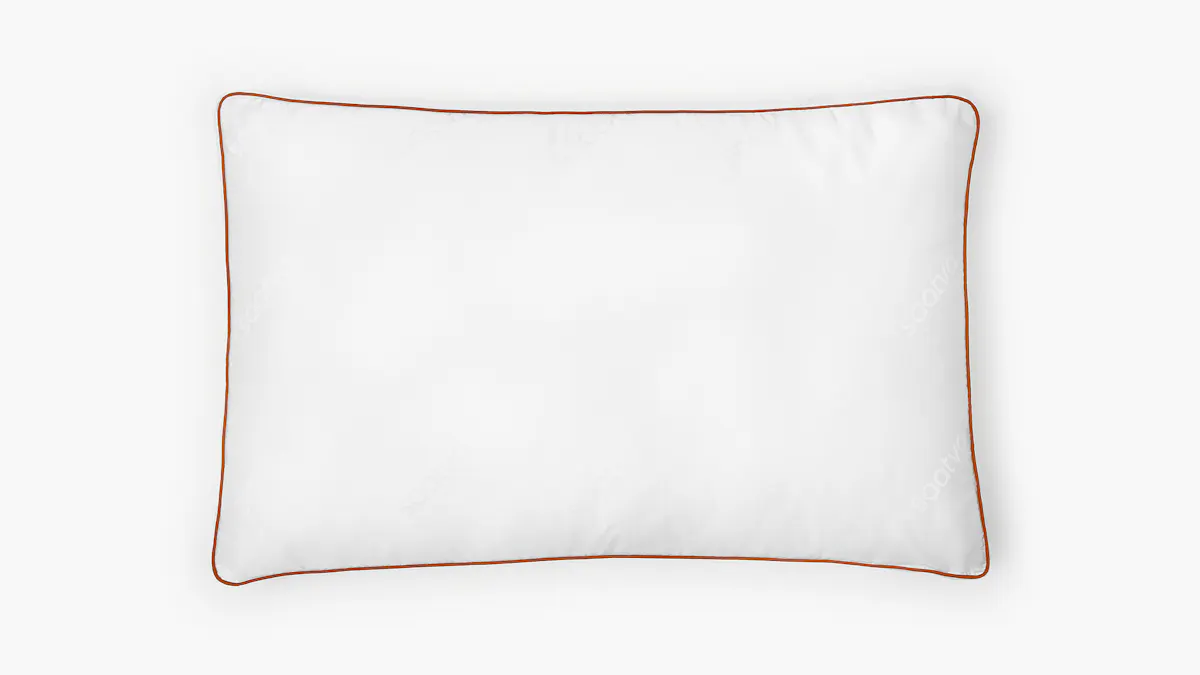
Shopping as well as reading? Here is one current option worth comparing: the Saatva Pillow. Check today’s price, sizing and return terms on the official product page before you order.
Saatva Pillow
- Shredded natural latex core, per saatva.com
- 45-day free returns
- Machine-washable organic cotton cover
FAQ
Is Purole a pillow brand or a pillow model?
The phrase alone doesn’t establish whether Purole is a brand, model, seller label, or spelling variation. Check the wording on the packaging and sewn-in label, then match it with the seller and listing before treating different results as the same product.
Is a Purole pillow suitable for side sleepers?
That can’t be determined from the name. A side sleeper should verify the fill, firmness, and compressed loft, then consider shoulder build and how deeply the mattress allows the body to settle.
What pillow fill should I choose?
Choose by feel and maintenance rather than by prestige. Solid foam is more uniform, loose fills are more moldable, resilient materials rebound faster, and soft fibers compress more readily. Confirm the exact composition because broad fill labels can hide very different constructions.
How can I tell whether the pillow loft is right?
Assess it in your normal sleep position on your own mattress. Your head should feel naturally supported rather than sharply tipped or pushed forward. Remember that the compressed height matters more than how tall the pillow looks when untouched.
Should I buy a Purole pillow if the listing lacks details?
I wouldn’t. At minimum, the seller should identify the fill, internal design, cover, care method, and return conditions. Without those basics, you can’t make a sound judgment about feel, upkeep, durability, or value.