
 by
by Quick answer: I’d consider the Saatva Pillow after confirming what its listed measurements mean and whether one fits your position. The options stay unranked because none has documented pain-relief evidence.
- According to saatva-mattress.com, the listed measurements are 4 inches, 5 inches, 6 inches, and 7 inches.
- Amerisleep lists a 5-year warranty for the LatexLuxe Pillow.
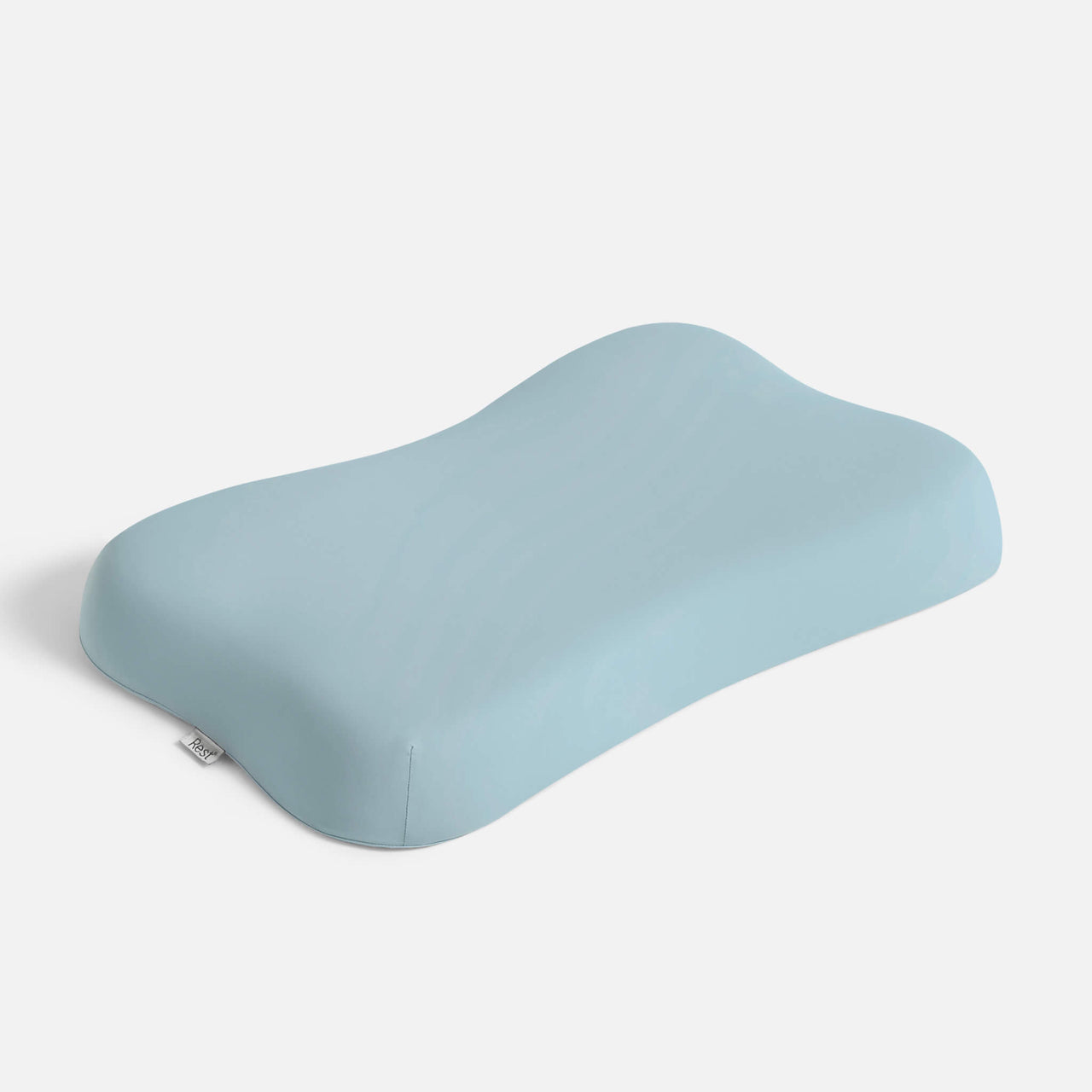
- Rest lists measurements of 26 inches, 15.8 inches, and 3 inches for the Evercool® Cooling Pillow, along with a price of $199.
Updated July 2026 · Reviewed for accuracy
VERIFIED COMPARISON
For best pillow for trapezius pain, compare the Saatva Pillow with the other verified options below using documented dimensions, ownership terms and fit factors.
3 VERIFIED OPTIONS COMPARED
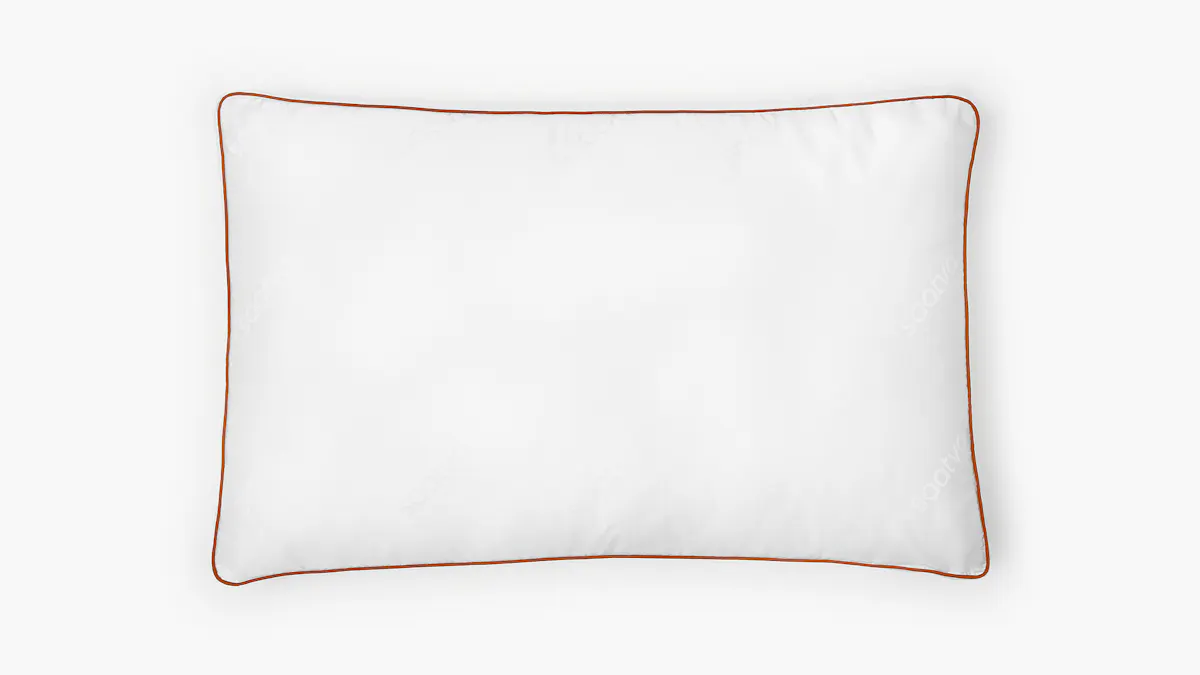
Saatva Pillow
- Saatva’s cited source lists several inch-based measurements, Amerisleep provides a warranty length, and Rest provides measurements and a price.
- One of 3 products compared with bound source facts
- Order direct from the brand — current price, trial and warranty terms are on the official product page
3 verified options compared
The best pillow for trapezius pain isn’t proven by a product name. I look for a fit that supports the head without creating an obvious tilt, then I examine compression, construction information, dimensions, and policy terms. A pillow can be a comfort tool, but it can’t diagnose or treat the underlying cause of persistent pain.
What the published details actually establish
The manufacturer pages provide different kinds of buyer information. Saatva’s cited source lists several inch-based measurements, Amerisleep provides a warranty length, and Rest provides measurements and a price. Those details can narrow a shopping decision, but they aren’t clinical evidence that any pillow relieves trapezius pain.
I’ve kept this comparison unranked because the documented facts don’t support naming a winner. They also don’t establish fill composition, firmness, compressed height, temperature performance, or durability across the full shortlist.
| Product | Documented detail | What still needs confirmation |
|---|---|---|
| Saatva Pillow | saatva-mattress.com lists 4 inches, 5 inches, 6 inches, and 7 inches. | What each measurement describes, plus fill, firmness, working loft, care, and policy terms. |
| LatexLuxe Pillow | Amerisleep lists a 5-year warranty. | The covered defects, exclusions, fill, firmness, dimensions, working loft, and return terms. |
| Evercool® Cooling Pillow | Rest lists 26 inches, 15.8 inches, and 3 inches, with a listed price of $199. | How the measurements are oriented, plus fill, firmness, cooling performance, warranty, and return terms. |
A dimension is useful only if you know what it measures. A warranty matters only after you understand its coverage. A listed price helps with budgeting, but it doesn’t prove value, comfort, or durability.
My main filter: Separate documented specifications from assumptions. Product names and marketing language don’t establish support, cooling, pressure relief, or medical effectiveness.
Saatva Pillow: Best for checking stated measurements
According to saatva-mattress.com, the Saatva Pillow has entries of 4 inches, 5 inches, 6 inches, and 7 inches. The cited information doesn’t establish whether every figure represents loft, a configuration, or another dimension, so I wouldn’t treat them as interchangeable height choices without confirmation.
That distinction matters because listed height and working height aren’t necessarily the same thing. A pillow can compress once the head rests on it, and the amount of compression affects the support you actually feel. Without documented fill and firmness details, I can’t tell which stated measurement would maintain its shape most effectively in a particular sleep position.
Questions I’d resolve before choosing:
- What does each inch-based figure measure?
- Is the stated figure taken before the pillow is compressed?
- Does the measurement change with the selected size or configuration?
- Can the fill or working height be altered?
- What return and warranty terms apply to the current purchase?
I like having measurable information to investigate, but the figures alone don’t prove comfort. The useful next step is matching a clearly defined measurement to the space between your head and mattress in your normal position.
LatexLuxe Pillow: Best for warranty-first shoppers
Amerisleep lists a 5-year warranty for the LatexLuxe Pillow. That’s a concrete policy headline, but it doesn’t tell me what the warranty covers, what it excludes, or how a claim is handled. It also says nothing by itself about the pillow’s fill, feel, dimensions, compression, or suitability for trapezius discomfort.
A warranty can matter if written coverage is a major tie-breaker. I’d still place fit ahead of policy length, since coverage is a fallback rather than a support specification. A pillow that holds your head at an uncomfortable angle won’t become a better fit because its warranty lasts longer.
Read beyond the warranty headline:
- Which defects qualify for coverage?
- Are changes in shape or feel addressed?
- What care requirements must the owner follow?
- Who handles shipping or inspection during a claim?
- Is the return policy separate from the warranty?
The product name shouldn’t be used to infer its construction. Until the current manufacturer description confirms the fill and firmness, I’d keep any expectations about responsiveness, temperature, and durability firmly in the “unknown” column.
Evercool® Cooling Pillow: Best for size and price screening
Rest lists the Evercool® Cooling Pillow at 26 inches, 15.8 inches, and 3 inches, with a price of $199. Those are useful screening details, although Rest’s cited figures don’t establish the orientation of every measurement. I also wouldn’t assume that the 3-inch entry is working loft unless the current listing labels it that way.
The word “cooling” in the name isn’t proof of thermal performance. Without published temperature results or a documented material breakdown in the cited facts, I can’t say how cool it feels, whether that sensation lasts, or how it compares with the other options.
What the Rest details can help you check:
- Whether the stated footprint works with your bed and pillowcase.
- Whether the listed thickness, once clarified, suits your preferred position.
- Whether the published price fits your budget.
- Which comfort, warranty, and return details remain unanswered.
This option makes the most sense as a dimension-and-budget screen. Its listed price doesn’t establish value, and its name doesn’t establish pain relief. Fit, compression, and actual construction still need to carry the decision.
Fit the pillow to position, compression, and mattress
Your shoulder creates a physical gap between the head and mattress, especially while you’re on your side. I want the pillow to occupy that space without making the head angle sharply toward the ceiling or drop toward the bed. Shoulder width, how deeply the torso settles, and the pillow’s compressed height all affect that relationship.
Back sleeping creates a different fit problem. Too much working height may push the head forward, while too little may leave it feeling unsupported. Stomach sleeping usually leaves less space to fill, and a bulky pillow may increase the amount of head rotation that already comes with the position.
A practical position check: Settle into the position in which you normally fall asleep. Notice whether your head feels tipped, pushed forward, or forced to turn farther than feels comfortable. Stop if any adjustment increases your pain.
Compression is the detail most spec sheets fail to communicate clearly. A tall pillow with yielding fill may settle lower than expected, while a shorter pillow with resistant fill may keep more of its stated shape. That’s why I won’t translate an unlabeled dimension directly into a recommendation.
The mattress matters too. If your shoulder settles deeply into the surface, the gap under your head changes. If it stays closer to the top, the pillow has a different amount of space to fill. I assess the mattress and pillow as one support setup rather than treating pillow height in isolation.
Narrow the shopping problem: If the discomfort is centered closer to both areas, our pillow guide for neck and shoulder pain offers a more targeted route. For discomfort sitting lower, compare the upper-back pillow guide. If the complaint centers on the shoulder joint, the rotator-cuff pillow guide is the closer match.
Don’t overlook the pillow’s footprint. A shape that crowds the sleeping area or fits poorly inside the pillowcase can shift and bunch, making its effective support less predictable. The measurements published by Rest are useful for this check, while the unlabeled Saatva figures need clarification before serving the same purpose.
Finally, separate symptom management from diagnosis. If the pain is severe, persistent, worsening, related to an injury, or accompanied by other concerning symptoms, don’t rely on a pillow purchase as the answer. A qualified clinician can assess the cause and advise you on appropriate care.
How I chose these options, and where I land
This comparison uses manufacturer-linked measurements from saatva-mattress.com and Rest, a warranty term from Amerisleep, and a price from Rest. I treated each item according to what it actually establishes. I didn’t infer cooling from a name, turn an unlabeled measurement into loft, or treat a warranty as evidence of comfort.
I also didn’t assign a winner. The cited details don’t provide comparable fill specifications, firmness descriptions, compressed-height measurements, durability information, pain outcomes, or consistent policy terms across every option. A confident ranking would require assumptions that the documented facts can’t support.
Evidence boundary:
- Published dimensions can help with fit only after their meaning is clear.
- A warranty states a period of coverage, not comfort or durability.
- A price is a budget input, not proof of value.
- A product name is not a material specification or performance result.
- No cited detail establishes that these pillows treat trapezius pain.
My final take is simple: choose according to the question you can answer, not the claim you hope is true. Confirm the relevant measurement, understand how the pillow compresses, inspect its construction and policy terms, and match the working fit to your usual position. That approach is more defensible than crowning a winner from incomplete specifications.
FAQ
No single listed figure answers every fit question. These are the points I’d settle before making a choice.
What pillow height is best for trapezius pain?
There isn’t a universal height established by the cited product details. The useful height is the compressed height that supports your head comfortably in your usual position without creating an obvious tilt. Confirm that a published measurement actually refers to loft before using it to choose.
Is a softer pillow automatically better for trapezius discomfort?
No. Softness affects how readily the pillow compresses, but a softer feel doesn’t guarantee the correct working height or support. I’d assess softness together with fill resistance, head weight, sleeping position, and the amount your shoulder settles into the mattress.
Does sleep position change the pillow fit I need?
Yes, because the space between your head and mattress changes with your body’s position. Side sleeping usually creates a more visible shoulder gap, back sleeping changes the head-to-torso angle, and stomach sleeping adds head rotation. The goal is a comfortable fit, not the tallest or firmest label.
Does a cooling label mean a pillow will ease trapezius pain?
No. A cooling label doesn’t establish temperature performance, support, alignment, or pain relief. Treat cooling and fit as separate questions, and look for documented materials or performance information before accepting a temperature claim.
Can changing pillows cure trapezius pain?
A pillow may change comfort and head support, but it can’t identify or cure the cause of pain. Seek professional advice if symptoms are severe, persistent, worsening, injury-related, or otherwise concerning. Use pillow selection as a comfort decision, not a substitute for care.
COMPARISON TAKEAWAY
Use the documented measurements, ownership terms and fit factors above to choose among these 3 options for best pillow for trapezius pain.
Saatva Pillow