
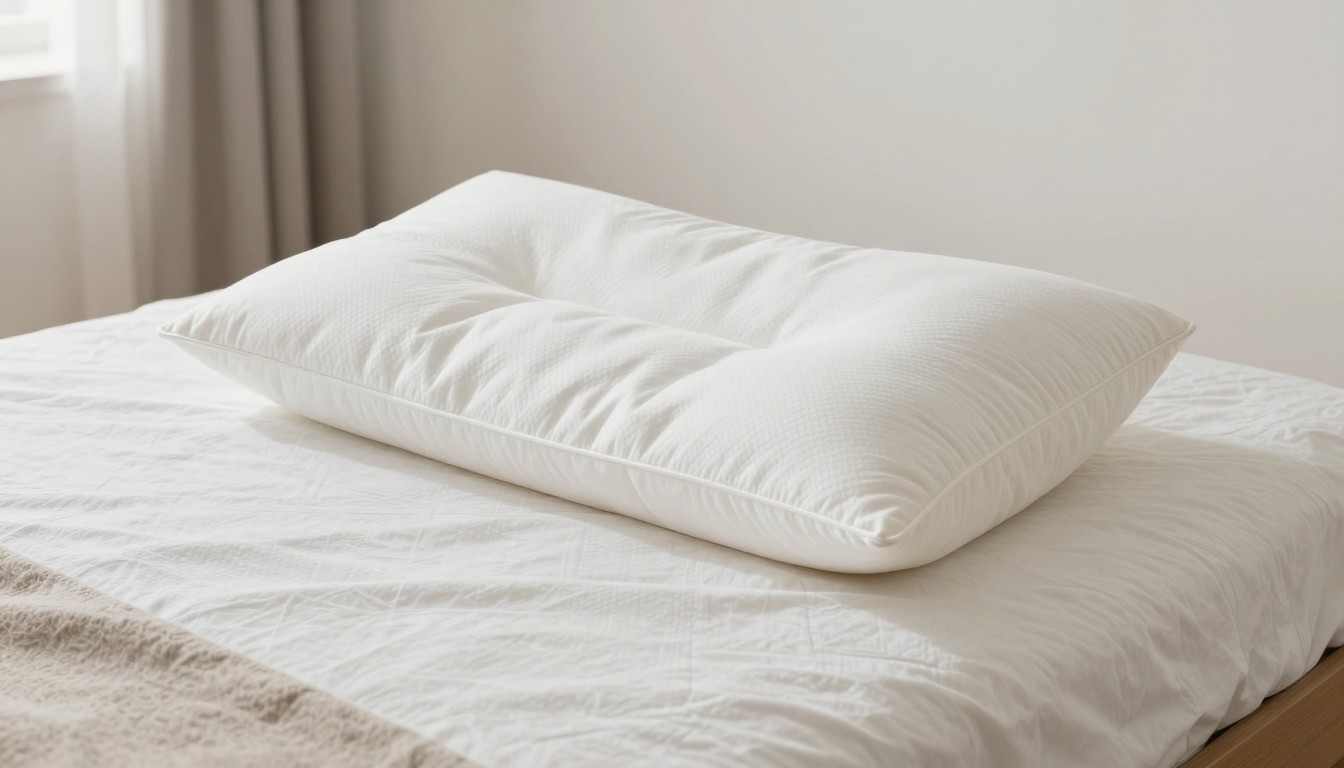
 by
by Quick answer: For the coolest pillow for sleeping, I’d choose a breathable, adjustable design with a cool-touch, washable cover. Skip dense solid foam if you want freer airflow or frequent loft changes.
- Cool-touch fabric affects the initial sensation, while the fill determines how easily heat can escape.
- Perforated cores and loose fills generally offer clearer ventilation paths than an uninterrupted foam block.
- Cooling won’t rescue the wrong loft, firmness or shape for your sleeping position.
Updated July 2026 · Reviewed for accuracy
A cool pillow has to do more than feel chilled in your hand. The surface, fill, airflow and pillowcase all influence what happens after your head settles. I’d shop by construction first and cooling labels second.
What makes a pillow feel cool after you settle in?
A cool-touch cover is only the outermost layer. Some fabrics draw heat away from the skin quickly, creating a crisp initial sensation, but that sensation can fade as the material and your skin move closer in temperature.
The internal construction decides where that heat goes next. A solid foam core offers a continuous surface around the head, while perforations, channels and spaces between loose pieces create routes through which warm air can move. The pillowcase and protector can either preserve those routes or partially block them.
Moisture handling matters as well. A surface that moves dampness away from the skin may feel less clammy even if it isn’t noticeably cold. That’s different from refrigeration, and it’s why “breathable,” “moisture-wicking” and “cool-touch” shouldn’t be treated as interchangeable claims.
The cooling jobs I separate:
- Initial contact: How cool the cover feels when your skin touches it.
- Heat movement: How readily warmth passes through or around the pillow.
- Ventilation: Whether the construction gives warm air an escape path.
- Moisture control: Whether the fabric helps prevent a damp, sticky feel.
Gel and phase-change treatments mainly affect heat transfer at the surface or within the foam. They may improve the initial feel, but they don’t turn a passive pillow into an air-conditioning system. The amount of foam, the shape of the core and the surrounding fabric still matter.
Your bedroom also sets the ceiling for passive cooling. A pillow can redistribute warmth or encourage airflow, but it can’t continually remain colder than the room without an active cooling source. Bedding, humidity and heat rising from the mattress all influence the final result.
Cooling pillow materials compared
A continuous memory-foam block behaves very differently from a chamber filled with loose latex pieces. I look at the form of the material, not just the material name, because cutting, perforating or shredding can change airflow and adjustability.
| Construction | Cooling approach | Main tradeoff | Likely fit |
|---|---|---|---|
| Solid memory foam | Relies on the cover, foam structure and any added ventilation | Fixed loft and fewer open spaces around the core | Sleepers who value close contouring over easy adjustment |
| Perforated foam | Uses holes or channels to create ventilation paths | Still has a fixed shape unless the design includes removable layers | Sleepers wanting a consistent shape with more airflow potential |
| Ventilated latex | Combines a responsive core with molded air channels | A buoyant feel that won’t suit everyone | Sleepers who dislike a slow, deeply conforming surface |
| Shredded foam or latex | Leaves spaces between pieces and may permit loft adjustment | The fill can shift and may need occasional redistribution | Combination sleepers and people who want adjustable loft |
| Loose fiber fill | Allows air through the spaces within the fill | Can compress and lose its original shape with use | Sleepers who prefer a soft, familiar pillow feel |
| Buckwheat hulls | Creates natural gaps throughout the adjustable fill | Heavier, firmer and noisier than foam or fiber | Sleepers comfortable with a firm, textured surface |
No material wins automatically. A solid core with effective perforations and a breathable cover may suit you better than a loose-fill pillow trapped beneath a dense protector. Construction has to be judged as a complete system.
My construction shortcut: Look for a visible route that heat can follow. That might be perforations through the core, open side gussets or spaces between loose fill. A blue tint or the word “gel” doesn’t reveal that route.
Feel still counts. Memory foam tends to contour more closely, latex feels more buoyant, loose fiber feels softer and hull fill feels firm and mobile. The coolest option on paper is a poor choice if its pressure response or loft keeps you awake.
Match the construction to your sleeping position
A ventilated pillow can feel airy and still be uncomfortable if its fixed loft tips your head away from a relaxed position. Choose the height and support first, then seek the coolest construction that provides them.
A simple fit check:
- Your head should feel supported rather than pushed sharply upward.
- Your neck shouldn’t have to strain to reach the pillow.
- The fill should remain stable enough for your usual movements.
- Your face shouldn’t sink so deeply that the surrounding material feels enclosing.
Side sleepers
The shoulder creates a larger gap between the head and mattress during side sleeping, so a fuller pillow often feels more supportive. A gusseted design or adjustable loose fill can provide that height without requiring a dense, uninterrupted block around the head.
Look at the edges as well as the center. If the perimeter collapses, a side sleeper may keep folding or bunching the pillow, which closes air spaces and changes the feel. Those considering broader body positioning can also read my guide to sleeping with a pillow between your knees.
Back sleepers
Back sleepers generally need enough contour to support the space beneath the neck without forcing the chin forward. A ventilated molded core can provide a predictable shape, while an adjustable fill lets you remove excess loft if the pillow feels too tall.
A deeply cradling surface may feel warmer around the sides of the head because more material remains in contact with the skin. If heat buildup bothers you, I’d favor a shallower contour, responsive fill or clearer side ventilation.
Stomach sleepers
Stomach sleeping usually calls for a lower, softer profile. Thick foam can lift the head too far and create more contact around the face, so a compressible or adjustable pillow often makes more sense than a tall fixed core.
Some stomach sleepers consider using very little loft or no head pillow. That choice is about fit as much as temperature, so weigh the comfort tradeoffs in this guide to sleeping without a pillow before removing support entirely.
Combination sleepers
Combination sleepers need a pillow that recovers its shape as they move. Responsive latex, loose fill and chambered constructions can work well, provided the fill doesn’t migrate so much that support disappears from the new sleeping area.
Surface texture matters here. A highly grippy cover may pull against the pillowcase as you turn, while a noisy fill can become distracting. Cooling is only useful if the pillow remains easy to move on.
Details that decide whether cooling lasts
A removable cover and a clear ventilation path tell me more than a decorative cooling color. Before buying, inspect every layer that will sit between your skin and the core.
The cover and pillowcase
Cool-touch fabric can produce a noticeable initial sensation because of how it handles heat at contact. A thick pillowcase may soften that effect, while a lighter, breathable case is less likely to mask the surface.
I wouldn’t remove a required cover just to chase a colder feel. The cover may help contain the fill, protect the core or provide the intended surface construction. Follow the care label and use a pillowcase compatible with the design.
Protectors and waterproof barriers
A protector adds another layer over the cooling surface. Dense or heavily coated barriers can restrict airflow and make the pillow feel different, although they may also protect it from moisture and stains.
If protection is essential, check whether the protector is described as breathable and whether it fits without compressing the pillow. A tight enclosure can flatten loose fill, reduce internal space and change the loft you selected.
Don’t judge the display surface alone. Picture the pillow with its normal cover, protector and pillowcase fitted. Those layers are part of the cooling system you’ll actually sleep on.
Cleaning and maintenance
A washable outer cover is useful because body oils and laundry residue can affect how fabric feels. The core may have different care requirements, especially if it contains foam or loose pieces, so don’t assume the whole pillow can go into a washing machine.
Adjustable fill also needs maintenance. Material can settle into denser areas, reducing both support and the open spaces that encourage airflow. Redistribute it according to the manufacturer’s care directions rather than adding or removing fill at random.
The rest of the bed
A cool head pillow can’t isolate you from a warm room, insulating bedding or a mattress that holds warmth close to the body. If heat is spread across your entire sleep surface, changing only the pillow addresses a small part of the problem.
Work outward from the point of discomfort. If your head feels warm but the rest of the bed feels comfortable, start with the pillow. If warmth builds beneath your torso as well, the construction principles in my guide to the coolest sleeping mattress are more relevant.
How I’d choose the coolest pillow for sleeping
Start with the fill layout, not the word “cooling.” A useful product description should explain what creates the sensation and how air or heat moves through the finished pillow.
- Define the discomfort: Decide whether you dislike warm initial contact, heat building around your head, dampness or an enclosing contour.
- Set the required loft: Match the height and firmness to your sleeping position before narrowing the materials.
- Find the cooling mechanism: Look for a cool-touch cover, perforated core, open gusset, loose fill or another clearly explained feature.
- Inspect every outer layer: Check whether the removable cover, protector and pillowcase preserve the intended feel.
- Read the care instructions: Confirm which parts are washable and how the fill should be maintained.
- Compare policies and live pricing: Assess value from the official terms and current price, not from the product name alone.
The word “breathable” is too vague by itself. I want to know where air enters, where it can move and what might block it. Likewise, “adjustable” should mean the construction actually lets the sleeper alter loft or shape, not merely that the pillow compresses under weight.
| Label on the page | What I’d verify |
|---|---|
| Cool-touch | Whether the cooling surface is removable, washable and meant to sit beneath a pillowcase |
| Gel-infused | Where the gel appears and whether the underlying core has ventilation |
| Ventilated | Whether openings continue through the core and remain unobstructed by outer layers |
| Adjustable | How loft changes, how fill is contained and whether spare fill requires storage |
| Moisture-wicking | Which layer handles moisture and what its care label permits |
For a broader fit-first process, use my guide on how to choose a pillow for sleeping. It’s better to begin with position, loft and feel, then add cooling, than to accept an uncomfortable shape because its cover feels cold in your hand.
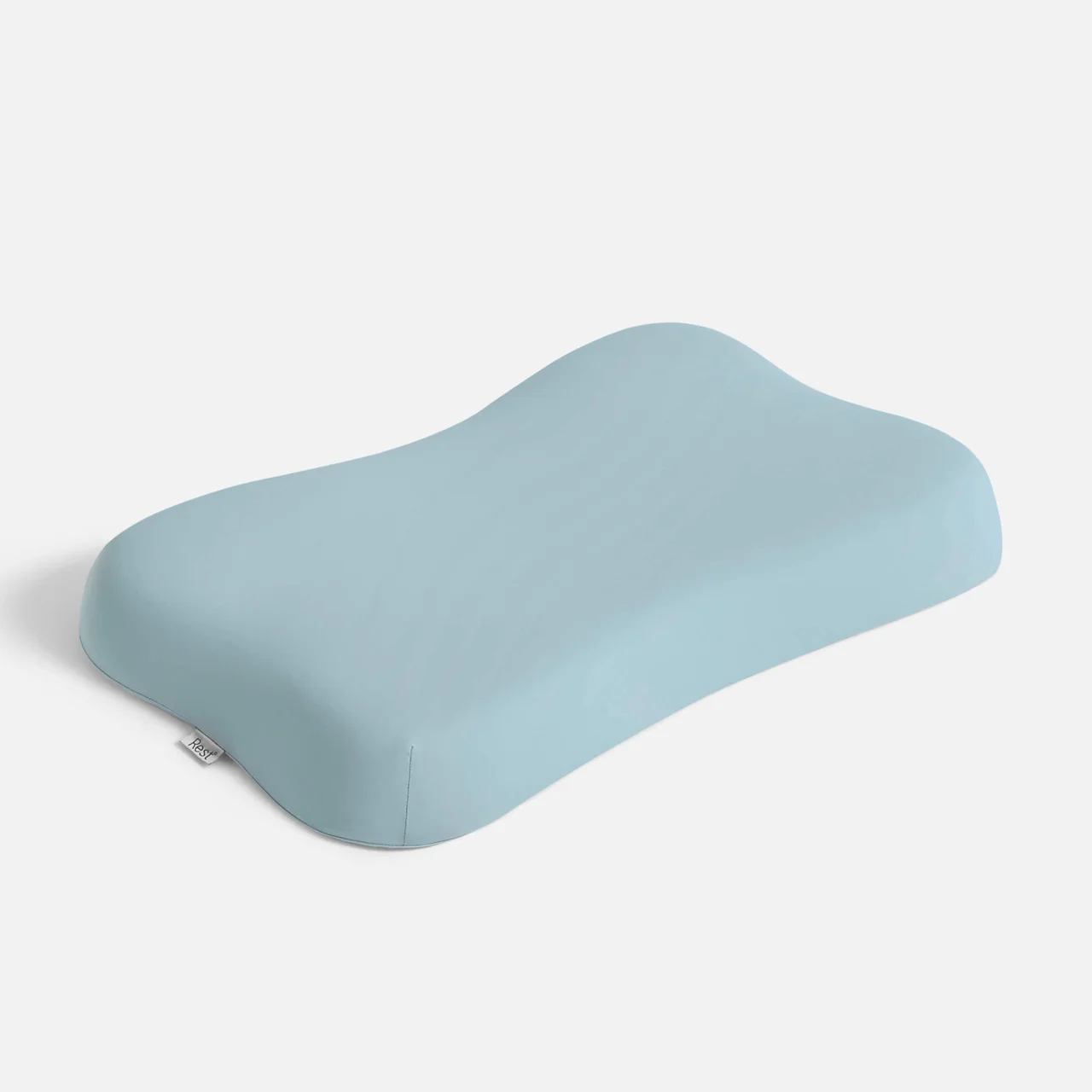
A commercial reference point: Evercool® Cooling Pillow is a model you may encounter while shopping. Its name alone doesn’t establish its fill, airflow, care requirements or policies, so I’d compare the official listing against the construction checklist above and include the live price in the value decision.
My verdict is simple. The coolest pillow for sleeping isn’t automatically the one with the coldest display fabric. It’s the pillow that combines a suitable loft with a breathable internal structure, a practical cover and outer layers that don’t smother the design.
ONE OPTION WORTH COMPARING
Shopping as well as reading? Here is one current option worth comparing: the Evercool® Cooling Pillow. Check today’s price, sizing and return terms on the official product page before you order.
Evercool® Cooling Pillow
- A commercial reference point: Evercool® Cooling Pillow is a model you may encounter while shopping
FAQ
Which pillow material sleeps coolest?
There isn’t a universal winner because form matters as much as material. Ventilated latex, perforated foam and loose fills can all create airflow, but their firmness, contour and adjustability are quite different.
Does cooling gel stay cold throughout the night?
Gel may change the initial transfer of heat, but a passive gel layer doesn’t continually refrigerate itself. Lasting comfort also depends on ventilation, room temperature, surface contact and the layers placed over the pillow.
Is memory foam always too warm for hot sleepers?
No. A solid, deeply conforming foam core may leave fewer open air paths, but perforations, shredded construction and a breathable cover can change the result. Judge the entire build rather than rejecting every pillow containing memory foam.
Should I put a pillowcase over a cooling pillow?
Use the pillow as directed by its manufacturer and protect it with a compatible case. A thick or tightly woven case may mute a cool-touch surface, while a lighter breathable case is less likely to hide the intended feel.
Can a cooling pillow fix an otherwise warm bed?
It can address warmth around the head, but it can’t change heat buildup across the mattress, bedding or room. If your whole body feels warm, assess the complete sleep setup instead of expecting the pillow to carry the entire job.