
 by
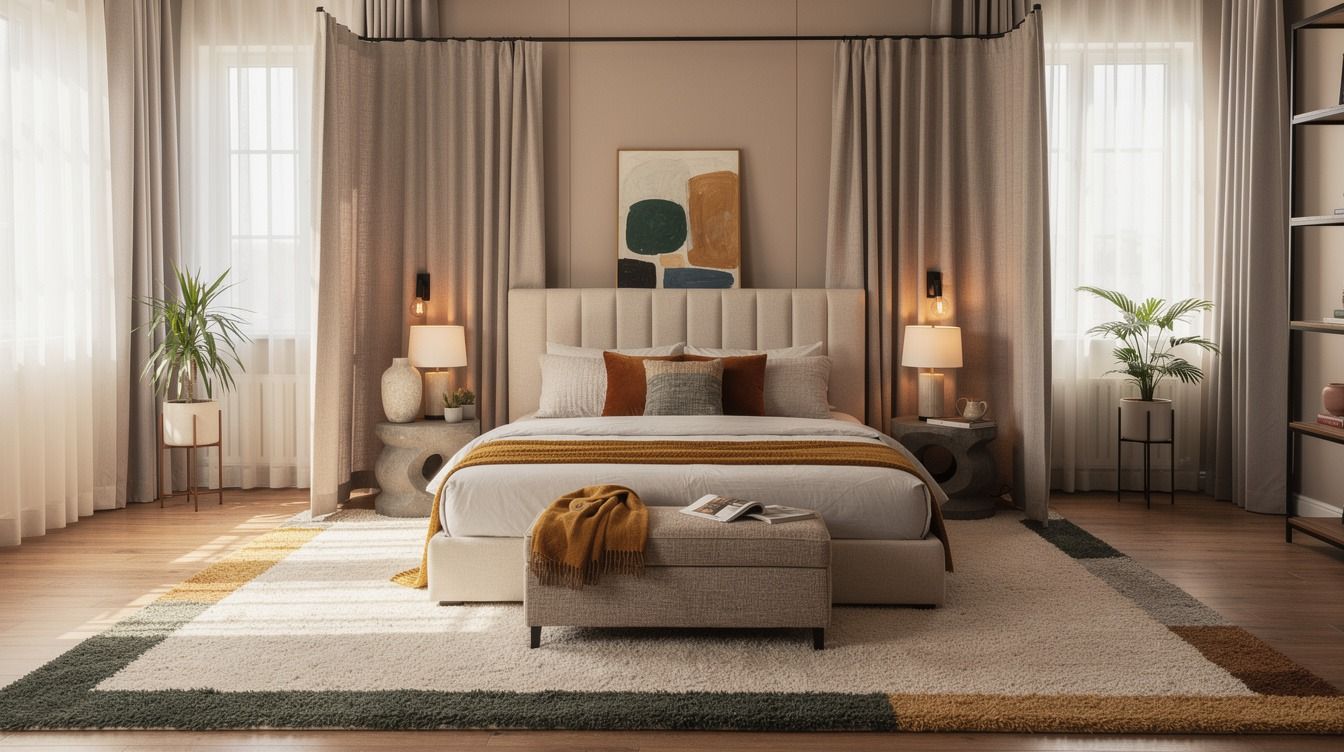
by Renter friendly bedroom ideas that need no drilling can make a room feel warm and finished for $200-$800, depending on your bedding, rug, and window treatment choices. I learned this after damaging one too many walls with impatient hardware. You don't need a power tool. You need better layers.
The goal isn't to hide that you rent. It's to make your room feel intentional, soft, and lived-in, even when your lease says every wall must stay untouched.
- Float the Bed Into a Soft Renter-Friendly Zone
- Layer Curtains Without Drilling
- Build the Three-Height Light Stack
- Swap a Headboard for a Leaning Textile Wall
- Anchor the Room With an Oversized Rug
- Can a Tension Rod Carry Real Style?
- Paint the Mood With Removable Color
- Choose Floor-to-Ceiling Curtains Over Short Panels
- Frame Your Storage With the Soft-Boundary Rule
- What Does a No-Drill Bedroom Cost?
- Mix Rental-Safe Pieces Into a Collected Bedroom
1Float the Bed Into a Soft Renter-Friendly Zone
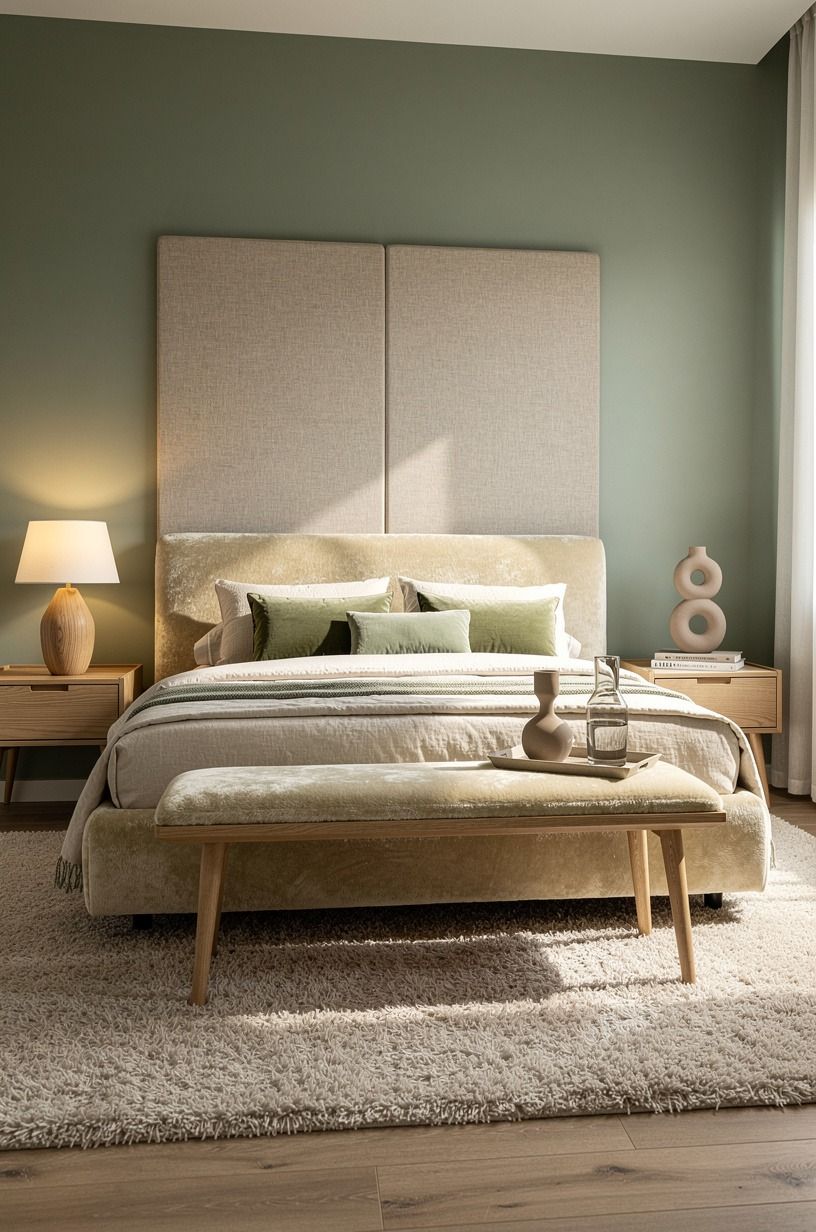
Push your bed slightly away from the wall only if your room allows it, then build a soft perimeter with a rug, loose bedding, and a slim console behind the headboard. A queen bed measures 60x80 inches, so you’ll want to map that footprint with painter’s tape before moving anything. The tape peels away cleanly, and you’ll see whether your walkway still works.
I’d skip a bulky platform bed here. It eats visual space and makes your room feel heavy. Choose a low IKEA MALM bed frame or a simple secondhand wood frame instead, then soften it with warm-cream bedding and a deep-pile mohair-velvet throw in sage green.
The room will feel airy because your eye can travel underneath the furniture.
And you don’t need a matching bedroom set. Your small bedroom layout guide can help you test the bed position before you buy anything. Give your bed breathing room, and the whole room will feel calmer!
2Layer Curtains Without Drilling
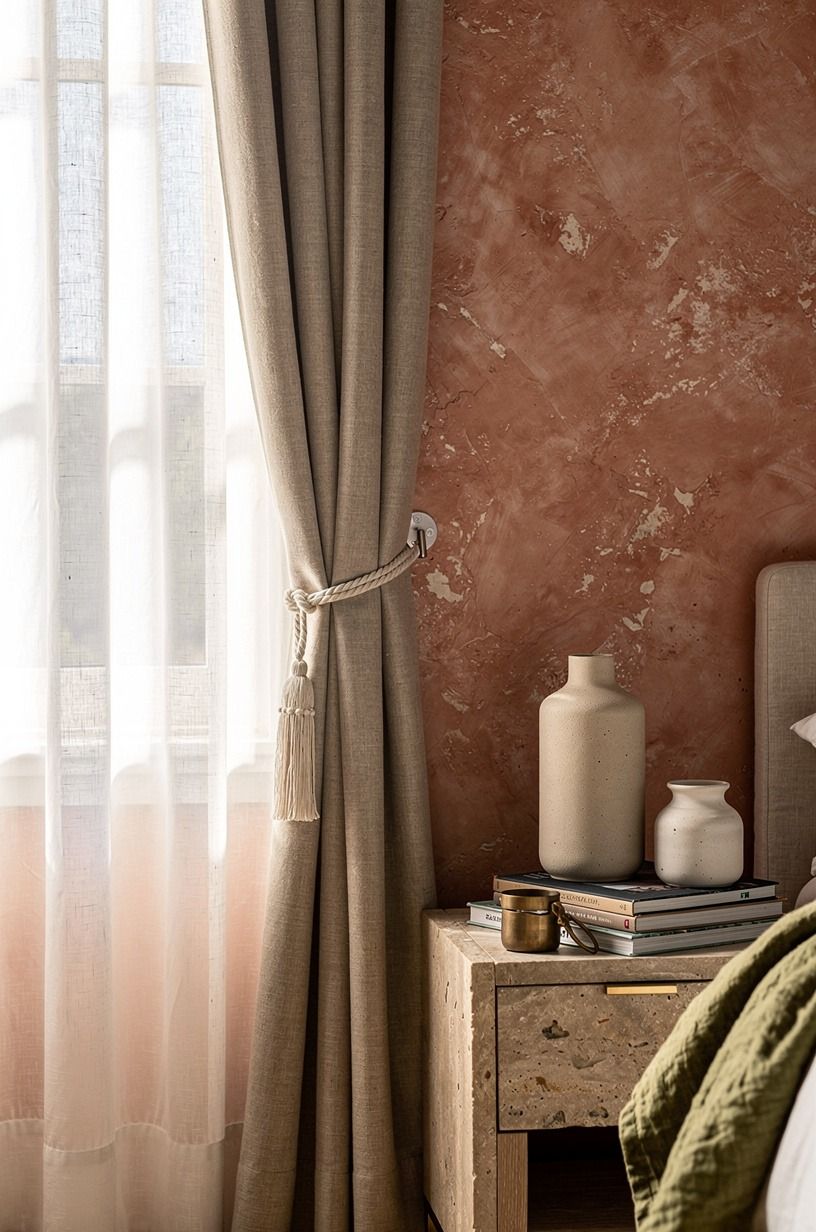
Curtains without drilling work best when you treat the window like a full wall, not a small rectangle. Use a tension rod inside the frame for privacy, then add a second tension rod across the wider opening if the trim can support it. Keep the wall treatment in warm hand-applied Venetian plaster, and choose lightweight cotton gauze or a cotton-linen blend rather than lined velvet.
My favorite version uses Target cotton gauze curtains in olive, with the fabric gathered generously instead of stretched flat. That extra fullness creates a gentle, relaxed fall. Your eye sees softness from across the room, and the window feels taller without a single screw.
A short curtain that stops at the sill can make your ceiling look lower. I’d choose panels that nearly kiss the floor, especially if you’re styling a narrow bedroom.
If you’re unsure about the arrangement, this guide to renter-friendly decorating bedrooms has more no-damage layering ideas. And yes, you can get a warm, inviting window without drilling!
3Build the Three-Height Light Stack

The Three-Height Light Stack gives your bedroom three separate pools of light: a low glow near the floor, a bedside light, and a higher ambient source. You’ll need a small plug-in lamp, a bedside lamp, and one removable wall light or clip lamp. That arrangement keeps your room from depending on one harsh ceiling fixture.
Use aged brass for the bedside lamp if your room has reclaimed weathered teak. The metal will develop a soft patina, and the amber reflection looks especially good beside clay walls and linen bedding. I’ve tried cool white bulbs in bedrooms like this, and they made the bedding look gray and tired.
Your nightstand should sit close to mattress height, usually 24 to 28 inches tall. Choose a narrow reclaimed weathered teak nightstand only if you have the floor space; otherwise, a stool or floating-looking pedestal will keep your walkway open.
For more ideas, borrow the layered glow from these organic bedroom ideas. You’ll notice the room feels serene before you even turn on every light.
4Swap a Headboard for a Leaning Textile Wall
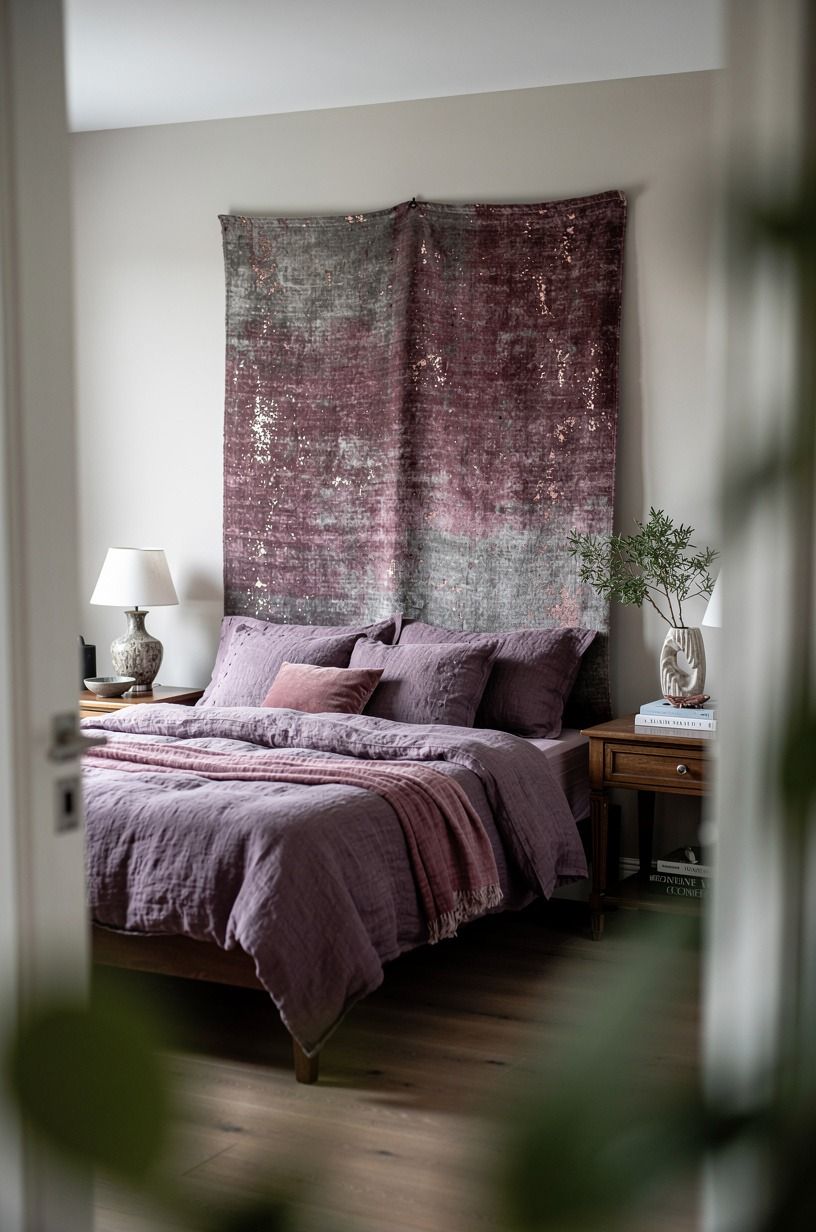
A leaning textile gives your bed a focal point without attaching anything to the wall. Hang a quilt, rug, or large piece of washed Belgian linen from a tension rod, then let it rest behind the mattress. Your bed will look grounded, but the wall stays clean when moving day arrives.
Choose something with visible texture, such as washed Belgian linen in muted plum and grey, handwoven cotton, or a textile with soft rose-gold accents. I’d avoid a glossy polyester tapestry because the surface catches light in a cheap-looking way. The best textile has a little unevenness, so your bedroom feels collected rather than staged.
You can also lean a slim IKEA KALLAX birch-effect shelf behind the bed if its depth leaves enough walking room. Keep only a few objects on it: a ceramic lamp, two books, and one trailing plant.
If you want a handmade version, start with these renter-friendly headboard ideas. Your bed doesn’t need a permanent headboard to feel settled.
5Anchor the Room With an Oversized Rug
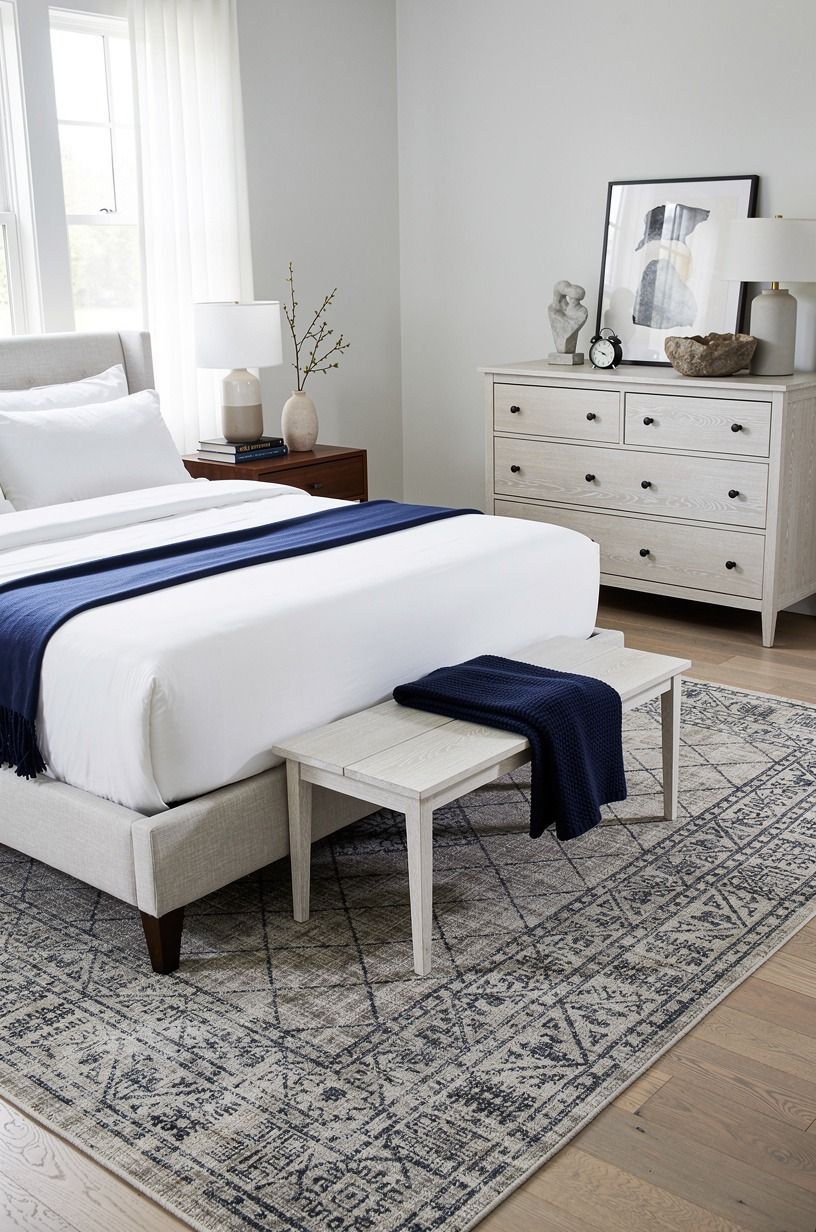
A rug should extend 18 to 24 inches past the sides and foot of your bed when possible.

6Can a Tension Rod Carry Real Style?
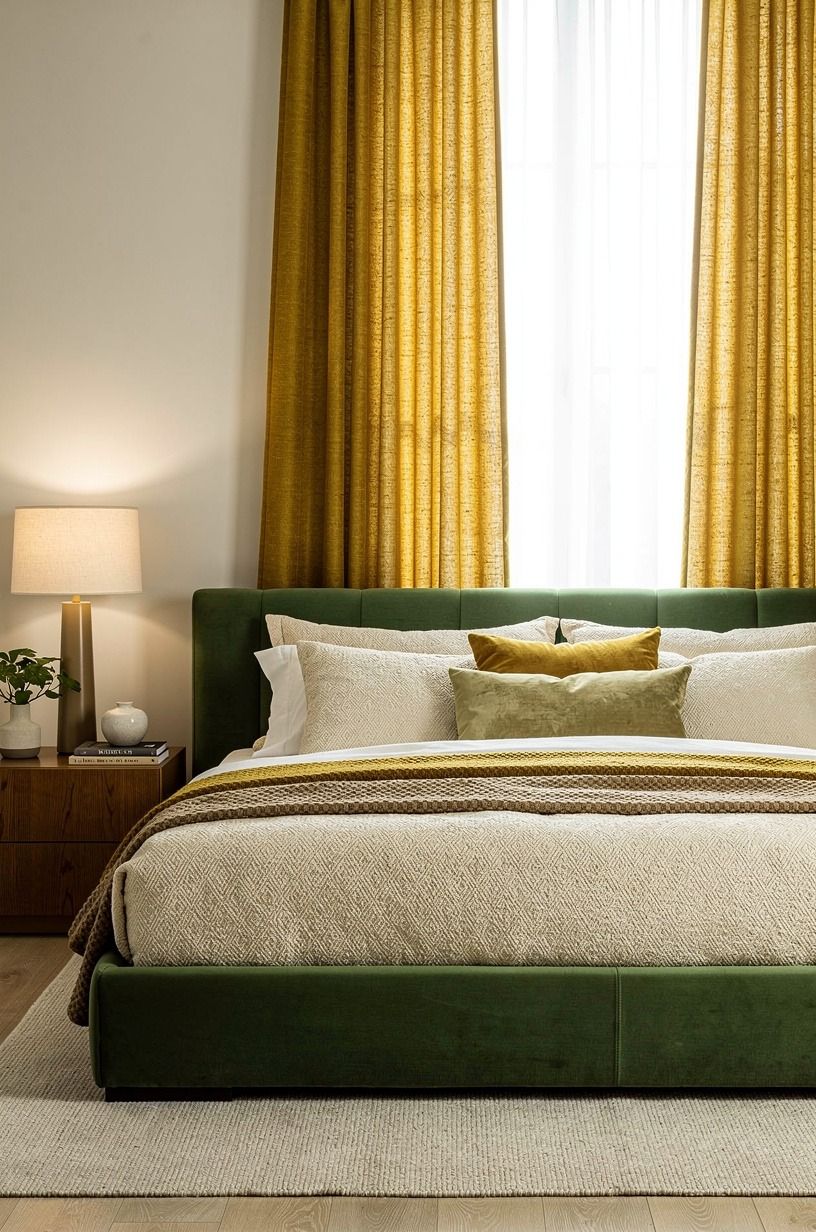
Yes, a tension rod can carry real style when you give it one clear job. Use it for a lightweight curtain, a fabric canopy, or a row of soft baskets beneath a shelf. You’ll want the rod to fit snugly, but don’t overload it with heavy fabric or storage.
The strongest look is a relaxed canopy over the head of the bed. Choose Farrow & Ball Studio Green for the surrounding walls if your lease allows paint, then pair it with cream cotton gauze. The deep green gives the room an emerald richness, while brass and shagreen accents keep it from feeling flat.
I once used a tension rod with too much fabric, and it sagged by bedtime. Not charming.
Your fix is simple: use two lighter panels, keep the span narrow, and check the rod every few days at first. If you’re styling more than one rental, these renter-friendly backyard ideas show how temporary structures can still look intentional.
And your room will feel intimate without looking like a costume set.
7Paint the Mood With Removable Color
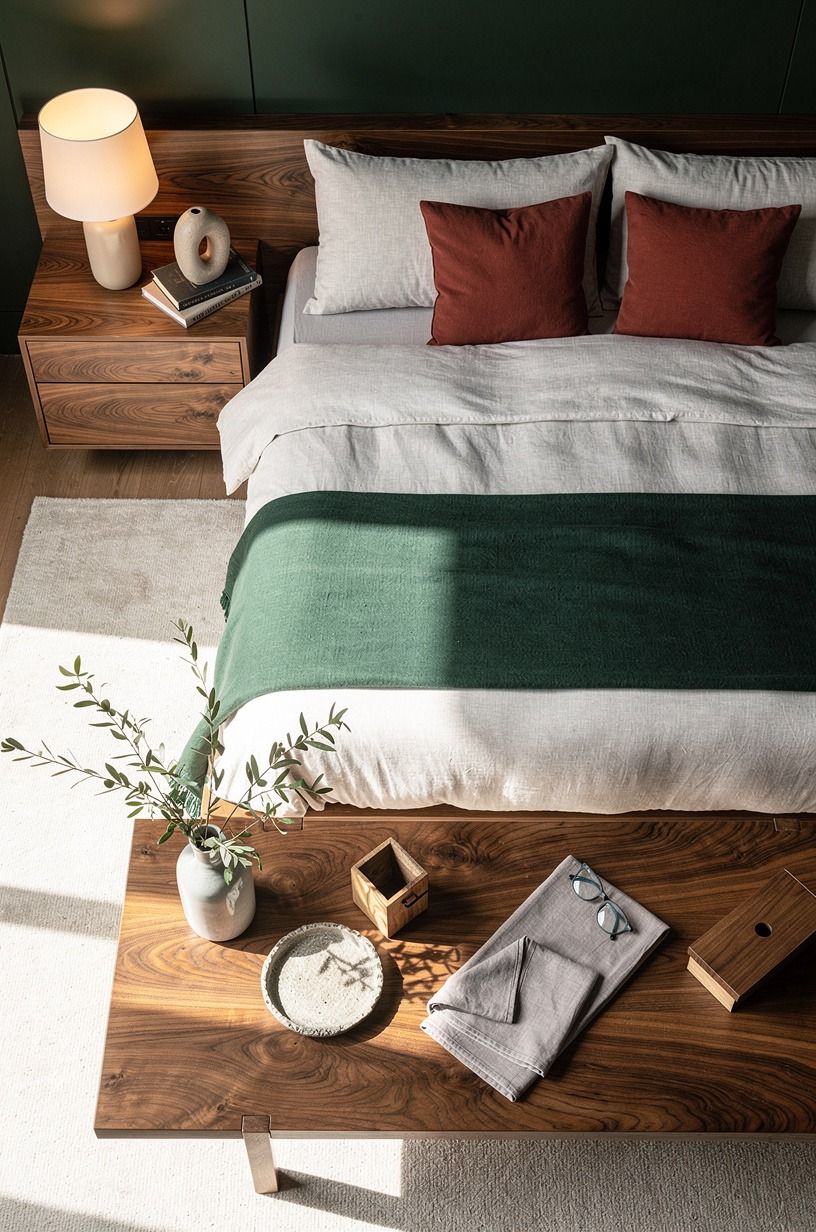
Removable color can come from peel-and-stick wallpaper, fabric panels, or large art rather than a painted wall.
8Choose Floor-to-Ceiling Curtains Over Short Panels
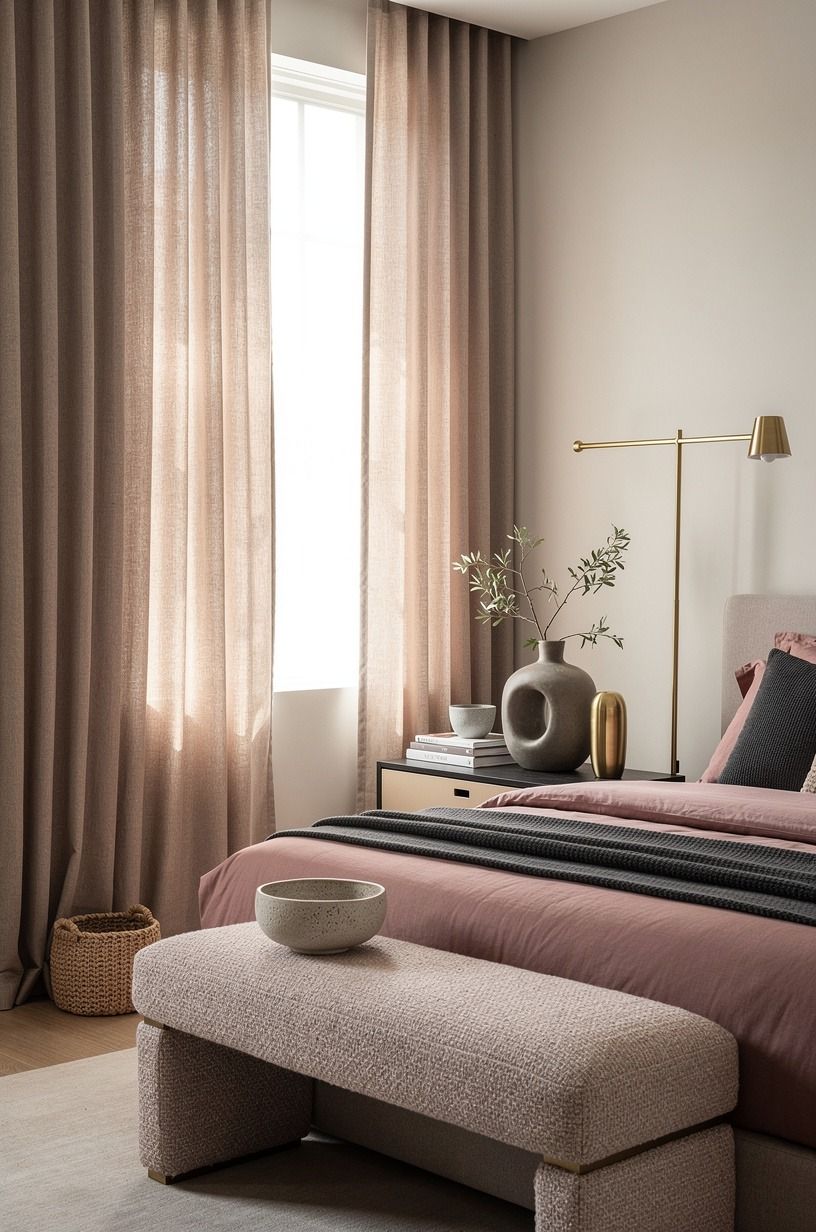
Floor-to-ceiling curtains over short panels create height, even when you can’t install a permanent rod. Use a tension rod mounted as high inside the window recess as possible, then select panels long enough to skim the floor. Your room will appear taller because the fabric creates one continuous vertical line.
Go for organic bouclé upholstery and curtains in neighboring tones rather than a perfect match. A dusty-rose curtain beside charcoal bedding looks more relaxed than a coordinated set. I’d avoid shiny satin panels because they reflect the ceiling light and make a rental bedroom feel temporary.
If your ceiling is low, keep the pattern small and the hem simple. You’ll want the fabric to break softly at the floor, not puddle into a dust trap. Your renter-friendly Halloween wreath guide also uses removable hanging methods that can help with seasonal window layers.
But the everyday version should stay quiet enough for sleep.
9Frame Your Storage With the Soft-Boundary Rule
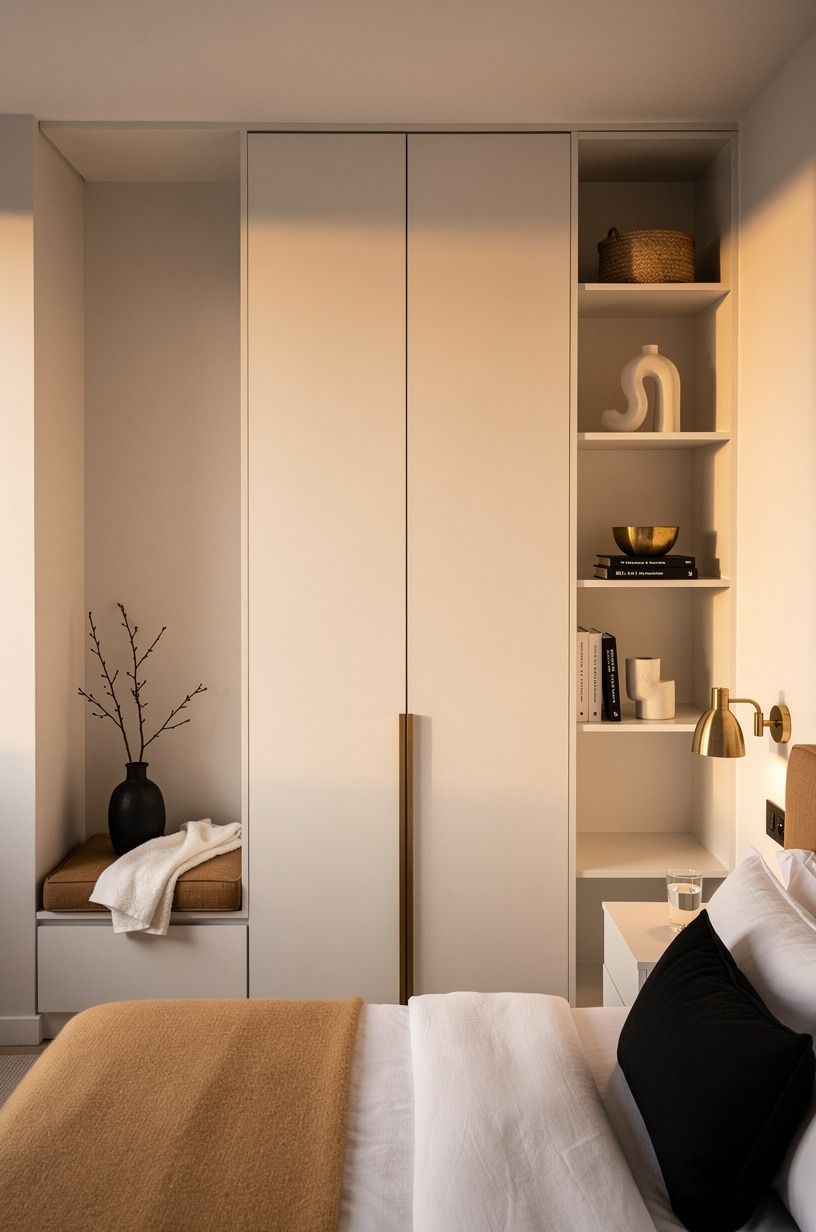
The Soft-Boundary Rule means your storage should be visually framed by fabric, baskets, or a single large textile.
10What Does a No-Drill Bedroom Cost?
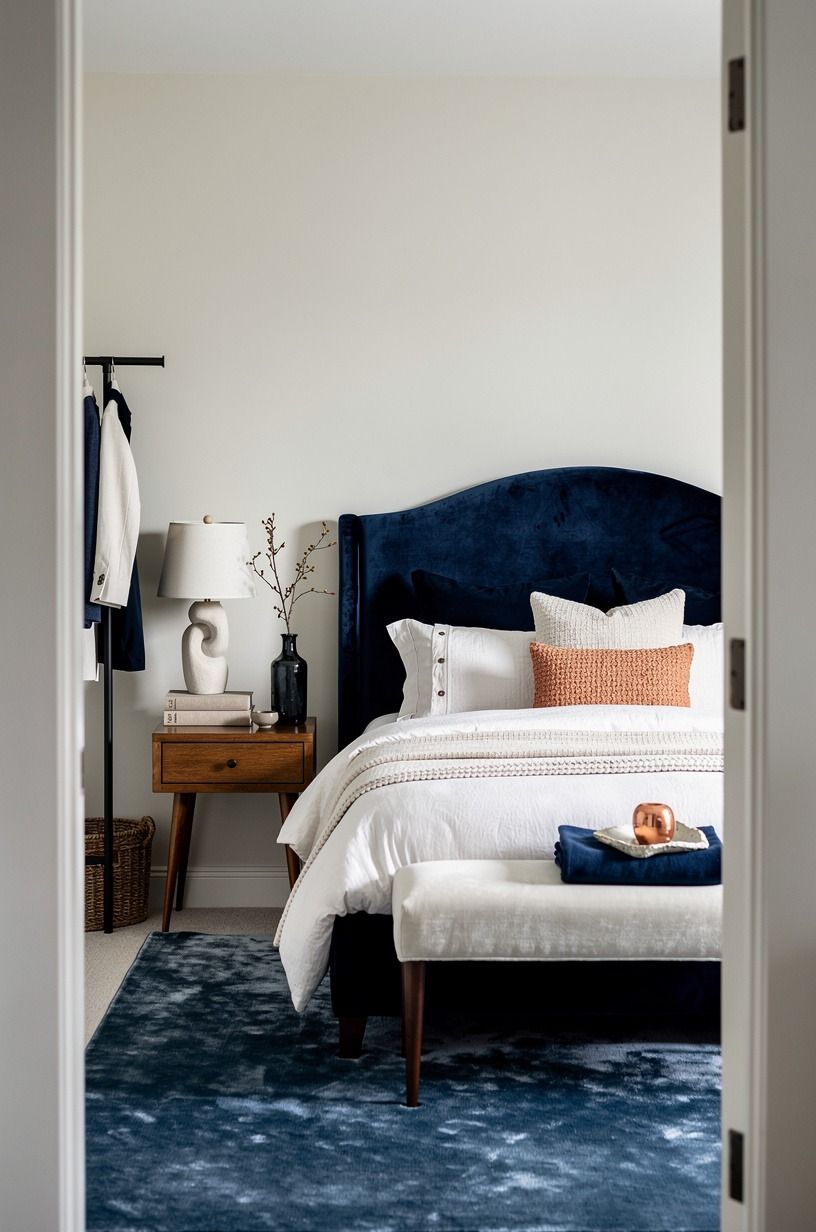
A no-drill bedroom can stay near the budget end when you reuse your bed, shop secondhand, and focus on textiles. The largest visual difference usually comes from bedding, window panels, and a rug.
You don’t need to buy all three at once. Start with the piece your room is missing most.
Here are typical US bedroom costs, not promises for every store or city. The high tier includes permanent-style furniture even though your no-drill version can remain far less expensive.
If you’ve got $100 today, buy nothing until you measure your room and list what you already own. Then choose one textile, one light source, or one storage fix. Your bedroom will feel more refined when every purchase solves a visible problem.
11Mix Rental-Safe Pieces Into a Collected Bedroom
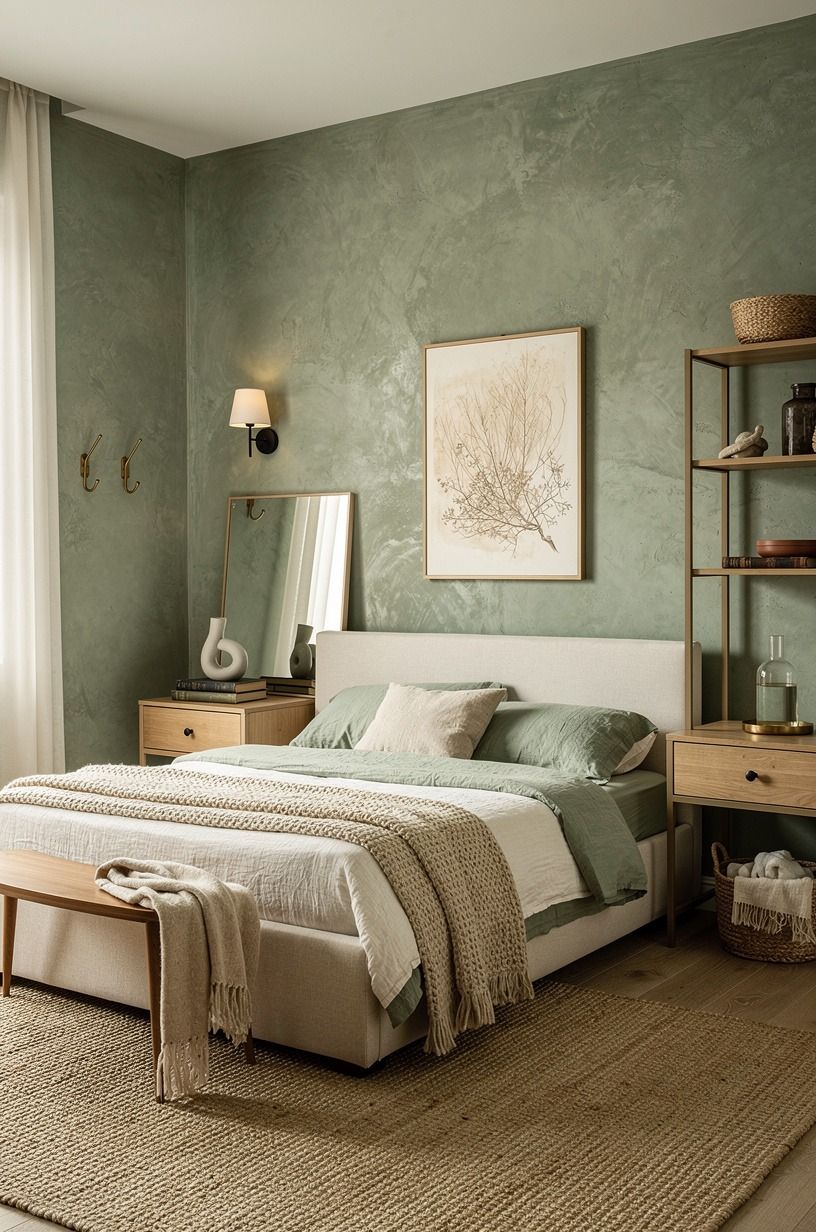
The Two-Texture Rule keeps temporary decor from looking temporary: pair one smooth surface with one visibly tactile surface in each zone. Your bed might combine cotton sheets with a nubby wool throw. A wall in hand-applied Venetian plaster can sit beside a polished ceramic lamp.
Choose one wood tone and repeat it three times. A cerused white oak tray, a small stool, and a picture frame can make unrelated pieces feel connected without matching.
I’d skip buying a complete set from one store. Your bedroom will have more personality when the pieces arrive from different places.
And you can use art without drilling by leaning framed prints on a dresser, shelf, or floor. Your small bedroom setup guide can help you protect walking space around those layers.
Ask yourself: what does your hand touch first in the morning? Make that object soft, useful, and worth seeing.
The Rental Rule I’d Keep
I’ve rented enough rooms to know that “temporary” often becomes a style excuse. I used to leave walls bare because I thought every improvement needed permission, money, and a weekend with a drill.
The result wasn’t minimal. It was unfinished. My room had a mattress, a lamp, and a stack of boxes that I promised I’d sort later.
The change came when I stopped treating renter-friendly design as a smaller version of renovation. It’s a different discipline. You have to work with weight, texture, proportion, and placement because hardware can’t rescue a weak arrangement.
A leaning textile must be large enough. A tension rod must have one job.
A rug must extend beyond the bed so your feet don’t land on cold flooring.
I’m also less interested in hiding rental life now. A removable curtain can look more relaxed than custom drapery, and a secondhand nightstand can have better grain than a new flat-pack piece.
Your room doesn’t need to pretend it belongs to someone else. It needs a few decisions that feel like yours.
The best upgrade is the one you’ll still enjoy when you’re packing. That’s why I’d spend first on fabric, light, and the surface beside your bed. Those are the details you touch and notice every day, and they’ll move with you when the lease changes.
The Questions Worth Answering First
What is the best renter friendly bedroom idea for a small bedroom?
A layered bed zone is the best starting point because it uses the furniture you already own. Choose a low bed, an 8x10 rug if space allows, and soft lighting. A simple layout gives your room more breathing space without adding bulky pieces.
Where can I buy renter-friendly bedroom pieces on a budget?
Look at IKEA, Target, Wayfair, Facebook Marketplace, and local thrift shops. You’ll often find useful baskets, lamps, and textiles secondhand. Display-only recommendations mean you won’t find commission links here, and you can compare prices wherever you shop.
How much does a renter-friendly bedroom makeover cost?
A typical bedroom refresh can run from $200 to $800 for bedding, paint, shades, and art. You can spend less by reusing your furniture and shopping secondhand. Free rearranging should come before any purchase, especially in a small room.
Can I create renter friendly bedroom ideas on a budget?
Yes, and you can begin without buying anything. Move the bed, layer blankets you already own, and group your lighting near the places you read or dress. A focused $100 purchase might cover one textile, one lamp, or a set of removable shades.
Is a renter-friendly bedroom worth it in a small space?
Yes, because a small room rewards clear scale and fewer competing objects. Keep walkways open, use vertical curtains, and choose furniture near your mattress height. Better proportions make the room feel calmer, even when the square footage stays exactly the same.
Is a no-drill bedroom a good idea for a rental?
Yes, especially when you use tension rods, leaning art, removable wallpaper, and freestanding storage. Test adhesives slowly before committing to a large surface. Lease-safe flexibility lets you change the room when your needs change without repairing holes later.
Where I’d Start First
If I had to pick one, I’d start with the bed zone. A rug, softer light, and layered bedding change what you feel every morning, not just what guests see. Pin this bedroom setup for later and keep the rest of your budget for pieces you’ll take to your next home.