
 by
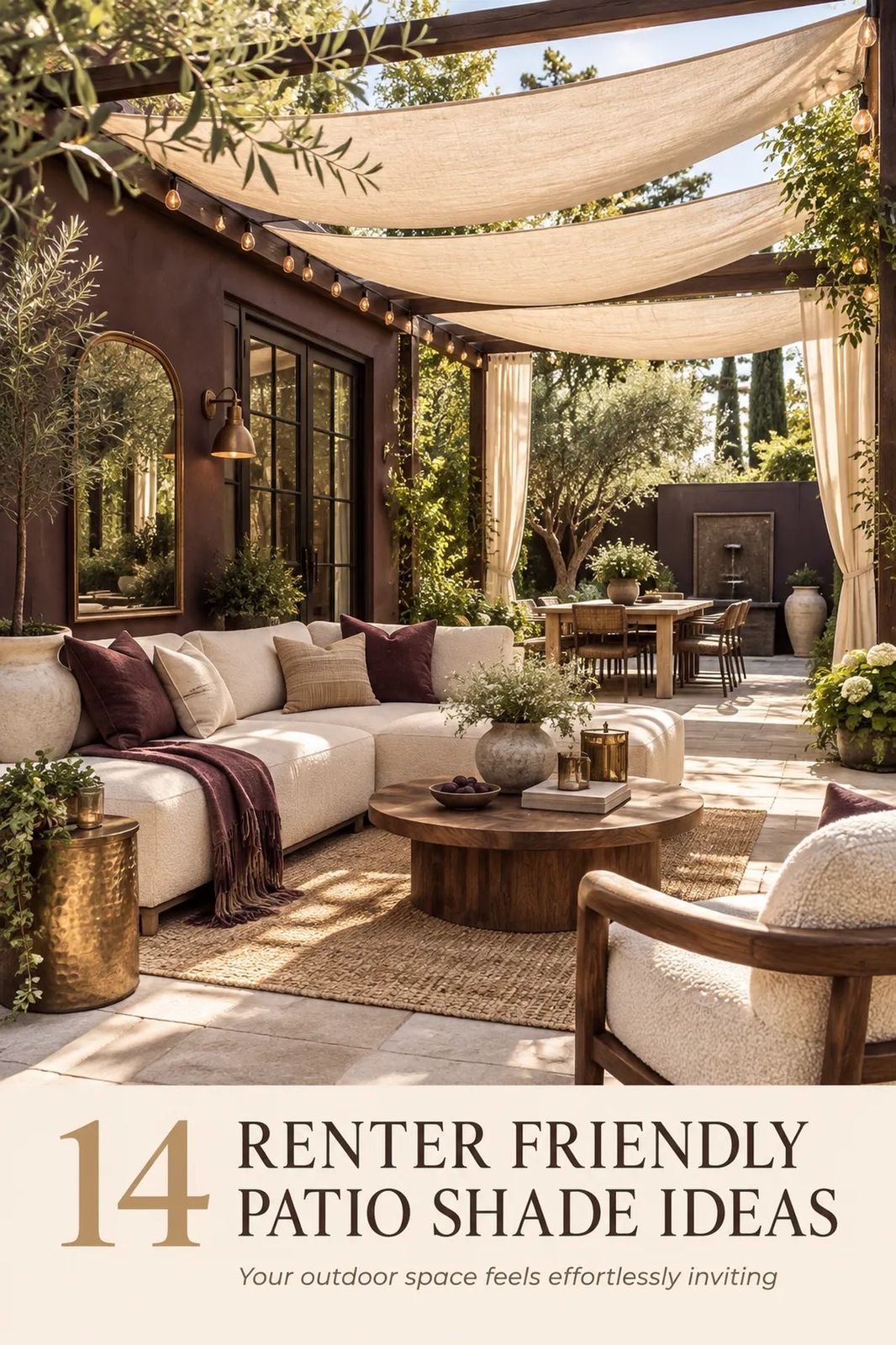
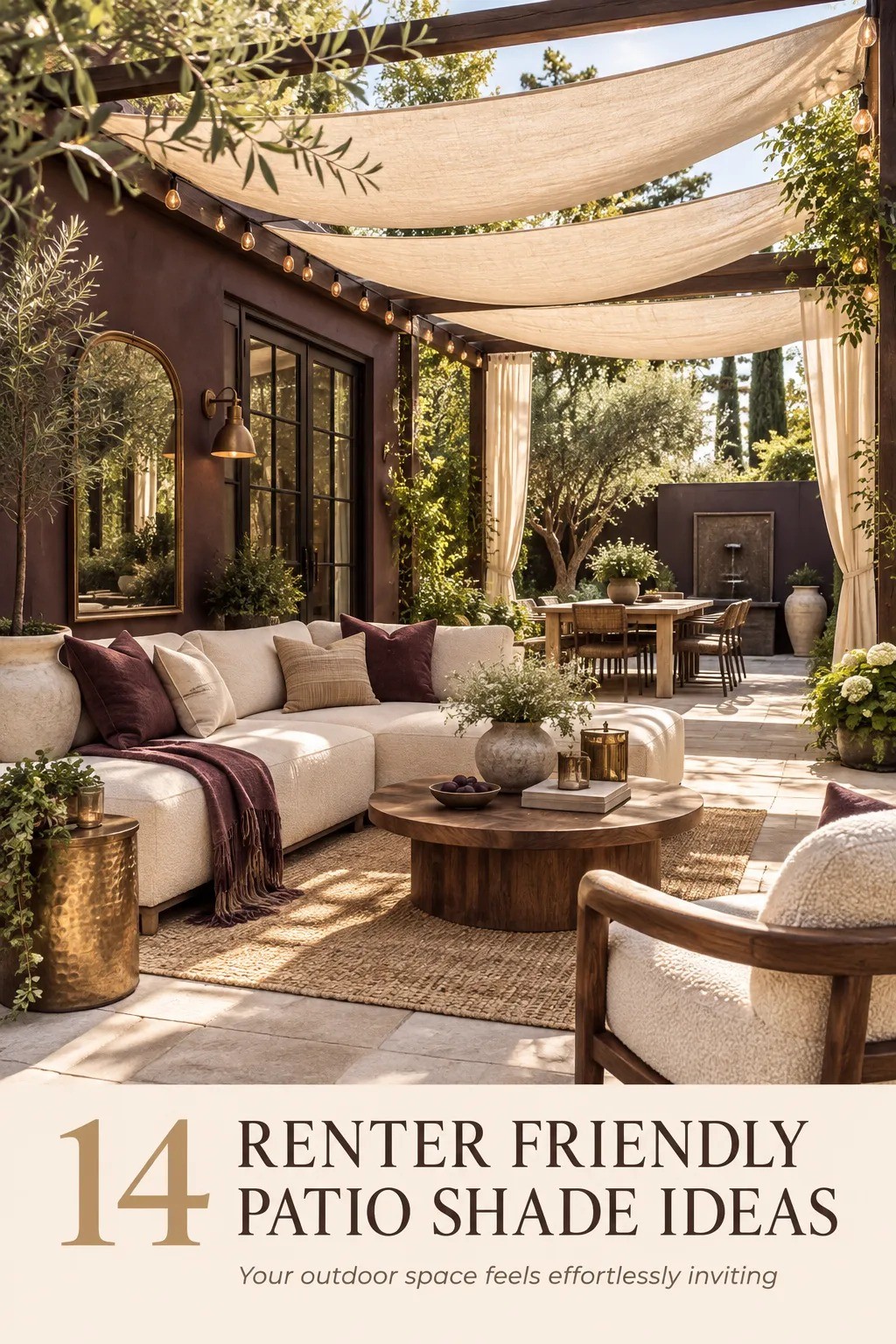
by Renter friendly patio shade with nothing to build can start at $0 and still make a bare outdoor corner feel warm, airy, and intentional. I learned that after one windy summer ruined a flimsy canopy and left me solving the problem with textiles, plants, and portable pieces. You don't need drills. You need layers.
- Start with the sunniest seating zone
- Could a Shade Sail Beat Freestanding Coverage?
- Build the Two-Height Shade Rule
- Anchor the base without drilling
- What Does the Three-Height Light Stack Add?
- Hang a removable fabric canopy
- Float the Furniture, Don’t Push It Against the Wall
- Frame the Edge with Tall Plants
- Paint One Portable Panel Instead of the Wall
- Soft Underfoot, Not More Overhead
- Mix the Soft Boundary Rule
- Can Freestanding Furniture Outperform Fixed Pieces?
- Add a Portable Cooling Layer
- Finish with the Shade Triangle
1Start with the sunniest seating zone
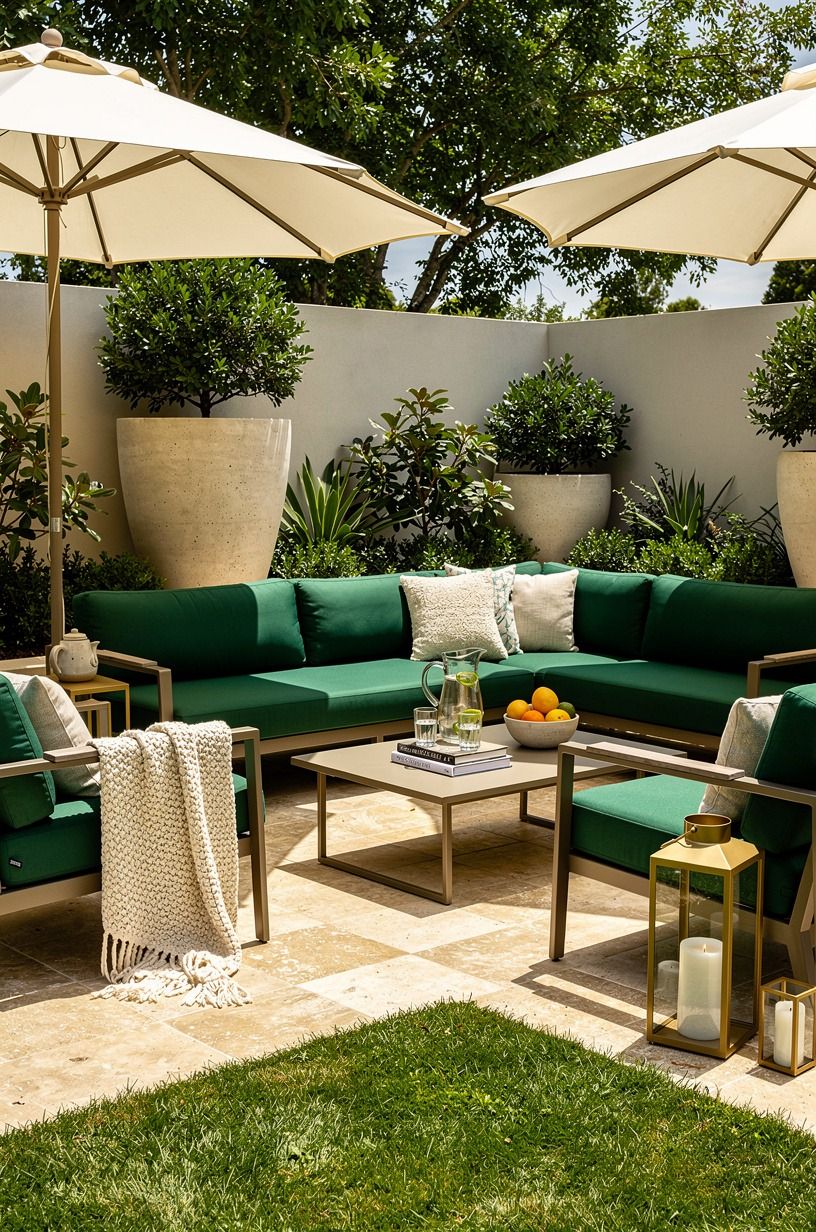
Watch your patio for one full morning and afternoon before buying anything. Your brightest patch may not be where you think it is, and moving a chair costs nothing. I’d start by marking the area where your eyes need relief first, especially if your table gets direct sun while you’re eating.
Keep at least 36 inches of walkway clearance so you’re not squeezing around a chair with a drink in your hand. A small patio feels more peaceful when the path stays open. Use a folding teak chair or lightweight metal bistro seat, then check whether your shade needs to cover one person or the entire table.
If your seating is currently pressed against the hottest wall, pull it forward by 12 to 18 inches. That small gap can improve airflow and give you room to angle the chair away from afternoon glare. You might discover that the patio needs better positioning before it needs another object.
For more renter-friendly layouts, browse these backyard ideas with no patio or deck. You’ll see the same principle indoors and out: define the useful zone first, then make it feel inviting.
2Could a Shade Sail Beat Freestanding Coverage?
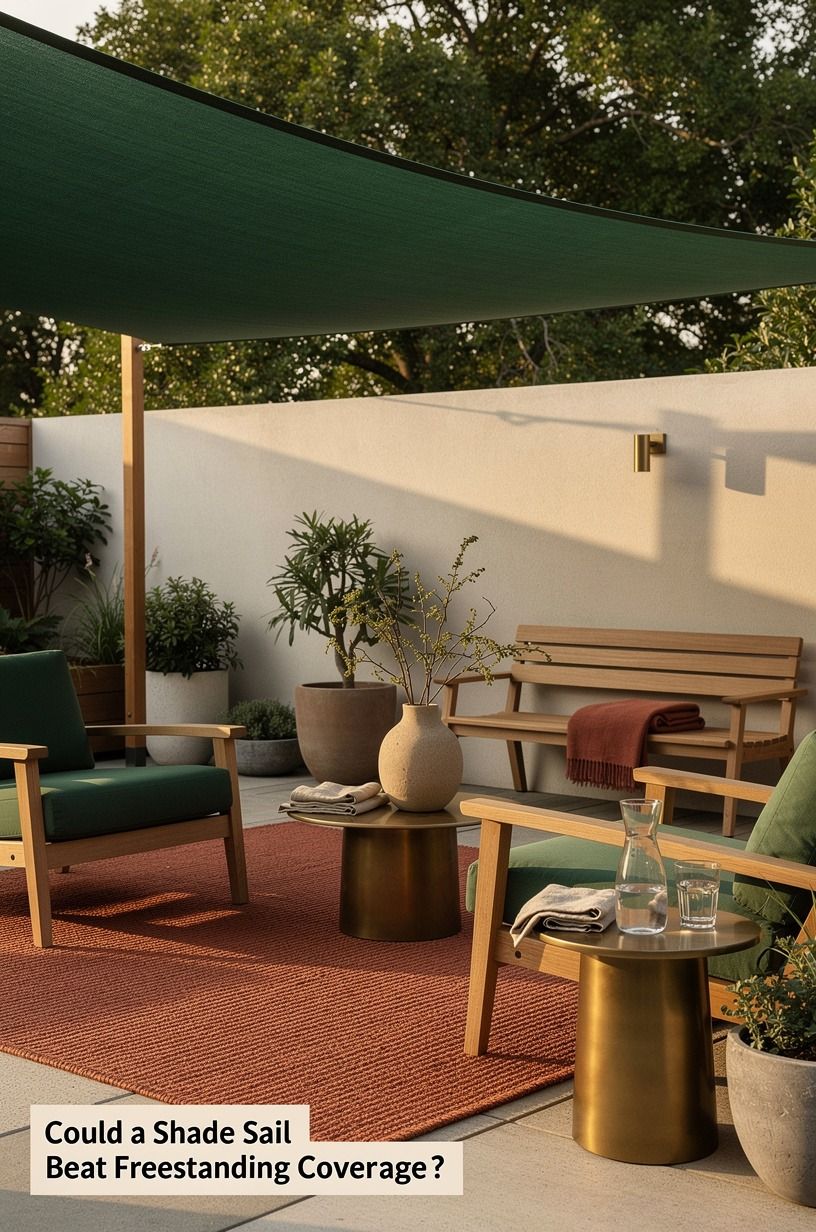
Small patio shade ideas work best when you measure the awkward parts first. Check the wall, railing, ceiling, and floor edges, then note where a removable support could sit without blocking your door. You don’t need a complicated drawing.
Your phone’s camera and a tape measure will do.
A shade sail can feel airy and dramatic, but I’d skip a large triangular sail if your rental has no reliable anchor points. It’ll pull against whatever you attach it to, and a loose corner gets noisy fast. Choose a compact sun sail shade instead, with freestanding weighted bases or existing balcony posts.
Measure the table, then add roughly 24 inches beyond each occupied side. That gives you useful coverage without making the patio feel roofed over. Standard patio table height is 28 to 30 inches, so leave enough headroom for everyone to sit upright.
Compare a freestanding umbrella with a removable fabric panel before spending. The umbrella is easier to close during wind.
The panel can create a softer, more architectural edge. Neither choice needs to be permanent, and that flexibility is the main advantage of renting.
If you’re still planning the whole corner, these renter-friendly bedroom ideas with no drilling include the same useful habit: measure first, then choose lightweight pieces that can move.
3Build the Two-Height Shade Rule
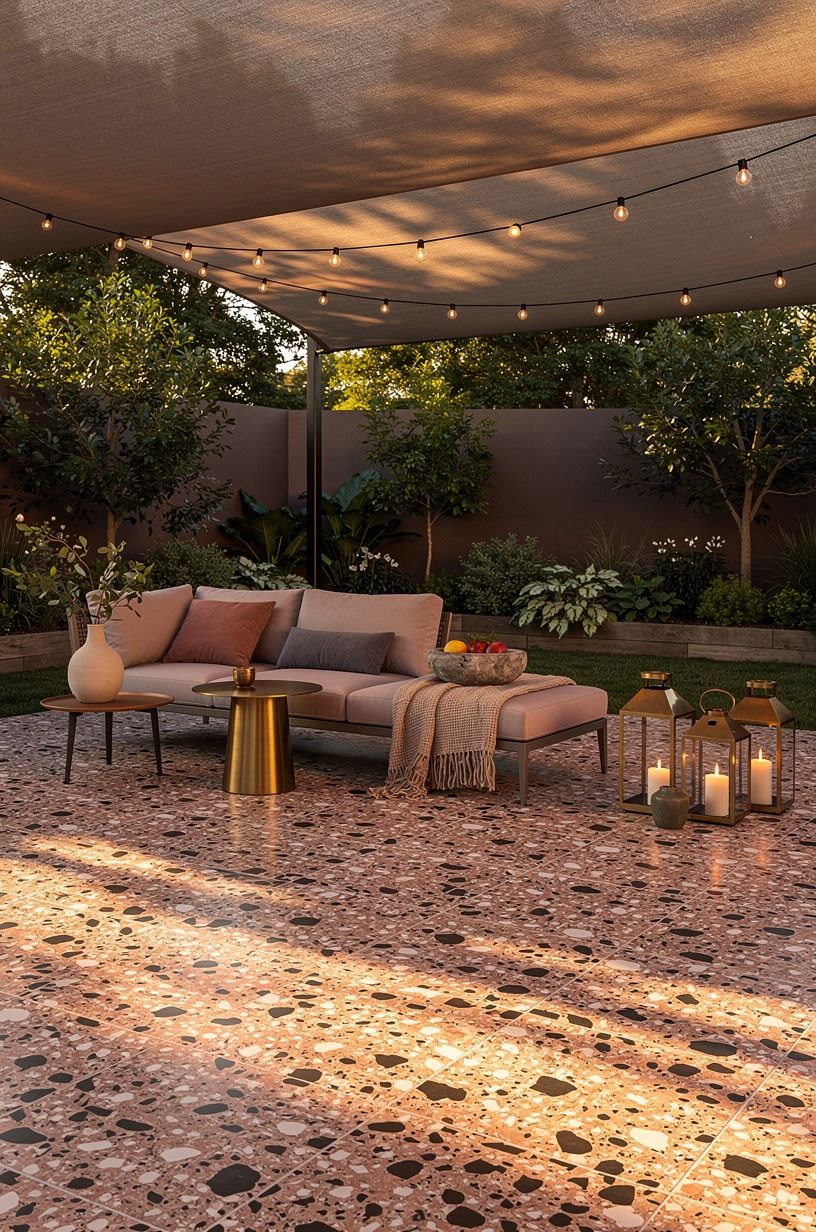
The Two-Height Shade Rule gives your patio a more settled look: one overhead layer for direct sun and one lower layer for glare at eye level.
4Anchor the base without drilling
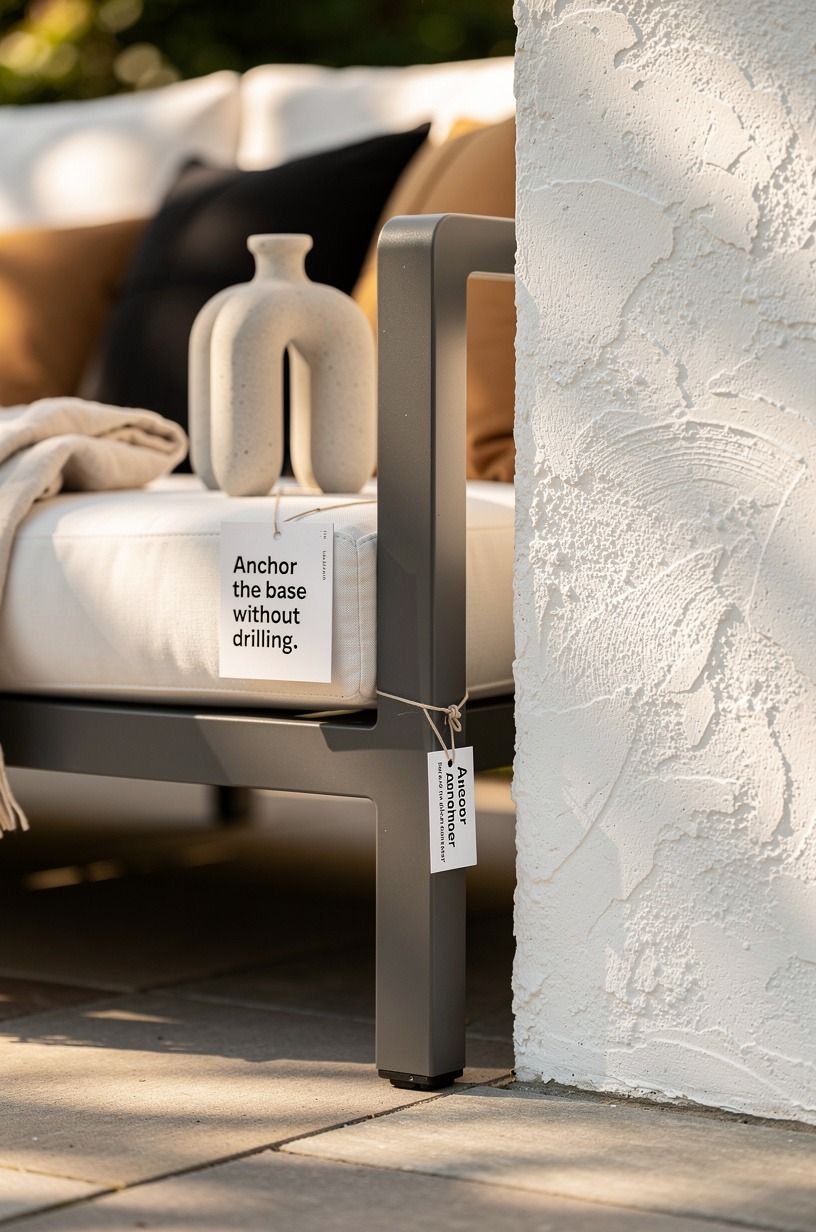
Adding shade to a patio gets easier when your base has weight and your walls stay untouched. Use a freestanding umbrella base, a heavy planter, or a weighted stand approved for the piece you’re using. You’ll want stability before you worry about color, because a top-heavy umbrella can become a hazard in one gust.
I prefer a broad planter filled with a real plant over a plastic base. A warm white planter gives you a calm, substantial finish, and the foliage softens the hard patio surface. Don’t fill a container with random loose stones and assume it’s secure.
Your support needs to stay balanced.
Check the manufacturer’s weight guidance before placing an umbrella inside any container. A decorative pot isn’t automatically a safe base. Close the umbrella when wind picks up, and bring lightweight shade pieces indoors before storms arrive.
Place the stand where your walkway remains 36 inches wide. If your patio is too narrow, move the shade station beside the table rather than behind your chair. You’ll gain safer circulation and a more relaxing seat.
A removable solution should be easy to reverse. That means no adhesive that could strip paint, no improvised railing clamps, and no heavy object balanced on a ledge. If a setup feels clever but unstable, it isn’t worth the risk.
For more portable ideas, revisit these renter-friendly bedroom ideas with no drilling. The shared idea is simple: create personality with elements that can leave with you.
5What Does the Three-Height Light Stack Add?
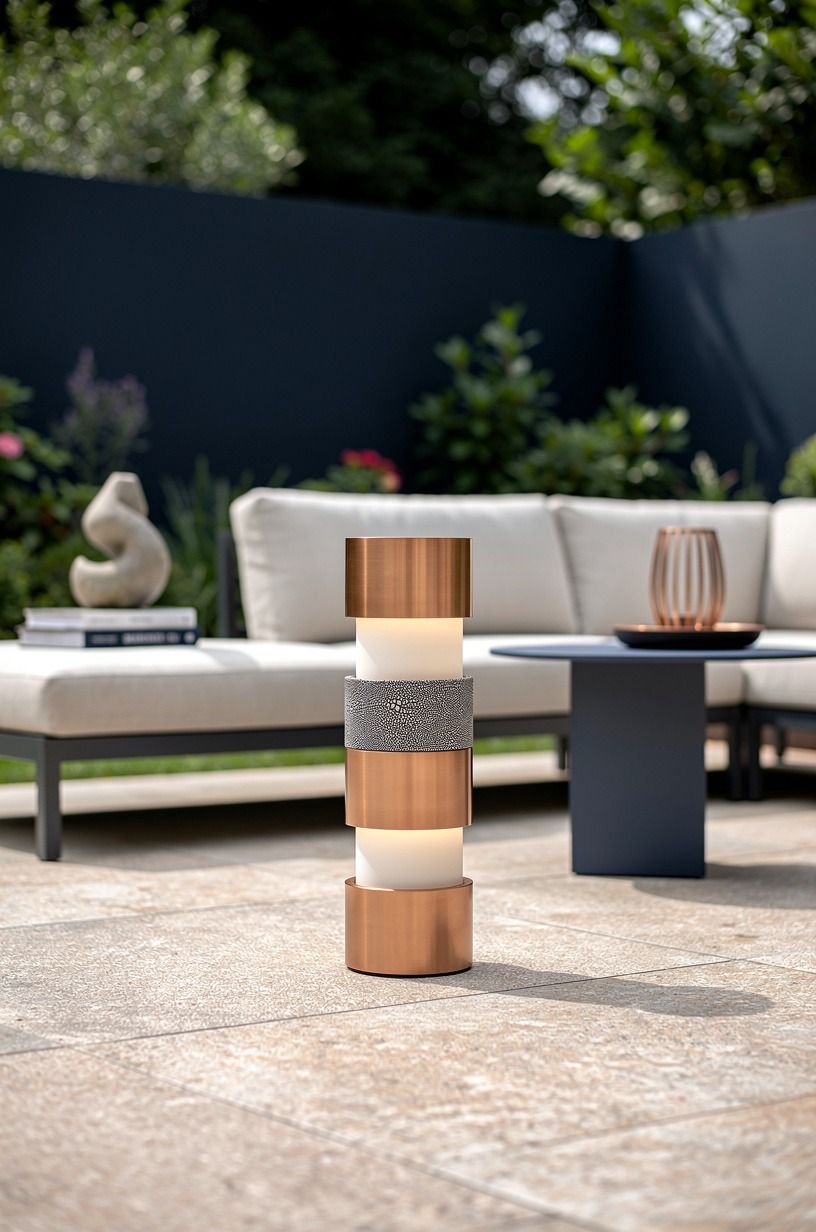
The Three-Height Light Stack works after sunset and during late afternoon glare.
6Hang a removable fabric canopy
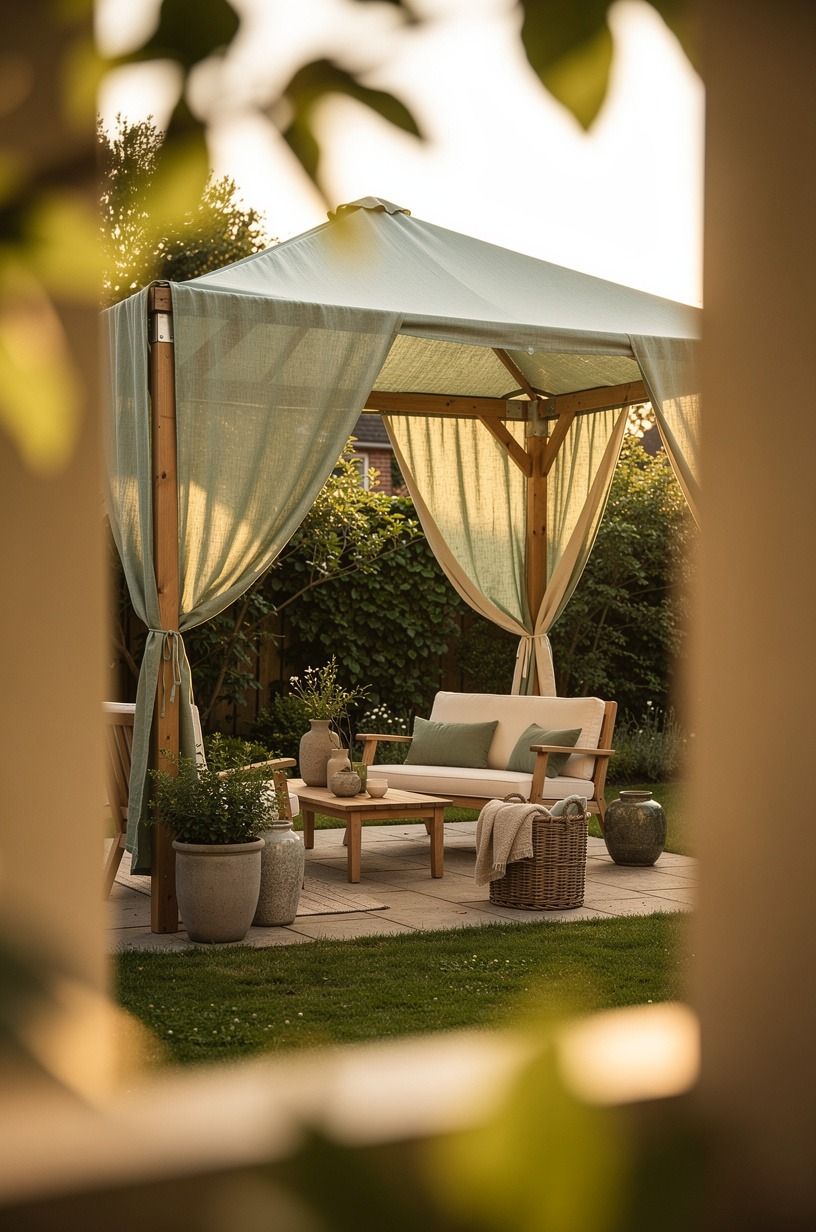
A fabric canopy gives you shade without making your patio look like a construction zone. Choose a washable outdoor textile with enough body to block glare, then attach it to a tension frame, existing railing, or freestanding poles. Your fabric should move slightly in the breeze, but it shouldn’t flap hard enough to keep you awake.
I like washed Belgian linen for its relaxed texture and warm softness. If you’re using a lighter material, double the panel near the top edge so the attachment points don’t tear. Leave the sides open when you can.
An airy canopy feels more comfortable than a sealed tent.
A canopy works best when one edge is higher than the other. That slight slope helps rain move away and gives the arrangement a more deliberate shape. Keep the lowest edge above head height, especially near the main walkway.
Before you hang anything, test one corner for a day. You’ll notice whether the fabric blocks your door, traps heat, or catches rain.
If it does, shorten it or move the support. Your patio should feel peaceful, not like you’re entering a laundry room.
For a warm color direction, look at sage green, warm cream, or natural wood as inspiration for the textile palette. You don’t have to paint the patio. A removable fabric in a related tone can bring the same richness without changing the building.
For another low-commitment color treatment, see these renter-friendly wallpaper ideas that peel off clean.
7Float the Furniture, Don’t Push It Against the Wall
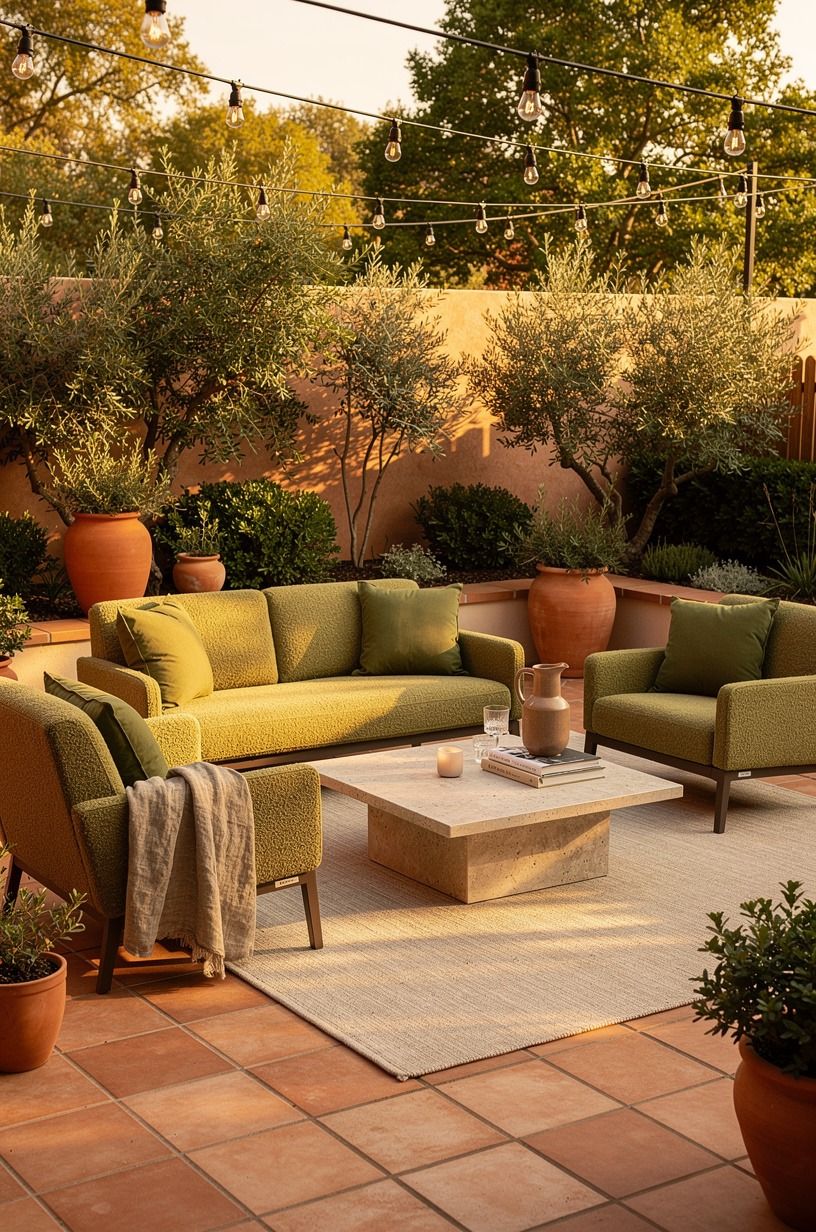
Floating your seating a few inches away from the building can make renter friendly patio shade feel much larger.
8Frame the Edge with Tall Plants
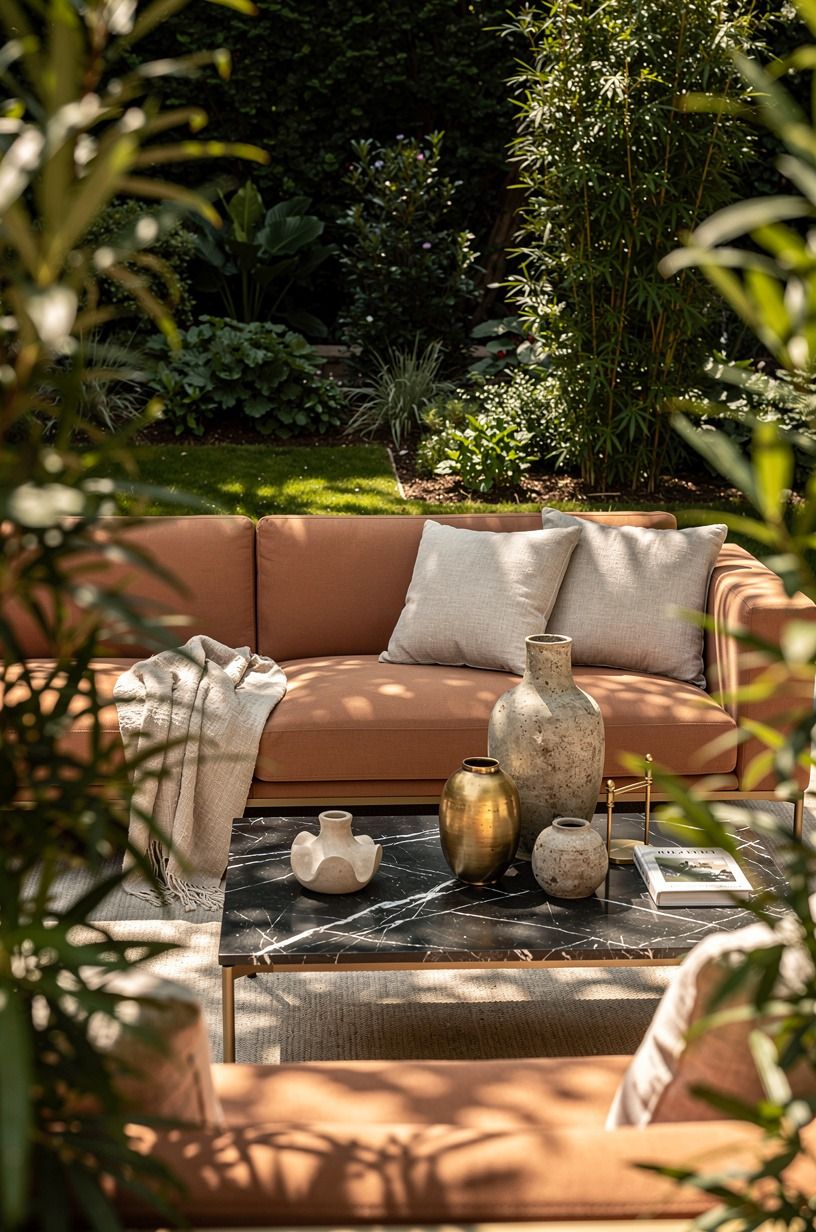
Tall plants create shade at eye level and give your patio a gentle, organic boundary. Place two matching containers at the outer corners of your seating area, then leave the center open so you can see through the arrangement. Your patio will feel private without becoming dark.
Use a black planter with fine white veining and a leafy plant that can handle your light conditions. I’d avoid placing delicate plants beneath the hottest section of a shade sail, because reflected heat can dry their leaves faster than you expect. Rotate containers when one side starts leaning toward the sun.
For a smaller budget, group three different heights instead of buying one oversized planter. A low pot, a medium pot, and a taller plant create a charming vertical rhythm.
You’re not building a screen. You’re giving your eyes somewhere calm to rest.
Try a bird of paradise, bamboo, rosemary, or ornamental grass only after checking the light and local climate. A plant that struggles will make the patio feel neglected, while the right species can become the most beautiful part of the shade plan.
If you already have plants indoors, move them outside temporarily during the brightest hours only when their care requirements allow it. Your patio doesn’t need a permanent jungle to feel green.
For more ideas that use plants as movable boundaries, save these backyard ideas with no patio or deck. The best arrangements create a destination without making the space feel blocked.
9Paint One Portable Panel Instead of the Wall
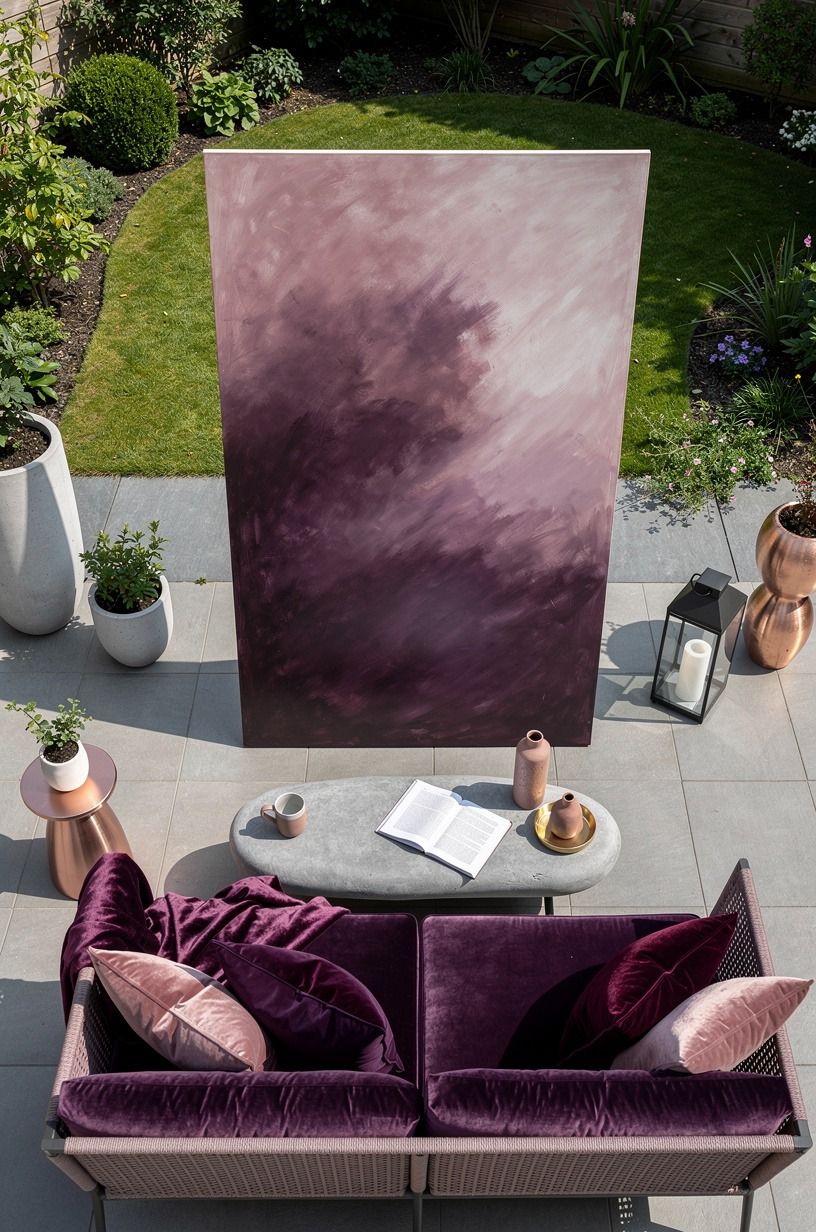
If your lease won’t allow exterior paint, paint a removable panel instead. A lightweight plywood screen, old folding shutter, or canvas room divider can stand behind your seating and reflect less glare than a bare wall. Your landlord gets the original surface back, and you get a bold color moment.
Use Benjamin Moore Aura Exterior on a properly prepared panel if you need a durable finish. I’d choose a muted plum or soft grey rather than bright white, which can bounce sunlight straight into your seating area.
For a richer mood, consider plum on a narrow screen with a subtle rose-gold detail. A grey panel can keep the patio calm while echoing the soft sheen of warm metal. Test a sample outdoors first, because natural light changes paint dramatically throughout the day.
Let the panel dry fully before it returns outdoors, and keep it weighted so it can’t tip. A pair of removable feet or a broad base is safer than leaning the panel casually against a railing.
You can bring the same removable color idea inside with these peel-off renter-friendly wallpaper ideas. The principle is simple: make the surface portable, then give your space personality.
10Soft Underfoot, Not More Overhead
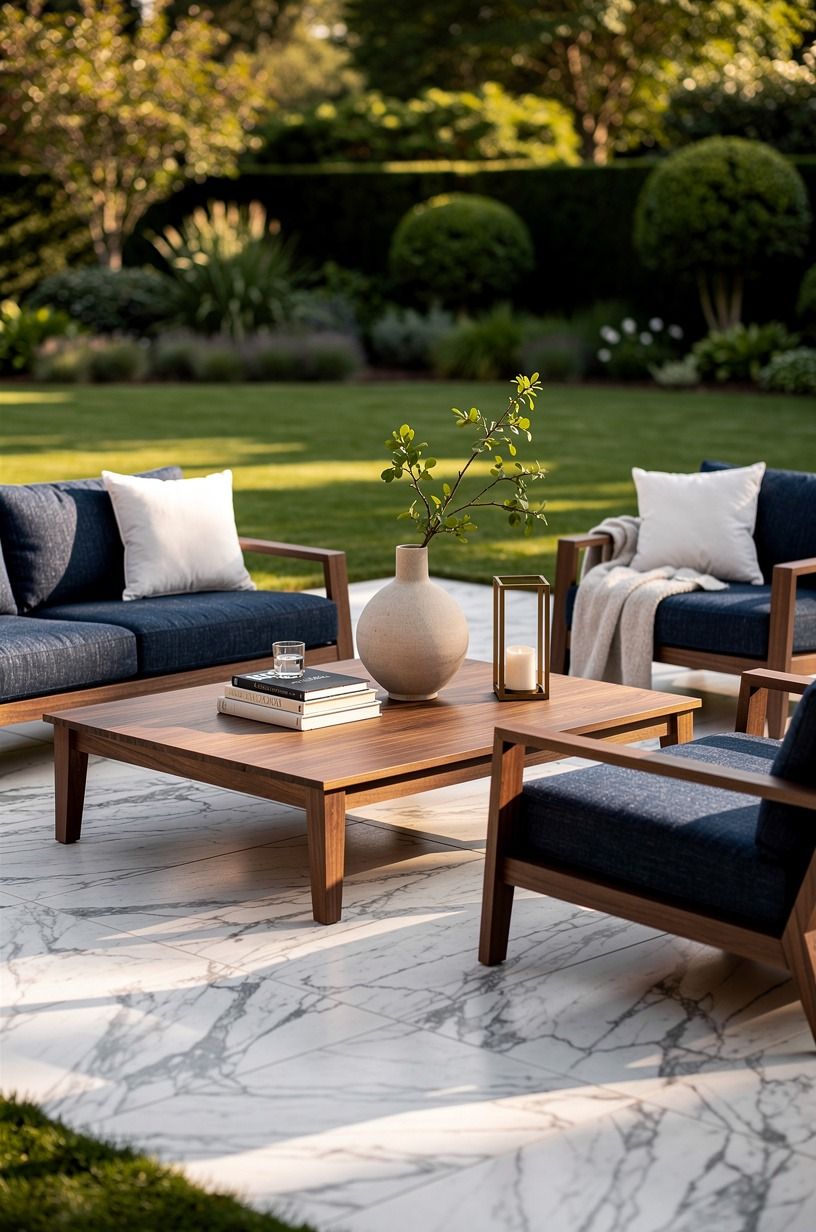
An outdoor rug doesn’t create overhead shade, but it reduces the hard, exposed feeling that makes a patio seem hotter. Choose polypropylene under your seating and let the front legs rest on it. Your feet get a softer landing, while the furniture feels anchored instead of scattered.
A flatwoven polypropylene rug is the practical choice for a rental because it dries faster than thick natural fibers. I’d skip a shag texture outdoors. Dirt settles into the pile, chairs catch on the edge, and the surface can stay damp after rain.
Use a restrained pattern if your canopy already has stripes or color. Your space needs one loud element, not four competing ones. If the textile is neutral, you can add a moody cushion or a small Carrara marble accent without making the patio feel busy.
Choose a rug large enough for at least the front legs of every main seat. A tiny mat floating beneath the table can make the furniture look disconnected. If you can’t fit a large rug, use two matching runners to define the seating zone.
A flatweave indoor-outdoor runner can also protect the path beside the table. Just keep its edge flat and visible so nobody catches a toe while carrying food outside.
For more small-space surface ideas, browse these backyard ideas with no patio or deck.
11Mix the Soft Boundary Rule
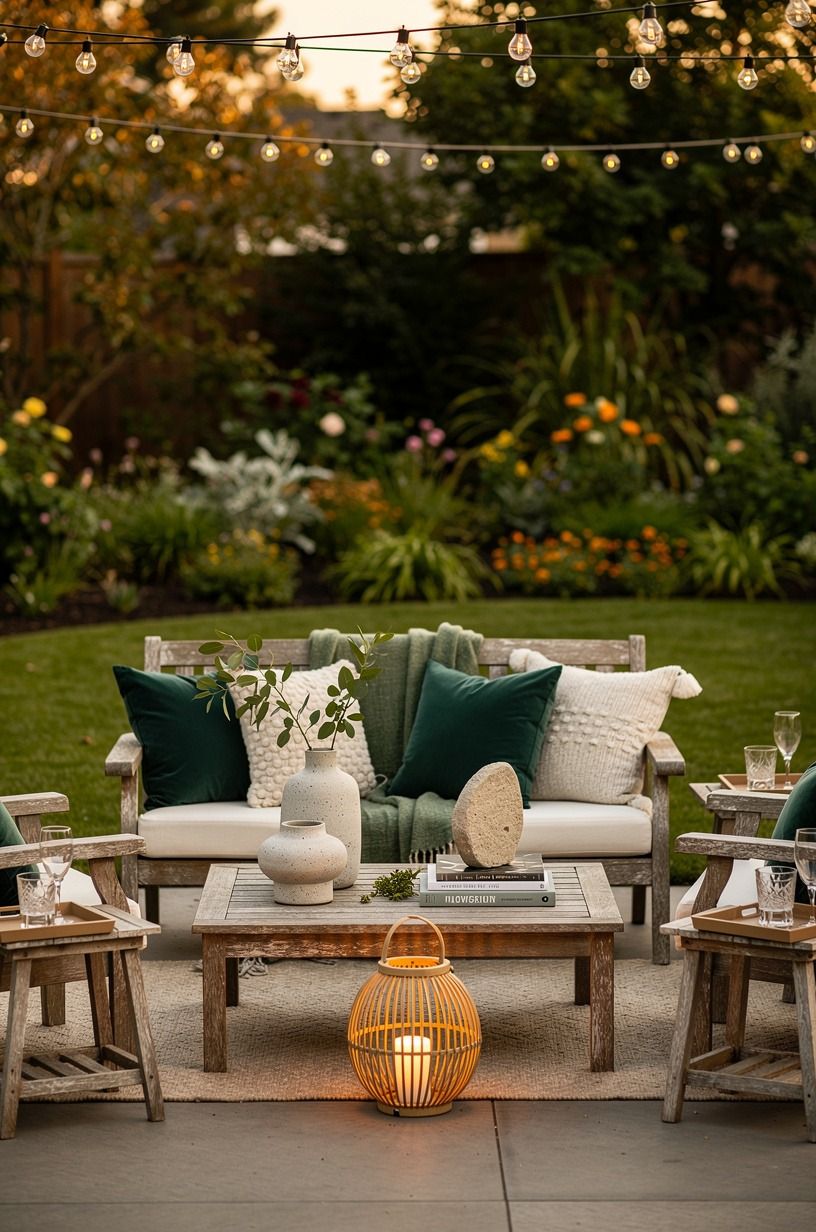
The Soft Boundary Rule uses three gentle edges instead of one solid wall: a warm wood panel on one side, plants on another, and furniture completing the third. You’ll get privacy and shade while keeping air moving through the patio.
Try a panel in reclaimed weathered teak for a covered side, a leafy planter near the railing, and two chairs facing inward. The wood can feel substantial without looking formal. If your patio is uncovered, choose a properly outdoor-rated finish and bring the panel in during severe weather.
I’ve tried enclosing a small patio with fabric on every side, and it felt stuffy within minutes. Your body notices trapped heat before your eyes notice the extra privacy. Keep one side open, especially near the afternoon sun.
The three edges don’t need to match. A weathered wood panel can sit beside a rough planter and a clean-lined chair. That contrast gives the patio the relaxed character many outdoor sets lack.
If the area still feels too exposed, add a woven reed screen only behind the chair that faces the neighbor’s view. Targeting one sightline will save space and keep the rest of the patio open.
For another example of layered, reversible boundaries, see these renter-friendly bedroom ideas with no drilling. The same logic works outside: soften the most exposed edge, then leave the rest breathable.
12Can Freestanding Furniture Outperform Fixed Pieces?
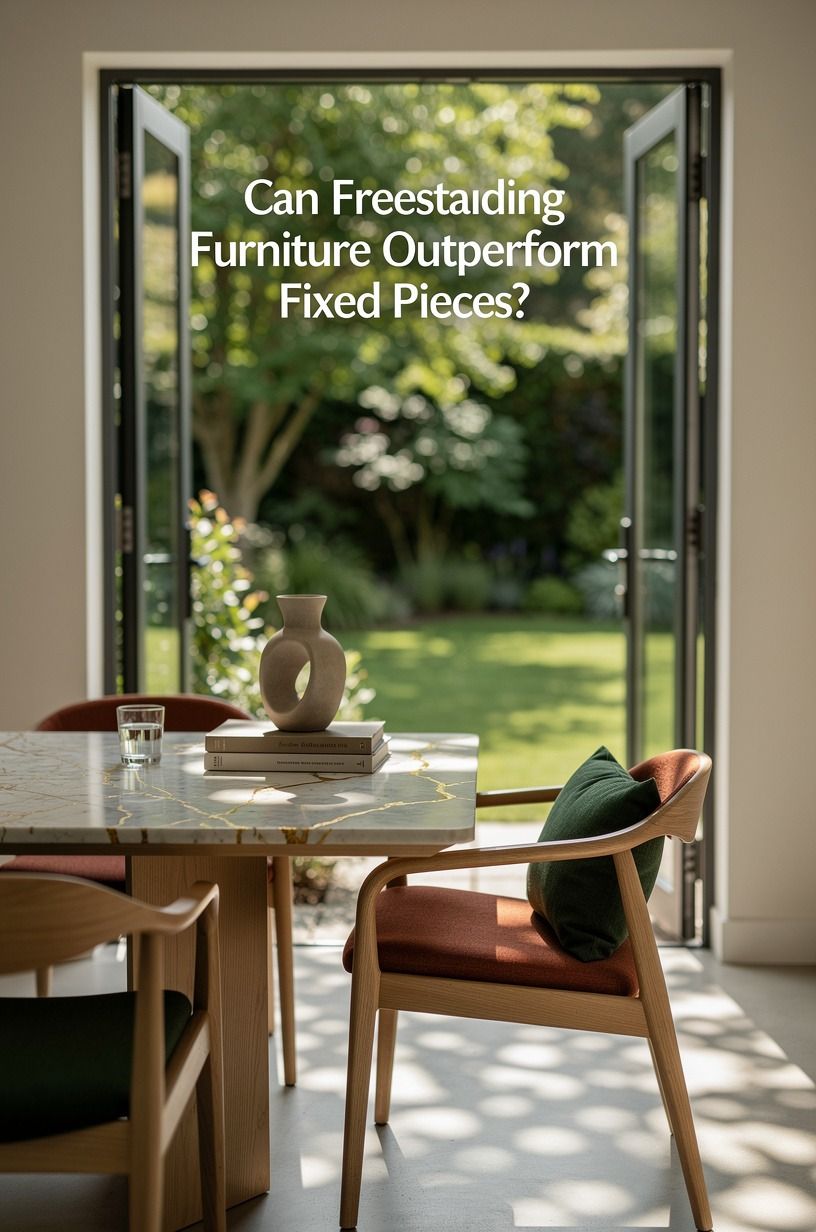
Freestanding furniture lets you chase the shade throughout the day.
13Add a Portable Cooling Layer
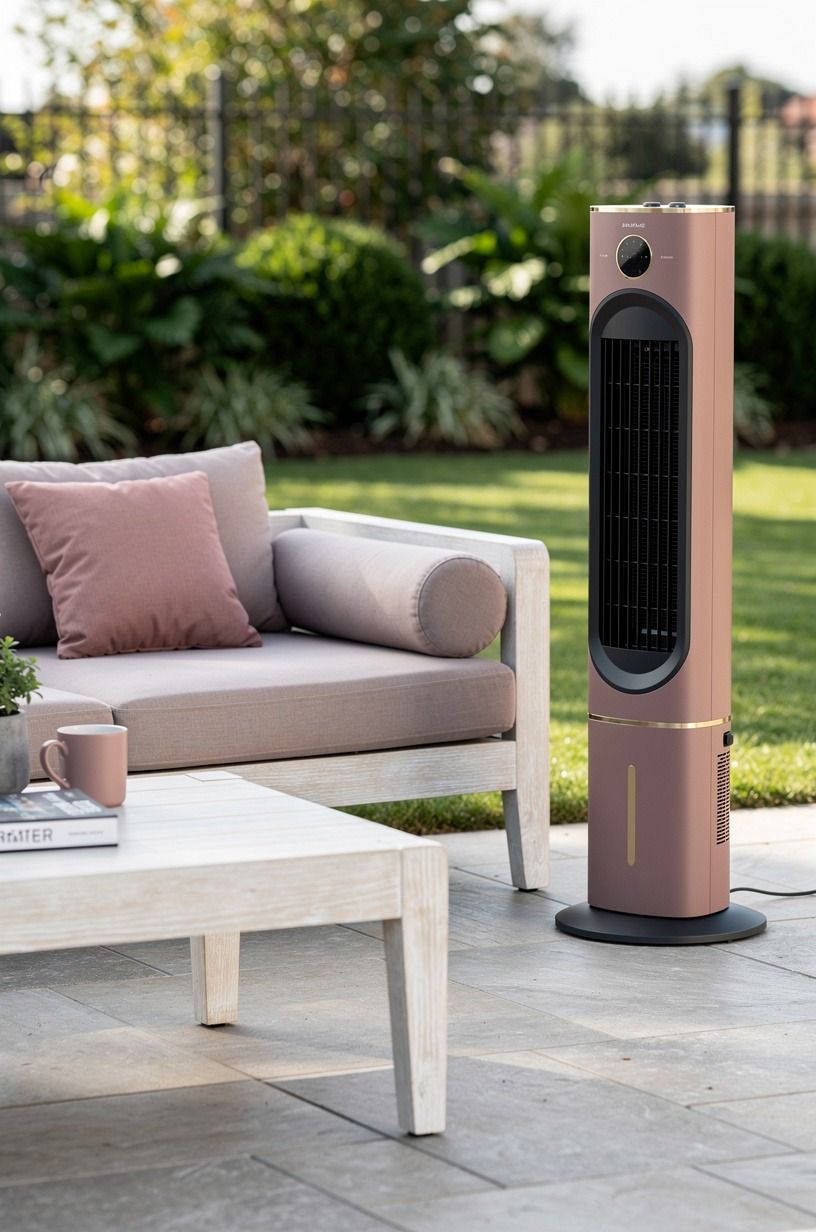
Shade feels more effective when you pair it with a cooling layer. Use a light cushion, breathable throw, or small portable fan if your lease and outlet setup allow it. You don’t need to cover every chair with heavy fabric.
A small cerused white oak side table can hold a cool drink, a fan, or a basket of folded textiles without adding visual weight. I’d keep the table near the seating zone and bring loose accessories indoors between uses.
A small fan can help in still air, but don’t point it directly at your face for hours. Aim it across the seating zone so you get circulation without a harsh blast. Keep the cord away from walkways and damp surfaces.
A dusty rose or charcoal outdoor cushion can make a metal chair usable through the hottest part of the day. Choose a cover with a zipper so you can wash it easily, and avoid pale fabric if the patio receives heavy dust or tree pollen.
You can also cool the space visually with dusty rose, charcoal, or a restrained brass accent. That won’t lower the temperature, but it can keep the patio from feeling visually overheated.
If you’re working on a tiny balcony, these renter-friendly bedroom ideas with no drilling include compact storage habits that work outdoors too. The less you leave exposed, the easier the patio is to maintain.
14Finish with the Shade Triangle
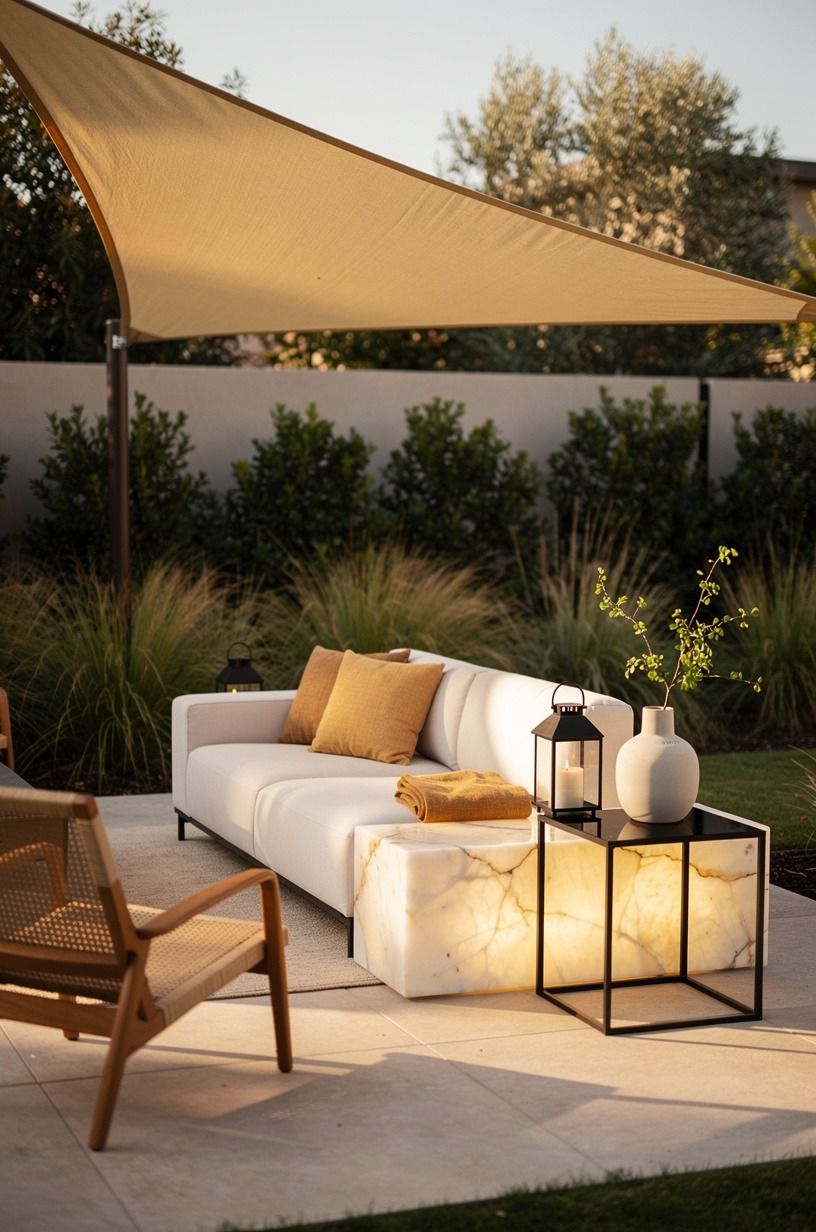
The Shade Triangle is the final check: overhead protection, side relief, and a cool place for your feet. Walk into your patio and ask where your head, shoulders, and legs feel exposed. Your answer will show you which layer is missing.
For a useful budget reference, compare the typical US ranges below. These figures cover much larger outdoor projects than a simple rental setup, so you can see why portable pieces are appealing.
You may spend nothing if you already own a chair, sheet, planter, and lamp. Your best move is to solve the most uncomfortable point first, then stop when the space feels inviting.
Walk through the patio at three different times. Check it at midday, during the low evening sun, and after dark. A setup that feels balanced at noon may cast glare into your eyes at 5 p.m.
Close the umbrella, fold the canopy, and move the plants. If those tasks take more than a few minutes, simplify the arrangement. The best rental shade is comfortable when it’s in place and manageable when it needs to disappear.
For more ways to make a plain outdoor area feel purposeful, browse these backyard ideas with no patio or deck. A finished patio doesn’t need every layer to feel complete.
Why the No-Build Rule Makes Better Shade
I’ve rented homes where the patio looked like an afterthought, and I’ve made the same mistake renters often make: buying one large item and expecting it to solve the whole outdoor space. A giant umbrella didn’t fix the glare on the wall. A thick rug didn’t cool the table.
The shade improved when I stopped searching for one answer and started watching how the space behaved.
That’s why I trust portable layers. You can move them when the sun shifts, fold them away before weather arrives, and change the color when your taste moves on. A permanent pergola might be practical, but it also decides the room’s shape forever.
The strongest setups usually have a little tension in them. A soft curtain beside a hard concrete wall.
A rustic planter next to a clean-lined chair. A moody textile with bright green leaves. I’d rather see that honest mix than a matching outdoor set that looks untouched.
A no-build approach also makes experimentation cheaper. You can try the umbrella near the table for a week, move it beside the chair, and learn what actually works before buying a second piece. That information is more valuable than a perfect-looking arrangement in a showroom.
The color can evolve, too. Start with one large neutral textile, then add olive green, warm clay, or faded blue through smaller pieces. If the patio is already surrounded by brick or concrete, a natural material such as rattan or terracotta will keep it from feeling sterile.
I learned one lesson after leaving a fabric canopy up during a windy afternoon: shade needs an exit plan. If you can’t remove it quickly, it isn’t the right rental solution. Choose pieces you can lift, fold, or carry indoors.
For another reversible update, these peel-off renter-friendly wallpaper ideas show how temporary changes can still feel considered. Your outdoor corner deserves the same thoughtfulness.
A Few Things Worth Answering
What is the best renter friendly patio shade for a small backyard?
A compact freestanding umbrella and two tall plants are the best starting point because you can move both pieces as the sun changes. Choose a small IKEA outdoor chair or folding seat, keep a 36-inch path, and add a light textile only after you know where glare lands.
Where can I buy renter friendly patio shade pieces on a budget?
Look at IKEA, Wayfair, and Target first, then check Facebook Marketplace or a local thrift store for umbrellas, planters, and folding chairs. Your best savings usually come from buying used hard pieces and adding new outdoor textiles where cleanliness matters most.
How much does a renter friendly patio shade makeover cost?
A simple setup can cost $0 if you already own seating, fabric, or plants. A broader outdoor refresh may fit within the typical $200-$900 budget tier, while larger patio projects rise to $1,500-$6,000 or more.
Can I create renter friendly patio shade on a budget?
Yes, and you can begin with three low-cost moves: reposition your seating, hang a washable panel from a tension setup, and group plants near the sunniest edge. Your existing sheet, basket, or floor lamp may solve more than a new canopy.
Is renter friendly patio shade worth it in a small space?
Yes, because a small patio needs less shade coverage and fewer pieces to feel comfortable. Start with one seating zone, cover the table plus about 2 feet on each side, and leave the center path open so your layout stays airy.
Is renter friendly patio shade a good idea for a rental?
Yes, if every piece can be removed without wall or railing damage. Use freestanding bases, tension rods, removable clips, and portable panels. For more no-damage storage ideas, see these renter-friendly kitchen shelf solutions.
Where I’d Start First
If I had to pick one step, I’d start with measuring the sunniest seating zone. You can’t fix glare with cushions, plants, or lights if the shade lands three feet away. Mark the spot, choose one movable umbrella, and build the rest around where you’ll genuinely sit.
Then add only the layer that solves the next problem. A tall plant can soften side glare. A rug can make concrete feel less harsh.
A folding screen can create privacy without closing the patio in.
Your rental doesn’t need a permanent structure to feel like a real outdoor room. It needs shade where you sit, airflow where you need it, and pieces that can change when your life does. Pin this guide for later, then adjust slowly.