 by
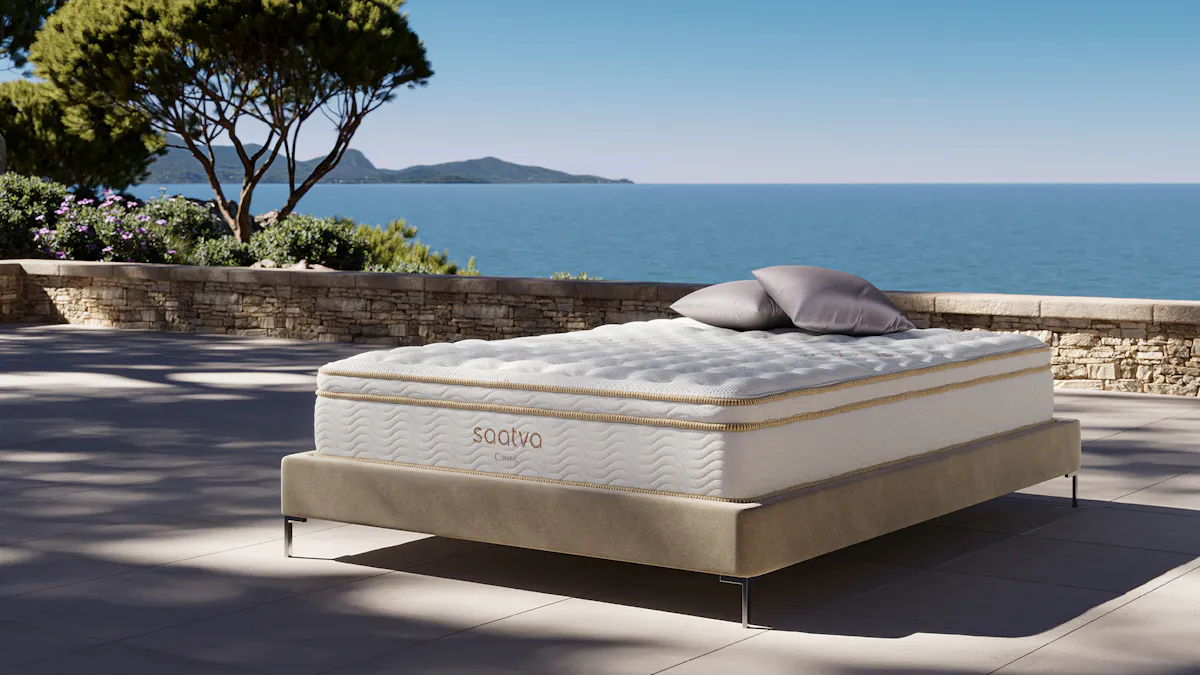
by Quick answer: I’d pause before buying a Repose mattress until its exact model, materials, return terms, and warranty are confirmed. For a clearly defined luxury innerspring option, consider the Saatva Classic.
- Public listings do not verify a single current Repose model specification.
- Construction may vary between spring, foam, and specialty-foam versions, so the model name matters.
- Current pricing, trial terms, warranty coverage, and regional availability need confirmation from the seller.
Updated July 2026 · Reviewed for accuracy
My verdict is simple: don’t buy on the Repose name alone. The available information points to a varied lineup, not one clearly documented mattress, so the exact model and seller listing must do the heavy lifting.
A mattress can look compelling in a product photo and still be the wrong build for your body, bed base, or bedroom temperature. I’d treat this purchase as a verification job first, then make a comfort decision once the facts are on the table.
Start With the Exact Model, Not the Brand Name
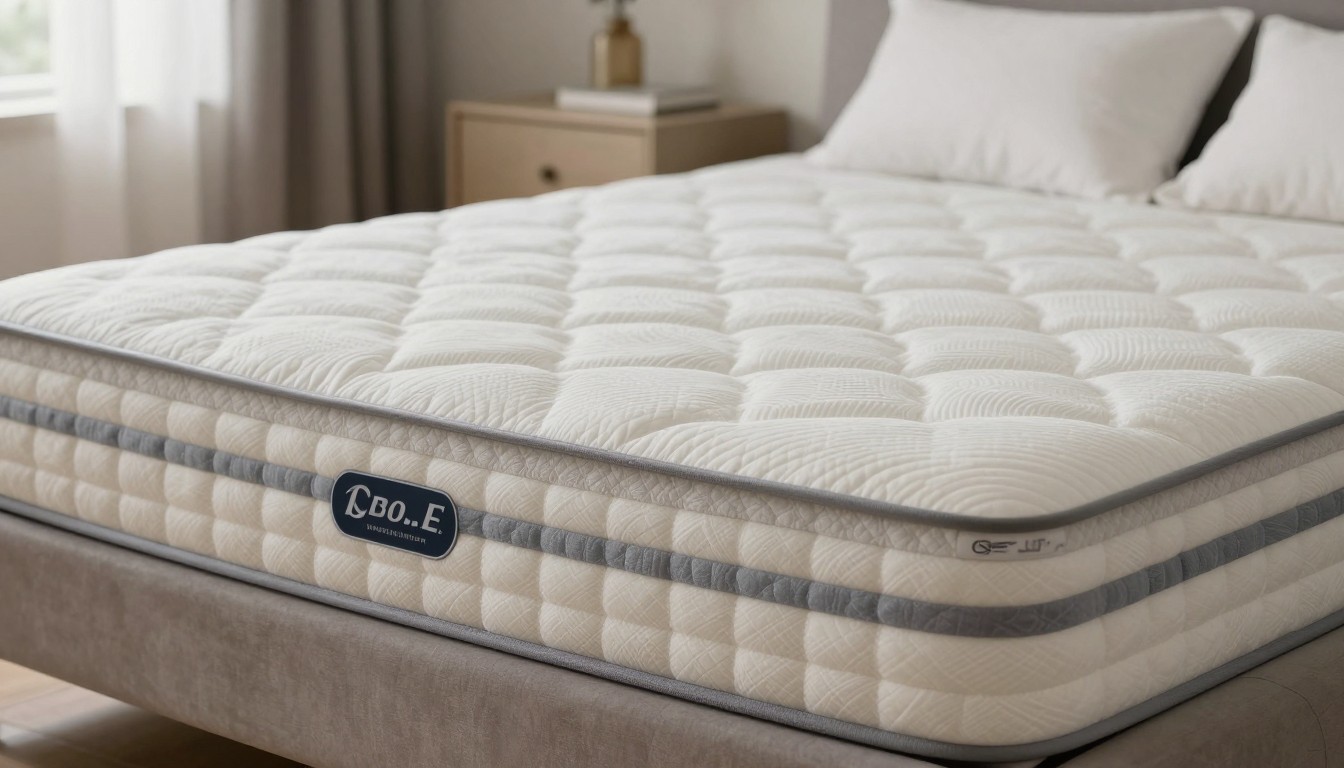
The biggest issue here is model ambiguity. Public listings suggest Repose may use pocketed springs, memory foam, Ortholux foam, Omni-top variants, and other specialty materials across its range, but they do not establish which of those elements belong to the mattress you are considering.
That distinction is not minor. A mattress with a pocketed-spring core behaves differently from an all-foam build. Springs can change how readily you move across the surface and how the perimeter feels. Memory foam changes contouring and movement absorption. A named foam tells me very little until the seller explains where it sits in the mattress and what role it plays.
I’d ask for the full model name in writing, then compare the manufacturer’s product page with the retailer listing. If those descriptions disagree, I’d trust neither until the seller resolves the difference. Mattress listings are often compressed, and compressed copy is where meaningful construction details disappear.
The Nut’s take: “Memory foam,” “orthopedic,” and “premium foam” are not construction explanations. I want to know what the support core is, what sits above it, and how the cover affects the finished feel.
Before checkout, request a layer description that identifies the core, transition materials, comfort materials, cover, stated firmness, and whether the mattress is one-sided. If the seller cannot provide that basic map, I would move carefully. You are being asked to judge long-term comfort without knowing what is carrying the load.
Construction Tells You More Than a Comfort Label
Pocketed springs and foam cores answer different comfort questions. Public descriptions identify both as possibilities within the broader Repose lineup, which means a broad “medium” or “firm” label would not be enough for me to compare models.
A pocketed-spring model is worth inspecting for the nature of its spring unit and the depth and type of foam above it. The springs are the structural engine. The top layers determine how much of that support reaches you directly. A thick, slow-moving comfort layer can make a supportive core feel cushioned at first, while a thinner quilted surface can leave the same basic support more immediate.
A foam-forward model needs a different set of questions. I would ask whether the core is conventional polyurethane foam, a higher-resilience foam, or another named material, then ask for any published density information. Without it, durability is difficult to judge from marketing language alone. Foam is not automatically weak or strong. Its formulation and placement matter.
Proprietary names such as Ortholux and Spine-Pro are details to verify. I would not treat a proprietary label as proof of support, cooling, or durability without a clear materials explanation from the manufacturer. A trademark can identify a component; it does not explain how that component performs in your bedroom.
| What the listing says | What I’d ask next | Why it matters |
|---|---|---|
| Pocketed springs | What materials sit above the spring unit? | The comfort layers shape pressure relief and surface feel. |
| Memory foam | Is it a comfort layer, a transition layer, or the main support system? | Placement affects contouring, ease of movement, and heat buildup. |
| Cooling fabric or gel foam | What is the actual cover fabric and ventilation path? | Cooling language is less useful than a specific material description. |
| Orthopedic support claim | What feature creates the claimed support? | A comfort claim should be tied to a visible construction feature. |
If you are comparing foam-forward mattresses, my review of the Zoma mattress shows the kind of construction detail I look for before treating comfort claims seriously. The point is not that every mattress needs the same design. The point is that every mattress needs a legible design.
Comparing options? The Saatva Classic is the pick we keep coming back to — see the final verdict ↓
Firmness Is Personal, So Read the Materials Behind It
A firmness label is only a starting point. It is worth confirming whether a specific Repose model is firm, medium, or plush, and that diligence matters because the same label can feel very different across spring and foam constructions.
Side sleepers usually need enough surface give to avoid concentrated pressure around the shoulder and hip. Back sleepers often want the midsection held in a more neutral position. Stomach sleepers generally need to be wary of a surface that lets the pelvis sink too far. Those are use-case questions, not promises that a label can settle on its own.
I would ask the seller whether the quoted firmness applies to the finished mattress, not merely one foam layer. Then I would read owner feedback with a filter: look for reviewers who describe a similar body type, sleep position, and bed-sharing situation to yours. Independent reviews and owner reports are particularly useful for real-world comfort, motion transfer, and edge behavior.
Be careful with reviews that only say “comfortable.” That word has no diagnostic value. Useful feedback describes what the sleeper noticed: whether the surface felt level, whether the shoulders sank in too deeply, whether changing positions took effort, or whether the perimeter felt stable while sitting. Those details tell you what the build may actually be doing.
Comfort checklist: Match the listing to your usual sleep position, ask whether the feel changes by size, and read owner feedback for the same use case. A “medium” feel without construction detail is not a buying decision.
If the mattress is intended for a shared bed, I would also ask which layer is meant to reduce movement transfer. Pocketed springs can reduce direct spring-to-spring disturbance, while foam can absorb some motion at the surface, but public information does not verify how any particular Repose model performs. That is precisely why model-specific owner feedback matters.
Cooling Claims Need a Clear Material Explanation
Cooling is another area where the details matter more than the label. Public listings say some Repose models may emphasize cooling through covers, breathable fabrics, gel-infused foams, or phase-change materials, but they do not verify those features for a particular current model.
I would separate a cool-to-the-touch cover from sustained temperature management. A cover can feel refreshing at first contact. That does not tell you whether the mattress releases heat well after you have been in one position for a while. For that, I want to know how breathable the cover is, whether the comfort layers are dense and close-conforming, and whether the core permits air movement.
Foam can provide pressure relief, but it can also hold warmth closer to the body depending on its formulation and thickness. Springs often create more open space within the mattress, yet the top layers still control much of the immediate temperature feel. Neither construction is automatically cool. The finished stack is what matters.
Ask for the cover composition rather than accepting a cooling headline. Ask whether a cooling feature is built into the fabric, added as a treatment, or located inside a foam layer. The answer helps you understand whether the feature is central to the mattress or just one detail in its sales copy.
For a useful construction comparison, the Zoma Hybrid mattress review is a reminder that a hybrid label alone does not answer the cooling question. You still have to inspect how the coil system, foams, and cover work together.
Edge Support and Motion Isolation Need Independent Evidence
The bed’s perimeter matters most when you share the mattress, sit while dressing, or sleep close to the edge. Check consumer reports or independent reviews for movement transfer and edge hold, because current model-specific performance values are not established.
I would not infer strong edges from the presence of springs alone. Some mattresses reinforce the perimeter; others rely on the main support unit extending to the sides. Likewise, a thick foam comfort system can alter how the edge feels even when the support core is sturdy. Ask the seller whether edge reinforcement is part of the design and seek owner feedback that addresses the edge directly.
Motion isolation deserves the same skepticism. A seller may say that a mattress is suitable for couples, but that phrase does not tell you how easily a lighter sleeper notices a partner getting in and out of bed. Look for reviews that describe actual sleep disruption or a lack of it, then consider whether those reviewers appear to share your sensitivity to movement.
My rule: I don’t buy “good for couples” as a conclusion. I want the construction explanation, then owner feedback that speaks to motion and edge use in plain language.
Retailer reviews can help, but they need context. Check that feedback is tied to the exact model and size, and watch for recurring comments rather than one dramatic complaint or one glowing sentence. Regional listings may differ, so a review attached to a similarly named version may not describe the same mattress you can actually buy.
Price, Returns, and Warranty Are Part of the Mattress
The current price is not a stable fact until you see it on the official product page or the retailer page for your region. Repose pricing and available sizes can vary by market, so I would compare like for like before deciding that one listing is a better value.
Start by confirming the exact size, model, and included accessories. Then check whether delivery, setup, removal, or return collection changes the final cost. A low headline price can be less attractive if the purchase terms are restrictive or the model description is incomplete.
Trial and return policies deserve close reading. Check whether a sleep trial exists, how returns are handled, and whether restocking fees apply. Those are policy terms, not small print. A mattress is unusually personal, and a return policy can determine whether a comfort mismatch is manageable or expensive.
Warranty language also needs a slow read. Ask what defects are covered, what body impressions or sagging conditions qualify, whether the mattress must be used on a specific foundation, and who pays transportation costs if a claim is approved. Public listings do not verify current Repose warranty terms, so I would rely on the manufacturer’s current written policy rather than a retailer summary.
Materials certifications are worth checking if they matter to your household. Look for OEKO-TEX, CertiPUR-US, or equivalent documentation where applicable. I would confirm the certificate is relevant to the actual component being sold, not simply mentioned elsewhere in the brand’s catalog.
Who Should Buy, Who Should Pause, and What I’d Choose
A Repose mattress may suit a buyer who can identify the exact model, review a complete layer description, and get clear written answers about delivery, returns, and warranty coverage. It may also suit someone shopping through a trusted local retailer who can explain the specific version on the floor.
I’d pause if the listing relies on broad comfort language, uses a proprietary foam name without explaining the construction, or leaves return terms vague. I would also pause if the floor model and the online description do not line up. The risk is not that the mattress is necessarily poor. The risk is buying a construction you cannot properly evaluate.
For shoppers who want a more clearly positioned luxury innerspring alternative, I tend to recommend the Saatva Classic. Its official product page is the place to confirm the current configuration and price, while the brand’s published policy pages should be your source for its current trial, warranty, and financing terms.
That recommendation is about clarity as much as category. A mattress purchase becomes easier to judge when the manufacturer clearly explains the build and the policies behind it. You should still match any mattress to your sleep position, temperature needs, and preference for a buoyant or closer-conforming surface.
If you are still weighing a less familiar model against another foam option, my Zaz mattress review can help frame the questions to ask about feel and construction. I would not force a decision from incomplete specifications. A little verification before delivery beats a hard lesson after it.
FAQ
Is Repose a good mattress?
I can’t give a blanket yes or no because public information does not verify a single current Repose construction, policy set, or owner-feedback record. The answer depends on the exact model, its materials, and the seller’s written terms.
What should I check before buying a Repose mattress?
Confirm the full model name, support core, comfort layers, stated firmness, cover materials, current price, return process, and warranty policy. Also check independent reviews and retailer listings for the version sold in your region.
Are Repose mattresses good for hot sleepers?
Public listings note that cooling features may vary by model, including breathable fabrics and cooling-oriented foams. I would not assume cooling performance without a model-specific material description and owner feedback that discusses sleeping temperature.
Are Repose mattresses good for couples?
That depends on the specific design and the sleepers involved. Motion isolation and edge support are items to verify through independent reviews or consumer feedback, because no current model-specific performance evidence is established here.
How do I compare a Repose mattress with another option?
Compare the exact construction, not the headline claims. Put the support core, comfort materials, firmness description, return policy, warranty coverage, and current final price side by side, then choose the one that best fits your sleep position and practical buying terms.
Final Verdict
I wouldn’t reject Repose outright. I would reject buying blind. Get the exact model’s construction and written policies, read model-specific owner feedback, and make sure the seller can answer direct questions without vague marketing language.
That is the sensible path here: verify first, then buy the mattress whose materials and terms you can actually understand.
FINAL VERDICT
Before you settle: if repose mattress is what brought you here, the Saatva Classic is the value pick on this page — more home-trial and warranty coverage than the alternatives covered here. Confirm current price, dimensions and terms on the official product page before ordering.
OUR CATEGORY-MATCHED PICK · UP TO $334 OFF
Saatva Classic
- 365-night home trial and lifetime warranty, per saatva.com
- Handcrafted in the USA, free white-glove delivery
- Flexible financing available