 by
by Quick answer: Reverie makes sense for shoppers committed to a configurable sleep system. I’d skip its premium complexity if you want a conventional mattress, and consider the Saatva Solaire instead.
- Reverie describes DreamCell foam springs as a configurable support component.
- Its lineup includes latex and natural-material options in selected configurations.
- Many Reverie configurations pair the mattress with an adjustable base.
Updated July 2026 · Reviewed for accuracy
My take is simple: Reverie’s appeal is real, but it is very specific. The brand builds sleep systems around customization, often pairing a mattress with an adjustable base. That can be a thoughtful route for a buyer who wants to dial in feel and position. It can also become an expensive, complicated purchase for someone who just wants a dependable mattress.
Reverie mattress reviews tend to circle the same question: does that extra configurability justify the premium? According to Reverie’s product descriptions, the answer rests on DreamCell foam springs, selectable materials, and adjustable-base integration. Those are meaningful construction choices, not decorative extras. Still, I’d want every layer, option, and policy confirmed for the exact setup before paying.
DreamCell construction is the central idea
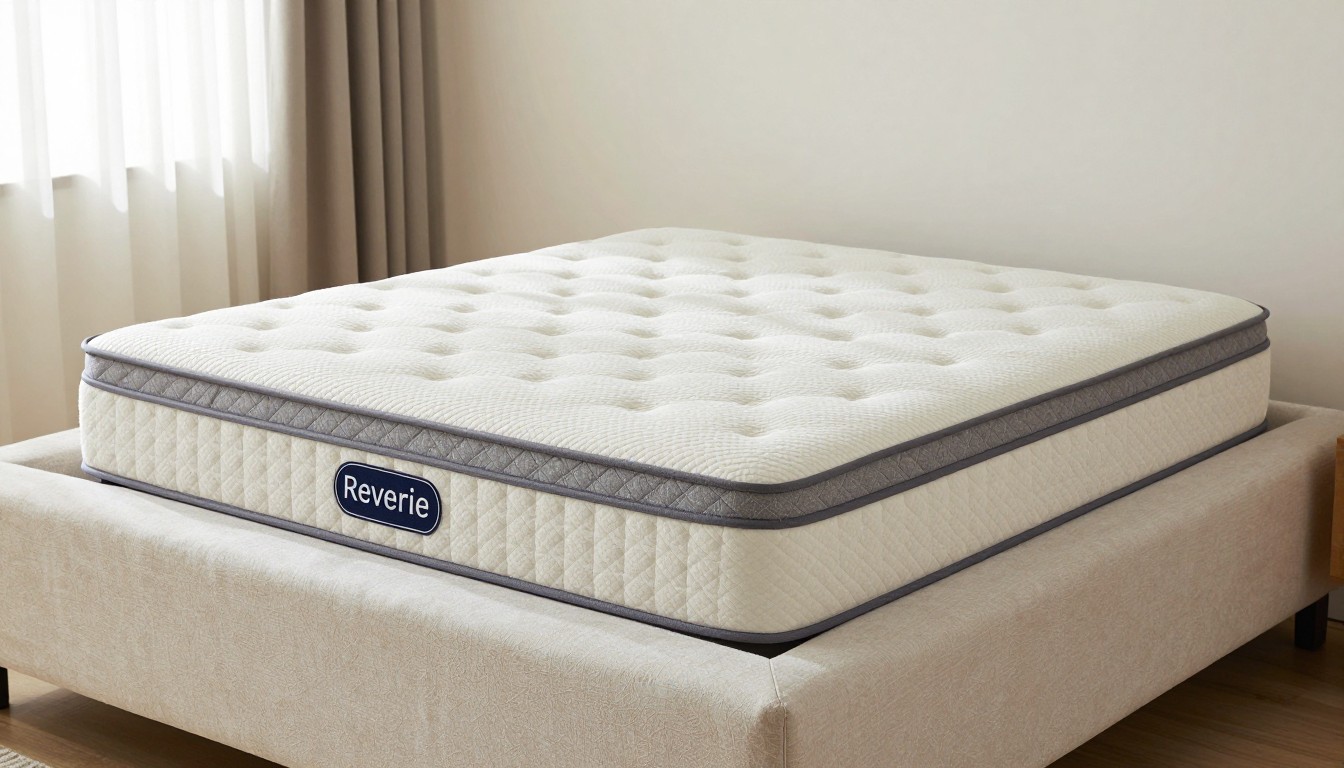
DreamCell foam springs are the feature that separates Reverie from a standard fixed-feel mattress. Reverie describes them as modular foam spring components that support broad firmness permutations. In plain English, the system is designed to give the shopper more say in how the bed feels than a mattress built around one unchangeable comfort stack.
That approach has a genuine upside. A fixed mattress asks you to accept the manufacturer’s chosen balance of pressure relief and support. A configurable design gives more room to pursue a softer, firmer, or side-to-side different feel, provided the selected model and size support the configuration you want. Per Reverie’s product information, dual-firmness options are available in certain setups, not as a blanket promise across every model.
The tradeoff is decision fatigue. More components and more possible arrangements can make the purchase harder to evaluate. I don’t see that as a flaw in the materials. I see it as a reason to slow down. Ask for the precise layer plan, confirm which parts are adjustable, and make sure the configuration matches how you actually sleep.
The Nut’s read: Customization is valuable only if the seller can explain the final build clearly. A complicated system should leave you with fewer unanswered questions, not more.
Latex options give the lineup a clearer material story
Latex appears in selected Reverie configurations, including natural-focused models described by the brand. That matters because latex has a distinct job in a mattress: it tends to deliver a buoyant, responsive surface rather than the slower sink associated with traditional memory foam. The result is not automatically better. It is simply a different kind of comfort.
For shoppers who dislike feeling buried in a bed, that responsive character may be the most persuasive part of the Reverie proposition. The latex layer can work with the DreamCell system rather than replacing it, pairing surface comfort with a more configurable support approach. Reverie also presents natural-material options, though the exact materials and layer details should be verified on the product page for the chosen configuration.
I’d pay close attention to what sits above and below the latex. A mattress is a stack, not a single ingredient. The comfort layer affects initial pressure relief and surface feel; the deeper components shape how steadily the body is held over time. Reverie’s modular concept may let buyers fine-tune that relationship, but it also means two configurations under the same broad model name may not feel alike.
Cooling claims deserve the same disciplined reading. Independent Reverie summaries commonly point to cool-sleeping comfort, particularly in latex-oriented configurations. That is plausible as a material discussion, but comfort is personal and the exact cover, foam, latex, and base configuration all matter. I would treat cooling as a reason to inspect the build, not a reason to assume a universal result.
Comparing options? The Saatva Solaire is the pick we keep coming back to — see the final verdict ↓
An adjustable base can be useful, but it changes the purchase
Reverie’s sleep-system focus means the mattress is often discussed alongside an adjustable base. According to Reverie’s product descriptions, base options can include features such as wireless controls, massage, and wall-hugging designs, depending on the version. This is a fundamentally different shopping experience from buying a mattress alone.
For the right buyer, an integrated system is tidy. The mattress and base are intended to work together, and there is less uncertainty about whether the bed is suited to articulation. For the wrong buyer, it adds cost, setup considerations, more components to understand, and more policy details to review.
The practical question is whether you will use the base. If you regularly read, watch television, or prefer changing your upper-body or leg position in bed, the system has an obvious purpose. If you want a simple flat sleep surface and do not care about powered adjustment, much of Reverie’s core value proposition may be lost on you.
Before ordering, get these answers in writing:
- Which mattress layers are included in the selected configuration?
- Does the chosen size support different feels on each side?
- Is the adjustable base included, optional, or separately priced?
- Which base features apply to that exact version?
- What return and warranty terms govern the mattress and base components?
Premium pricing makes value the real pressure point
Reverie sits in the premium tier, according to independent product roundups and model-level reviews. That is not surprising given the configurable materials and adjustable-base focus. It does mean the purchase needs a higher standard of scrutiny than a straightforward mattress with a fixed construction.
The strongest argument for the price is not that every shopper needs an adjustable system. They do not. The argument is that a shopper who values configurable firmness, selectable materials, and a coordinated base may get a more tailored setup. The weakest argument is paying for features you will never use.
Long-term value is where the available review summaries become more cautious. Independent write-ups have noted durability concerns and mixed impressions of value over time. That does not prove that every Reverie system will age poorly. It does mean I would not accept a broad materials story without asking how the selected components are covered and what happens if a particular part needs attention.
Reverie’s warranty coverage varies by model and region, according to the brand’s own policy guidance. That variation matters because a sleep system can involve separate mattress and base components. Confirm the terms that apply to your purchase, including exclusions and the process for service, before you decide.
Comfort depends on configuration, not the label alone
A Dream Supreme Natural setup and a hybrid-oriented setup should not be treated as interchangeable just because both fall under the Reverie umbrella. Reverie describes Dream Supreme versions with latex-based comfort materials and DreamCell support, while other configurations emphasize hybrid construction. The name is only the starting point. The actual layer plan is the useful information.
That is especially relevant for side sleepers, back sleepers, couples, and anyone considering split firmness. Side sleepers usually need enough surface give to reduce pressure concentration at the shoulder and hip. Back sleepers often care more about a stable middle section. Those are use-case considerations, not promises about a specific build. A configurable system may offer more routes toward either outcome, but only if the selected arrangement is appropriate.
Couples should focus on the details of split firmness and movement. Reverie’s DreamCell concept supports a range of firmness permutations, per the brand. Yet motion behavior depends on the full construction, including comfort materials, the configuration on each side, and the base beneath it. Do not assume that a customizable system automatically solves every shared-bed issue.
If you are comparing broad comfort philosophies, my guide to Zoma mattress reviews and my look at Zoma Hybrid mattress reviews can help frame the difference between a more conventional mattress purchase and a configuration-led system. The point is not that one approach wins for everyone. It is that they ask different things of the buyer.
Who should consider it, and who should move on
Reverie is best suited to shoppers who want a sleep system rather than a mattress-only purchase. That means people willing to discuss materials, firmness options, base features, and component-specific terms before they buy. It may also suit a couple that has confirmed the availability of a split-feel configuration in its preferred size.
I would move on if the shopping process already feels like work. A mattress should not require a materials seminar to become comfortable, and a buyer who prefers a clear fixed construction may find Reverie’s options excessive. The brand’s premium positioning also makes it a poor fit for anyone who is primarily chasing straightforward value.
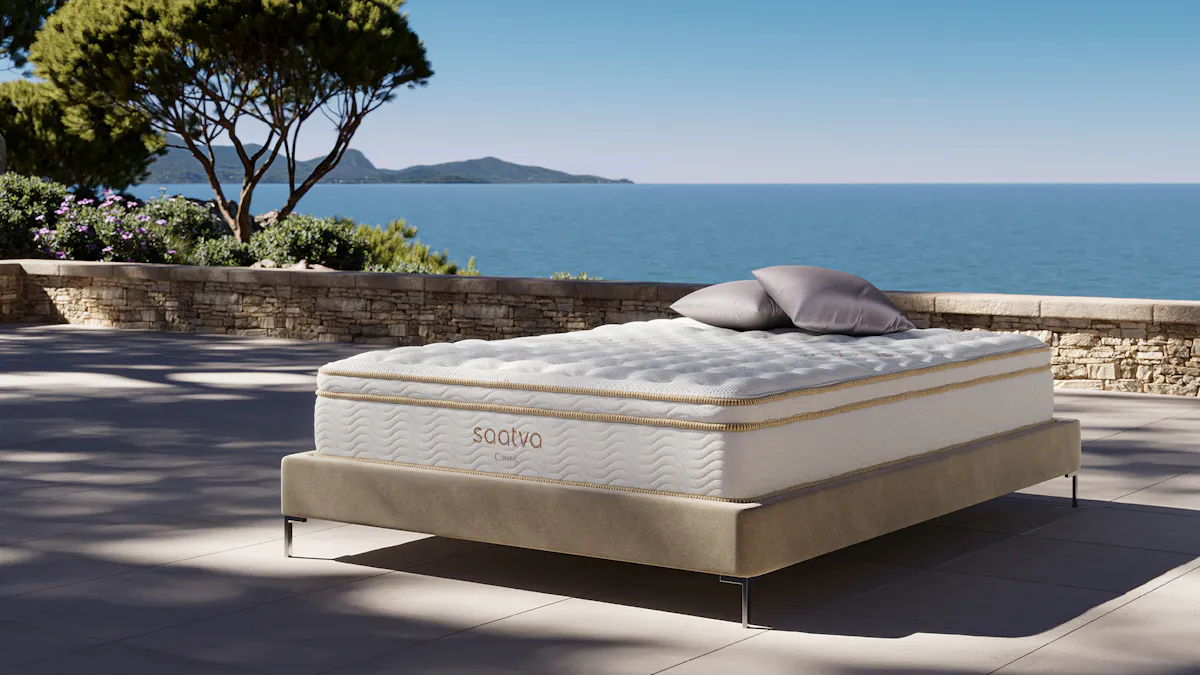
For a more traditional luxury-mattress route, I tend to recommend the Saatva Solaire. It is a cleaner choice for a shopper who wants a conventional mattress purchase with flexible financing, a generous sleep trial, and a long warranty, according to Saatva’s current brand information. Check the current offer directly with the manufacturer and compare the exact policies before committing.
My decision rule: Buy the configurable sleep system only if you value the configuration itself. If the adjustable base and selectable feel are not central to your decision, a simpler construction is usually easier to judge.
How Reverie compares with a conventional mattress purchase
| Shopping question | Reverie approach | Conventional mattress approach |
|---|---|---|
| How is feel selected? | Reverie describes configurable DreamCell arrangements and selected material options. | The shopper chooses among prebuilt firmness designs. |
| What is being purchased? | Often a broader sleep system with mattress and adjustable-base considerations. | Usually a mattress, with a base considered separately if needed. |
| What needs verification? | Exact layers, configuration, base features, and component-specific coverage. | Construction, firmness, compatibility, and the brand’s policies. |
| Who benefits most? | A buyer who actively wants adjustability and customization. | A buyer who values a simpler, easier-to-compare purchase. |
There is no universal winner here. Reverie’s advantage is breadth of configuration, according to its product descriptions. A conventional design’s advantage is clarity: you can inspect the build, choose the intended feel, and decide whether that package suits you without managing as many moving parts.
If you are still narrowing the field, my coverage of Zaz mattress reviews and Yogabed mattress reviews offers more examples of how construction and buying simplicity can shape value. Keep the comparison focused on what you will actually use, not on feature count.
FAQ
Are Reverie mattresses customizable?
Reverie describes DreamCell foam springs as enabling a wide range of firmness permutations. Available options depend on the specific model, size, and configuration, so confirm the final layer plan before ordering.
Does Reverie sell mattresses with adjustable bases?
Many Reverie offerings are presented as sleep systems that pair a mattress with an adjustable base, according to the brand’s product descriptions. Base features vary, so verify what is included with the exact configuration you are considering.
Are latex materials available?
Selected Reverie configurations include latex and natural-material options, per Reverie’s lineup information. Check the listed materials for the exact model because the construction can vary across configurations.
Why do Reverie mattress reviews mention price so often?
Independent review summaries commonly place Reverie in the premium tier, reflecting its configurable construction and sleep-system approach. The key question is whether you will use the customization and adjustable-base features that contribute to that positioning.
What should I verify before buying?
Confirm the exact layers, firmness arrangement, base inclusion, base features, return terms, and warranty terms for your chosen setup. Reverie indicates that coverage can vary by model and region, so general policy language is not enough.
Final verdict
Reverie is a credible choice for the buyer who wants a configurable, adjustable sleep system and is prepared to evaluate its details carefully. Its DreamCell concept and selected latex options give it a distinct construction story, according to the brand. For everyone else, the premium complexity is likely the bigger story. Keep the purchase grounded in the exact configuration, the current official price, and the policies that apply to every component.
FINAL VERDICT
Before you settle: if reverie mattress is what brought you here, the Saatva Solaire is the value pick on this page — more home-trial and warranty coverage than the alternatives covered here. Confirm current price, dimensions and terms on the official product page before ordering.
OUR CATEGORY-MATCHED PICK · UP TO $334 OFF
Saatva Solaire
- 365-night home trial and lifetime warranty, per saatva.com
- Handcrafted in the USA, free white-glove delivery
- Flexible financing available