
 by
by Saatva's organic percale sheets use single-ply, long-staple cotton -- the weave and fiber quality that actually matters. Available in sizes from Twin to Split Cal King.
Why Thread Count Charts Are Misleading Without Ply Context
Thread count is defined as the number of threads (warp + weft) per square inch of fabric. The problem: there is no standard governing how "thread" is defined in consumer labeling. A manufacturer can twist three fibers together, call it one multi-ply thread, then count each fiber strand separately -- multiplying the apparent thread count by three without adding any quality.
This is not edge-case deception. It is standard industry practice. Most sheets marketed above 500TC use multi-ply construction to justify the number. We also have detailed guides on what thread count means and what counts as a good thread count if you want the full background.
Thread Count Decoded: The Comparison Chart
| Labeled TC | Actual Single Threads/in2 | Ply Assumption | Quality Grade |
|---|---|---|---|
| 200TC | 200 | Single | Entry level -- adequate for budget percale |
| 300TC | 300 | Single | Good -- mid-range percale sweet spot |
| 400TC | 400 | Single | Excellent -- premium percale and sateen |
| 500TC | 500 (if single-ply) | Verify ply | Good if single-ply; suspicious if not stated |
| 600TC | 200 (if 3-ply) | Likely 3-ply | Usually worse than 400TC single-ply |
| 800TC | 267 (if 3-ply) | Almost certainly 3-ply | Marketing -- avoid unless single-ply verified |
| 1000TC | 333 (if 3-ply) | Always multi-ply | Marketing -- inferior to good 400TC |
How to Use This Chart When Shopping
Step 1: Ignore thread count above 500 unless "single-ply" is explicitly stated on the packaging or product description.
Step 2: For any sheet 200-400TC, check if ply is stated. If it says "single-ply" or "single-thread construction," that number is genuine. If ply is not mentioned, assume single-ply (most sheets in this range are).
Step 3: Cross-reference with fiber certification. A 400TC single-ply in SUPIMA cotton is genuinely excellent. A 400TC single-ply in unlabeled short-staple cotton is mediocre. The chart above applies to same-fiber comparisons.
Thread Count by Weave Type: Optimal Ranges
| Weave | Optimal TC Range | Why |
|---|---|---|
| Percale | 200-400TC single-ply | Lower count keeps the weave open for breathability |
| Sateen | 300-600TC single-ply | Denser weave benefits from higher thread count |
| Flannel | Measured in GSM, not TC | 170-200 GSM is the warmth target metric |
| Jersey | Measured in GSM, not TC | Knit fabric is not measured in thread count |
The Single-Ply Test: How to Check Before Buying
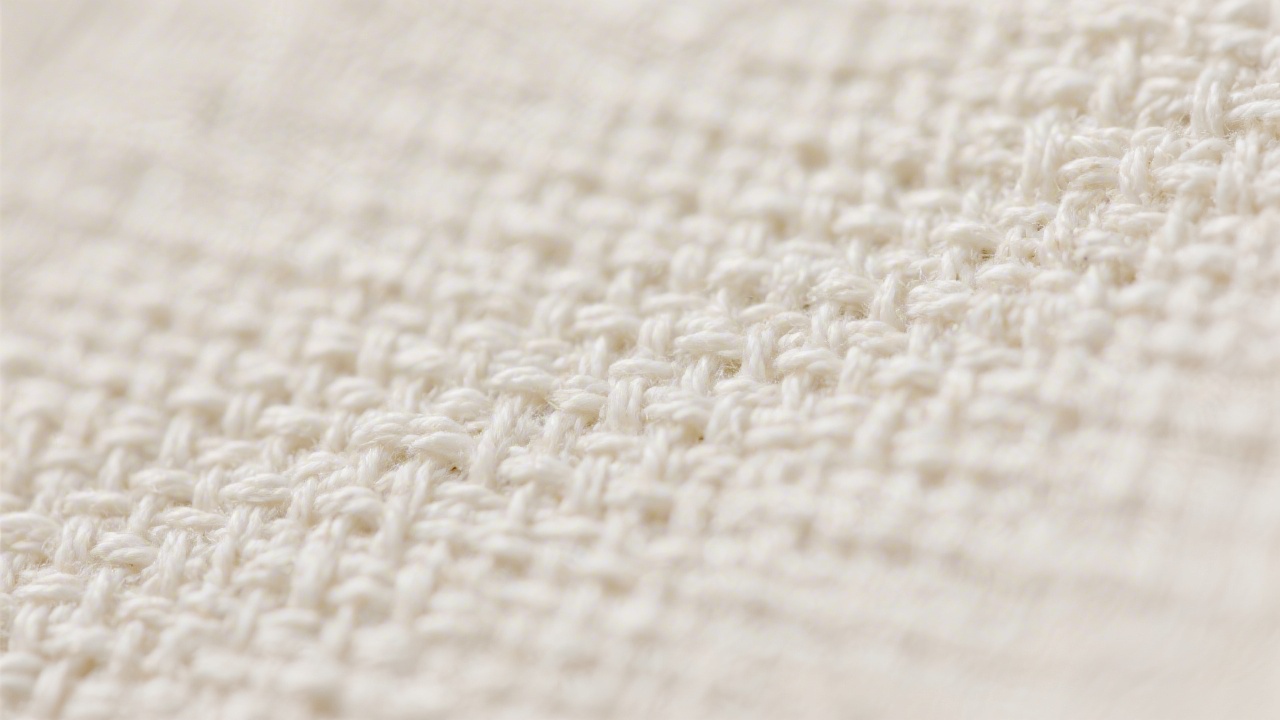
Hold a corner of the sheet up to light. Single-ply weave shows a distinct grid pattern with visible air gaps between threads. Multi-ply construction looks denser and more opaque at the same thread count. If buying online, look for the words "single-ply," "single-thread," or "singles" in the product description. Absence of ply disclosure above 500TC is a red flag.
For a complete sheet buying framework, see our how to buy sheets guide. For weave-specific guidance, see the sateen vs percale comparison or the dedicated percale sheets guide.
Saatva's organic percale sheets use single-ply, long-staple cotton -- the weave and fiber quality that actually matters. Available in sizes from Twin to Split Cal King.
Voted best luxury innerspring mattress with exceptional lumbar support and white-glove delivery.
Check Price & Availability FAQPage", "mainEntity": [{"@type": "Question", "name": "Is 1000 thread count sheets good?", "acceptedAnswer": {"@type": "Answer", "text": "No. 1000TC sheets are almost always multi-ply -- typically three-ply yarn where each strand is counted separately. The resulting fabric is dense, less breathable, and less durable than a 400TC single-ply sheet. 1000TC is a marketing number, not a quality indicator."}}, {"@type": "Question", "name": "What is a good thread count for sheets?", "acceptedAnswer": {"@type": "Answer", "text": "For percale: 300-400TC single-ply. For sateen: 400-600TC single-ply. These ranges represent genuine quality. Above these numbers without explicit single-ply disclosure is almost always multi-ply inflation."}}, {"@type": "Question", "name": "Does thread count matter at all?", "acceptedAnswer": {"@type": "Answer", "text": "Within a single-ply, same-fiber comparison, a higher thread count does produce a slightly finer, smoother fabric. The problem is that most marketed thread counts cannot be compared across brands because ply is rarely disclosed. Thread count is a secondary factor after fiber quality and weave."}}, {"@type": "Question", "name": "What is the difference between single-ply and multi-ply thread count?", "acceptedAnswer": {"@type": "Answer", "text": "Single-ply uses one thread per count unit. Multi-ply twists two, three, or more fibers together and counts each strand. A 600TC three-ply sheet uses only 200 yarn threads per inch -- the same as a basic 200TC single-ply. The extra count creates false density that reduces breathability."}}, {"@type": "Question", "name": "What thread count is best for hot sleepers?", "acceptedAnswer": {"@type": "Answer", "text": "Hot sleepers should target 200-300TC percale single-ply. Lower thread count in percale weave means more open structure and higher air permeability. The cool hand-feel of low-count percale is not a sign of cheapness -- it's the physics of breathability working correctly."}}]}