 by
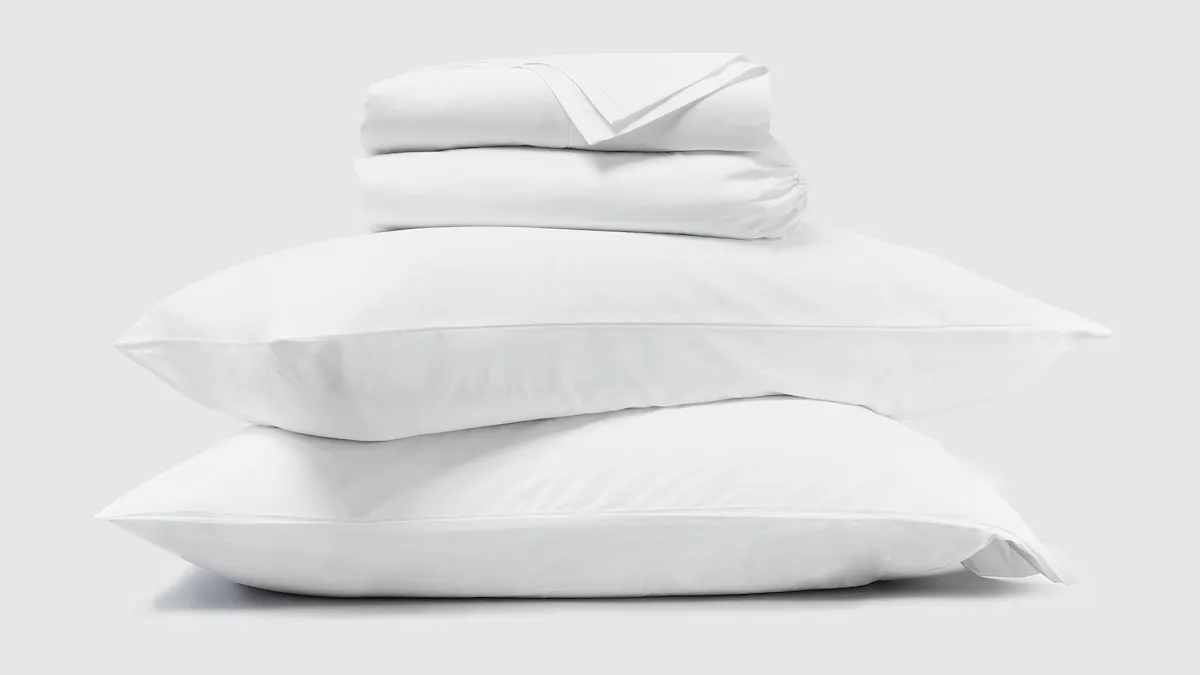
by Quick answer: Yes. Most bedding experts and manufacturers say wash new sheets before first use. It strips factory residues, softens the fabric, and protects sensitive skin. Low-chemical options like the Saatva Organic Cotton Sheets start cleaner from day one.
- New sheets can carry dyes, sizing agents, finishing chemicals, and traces of formaldehyde from the factory, per manufacturer guidance.
- A first wash in warm water (as the care label allows) with mild detergent removes a large share of these residues.
- Certifications like OEKO-TEX Standard 100 and GOTS signal fewer chemicals in the finished fabric.
Updated July 2026 · Reviewed for accuracy
That fresh-out-of-the-package smell? It's not "clean." It's the factory. New sheets go through dye baths, chemical finishes, plastic packaging, and warehouse dust before they ever touch your bed. I wouldn't sleep on that, and after this article, I doubt you will either. Here's the short version: wash first, sleep second. Now let me walk you through the why and the how.
Why New Sheets Need a First Wash
Sheets aren't food, so nobody regulates what residue stays on the fabric when it ships. According to bedding manufacturers and textile experts, new sheets can carry several things you don't want against your skin for eight hours a night:
- Dyes. Excess dye that wasn't fully set can transfer to your skin and your other laundry, especially on dark or saturated colors.
- Sizing agents. These are starch-like coatings applied during weaving to keep yarns stiff and easy to handle. They make fabric feel crisp on the shelf, not soft on your body.
- Finishing chemicals. Wrinkle-resistance and "easy care" finishes often involve chemical treatments, and traces of formaldehyde can linger from some of these processes.
- Dust and handling residue. Sheets pass through factories, shipping containers, warehouses, and store shelves before they reach you.
A first wash removes a large portion of these substances, per manufacturer care guidance. For most people, skipping it means a night of slightly stiff sheets. For anyone with sensitive skin, eczema, or allergies, it can mean real irritation. Not worth the gamble when the fix is one laundry cycle.
The Nut's take: that "crisp" feel of brand-new sheets is mostly sizing, not quality. It's a cosmetic trick for retail shelves. Wash it off and you finally feel what you actually paid for.
How to Wash New Sheets Before First Use
Start with the care label. Every recommendation I'm about to give loses to whatever the manufacturer printed on that tag, because they know the specific dye and finish on your set. That said, the general playbook most manufacturers and bedding experts endorse looks like this:
- Check the care label for maximum water temperature and cycle settings before anything touches water.
- Wash dark or vivid colors separately the first time. Excess dye release is real, and one red pillowcase can tint an entire load.
- Use warm water if the label permits. Warm water loosens sizing agents and residual dye better than cold, and most care labels allow it.
- Pick a mild detergent. Skip harsh bleaches and heavily fragranced formulas, since those can leave their own residues behind, which defeats the whole point.
- Optional: add a small splash of white vinegar to the rinse. Bedding experts often suggest this to help strip leftover residue. Don't overdo it, a small amount is plenty.
- Dry per the label. Low to medium heat is the safe default. High heat can set wrinkles and stress fibers on a first wash.
If you're prone to skin reactions, a second wash with a fragrance-free detergent gives extra peace of mind. It's a gentle way to pull more chemical residue out without punishing the fabric. For a deeper dive on technique, my guide on how to wash sheets the right way covers water temps, cycles, and drying for every fabric type.
Quick first-wash checklist
- Care label read, temps confirmed
- Darks washed solo
- Mild detergent, no bleach
- Warm water if allowed
- Low-to-medium heat dry
Comparing options? The Saatva Organic Cotton Sheets is the pick we keep coming back to — see the final verdict ↓
What Changes After the First Wash
Three things, and all of them are improvements. First, softness. Once the sizing agents rinse out, cotton and linen relax into their true hand feel. Sateen weaves get silkier, percale gets that broken-in coolness people love. Second, appearance. Colors often look more vibrant and uniform once loose dye and factory coatings are gone. Third, shedding. The first wash carries away loose, softened fibers that would otherwise pill up on your bed over the next week.
One warning: don't judge a sheet set straight out of the package. I've seen plenty of people return sheets they called "scratchy" that would have felt completely different after one cycle. Judge after the first wash, not before. And once they're in rotation, consistency matters more than anything, which is why I put together a realistic schedule for how often you should wash your sheets once they're in use.
Sensitive Skin, Dark Colors, and Other Special Cases
Sensitive skin or allergies. Use a fragrance-free detergent and a gentle cycle for the first wash. Fragrance and dye residues in conventional detergents are common irritants themselves, so swapping them out removes two problems at once. The double-wash trick from earlier applies here too.
Dark or saturated colors. Wash these separately the first time, full stop. Dye transfer is the number-one way people ruin a first wash, and it's permanent. Cold-to-warm water also helps lock in color better than hot.
Linen and specialty fabrics. Linen softens dramatically with each wash, so the first cycle is where the transformation starts. Don't panic if it feels stiff out of the package. Follow its specific care label, since some natural fibers prefer cooler water.
Grounding sheets and other conductive bedding. These have silver threads woven in, and harsh washing degrades them. That's a separate protocol entirely, and I cover it in my guide to washing grounding sheets without killing the conductivity.
Good to know: wondering whether to throw sheets in with your towels to save a load? I answered that separately, and the short version is "it depends." Read whether you can wash bed sheets with towels before you mix.
Buying Sheets That Start Cleaner
Here's the angle most articles skip: you can reduce the problem at the source. Some sheets arrive loaded with finishing chemicals, others arrive nearly clean. The difference comes down to materials, certifications, and how the brand finishes its fabric.
Certifications are your shortcut. OEKO-TEX Standard 100 means the finished fabric has been tested for a list of harmful substances. GOTS (Global Organic Textile Standard) goes further, certifying organic fiber content and restricting chemical inputs through processing. If a sheet set carries either, there's simply less to wash off on night one.
Material matters more than thread count. A higher thread count is not automatically better, fabric quality and weave drive both feel and durability. Long-staple cotton in a percale or sateen weave, real linen, and quality blends all age well. Cheap microfiber often relies more heavily on chemical finishes to fake softness, which is exactly what you're trying to avoid.
If I were buying today with chemical residue as my top concern, I'd look at certified-organic cotton first. The Saatva Organic Cotton Sheets are the kind of set I mean: GOTS-certified organic cotton, priced in the premium tier, so check the current price on the official site. Sets like that start with fewer chemicals in the fabric, which makes the first wash a formality instead of a detox. Whatever you buy, also confirm the pocket depth matches your mattress, since a perfect set that pops off the corners is a return waiting to happen, and most bedding is returnable within a window if you check the policy first.
FAQ
Do you really have to wash brand-new sheets?
Yes, and this is one of the rare bedding questions where experts and manufacturers agree. New sheets carry dyes, sizing agents, finishing chemicals, and dust from production and packaging. One wash removes a large portion of that and takes maybe an hour of your time.
What happens if you sleep on unwashed new sheets?
Probably nothing dramatic for most people, just stiffer, less comfortable fabric. But sensitive skin can react to residual dyes and finishing chemicals with itching or irritation, and excess dye can transfer onto your skin and pajamas overnight.
Should you wash new sheets in hot or cold water?
Follow the care label first. If it allows warm water, that's the sweet spot: warm loosens sizing agents and residual dye better than cold, without the shrinkage and color-fade risks of hot water on a brand-new set.
Can vinegar help clean new sheets?
Yes, in moderation. A small splash of white vinegar in the rinse cycle is a trick bedding experts suggest for stripping leftover residue. Don't dump in a whole cup, a little goes a long way, and the smell rinses out completely.
Do organic or OEKO-TEX sheets still need a first wash?
Yes. Certifications like OEKO-TEX Standard 100 and GOTS mean fewer chemicals in the finished fabric, not zero handling dust from shipping and packaging. The first wash is faster and less critical, but I'd still do it before sleeping on them.
That's the whole story. New sheets go straight into the wash, always. Warm water if the label allows, mild detergent, darks on their own, low heat to dry. One cycle and you've got softer fabric, truer color, and nothing between you and your skin that came from a factory floor. Wash first, sleep better.
FINAL VERDICT
Bottom line for the new-sheets washing question: if you want sheets that start cleaner, the Saatva Organic Cotton Sheets is the safer buy. GOTS-certified organic cotton means less factory residue to wash off on night one.
OUR CATEGORY-MATCHED PICK
Saatva Organic Cotton Sheets
- GOTS-certified organic cotton: chemical inputs restricted through processing
- Fewer finishing chemicals from the factory, so the first wash is a formality instead of a detox
- Confirm the pocket depth matches your mattress before ordering