
 by
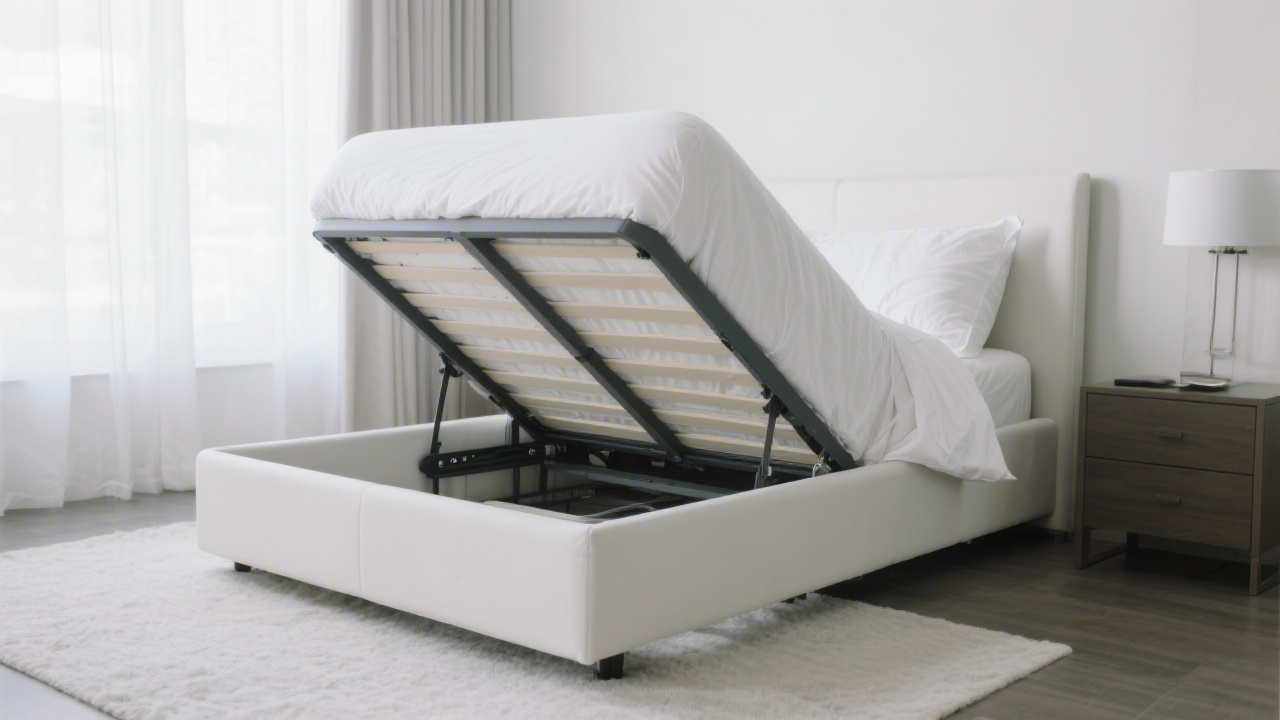
by Our Top Pick: Shop Saatva Adjustable Base — Best overall for support, durability, and edge support for older adults.
Sleep Apnea in Older Adults: A Different Clinical Picture
Sleep apnea affects an estimated 30-40% of adults over 65 — making it one of the most prevalent sleep disorders in this age group. But it's also one of the most underdiagnosed, for a specific reason: it presents differently in older adults than in the classic picture that most doctors and patients recognize.
Why Sleep Apnea Is Often Missed After 60
The classic sleep apnea presentation — loud snoring, witnessed apneas, overweight male, excessive daytime sleepiness — doesn't apply to a large proportion of older adults with the condition.
Snoring decreases in many older adults with sleep apnea as pharyngeal muscle tone and airway anatomy change. Partners who report "he doesn't snore anymore" may actually be reporting progression of airway collapse.
The daytime sleepiness pattern shifts. Young adults with sleep apnea typically report severe, overwhelming daytime sleepiness. Older adults more commonly report fatigue, reduced energy, and decreased motivation — symptoms that are easily attributed to "getting older" or depression.
Cognitive symptoms predominate. Memory problems, word-finding difficulty, reduced concentration, and executive function impairment are often the presenting symptoms of sleep apnea in older adults — not sleepiness. These are also attributed to age-related cognitive decline, delaying the correct diagnosis significantly.
Nocturia is a clue most miss. Sleep apnea causes release of atrial natriuretic peptide during apneic episodes, increasing urine production. Multiple nighttime bathroom trips in a patient without obvious BPH or overactive bladder may be sleep-apnea-driven. This is reversible with treatment.
Morning headache — from CO2 accumulation during apneic episodes — is reported more consistently in older adults than daytime sleepiness, but is often attributed to other causes.
Why Prevalence Doubles Between 40 and 60
Several age-related changes compound to increase sleep apnea risk dramatically:
- Upper airway muscle tone decreases, reducing structural support that keeps the airway open
- Fat redistribution — particularly around the neck and pharynx — increases airway narrowing
- Reduced arousal threshold (sleep becomes lighter) paradoxically means more frequent brief awakenings from apnea events, fragmenting sleep more
- Postmenopausal hormonal changes in women remove the protective effect of estrogen and progesterone on airway patency — women's sleep apnea rates approach men's after menopause
- Reduced lung reserve means oxygen desaturations during apneic episodes are steeper and recover more slowly
The Cardiovascular and Cognitive Stakes Are Higher
Untreated sleep apnea in older adults carries more serious consequences than in younger adults. Repeated oxygen desaturations stress an already-compromised cardiovascular system — sleep apnea significantly increases the risk of atrial fibrillation, which itself dramatically increases stroke risk. The cognitive effects — memory impairment, executive dysfunction — appear to accelerate the neurodegenerative process in people with genetic or pathological susceptibility to dementia. If you're concerned about sleep quality and cognitive health after 50, sleep apnea evaluation is a priority.
What to Tell Your Doctor
Bring specific symptoms rather than a general complaint of poor sleep:
- "I wake feeling unrefreshed despite 7-8 hours of sleep"
- "I have morning headaches 3+ times per week"
- "My partner says I sometimes stop breathing or gasp" (if applicable)
- "I wake 2-3 times per night — even for the bathroom"
- "I've noticed increased forgetfulness and mental fog in the last year"
Request a sleep study (polysomnography or home sleep apnea test). If your physician attributes these symptoms to "just aging," the combination of morning headaches, nocturia, and cognitive symptoms specifically warrants sleep apnea evaluation. See also our guide on nocturia and sleep which covers the sleep apnea connection in detail.
Treatment in Older Adults: What Works
CPAP remains the gold standard regardless of age and has been shown to improve cognitive function, reduce cardiovascular events, and eliminate nocturia in high-compliant older adults. Tolerance can be more challenging — mask fit, nasal dryness, claustrophobia — but modern equipment significantly reduces these issues. Auto-titrating CPAP (APAP) and bilevel (BiPAP) are good options for older adults who struggle with fixed-pressure CPAP.
Positional therapy — sleep apnea that worsens significantly in the supine position (back sleeping) — is more prevalent in older adults and more amenable to positional intervention. Devices that prevent back sleeping can be effective for positional OSA.
Adjustable bases that elevate the head 10-30 degrees reduce the severity of sleep apnea significantly in many patients by shifting the tongue and soft tissue away from the airway. This works especially well combined with CPAP. See our recommended adjustable base options for sleep apnea management.
Oral appliance therapy (mandibular advancement devices, fitted by a dentist specializing in sleep medicine) is effective for mild-to-moderate OSA and has better compliance rates than CPAP in some patients.
Weight loss remains important but is not a prerequisite for treatment — older adults should not wait for weight loss before pursuing evaluation and treatment.
For the broader picture of sleep challenges in this age group, see our guides on sleep in your 60s and mattress support for aging.
Frequently Asked Questions
Can you develop sleep apnea for the first time in your 60s?
Yes — and commonly. While sleep apnea often begins earlier (undiagnosed), the 60s bring the combination of airway muscle tone loss, weight redistribution, and hormonal changes (particularly post-menopausal in women) that can initiate OSA in people who didn't have it before. New-onset sleep apnea in the 60s is common and completely treatable.
Does sleep apnea look different in older women?
Significantly. Older women with sleep apnea more commonly report insomnia symptoms (difficulty staying asleep rather than daytime sleepiness), fatigue rather than sleepiness, and mood symptoms (depression, anxiety) rather than classic snoring and apnea. This female presentation is frequently missed. Post-menopausal women should have the same index of suspicion as same-age men for sleep apnea evaluation.
Can sleep apnea cause dementia?
The evidence is strong for a relationship, though causality isn't fully established. Intermittent hypoxia from apnea damages brain tissue; impaired glymphatic clearance during disrupted sleep may accelerate Alzheimer's pathology. Studies show CPAP treatment in patients with mild cognitive impairment reduces the rate of progression. Sleep apnea evaluation is a reasonable component of cognitive health assessment after 60.
What if I can't tolerate CPAP?
CPAP intolerance is common, particularly initially. Solutions include: starting with lower pressure and increasing gradually, using heated humidification, trying different mask styles (nasal pillow masks are often better tolerated), and using APAP (auto-titrating) rather than fixed pressure. If CPAP truly fails, oral appliance therapy, positional therapy, or surgical options (including inspire nerve stimulation for appropriate candidates) are effective alternatives.
Is sleep apnea treatment covered by Medicare?
Yes. Medicare Part B covers CPAP therapy for beneficiaries diagnosed through sleep testing, for a 3-month trial with continued coverage if therapy compliance is demonstrated. Home sleep apnea testing is also covered. Coverage details vary by supplement plan; verify with your specific plan before pursuing testing.
Ready to improve your sleep quality?