
 by
by A new mattress feels firm because fresh foams and comfort layers have not broken in yet, and your body is adapting from your old surface. Most beds soften measurably within 30 to 60 nights of regular use. If it is still wrong after the trial window, the firmness level was a mismatch. The Saatva Classic is our top pick: it comes in three firmness options so you can match your sleep style precisely, and the 365-night trial gives you nearly a year to confirm the choice. The Amerisleep AS3 is the best all-foam alternative on a 100-night trial.
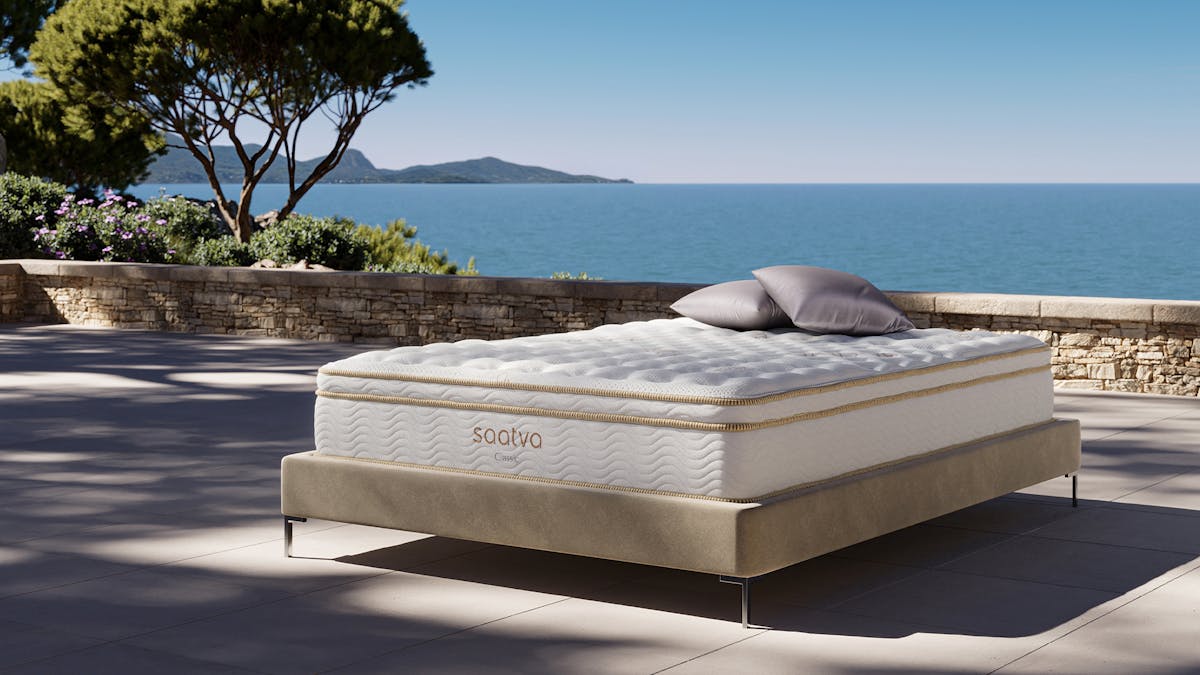
Saatva Classic
9.2/10
- 3 firmness options (Plush Soft ~4, Luxury Firm ~6, Firm ~8): choose before delivery, not after
- 365-night trial, the longest in the industry, gives you real time to judge the settled feel
- Free white-glove delivery, setup, and old-mattress removal
- Dual-coil construction with zoned lumbar reinforcement and organic cotton cover
- $99 return fee if you swap during the trial
- Ships flat, not compressed in a box, heavier to handle
Choosing the wrong firmness level is the most common reason a new mattress feels off. The Saatva Classic's three-option lineup and 365-night window let you pick correctly, and exchange without pressure if you misjudged. It is the most direct engineering answer to the new-mattress-firmness problem.
Why does a new mattress feel so firm?
Two things happen at once when you first lie on a new mattress. The materials are fresh and stiff: foam and comfort layers are compressed for the first time, and it takes dozens of hours of body weight and heat to relax to their settled feel. At the same time, your body is comparing the new surface to your old one. If your old mattress was worn or soft, even a genuinely medium bed will seem hard by contrast until your pressure points and spine adapt to proper alignment.
This is completely normal. Even a well-matched mattress will feel firmer in the first week than it does in week eight. The standard guidance from most manufacturers is 30 to 60 nights before drawing conclusions, and this is the main reason sleep trials exist.
How long does new mattress break-in take?
Most foam beds need 30 to 60 nights of regular use before they reach their settled firmness. Hybrid and innerspring beds with a foam comfort layer take a similar amount of time. The break-in is faster if you use the mattress nightly, keep the room reasonably warm (foam stiffens in cold temperatures), and put body weight across the full surface regularly.
Some buyers walk across the mattress for 10 to 15 minutes each day during the first weeks, which speeds up the process by repeatedly compressing the foam cells. It helps.
Causes of firmness that do not resolve on their own
Not all firmness is temporary. If the following apply to you, the problem is the firmness level itself, not the break-in:
- You are a side sleeper who chose a firm bed: side sleeping concentrates pressure on the shoulder and hip. A firm mattress (7/10 or above) will not soften enough to allow proper sinkage at those points, no matter how long you wait.
- You are under 150 lb and bought a medium-firm or firm bed: lighter bodies do not push into the comfort layers deeply enough. A genuinely plush or medium mattress is a better match.
- The mattress is all-latex or very dense foam: these materials break in less than standard memory foam. The feel at 60 days is close to the feel on day one.
- Your pain is in the shoulders or hips, not just the lower back: that is a pressure-point failure, not an alignment failure. A softer comfort layer is the fix, not waiting.
Firmness guide: which level fits which sleeper
| Firmness | Scale | Best for | Pick |
|---|---|---|---|
| Plush / Soft | 3-4 / 10 | Side sleepers under 150 lb, shoulder/hip pain sufferers | Saatva Classic Plush Soft |
| Medium | 5-6 / 10 | Side and back sleepers, combination sleepers, most body weights | Amerisleep AS3 |
| Luxury Firm | 6 / 10 | Back sleepers, most body weights, general use | Saatva Classic Luxury Firm |
| Firm | 7-9 / 10 | Stomach sleepers, very heavy sleepers, those who need flat support | Saatva Classic Firm |
The Saatva Classic covers three of these four firmness bands, which is why it is the best single answer to new-mattress firmness problems. If you prefer an all-foam feel, the Amerisleep AS3 sits at a true medium (5/10) and suits the widest range of sleepers.
What to do if your mattress is still too firm
Give it 30 to 60 nights. If after that window it still feels too firm for your sleep position and body weight, you have three options:
- Add a plush mattress topper: a 2 to 3 inch memory foam or latex topper reduces surface firmness by roughly 1 to 2 points on a 10-point scale. This is the fastest fix if you are outside the return window.
- Use the trial policy: any mattress with a 100+ night trial should still be returnable or exchangeable. Contact the brand before the trial closes.
- Buy a mattress with firmness options next time: the Saatva Classic exists precisely for this reason, with three hardness levels and a 365-night window to test each.
Does cold make a new mattress feel firmer?
Yes. Memory foam and poly foam are temperature-sensitive. Below 65 degrees Fahrenheit, foam becomes noticeably stiffer, and below 60 degrees the effect is significant. If your bedroom runs cold, your mattress will feel harder than it should until your body heat warms the comfort layers directly beneath you. This normalizes within 10 to 15 minutes of lying down, but if the room stays cold all night, the mattress never fully softens.
Keeping your bedroom above 65 degrees during the break-in period speeds up the softening process and gives you a more accurate sense of the real feel.
Amerisleep AS3
9.0/10
- True medium (5/10) hits the balanced sweet spot most new-mattress buyers misjudge
- HIVE 5-zone support firms the lumbar without stiffening the shoulders
- CertiPUR-US certified Bio-Pur foam, made in the USA
- 100-night risk-free trial, full refund if the feel is wrong
- Softer edges than a coil hybrid
- Sleepers over 230 lb may prefer the firmer AS2 or AS5 Hybrid
If your old mattress was soft and sagging, the AS3 can seem firm at first, but it settles into a balanced surface within a few weeks. The 100-night trial is long enough to separate normal break-in from a true firmness mismatch.
Give a new mattress 30 to 60 nights before judging. Most firmness resolves with break-in and body adaptation. If it is still wrong after the trial window, the firmness level was a mismatch. The Saatva Classic (3 firmness options, 365-night trial) is the top pick for flexibility, and the Amerisleep AS3 (medium 5/10, 100-night trial) is the best all-foam alternative.
Frequently asked questions
How long does it take for a new mattress to soften?
Most foam and hybrid mattresses soften noticeably within 30 to 60 nights of regular use. The break-in is faster in a warm room and with nightly full-surface use.
Is it normal for a new mattress to feel hard?
Yes. New materials are stiff and compressed. Your body is also comparing the new surface to your old one. Both effects improve steadily over the first weeks.
Will a firm mattress soften over time?
A medium or medium-firm bed softens slightly through break-in. A genuinely firm mattress (7/10 or above) will not soften enough to feel medium, and if your body type or sleep position calls for softer, waiting will not fix the mismatch.
What can I put on a too-firm mattress?
A 2 to 3 inch plush mattress topper is the most effective short-term fix. Memory foam or latex toppers reduce perceived firmness by 1 to 2 scale points. This is a good solution if you are outside the return window or want to test a softer feel before committing to a new bed.
This guide is part of our Mattress Buying Guide hub - compare all the top picks and narrow down your choice there.