
 by
by
Editor's pick, melatonin-free
NooCube Sleep Upgrade
Melatonin-free formula · 60-night guarantee · Lemon balm 600 mg + magnesium + lavender
Our #1 Recommended Mattress
TL;DR
Mattress selection for specific conditions (back pain, side sleeping, couples, hot sleepers, seniors) depends on support zones, firmness, and pressure relief. Saatva Rx ($2,095) is designed specifically for chronic pain sleepers with lumbar zone support.
Saatva Classic. From $1,095
365-night trial · Lifetime warranty · Free white-glove delivery
We earn a commission if you make a purchase through our links, at no extra cost to you. Full disclosure.
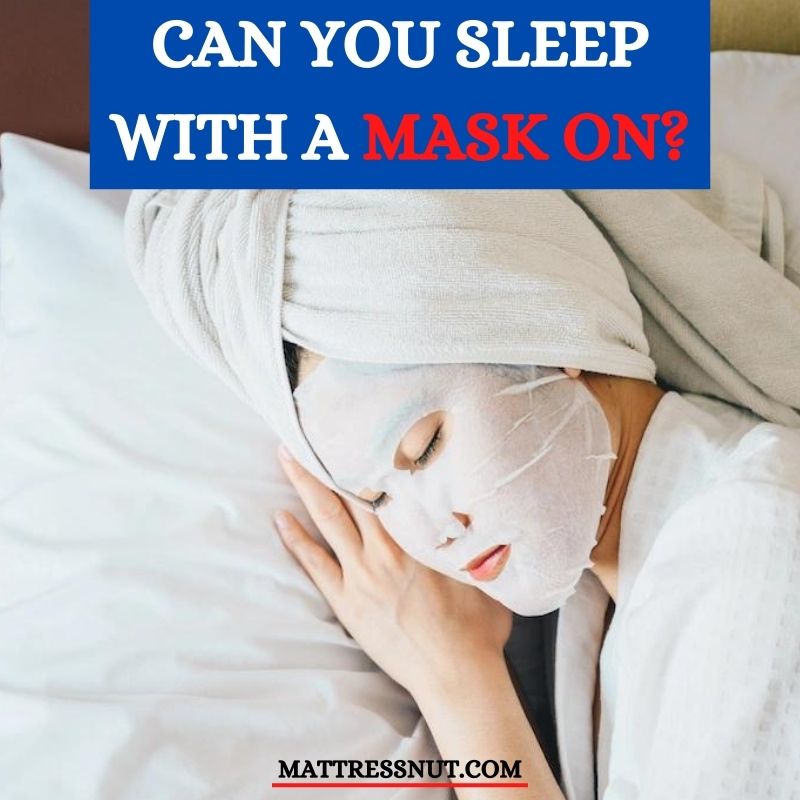
Sleeping with a mask on has gained both potential advantages and disadvantages on your skin. A facial mask can increase hydration as well as grab away moisture and make your skin drier for long.
Homemade masks are safe, whereas others containing alcohol or chemicals can be irritating to your sensitive skin face. You should select a face mask with substances to treat roughness, flatness, or pimples on your skin. As your facial skin is the hallmark of beauty, try to serve it in the best possible gentle manner.
But first, let's find out if you can sleep with a mask?
Is It Bad To Fall Asleep With A Face Mask On?
Face packs or sheet masks are our go-to for instant radiance and vibrancy. The skin that longs for active nutrition can easily be satisfied with them. Leaving them overnight because we want to get the most usefulness out of them is compelling. But it does not always yield the results we anticipate. Instead, it does the reverse to your skin, robbing it of its richness.
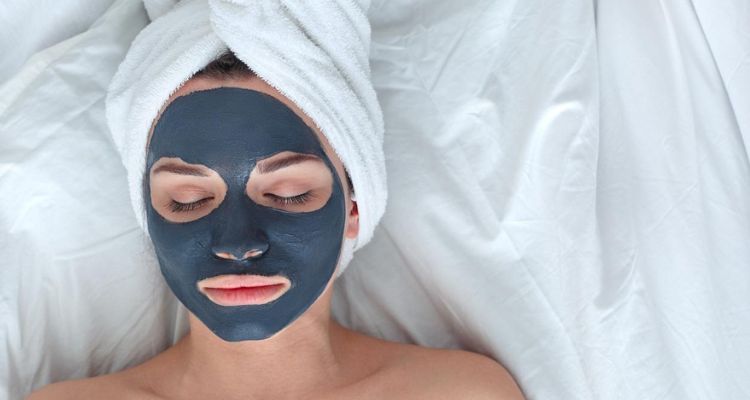
Unless the formulation is specific for overnight usage, letting a face mask dry on your face and leaving it on longer can irritate your skin and decrease the moisture levels. Especially for sensitive people, many active ingredients are toxic and allergenic. It can cause skin reactions such as redness or itching, which is the opposite of what you expect.
If you leave a clay or activated charcoal peel-off mask on your skin for too long, it can be too drying. Over time, the tension they create can cause wrinkles and lines. One should avoid them overnight unless they have very oily skin.
Alcohol-based products can drop the hydration levels of the skin. They can damage your cells, so refraining from such products is best.
Some DIY masks are too runny in consistency, and they will ruin your pillow if used while sleeping.
It would be most reasonable not to let your sheet masks dry on your face because they will absorb whatever they have applied to your skin. Just follow the instructions for optimal results.
Potential Benefits of Sleeping With a Facial Mask Applied
An overnight face mask acts as a shield and a sealer, allowing substances and all their goodness to enter more profoundly as you sleep. A thin layer of these masks keeps dirt and dust from obscuring your pores and seals in your other active cosmetics, allowing them to perform more efficiently without compromising their effectiveness.
According to research, hydration is a crucial component of ageing, especially when it comes to the appearance of wrinkles.
Skin moisture levels decline with age; older individuals may profit more from nighttime masks than younger people. The overnight therapy nourishes the skin with hydration and covers the losses. It is a fantastic addition to anyone's routine, particularly during winter when temperatures decrease and our skin becomes drier. It boosts collagen production and keeps your skin rosy and glowing.
Another important benefit is the replenishment of hyaluronic acid, vital for keeping skin plump and moisturized. Hyaluronic masks overnight are anti-ageing and keep dryness away.
The best part, it saves time throughout the day. You feed the skin at night and get up fresh and ready to shine.
Tips for Sleeping With an Overnight Face Mask
Overnight masks provide a rich boost to your skin throughout the night. The hungry skin will take in all the goodness as it repairs and rejuvenates using all the luxury ingredients in the overnight face mask.
Most of these masks come with instructions on how to use them so that you get the most out of them. Before continuing with the brand, do a patch test first to ensure that you are not allergic to any of its ingredients.
Begin with a freshly washed face. Your skin must be debris– and pollutant-free for the mask to work its magic. Prepare it and let it dry a little, so you don't have to go to bed with a runny consistency. If the mask doesn't harden, try placing a towel or old cloth on your pillow.
As you get up in the morning, wash your face thoroughly and get everything out, unless it is an absorbing mask. Pat your face dry and continue with your morning skincare routine.
How an Overnight Mask Works
A face mask that helps to hydrate and nourish your face as you sleep deeply is an overnight mask. You get brighter skin with diminished fine lines and wrinkles. Among its numerous advantages, it offers a smooth texture and less dryness or redness.
They include active ingredients that work to moisturize and moisturize your face at night so you may feel renewed and revitalized.
In sleep masks, nutrients permeate the skin all night. It can result in significant hydration, which benefits dry, lifeless skin. Hydrated skin may appear more radiant with fewer wrinkles.
Look for a facial mask with collagen peptides, sphingomyelin, or other moisturizing components if you want to moisturize your skin.
Alpha hydroxy and beta hydroxy acids, for example, may help delay the effects of aging.
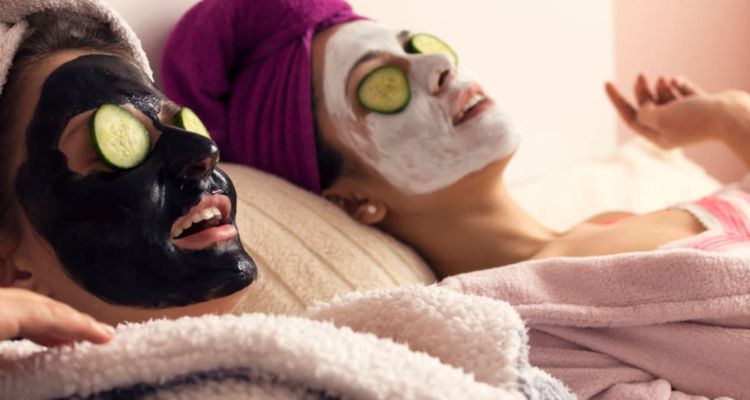
What Happens If You Leave A Face Mask On Overnight?
Even though a mask is not for nighttime usage, it is often safe to sleep in one.
All night long, the nutrients in overnight masks permeate into the skin. For dry, lifeless skin, this may result in significant hydration. The hyaluronic acid hydrates the skin and makes it appear more radiant.
Although many individuals think that applying facemasks or long will leave their faces feeling fresh, the truth is true. It might have the opposite impact on your skin.
A few factors to consider, such as:
- It throws off the natural skin pH equilibrium. The same thing occurs with sheet masks since they dry out with time and attempt to absorb moisture from your surroundings and your skin. Thus, it will dry out your skin.
- Avoid sleeping in a mask of the same chemicals if using other skin care products containing acids or retinol. It could irritate your skin if you do this. It might be too harsh to use specific products overnight.
- Some components, like activated charcoal and clay, maybe too dehydrating for use at night.
- Some components, like clay or activated charcoal, maybe too dehydrating for nightly usage.
- Masks that aren't correctly set or created by yourself at home life could be too runny to wear while you sleep, ruining your pillow cover and sheets.
- Avoid products containing alcohol, as its overnight application can be annoying for the skin.
Is It Bad To Keep A Face Mask On For Too Long?
The only ones pertinent here are masks with acids; these are time-sensitive because if you keep them for long, they might aggravate the skin. Facial masks have been prescribed times due to the chemicals they contain.
Salicylic acid, a common ingredient in anti-blemish masks, glycolic acid, an exfoliator, and hyaluronic acid in hydrating masks can cause an effect on the skin.
The most common materials for peel-off masks are polyvinyl acetate and polyvinyl alcohol, which have occlusive and tensor effects.
The mask can contain various additives, such as moisturizers, plasticizers, herbal soap, fragrances, and preservatives. Masks come in multiple formulae, but normally the amount of the matrix and the presence of drying agents like alcohol influence how well they stick to the skin. If these masks are on the skin for longer, the result may be creases and dullness on the face.
Use a moisturizer after the mask to eliminate any redness that might occur after it. Ensure you keep within the guideline durations of the product to prevent any complications.
How Long Should A Face Mask Stay On?
A facemask should be applied properly so that all its essence deeply penetrates your skin and give you maximum benefits. Try to select the one that matches your skin perfectly. Different facial masks are available such as peel-off, clay mask, mask, peel-out, and hydrogel mask. The average time to apply a facemask on the skin is 15-20 minutes.
Therefore, set a clock for fifteen minutes and remove your sheet mask afterwards. Make sure not to let your sheet mask dry out on your face - a few additional minutes here, and there never hurt anyone.
Conclusion
The combination of fruitful components creates a face mask. A facial mask can make your skin glow and diminish the signs of ageing with repeated uses. Prevent harsh chemicals such as alcohol, and if the mask isn't intended for nightly usage, ensure the elements are gentle.
Certain types of masks, called sleeping masks or packs, are made for use at night. Although you should always test these on your skin first to rule out potential adverse reactions, they are relatively safe.
References
https://www.ncbi.nlm.nih.gov/pmc/articles/PMC3583886/
https://www.ncbi.nlm.nih.gov/pmc/articles/PMC3583886/
https://onlinelibrary.wiley.com/doi/full/10.1111/ics.12244
https://onlinelibrary.wiley.com/doi/full/10.1111/acel.13058
Sleep with a mask on FAQs
Is It Bad To Leave On A Face Mask?
A reverse osmosis process can occur if you apply sheet masks for an extended period. It may cause your skin to lose moisture and give you an irritating effect. Never let the sheet dry out before changing it because this might cause your skin to lose minerals and vitamins. In particular, you must never go to bed wearing a sheet mask.
Is It Good To Do A Facemask Before Bed?
A good skincare routine can make your skin glow. Before sleeping, if you apply a facemask, it will hydrate your skin. Night facemasks are specifically for the same purpose. They frequently offer intense nourishment and boost your skin's natural tissue regeneration, giving you a more youthful look.
Saatva Rx
Designed for chronic pain · Doctor-approved · Lumbar zone · 365-night trial · Lifetime warranty. Saatva is one of the few mattress brands to pair a multi-hundred-night home trial with a lifetime-scale warranty.
- Price: From $2,095 (Twin)
- Free white-glove delivery & old-mattress removal (US)
- 365-night home trial on mattresses
- Lemon balm 600mg + lavender extract for calm
- Magnesium citrate + calcium + vitamin D3 for sleep architecture
- No habit-forming ingredients, no morning grogginess
- 60-day money-back guarantee, GMP-certified USA manufacturing
- ID.me discount for military, veterans, first responders, teachers, seniors
- GREENGUARD Gold certified construction
NooCube Sleep Upgrade
A melatonin-free sleep supplement that works with your body instead of replacing hormones. Clinical testing (DBEM) showed 35% faster sleep onset and 28% higher sleep score on Oura/Whoop over 30 nights.
Disclosure: we may earn a commission from this link at no extra cost to you.
Disclosure: we may earn a commission from this link at no extra cost to you.
Sleeping With a Face Mask On: What You Should Know
Whether it is a skincare mask, a medical mask, or a sleep mask for blocking light, sleeping with something on your face raises practical questions. Here is what you need to know for each type.
Sleep masks (eye masks):
- Highly effective for improving sleep quality, especially in rooms that are not fully dark.
- Choose a contoured design that does not press directly on your eyelids.
- Silk or satin masks reduce skin friction and are gentler on the eye area.
- Wash your sleep mask weekly to prevent bacterial buildup.
Skincare/beauty masks:
- Overnight masks (sleeping packs) are formulated for extended wear and are generally safe.
- Sheet masks should never be worn to sleep - they dry out, pull moisture from skin, and pose a suffocation risk.
- Use a towel over your pillowcase to protect your bedding from product transfer.
Medical/surgical masks:
- If you must wear one for illness isolation, expect reduced comfort and possible skin irritation.
- Ensure the mask does not restrict breathing when lying on your side or stomach.
- Change to a fresh mask before sleeping.
Regardless of mask type, your sleeping surface matters. A breathable mattress prevents the heat buildup that already worsens with anything covering your face. Look for mattresses with coil-based airflow systems rather than all-foam designs that trap heat. A quality mattress paired with a good sleep mask can dramatically improve your rest.
How to Choose the Right Mattress
With thousands of mattress options available, cutting through the noise requires focusing on what actually matters for your sleep quality and budget.
The Three Things That Matter Most
- Support and alignment. Your mattress should keep your spine in a neutral position regardless of sleep position. If you wake up with aches or stiffness, your mattress is failing at its primary job.
- Temperature regulation. Sleeping hot disrupts deep sleep cycles. Innerspring and hybrid mattresses with coil systems promote airflow far better than all-foam designs.
- Purchase protection. A generous trial period (100+ nights), strong warranty, and hassle-free returns protect you from an expensive mistake. Never buy a mattress you cannot return.
A Strong Benchmark
The Saatva Classic ($2,229 Queen) scores well on all three factors: coil-on-coil construction for support and airflow, a 365-night home trial for risk-free evaluation, and a lifetime warranty for long-term protection. Free white-glove delivery and old mattress removal are included with every order.
Try Saatva risk-free →
Related Guides