
 by
by Cotton is the best all-round material for a duvet cover, specifically long-staple percale or sateen weaves. It breathes well, washes easily, and holds up for years. Linen beats it in hot climates; silk wins on pure luxury. For most sleepers, a 200-to-400 thread-count percale or sateen in Egyptian, Supima, or Pima cotton is the move.
With the help of duvet covers, you can change your bedding much more easily, and washing it becomes much simpler. You can remove these covers when you need to wash them, keeping your duvet insert protected year after year.
They are pretty good for comfort and style compared to other bedding types. But duvet covers come in a wide range of materials, each with a different feel, care requirement, and price point. This guide breaks down every major option so you know exactly what to buy.
The main duvet cover fabrics, compared
Cotton
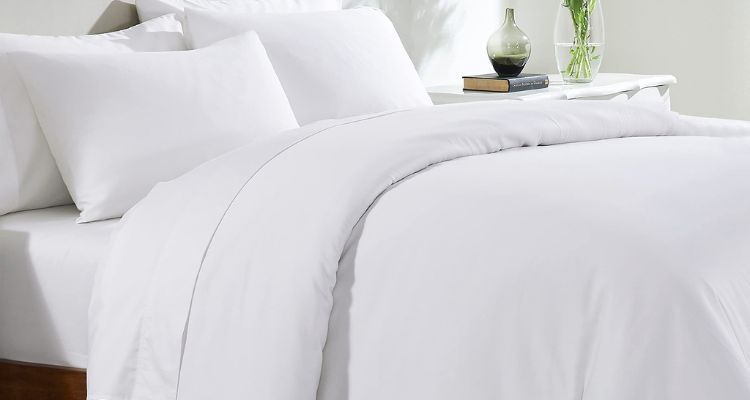
It is among the best fabrics for any bedding purpose. Cotton is affordable and highly breathable. It is exceptionally lightweight and simple to clean. If you are looking for a duvet cover that is cozy and soft, consider the high-quality long-staple varieties: Egyptian cotton, Supima, and Pima. These have fibers longer than traditional cotton, making them stronger and noticeably softer.
Long-staple cotton also carries a higher thread count, adding to its softness, though it does come with a higher price tag than standard cotton.
Percale cotton
Percale cotton is a type of cotton weave that hotels frequently use for their sheets and other bedding accessories. It uses a one-over, one-under pattern that promotes consistent airflow, making it ideal for hot sleepers.
Threads in percale are woven tightly, which is why this material is pretty strong despite its relatively lower thread count. Duvet covers made of percale tend to last a long time and are easy to wash. The trade-off: percale wrinkles easily, so expect a relaxed, lived-in look unless you iron it.
Cotton sateen
Sateen uses a four-over, one-under weave that gives it a silky sheen and smoother hand feel than percale. It traps slightly more heat, making it a better fit for cool sleepers or cold climates. Sateen resists wrinkles better than percale and drapes more elegantly over the bed. Look for a thread count between 300 and 600 for the best balance of softness and durability.
Linen
Linen is a common choice for bedding accessories and an excellent pick for those who sleep hot. Made from flax fibers, it is naturally temperature-regulating: cool in summer and warm enough in winter. Linen softens with each wash but keeps a textured, casual appearance that some people love.
If you take care of it, linen can last many years. The main drawbacks are that it wrinkles heavily and tends to shrink if machine-washed on high heat, so follow the care label closely. It is also a good option for a guest room, where it will not go through daily wear and tear.
Cotton/polyester blend
Choose a cotton-polyester blend if you need an affordable and durable material. This blend is readily available in a wide range of patterns and colors. It is easy to machine wash and resists shrinking well. Those traits make it a practical option for kids' or pets' rooms.
The trade-off is breathability: this blend is not as airy as pure cotton or linen, and the feel can be noticeably less soft depending on the ratio of polyester to cotton.
Silk
Silk is the most luxurious option on this list. It is smoother and shinier than any other material, and it is highly breathable, which suits hot sleepers. The main downsides are the high price and delicate care requirements: silk typically needs hand-washing or dry cleaning and is not suitable for homes with kids or pets.
Cheaper "silk-like" options are usually polyester and will not offer the same breathability or feel.
Flannel
Flannel is the warmest material on this list, made from brushed cotton with a soft, fuzzy texture. It is easy to clean and lightweight enough to handle regular washing. Flannel duvet covers are ideal for cold climates and winter use. They are not the right choice for hot sleepers or warm months.
Bamboo-derived rayon
Extremely soft and moisture-wicking, bamboo rayon suits hot sleepers who want a silky feel without the price of real silk. Durability is moderate: bamboo fibers can pill after 50 to 80 washes if not cared for properly. Look for a OEKO-TEX certification to confirm the fabric has been tested for harmful substances.
Microfiber (polyester)
Microfiber is the budget option. It resists wrinkles and dries quickly, but it traps heat and lacks the breathability of natural fibers. Best for guest rooms or kids' beds where easy care matters more than thermal comfort.
Most breathable fabric for a duvet cover
The most breathable fabric is cotton: lightweight, soft, and ideal if you tend to sleep warm. Linen is a close second with arguably better airflow on hot nights, though it is pricier and less widely available. Silk is also breathable but expensive and delicate.
Both cotton and linen are durable and easy to clean. If you wash linen on high heat it will shrink, so stick to cool or warm cycles.
Most durable fabric for a duvet cover
Percale cotton wins on durability. Its tightly woven one-over, one-under construction makes it resistant to tearing and pilling, even after many washes. Long-staple varieties (Egyptian, Pima, Supima) are even stronger.
Fabrics to avoid for duvet covers
Avoid heavy fabrics like jacquard or brocade: they are not breathable and will make the duvet feel heavier than it should. Duvets are meant to be lighter and airier than comforters, so a heavy fabric defeats the purpose.
Stick to lightweight and breathable options. They are also much easier to maintain because lighter fabrics wash and dry faster.
Quick comparison: duvet cover materials
| Material | Breathability | Durability | Price range | Best for |
|---|---|---|---|---|
| Percale cotton | Excellent | Excellent | $60-$200 | Hot sleepers, everyday use |
| Sateen cotton | Good | Very good | $70-$220 | Cool sleepers, wrinkle resistance |
| Linen | Excellent | Very good | $100-$280 | Hot climates, natural look |
| Bamboo rayon | Very good | Moderate | $60-$180 | Hot sleepers, silky feel |
| Silk | Very good | Moderate | $150-$500+ | Luxury use, hot sleepers |
| Flannel | Low | Good | $50-$150 | Cold climates, winter |
| Cotton/poly blend | Moderate | Good | $30-$100 | Budget, kids, pets |
| Microfiber | Low | Good | $20-$80 | Budget, easy care |
How to choose fabric for a duvet cover
Ease of care
Look for a fabric that is easy to clean and maintain. Duvet covers are designed to be removed and washed, so pick a material you will actually wash regularly. Cotton, flannel, and cotton/poly blends handle machine washing well. Linen and silk require more care and can be damaged by high heat or rough cycles.
Appearance
Consider your bedroom decor before choosing. Cotton and cotton/poly blends come in the widest range of colors and patterns. Percale, linen, and silk offer fewer choices but have a distinct aesthetic that is hard to replicate with synthetic fabrics.
Cost
Remember that you may need multiple sets for regular rotation. Silk and long-staple Egyptian cotton are the most expensive. Percale, linen, and cotton/poly blends are solid budget-friendly choices that do not sacrifice too much quality.
Fiber quality over thread count
Fiber quality matters more than thread count. Long-staple cotton at 300 thread count outperforms short-staple cotton at 1,000 thread count. The fiber length determines softness and durability. Be skeptical of anything marketed at 800+ thread count: it usually means thinner, weaker yarns.
Securing mechanism
Duvet covers slip over your insert and need something to keep them closed: zippers, ties, or buttons. Make sure the cover you choose has a reliable closure. Zippers are most practical for everyday use; buttons add a traditional look but can pop open overnight.
How much fabric for a DIY duvet cover?
If you are making your own duvet cover, here is how much fabric you need per side based on standard bed sizes:
- Twin (39 x 75 in) → 69 x 90 in duvet → approximately 6 yards per side.
- Full (54 x 75 in) → 86 x 90 in duvet → approximately 6 yards per side.
- Queen (60 x 80 in) → 90 x 96 in duvet → approximately 6 yards per side.
- King (78 x 80 in) → 109 x 96 in duvet → approximately 6 yards per side.
Remember that 6 yards is the amount needed for each side. You need to double that to make both sides of the cover. For a twin bed you may have some leftover, which is useful for adjustments.
For most people, 100% cotton percale at 200-to-400 thread count (long-staple if budget allows) is the best all-round duvet cover material. It breathes well, washes easily, and lasts for years. Choose linen if you sleep hot and prefer a natural, textured look. Avoid microfiber and heavy blends if breathability is a priority.
Our top duvet cover pick

Frequently asked questions
What is the best material for a duvet cover?
100% cotton percale or sateen is the best material for most people. It is breathable, durable, and easy to machine wash. Egyptian cotton and Supima cotton are the top-quality versions. Linen is excellent for hot sleepers who want even better airflow.
Is linen or cotton better for a duvet cover?
Cotton is more versatile and easier to find at a good price. Linen breathes slightly better in very hot climates and gets softer with each wash, but it wrinkles heavily and shrinks if washed in hot water. For most households, cotton is the smarter default; linen is a worthwhile upgrade if you sleep warm and do not mind the wrinkles.
What thread count is best for a duvet cover?
200 to 400 is the sweet spot. Higher thread counts do not automatically mean better quality, as manufacturers can inflate the count by using thinner, weaker yarns. What matters most is fiber quality: a 300 thread count in Egyptian cotton will outlast and feel softer than a 1,000 thread count in low-grade cotton.
How often should you wash a duvet cover?
Every one to two weeks for a duvet cover in daily use. Since the cover acts as a barrier for the insert, washing it regularly keeps your sleep environment clean without needing to wash the heavier insert as often. Most cotton and polyester-blend covers handle weekly machine washing without issue.
Is microfiber good for a duvet cover?
Microfiber is a budget-friendly option with easy care, but it traps heat and lacks the breathability of natural fibers. It is fine for guest rooms or kids' beds where practical washability matters more than comfort, but it is not a great choice if you sleep warm.
Related: best bamboo duvet covers · best linen duvet covers · best thread count for sheets · best mattress for hot sleepers