
 by
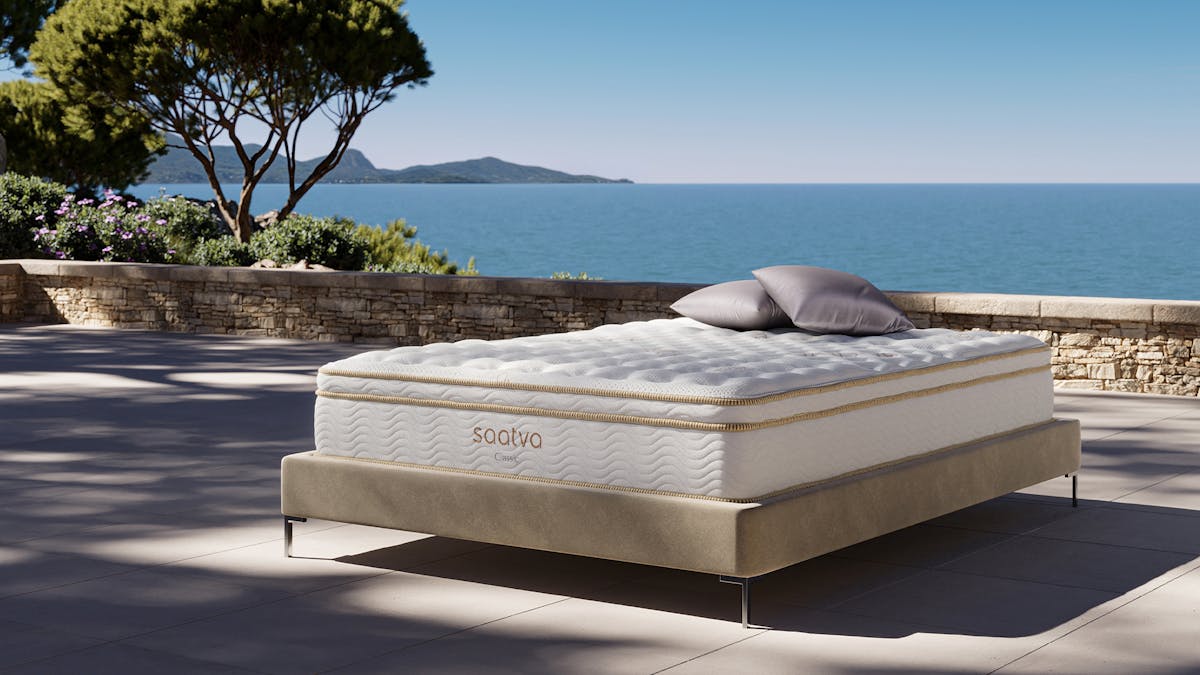
by A soft mattress (3 to 5/10 firmness) works best for side sleepers and lightweight sleepers under 130 lb. Our top pick is the Saatva Classic in Plush Soft, a coil-on-coil hybrid that cushions shoulders and hips on a responsive dual-coil base with a built-in lumbar zone, so your spine stays supported even in the plush version. The Amerisleep AS3 is the strongest all-foam alternative for those who prefer the quiet, contouring feel of foam.
Saatva Classic
9.2/10
- Plush Soft option (4/10) delivers genuine cushioning on a responsive dual-coil base
- Built-in lumbar zone foam pad keeps the spine supported even in the soft version
- Free white-glove delivery, setup, and old-mattress removal included
- 365-night trial and lifetime warranty, no off-gassing since it ships uncompressed
- Heavier than boxed foam and ships flat, not compressed
- $99 return fee applies during the trial period
If you want real plush cushioning without sacrificing lumbar support, the Saatva Classic Plush Soft is the most complete soft mattress on the market. The responsive innerspring base keeps you from sinking too deep, which is exactly the failure point most soft foam beds hit for back and side sleepers over 150 lb.
Who actually benefits from a soft mattress
Not everyone should sleep soft. The case for going softer rests on two physical realities: pressure relief and spinal alignment given your body weight.
When you lie on your side, your shoulder and hip protrude further than your waist. A mattress that is too firm keeps the spine in a lateral bend all night. A soft surface lets those contact points sink until the spine finds a neutral lateral line. For people under 130 lb, the same logic applies to medium-firm mattresses: their bodies do not compress the comfort layer far enough to feel the support underneath, so the effective firmness feels harder than the rating says.
- Side sleepers: the primary group who benefit. Shoulder and hip pressure points need 2 to 3 inches of real contouring to prevent pain and restrict circulation overnight.
- Lightweight sleepers under 130 lb: a rated-medium mattress often feels firm to a lighter body. A rated-soft (3 to 4/10) gives the practical equivalent of medium for lighter frames.
- Pressure-point sleepers: shoulder pain, hip pain, or joint sensitivity benefit from deeper contouring in the comfort layer.
- Those who want to sleep in rather than on: the enveloping feel of soft foam reduces the sensation of lying on a hard surface, which helps some people relax and fall asleep faster.
Who should avoid soft mattresses
- Stomach sleepers: a soft surface lets the pelvis sink further than the chest, hyperextending the lumbar. Most stomach sleepers need a firm 7/10 or higher.
- Sleepers over 230 lb: heavier bodies compress soft comfort layers all the way to the support core, removing cushioning and accelerating sagging.
- Back pain sufferers needing lumbar support: orthopedic guidance consistently points to medium-firm (5 to 7/10) for lower back pain, not soft.
- Combination sleepers who switch positions frequently: soft foam resists movement and makes rolling over harder, which disrupts sleep.
Soft mattress firmness scale
| Rating | Feel | Best for |
|---|---|---|
| 1 to 2/10 | Extra Soft / Ultra Plush | Very light side sleepers under 100 lb |
| 3 to 4/10 | Soft / Plush | Side sleepers 100 to 150 lb |
| 4 to 5/10 | Medium-Soft | Side sleepers 150 to 200 lb, combo sleepers who prefer cushioning |
| 5 to 6/10 | Medium | Universal; often feels soft to lighter bodies |
Amerisleep AS3
8.9/10
- HIVE 5-zone layer targets shoulders and hips with softer hexagonal segments
- Plant-based Bio-Pur open-cell foam contours without trapping heat like dense memory foam
- CertiPUR-US certified, made in the USA
- Exceptional motion isolation for couples
- Softer edges than a coil hybrid
- Sleepers over 230 lb may prefer the AS2 Hybrid for better long-term support
For side sleepers wanting responsive foam that cushions pressure points without letting the spine sag, the AS3 hits the pressure-relief sweet spot on a 100-night risk-free trial. Best pick if you want foam-only construction at a lower price than the Saatva.
Soft vs. medium: what most people actually need
The most common mistake in mattress shopping is choosing firmness based on a 10-minute showroom test. That test is unreliable: you are fully awake and tense, not testing the position you maintain for 7 hours, and your body weight compresses foam differently when fully relaxed.
A practical rule: side sleepers under 150 lb should start with a rated-soft or medium-soft (3 to 5/10). Side sleepers between 150 and 230 lb usually find medium (5 to 6/10) provides the right mix of cushioning and support. If you regularly switch between side and back, medium is almost always the better choice.
The mattress firmness scale guide covers this in more detail with position-by-weight charts.
The real benefits of sleeping soft, and the limits
Reduced shoulder and hip pressure: the primary and most consistent benefit. Studies measuring interface pressure during sleep show soft surfaces cut peak hip and shoulder pressure by 20 to 35 percent compared with medium-firm for side sleepers.
Faster sleep onset for pressure-sensitive sleepers: discomfort at contact points is a known sleep-onset disruptor. Removing it can reduce time-to-sleep for people who chronically wake from positional pain.
Motion isolation (foam-specific): soft all-foam mattresses like the AS3 have outstanding motion isolation, because soft open-cell foam absorbs energy rather than transmitting it across the surface. This matters for couples with different sleep schedules.
The limit: softness only helps when it does not compromise spinal alignment. A mattress so soft that the hips sink 4 or more inches creates the same reverse arch that a too-firm bed creates, just in the opposite direction. The goal is enough give to relieve pressure without enough give to bend the spine laterally. The Saatva Classic Plush Soft solves this with its dual-coil base and lumbar zone, which is why it leads this list.
How to tell if your mattress is too soft
- You wake with lower back pain that eases within 30 minutes of getting up.
- You feel like you are sinking when you try to turn over at night.
- Your partner notices your hips sitting lower than your shoulders when you lie on your side.
- You have had the mattress for 5 or more years and the center shows visible sag.
If the problem is a mattress that used to be medium-firm but has softened with age, a firm mattress topper can restore support temporarily. Replacing the mattress is the long-term fix once it has crossed the sag threshold.
Soft mattresses suit side sleepers and lightweight sleepers. The Saatva Classic Plush Soft is our top pick for cushioning with real lumbar support on a 365-night trial; the Amerisleep AS3 is the best all-foam alternative on a 100-night trial.
Frequently asked questions
Is a soft mattress bad for your back?
For side sleepers, no. Soft mattresses reduce pressure on hips and shoulders, which helps maintain lateral spinal alignment. For back and stomach sleepers, soft mattresses often cause back pain by allowing the hips to sink too far, pushing the lumbar out of its natural position.
Can a soft mattress cause back pain?
Yes, for stomach sleepers and heavy back sleepers. A soft surface lets the pelvis sink, tilting the lumbar into hyperextension. If you wake with lower back pain that clears within an hour of moving around, the mattress softness is a likely contributor.
What is the softest mattress Saatva makes?
The Saatva Classic Plush Soft (approximately 4/10 firmness) is the softest option in the Classic line. It pairs a plush Euro pillow-top with a dual-coil innerspring base and a lumbar-zone reinforcement, making it one of the few truly soft mattresses that does not sacrifice spinal support.
How do I make a mattress softer without buying new?
Add a soft topper of 2 to 3 inches at ILD 14 to 19 memory foam or latex. Costs $100 to $400 and can shift a medium mattress to a medium-soft feel within a few nights of break-in.
This guide is part of our Mattress Buying Guide hub, compare all the top picks and narrow down your choice there.