
 by
by *15 Sustainable Bedroom Decor Ideas for a Greener Sleep Space started with one very unglamorous problem: my bedroom smelled faintly of plastic every night. I had a tired mattress, scratchy bedding, and a budget that couldn't handle replacing everything at once.
I kept waking at 3 a.m. and staring at the same crowded dresser. So I changed the room slowly, choosing fewer materials, buying secondhand where I could, and spending on the things I touched every night. The result feels calmer, warmer, and much more like mine.
The Night I Finally Admitted the Room Wasn't Restful
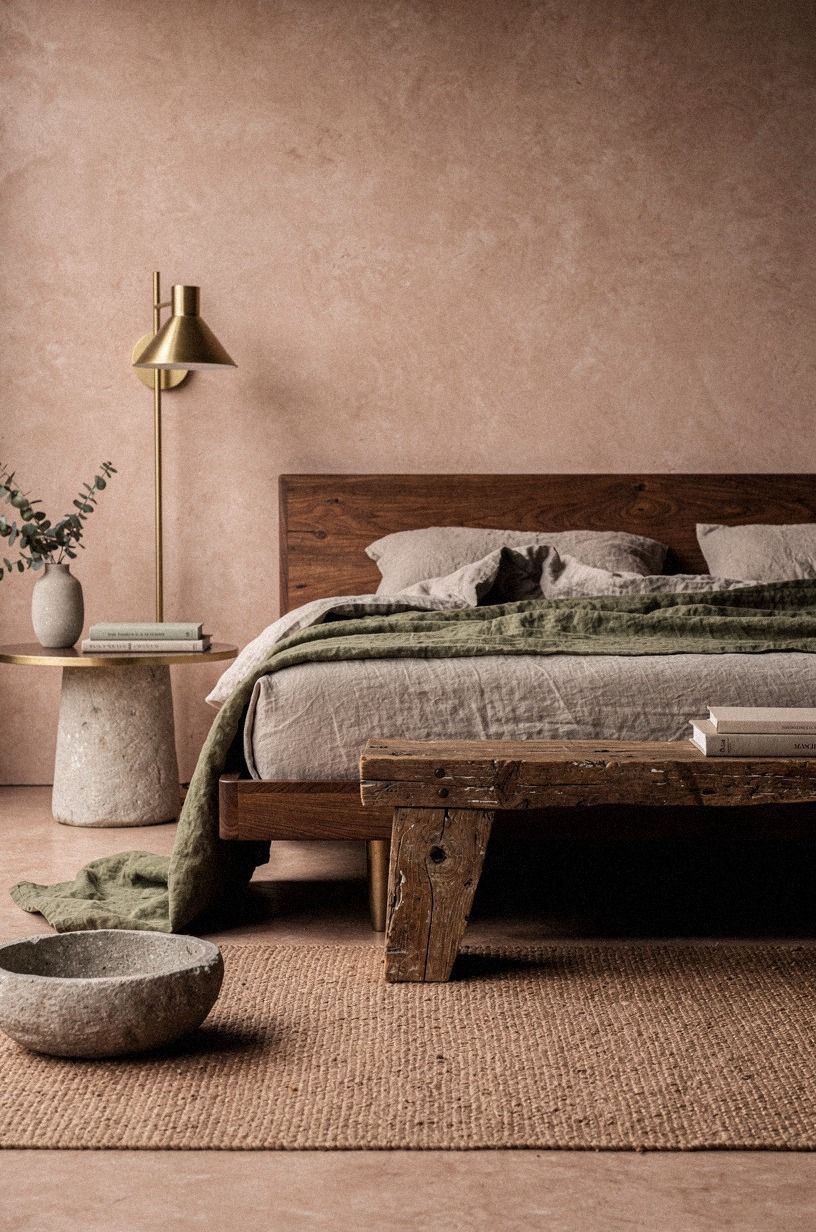
The room wasn't dirty. It was just overloaded.


A flat-pack nightstand leaned slightly toward the bed, cords gathered under the lamp, and the old mattress had developed a dip I could feel before I even fell asleep. The window faced the street, so headlights swept across the ceiling after dark.
I tried fixing it with scented candles and another throw blanket. Neither helped.
The candles made the room smell busier, and the blanket slid onto the floor before morning. But I knew I needed to start with the bed, because every decorative choice felt pointless when I dreaded lying down.
I read through this guide to sustainable sleep improvement and began making a small plan: replace the highest-contact materials first, keep the existing wood where it was sound, and stop buying things just because they filled an empty corner.
I Started With the Bed and Bought Less Around It
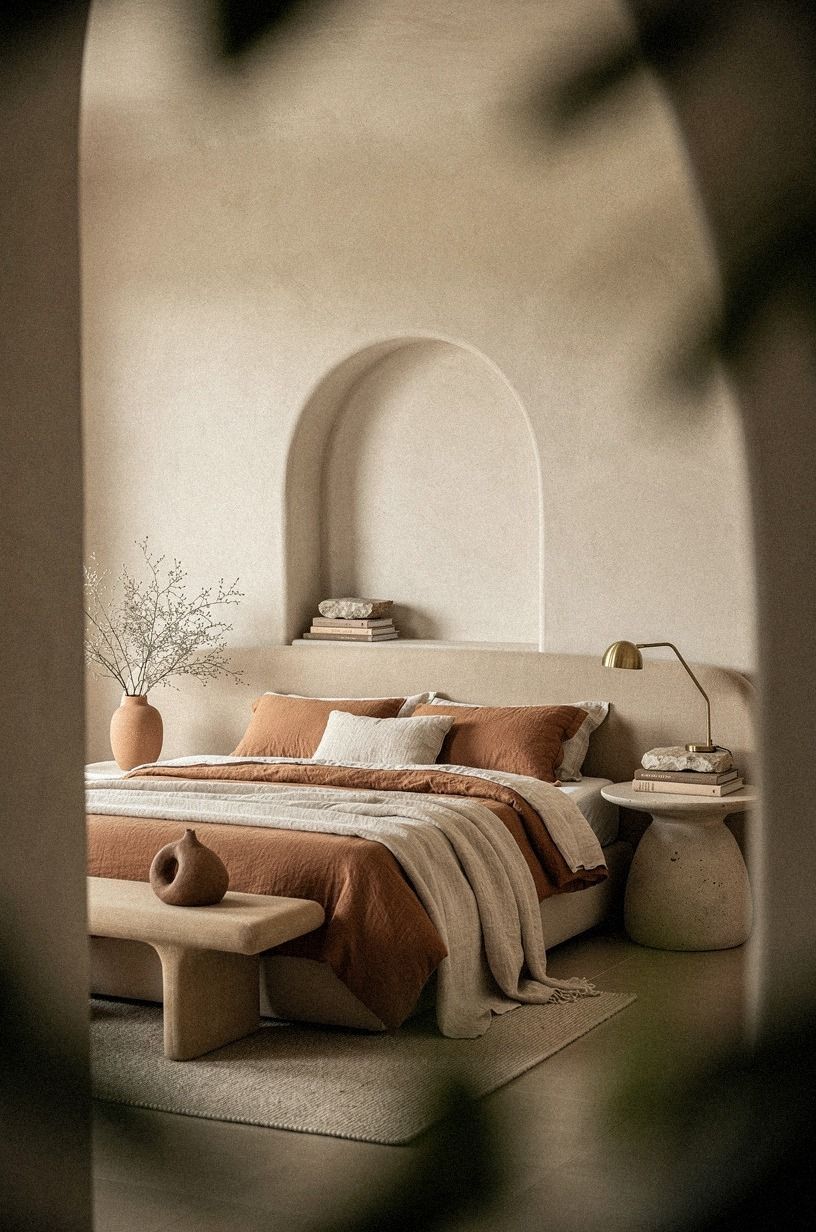
I chose a Saatva Classic as the main investment because I wanted a supportive bed with a more considered construction than the compressed mattress I had been sleeping on. I wasn't sure I could justify spending most of my room budget there. Then I pressed my hand into the old dip and stopped debating.
The change wasn't dramatic on the first night. It was quieter than that. My hips didn't ache when I turned over, and I stopped noticing the plastic smell that had bothered me for months.
That was enough for me. I can't promise what any mattress will do for another person's sleep, but this one made a meaningful difference to mine.
And I refused to build a brand-new bedroom around it. I kept my old wooden bed frame, tightened the loose screws, and wiped away years of dust. A little repair.
A much smaller pile of waste.
For the first layer, I used Organic Cotton Sheets because the old polyester set trapped heat and felt rough after washing. I liked the softer hand immediately, though I did have to wash them twice before they felt settled. The bed finally felt inviting instead of merely functional.
I Used Warm Paint to Make the Existing Furniture Work
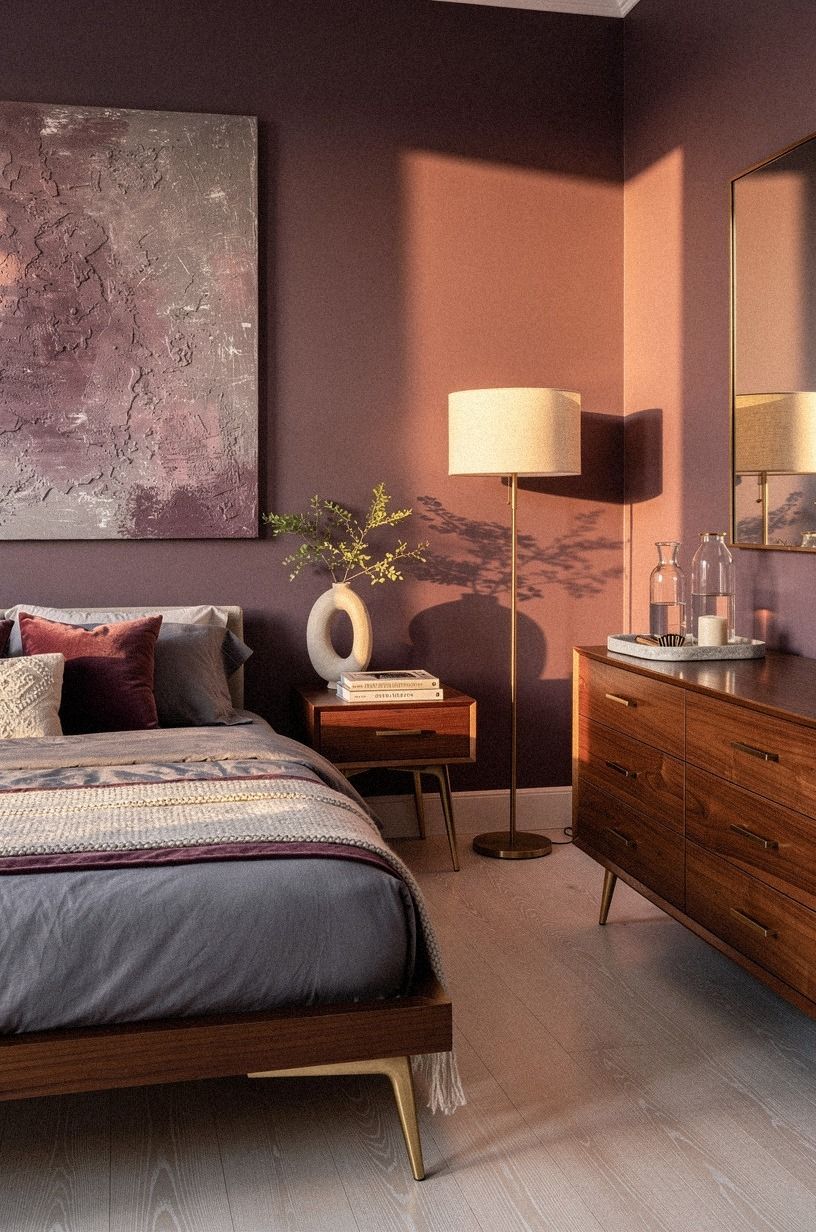
The walls were a cool beige that looked gray by late afternoon. I tested Farrow & Ball Setting Plaster No. 231 on one wall and left the sample there through two full days of changing light. It shifted from dusty pink in the morning to a gentle clay tone at night, which was exactly the warmth I wanted.
I almost chose white. But white would have made the scuffed trim and yellowed ceiling more obvious, and I didn't want a room that needed constant visual maintenance. The warmer paint let the old dresser look intentional, even with its small scratches.
I patched the deepest marks, painted the walls, and left the trim alone for now. That decision saved time and kept the room from feeling overly polished.
If you're working with a rental, removable art and soft textiles can create the same sense of warmth without touching the walls. For more ideas, I borrowed a few principles from this sustainable bedroom guide.
But I didn't paint every surface. One wall was enough. Too much beige would have made the room sleepy in the wrong way.


The Piece My Whole Bedroom Is Built Around
Natural materials, a 365-night home trial, free white glove delivery. Decide in your own room, not a showroom.
I Chose Bedding That Could Handle Real Life
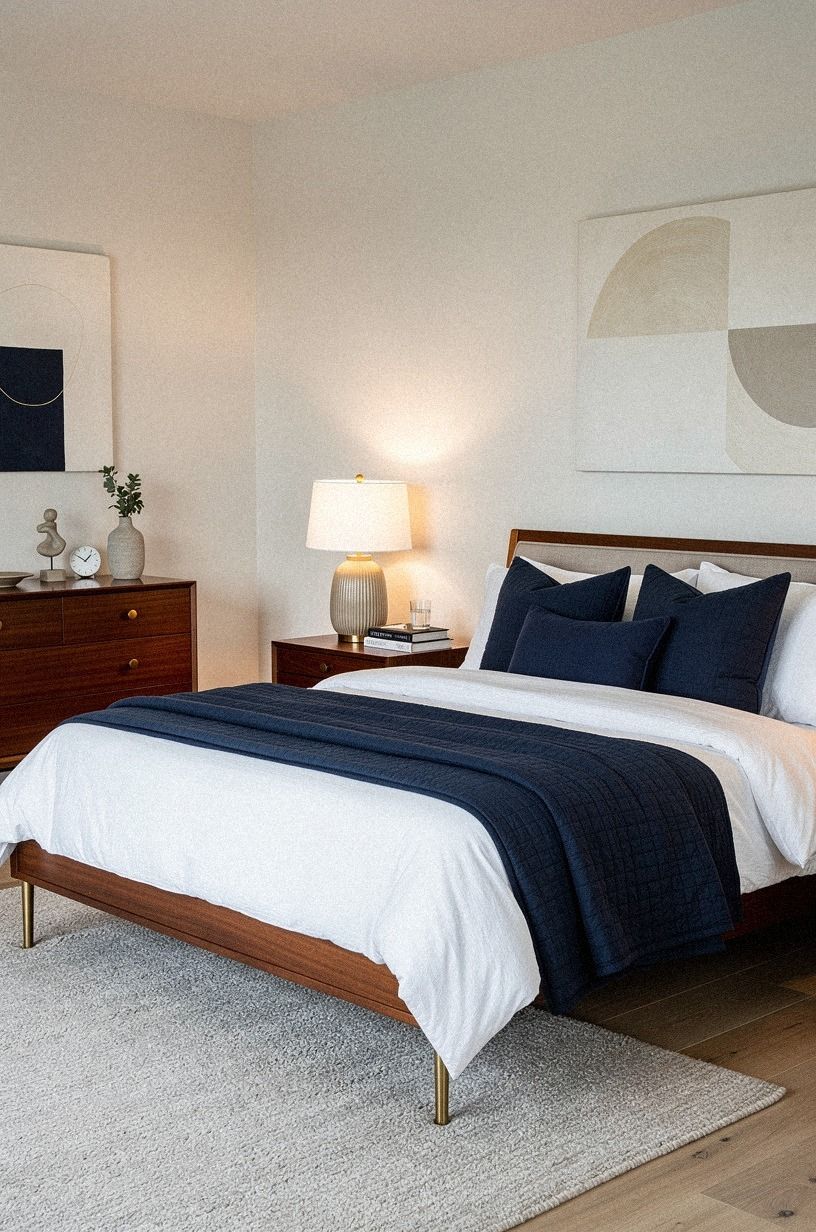
My old comforter had become lumpy in the middle, and I kept folding it at the foot of the bed because it was too warm. I replaced it with a Down Alternative Comforter, which gave the bed a soft, clouded shape without making me wake up overheated.
I wanted the bed to look relaxed, not staged. So I folded the comforter down instead of pulling it tight, left a little of the sheet visible, and added one Organic Quilted Pillow at the head. That pillow was the small luxury I nearly skipped.
I'm glad I didn't. It gives the bed height without adding a pile of decorative cushions I would have to move every night.
And I kept the colors restrained: warm cream, faded rust, and a little olive from the old wool throw. I didn't buy a matching set. Matching sets look tidy in a catalog, but I prefer bedding that can be replaced one piece at a time when something wears out.
The room started feeling more organic because the materials had different textures. Smooth cotton.
Nubby wool. Painted wood.
No single item had to perform the entire makeover.
I Made Space for Air, Light, and One Living Thing
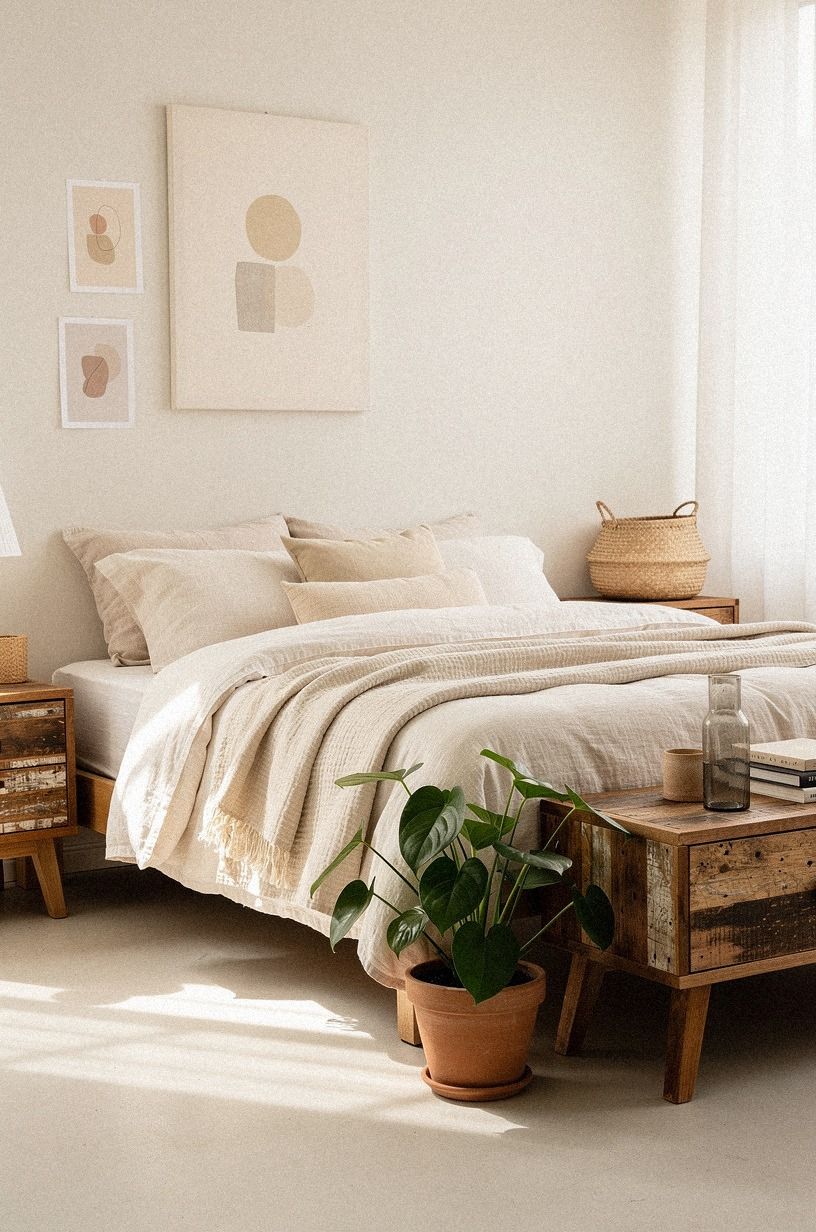
The room had too many small objects and nowhere for the eye to rest. I removed three baskets, two framed prints, and a decorative chair that had become a laundry holder.
The chair left first. I didn't miss it.
I moved the dresser away from the window and placed a small secondhand stool beside the bed instead of buying a new nightstand. Its old honey-colored finish picks up the afternoon light, and the top is just wide enough for a ceramic water glass and my paperback.
But the biggest difference came from the window. I replaced heavy synthetic curtains with simple linen panels in a natural flax shade.
They soften the headlights without blocking the morning light. I also moved one healthy pothos to the corner, where its leaves now trail toward the floor.
If you like that connection to natural materials, this biophilic bedroom design guide helped me think about the room as a place with breathing space, not a storage container.
And I changed the bulb to a warm one. Small detail. Huge relief at bedtime.
What I Would Buy Differently Next Time
I would buy fewer decorative items at the beginning. I got excited after painting and brought home two baskets and a small lamp before I knew what the room needed.
One basket stayed. The lamp went to the hallway.
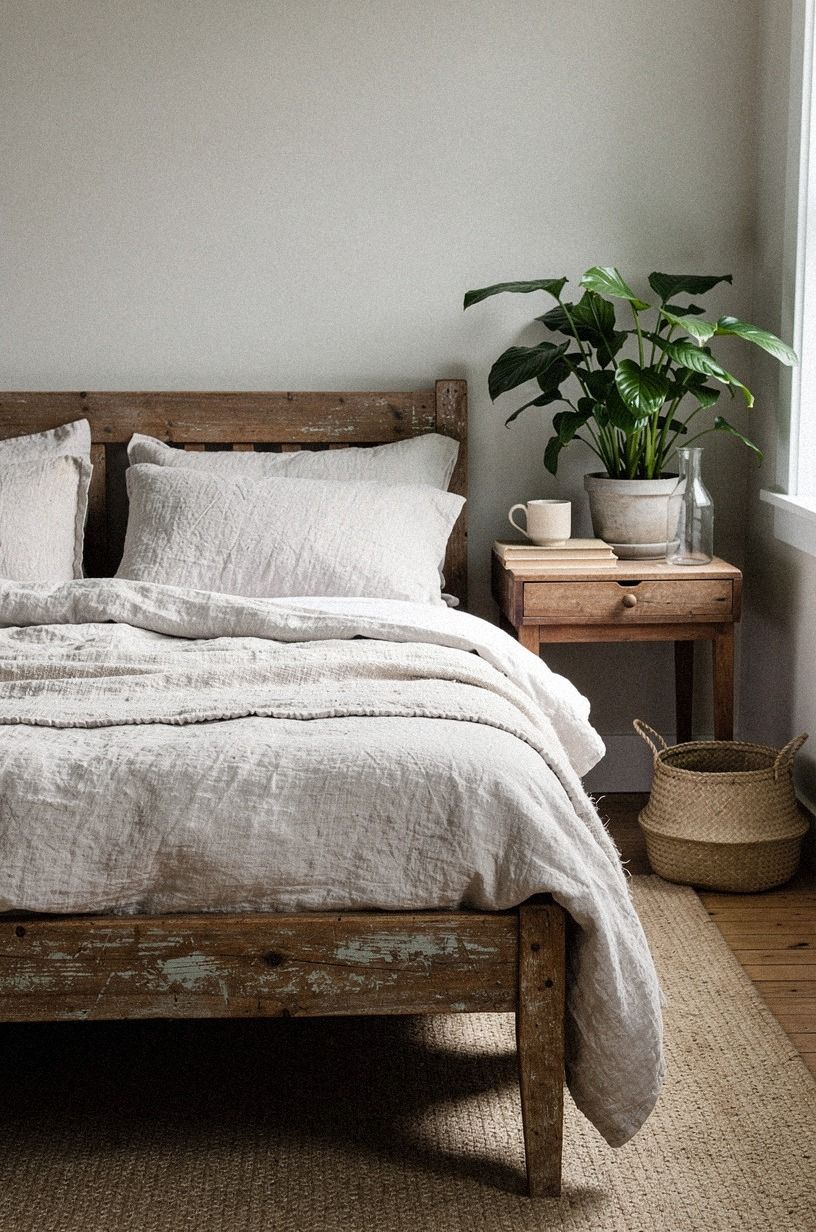
I also underestimated the rug. I chose a flatwoven wool rug because I liked the texture and the secondhand price, but it doesn't extend far enough beyond the bed.
The standard advice is to let a rug reach roughly 18 to 24 inches past the sides and foot of the bed, and mine falls short. It still warms the floor, but I wish I had waited for the right size.
For a queen bed measuring 60 by 80 inches, scale matters more than I expected. A rug that looks generous in a shop can feel stingy once the bed is on it. I wasn't sure the investment was worth it.
For two weeks I regretted choosing the cheaper option.
And I wouldn't repaint the walls in the same shade if I did it again. I like the color, but one coat looked uneven near the old plaster, so the job took longer than planned. You should budget patience as carefully as paint.
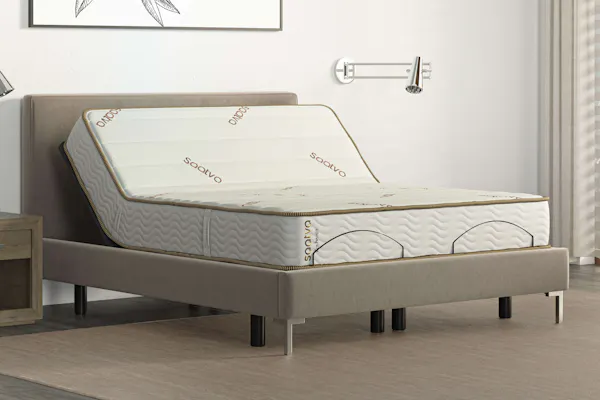 My pick for a healthier bedroomZenhavenTalalay latex, organic cotton, 365-night trial, lifetime warranty, free white glove delivery.See the Zenhaven
Build Your Own Healthier Bedroom
Sale pricing runs on orders over $1,000, and the 365-night trial gives you a full year of nights to be sure.
The Room Now Feels Like Mine
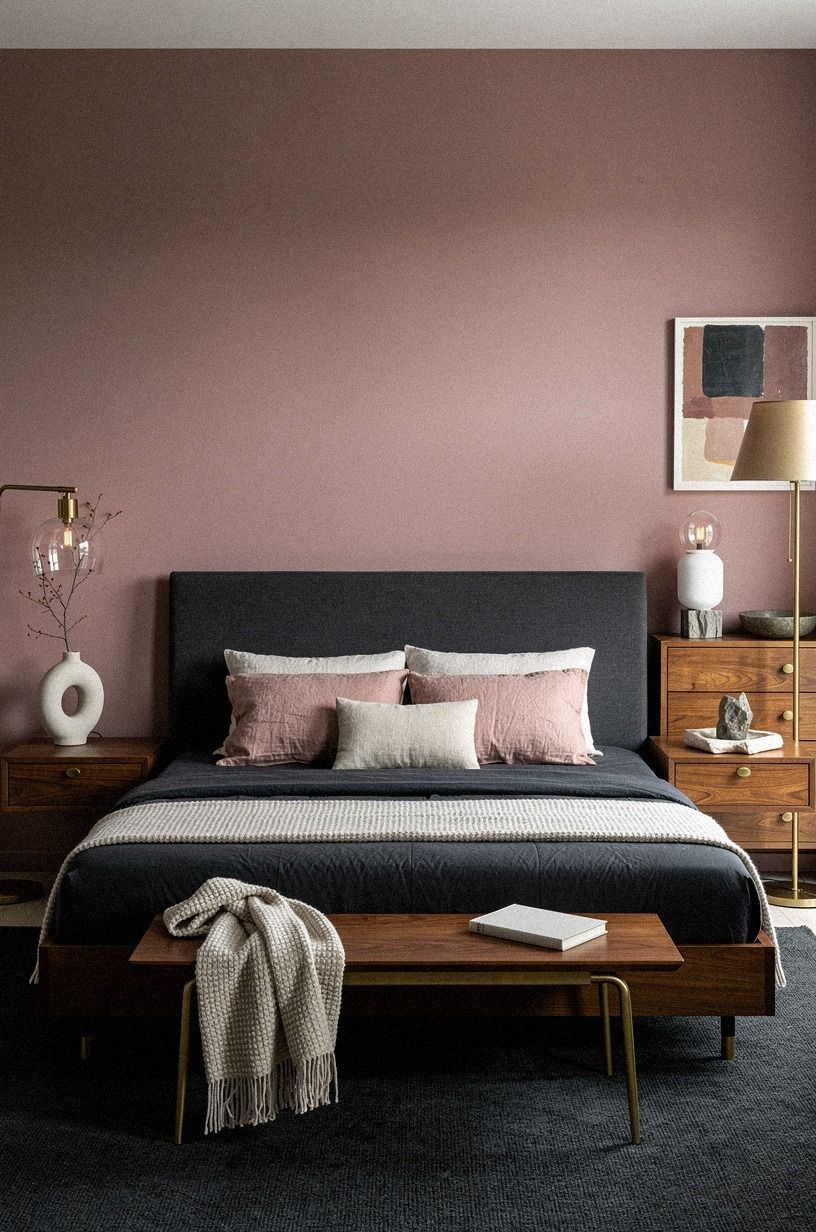
I didn't replace everything. I repaired what I could, chose natural fibers for the pieces closest to my skin, and let the old furniture keep its small imperfections.
If I had to pick one place to start, I'd choose the bed. A calmer sleep surface changed how every other decision felt, and I stopped trying to decorate around discomfort. Now the lamp sits on the honey-colored stool, and the pothos leaves touch the floor beside it.