 by
by *The bedroom I’d design for better sleep in my 50s would start with the bed, not another decorative pillow. Mine had become a place where I woke at 3 a.m., too warm, annoyed, and very aware of the plasticky smell lingering from the mattress I’d tried to “make work.”
I didn’t need a showroom bedroom. I needed one room that felt quiet when the house finally was.
Soft light. Fewer decisions.
A budget that stayed sensible.
The Moment I Stopped Trying to Style Around Bad Sleep
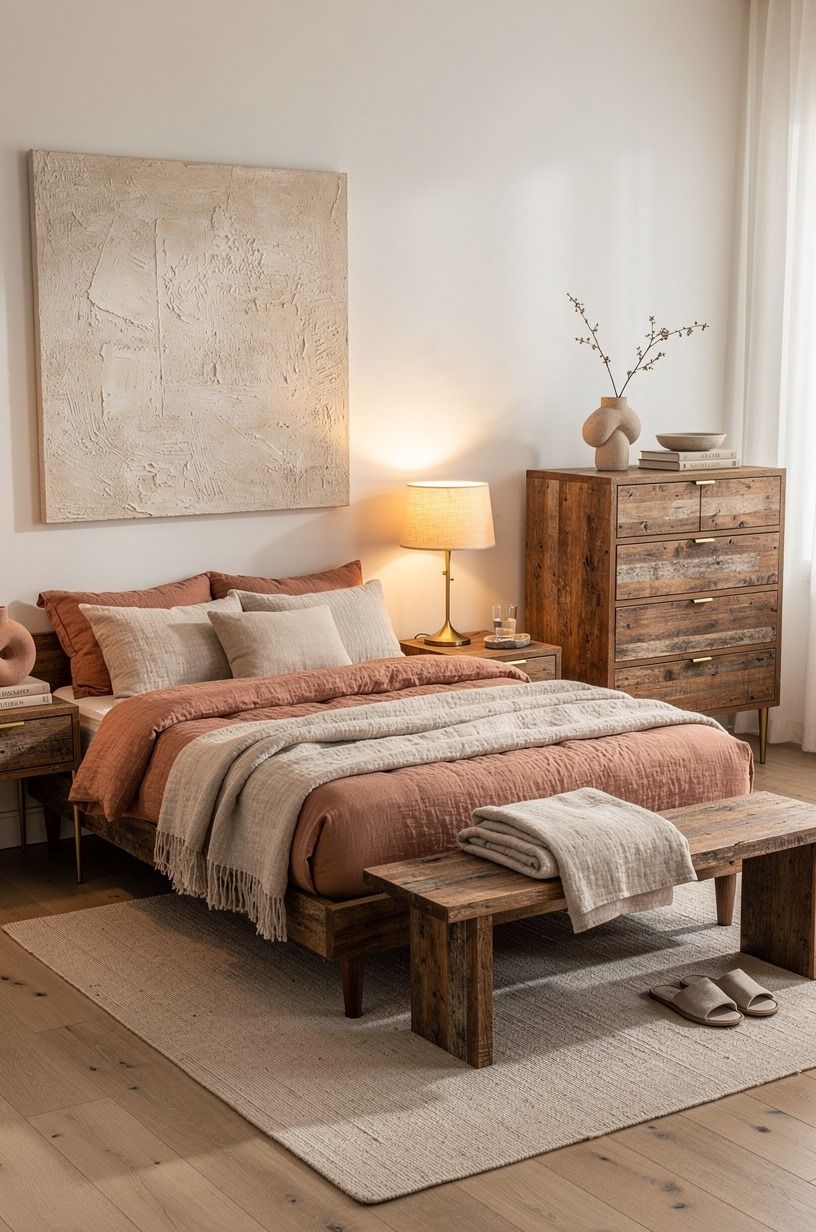
For too long, I treated my bedroom like a storage spot with bedding on top. Laundry basket in the corner.


Phone charging beside my head. A bed that looked fine in daylight and felt wrong by midnight.
But I’d reached the point where another throw blanket wasn’t going to solve it. I wanted a healthy bedroom that supported my own sleep habits, not a dramatic before-and-after for a photo.
I also think people spend too much time choosing wall art before dealing with the surface they sleep on. That order is backwards.
I started with how to set up a bedroom for better sleep because I needed a reminder that the room itself can either keep asking things from you or let you switch off. Mine was asking too much.
I Chose the Mattress Before I Chose the Paint
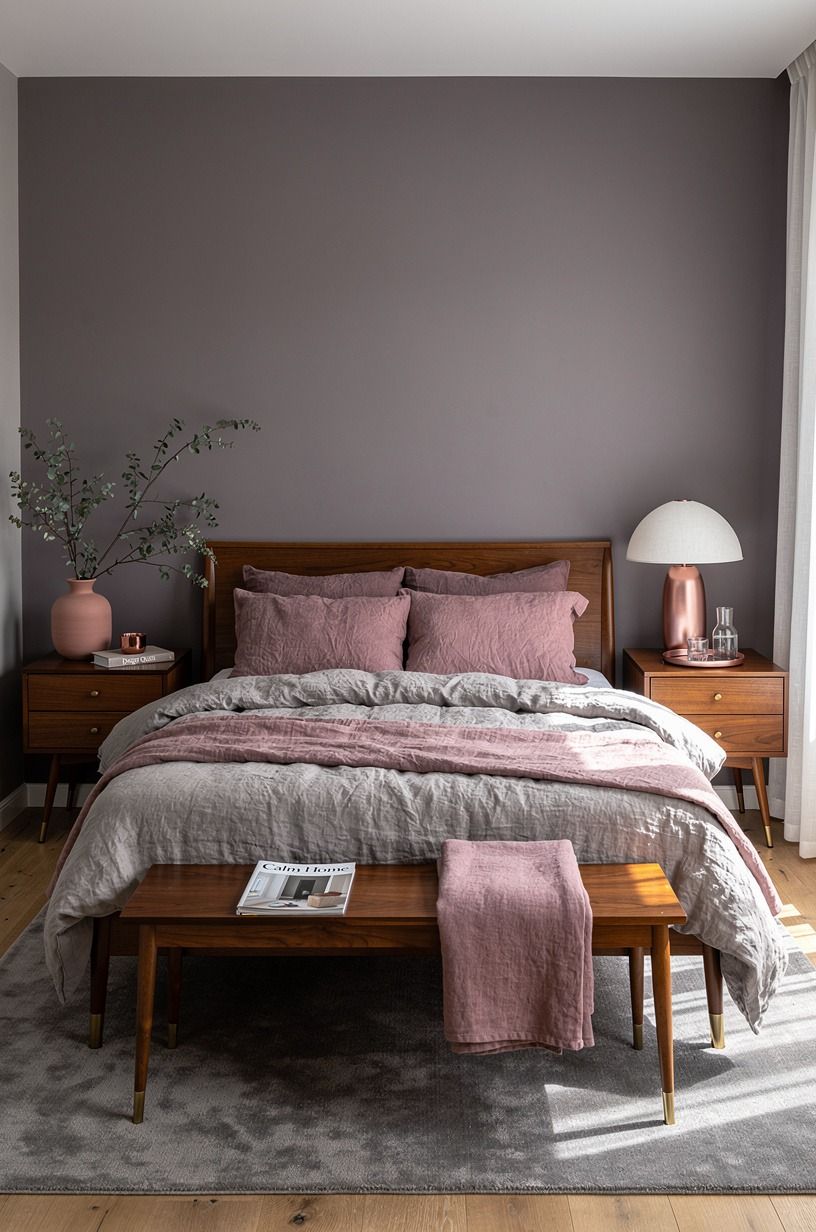
My biggest decision was replacing the old mattress with the Saatva Rx. I was nervous about making the purchase because mattresses are personal, expensive, and impossible to judge from a cheerful product photo.
And I didn’t expect the emotional part. The first night, I lay there waiting to find the familiar pressure point in my shoulder.
It didn’t arrive. That was it.
No grand revelation. Just less fidgeting.
I’m careful about claiming what a mattress can do. This is only my experience, and sleep or medical concerns deserve a conversation with your doctor.
Still, the change helped me feel more settled at night, especially once I stopped bringing my phone into bed. I’d skip buying a cheap replacement every few years.
For me, one better foundation made more sense.
Then I Added a Softer Layer, Slowly
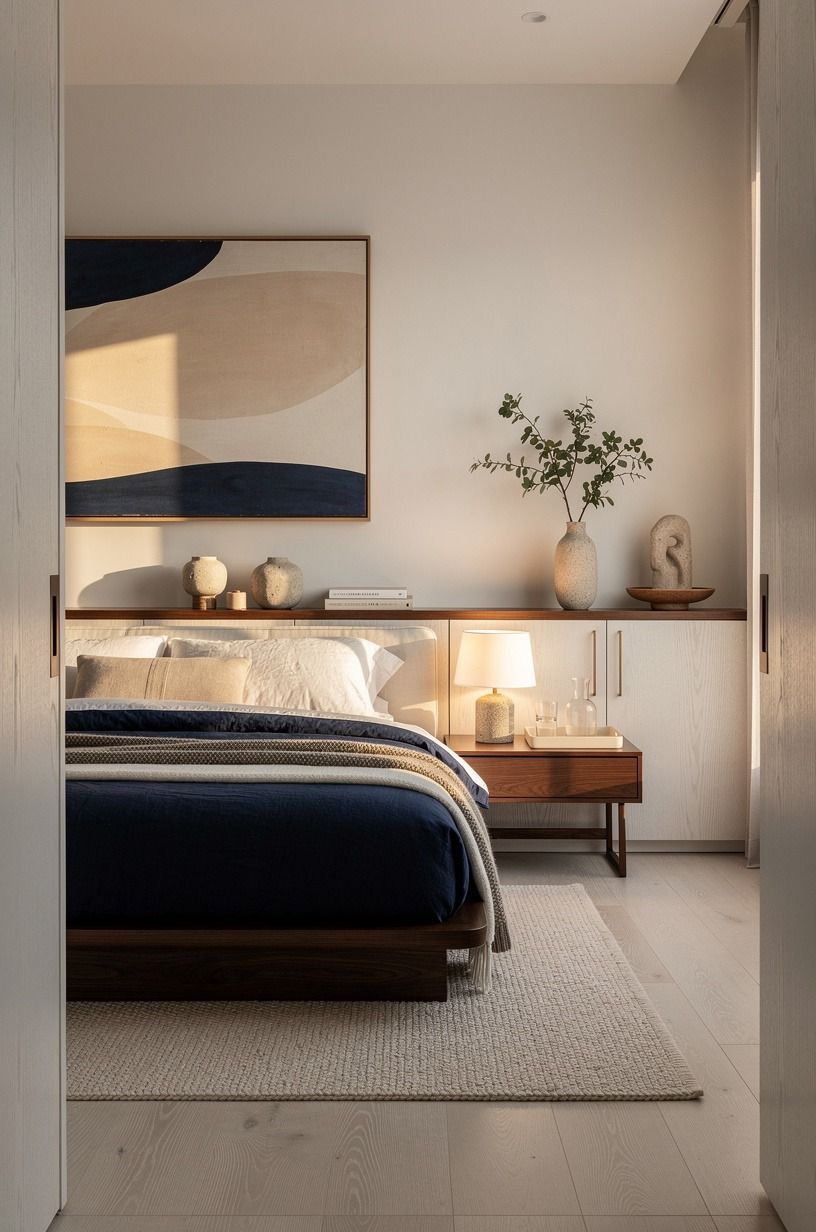
I wanted the bed to feel comfortable without becoming a puffy hotel imitation. So I added a Latex Mattress Topper, then gave myself two weeks to decide whether I’d made a mistake.
For the first few nights, I wasn’t sure it was worth it. It changed the feel more than I expected, and I worried I’d overdone the whole “sleep sanctuary” idea. But my body adjusted, and I came to like the gentle give without the sinking feeling I personally dislike.
Less bounce. More ease.
I kept the bedding simple around it: washed cotton, a low visual contrast, and no pile of decorative cushions to move each night. I think a bed should look inviting at 8 p.m. and still be easy to get into when you’re exhausted.


The Piece My Whole Bedroom Is Built Around
Natural materials, a 365-night home trial, free white glove delivery. Decide in your own room, not a showroom.
The Pillow Was the Part I Nearly Overthought
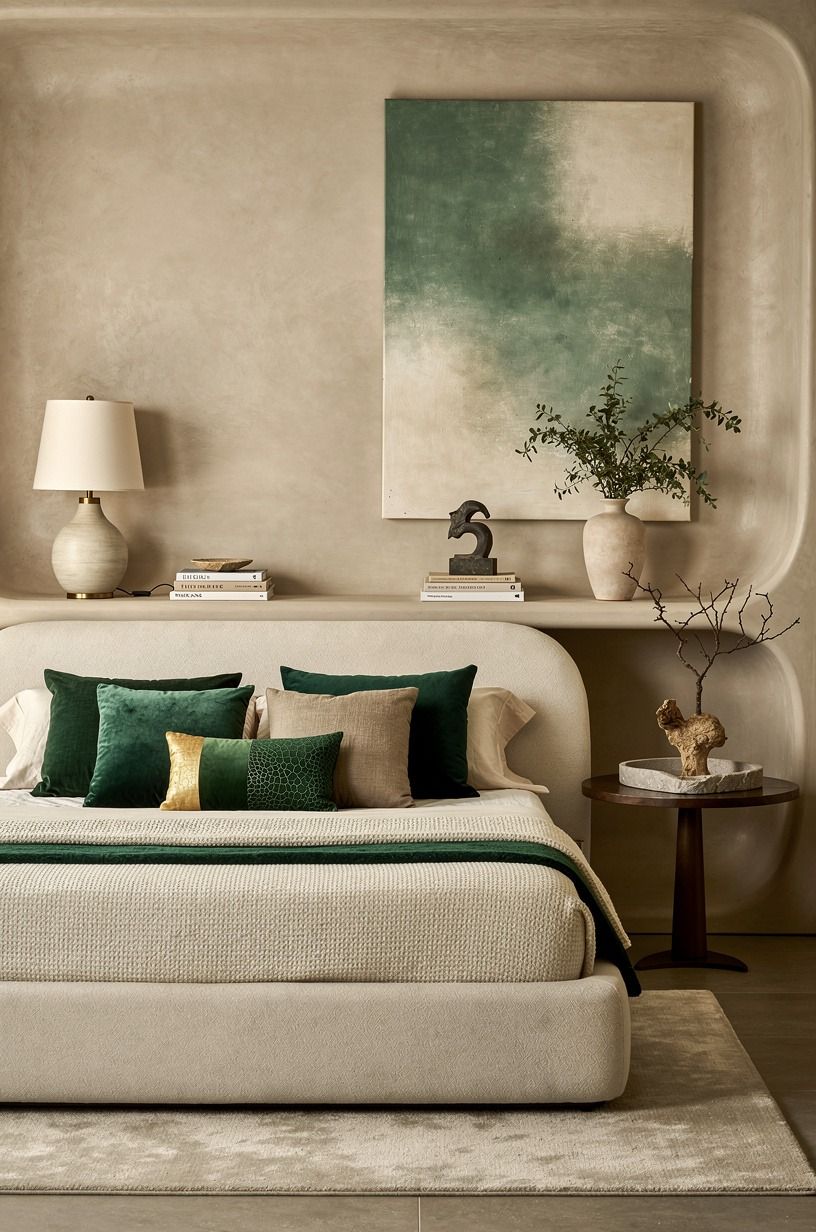
I have bought too many pillows because I thought the right one would magically fix everything. It won’t. But the Organic Quilted Pillow was the one change that made the bed feel considered rather than patched together.
But here’s my honest reservation: it took me a few nights to know whether the loft suited me. If you’re used to a dramatically high pillow, a more restrained shape can feel unfamiliar at first. I’d rather adjust gradually than wake up with my neck feeling twisted.
The pillow also made me edit the rest. One clean pair of pillowcases.
A folded blanket at the foot of the bed. No cluttered bedside stack.
I used the same calmer logic from this bedroom lighting design for sleep guide: give each thing one job, then stop adding.
The Organic Mattress Pad came next, mostly because I wanted a washable layer between real life and the mattress. Coffee has happened. So has a dog who thinks the bed is partly hers.
I liked that this decision was practical, not performative. A non toxic bedroom can still look lived-in.
In fact, I think it should. I don’t want a room where I’m nervous to sit with a cup of tea or toss a cardigan on the chair.
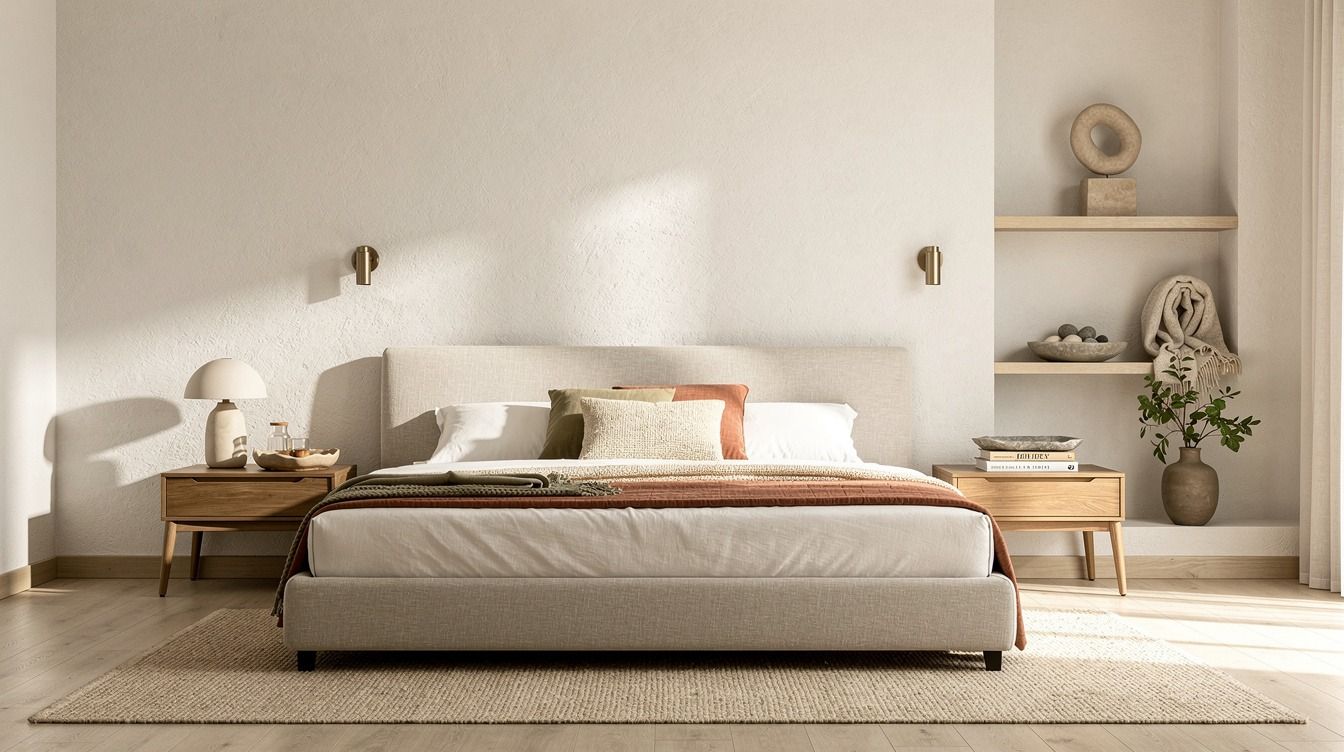
And I stopped chasing bright white bedding. Benjamin Moore Pale Oak OC-20 on the walls gave the room a warmer backdrop, while the sheets stayed a muted oat color.
The result is softer in morning light, less clinical at night. I’d choose this over a stark white room every time.
I Fixed the Light and the Distance From the Bed
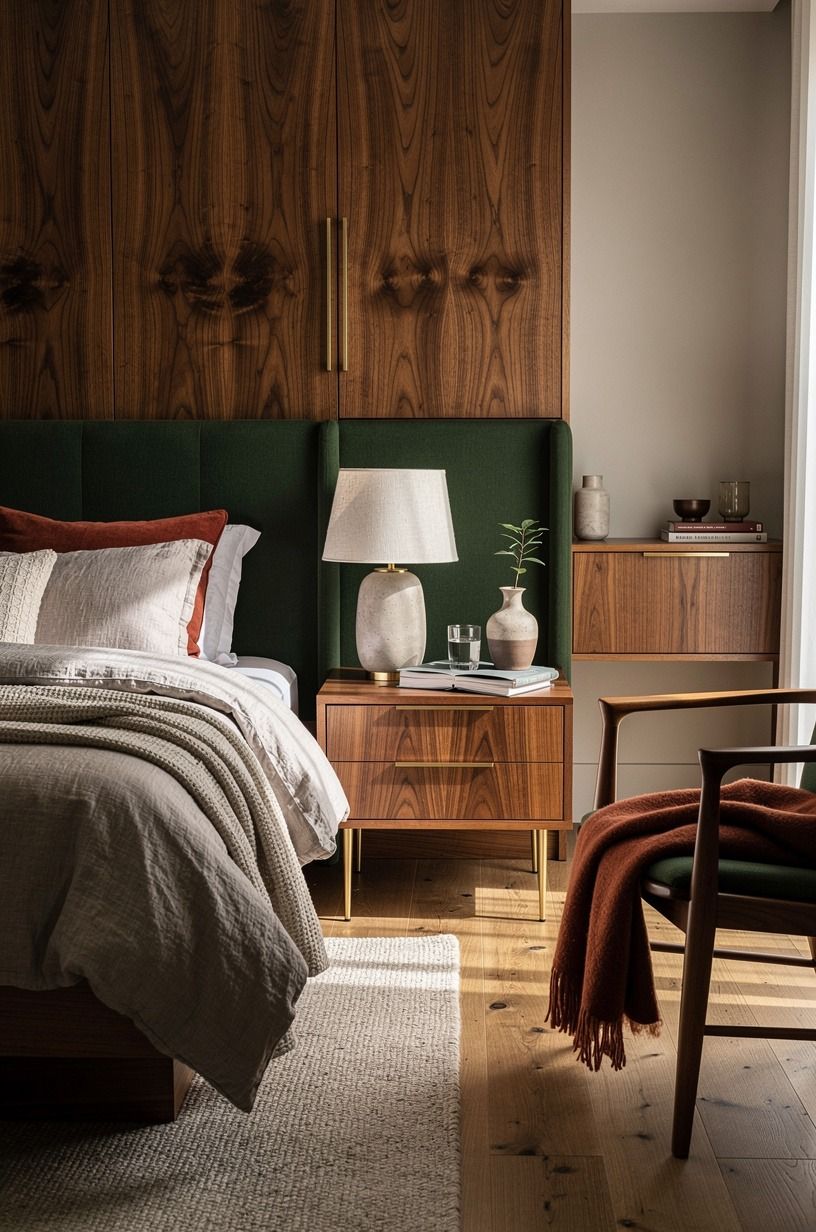
The old bedside lamps were too bright and too cold. They made reading feel like paperwork. I replaced the bulbs with a warmer, lower glow and moved the lamps so the light pooled across the nightstands instead of hitting my face.
Small shift. Big difference.
My nightstands sit close to mattress height, which matters more than matching furniture ever did to me. I want water, glasses, and a book within easy reach, not balanced on a precarious tower. A queen bed measures 60 by 80 inches, and that footprint taught me something useful: in a smaller room, open walking space is more calming than an oversized chair you barely use.
For a little more quiet, I borrowed ideas from cold bedroom sleep better. I don’t make the room icy. I just don’t trap heat under heavy layers and assume more fabric is always better.
What I’d Do Differently in This Calm Aesthetic Room
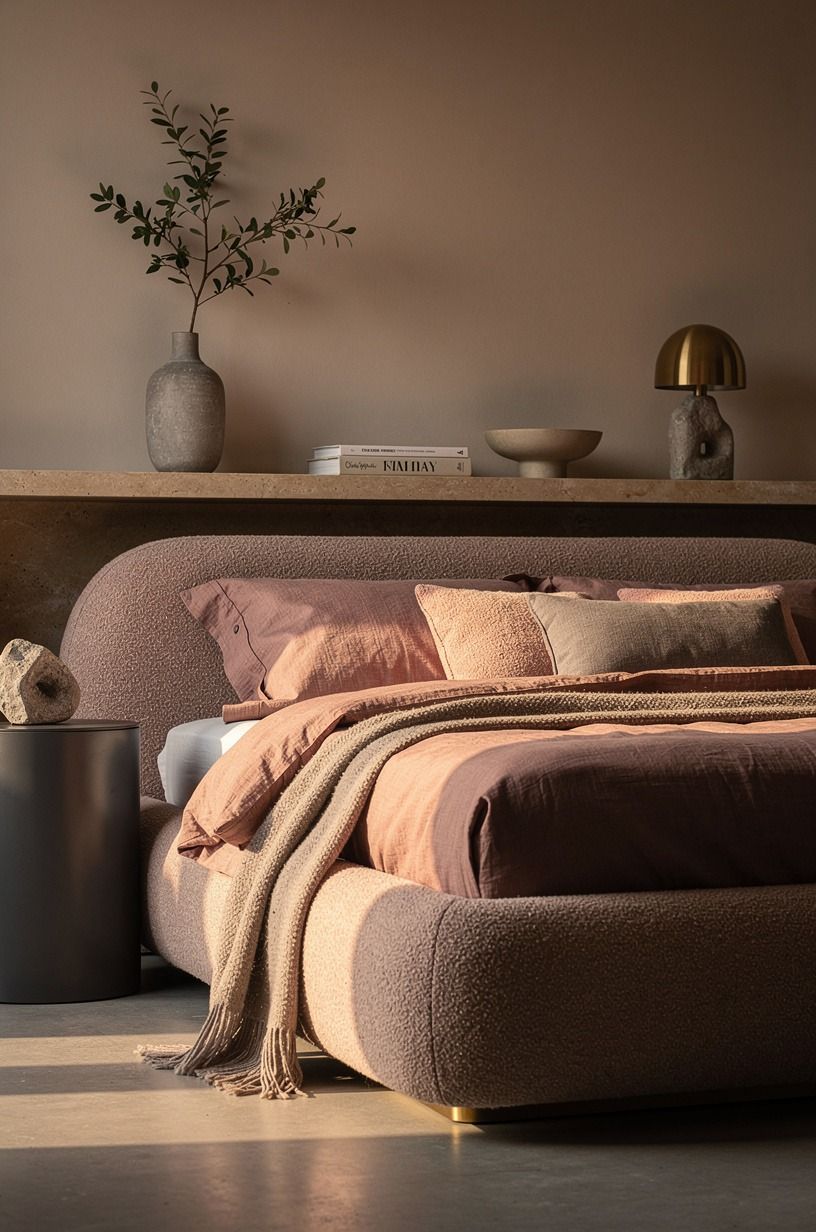
I would buy fewer “temporary” pieces. That’s the regret.
I spent money over the years on bedding and bedside accessories that looked good online but didn’t make the room work harder for me. A bargain can be fine, but I’ve learned that cheap clutter has a way of becoming permanent clutter. I’d put the budget into the sleep surface, useful lighting, and textiles I genuinely want to wash and remake every week.
I also would have brought in nature earlier. A single leafy branch in a plain vase, a woven basket, the view through an uncluttered window.
Nothing fussy. The ideas in this biophilic bedroom design guide fit my view exactly: natural home decor works best when it feels ordinary enough to live with.
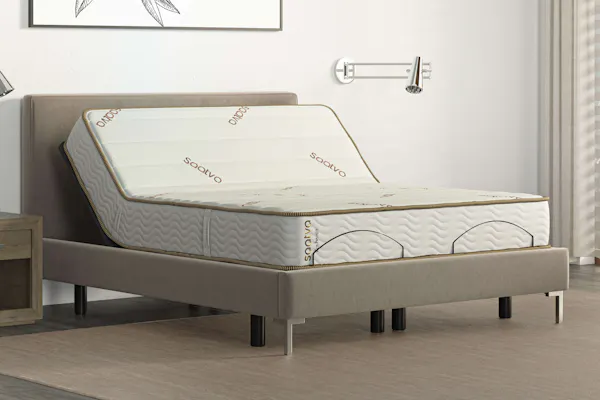 My pick for a healthier bedroomZenhavenTalalay latex, organic cotton, 365-night trial, lifetime warranty, free white glove delivery.See the Zenhaven
Build Your Own Healthier Bedroom
Sale pricing runs on orders over $1,000, and the 365-night trial gives you a full year of nights to be sure.
Where I’d Start If I Were Doing It Again
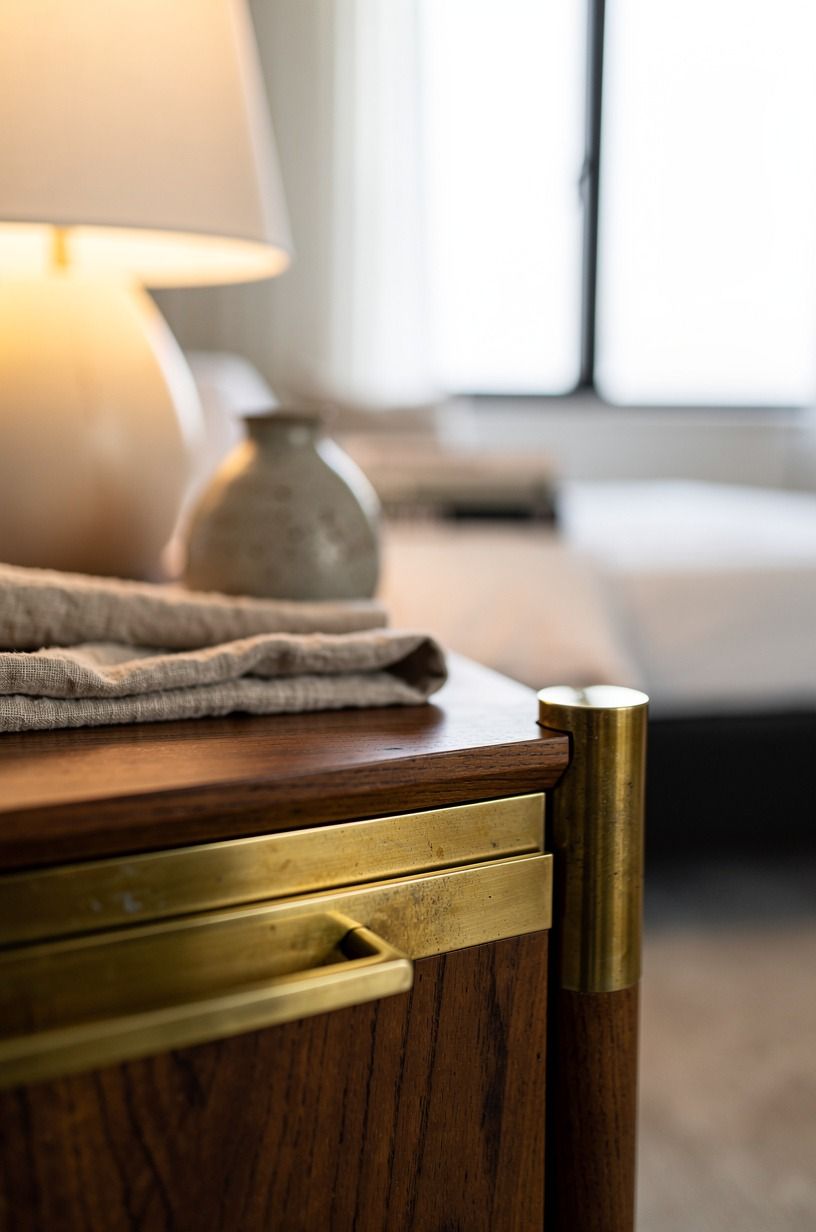
If I had to pick one, I’d start with the mattress. You can’t build a peaceful room on a bed you’re silently negotiating with all night. Pin this bedroom for later, then begin with the part your body notices before your eyes do.
Now, when I walk in, there’s a folded cream blanket, one book on the nightstand, and the lamp casting a small amber circle on the wall.