
 by
by 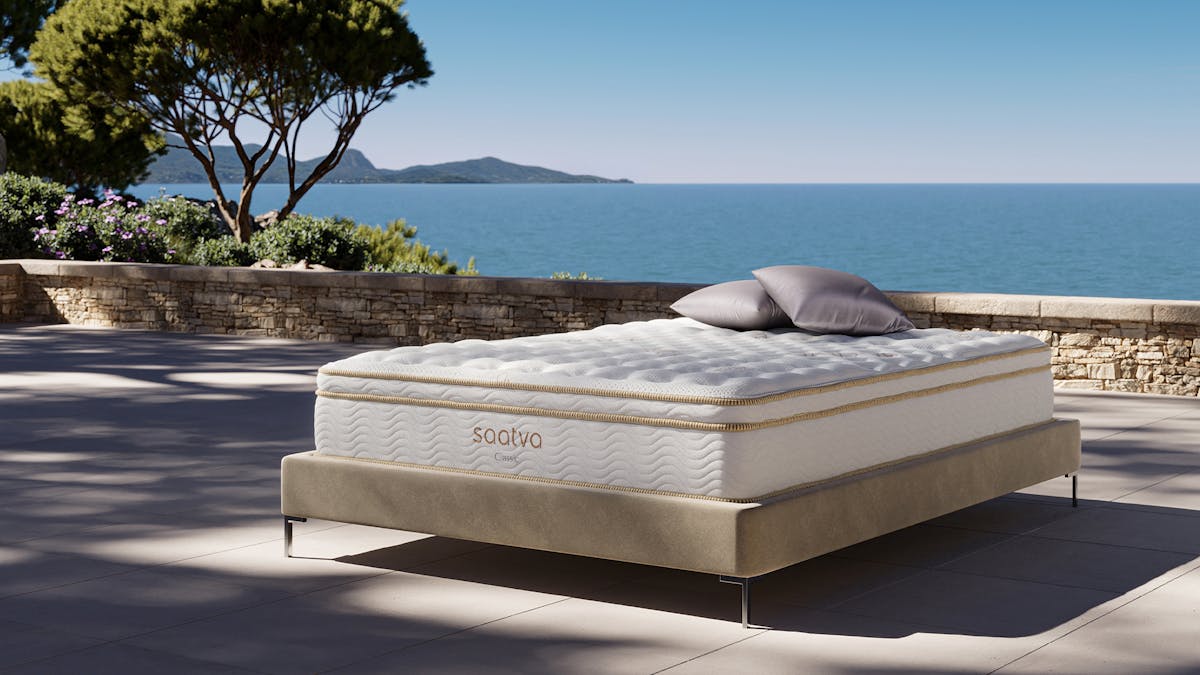
Therapedic BackSense can still make sense if you specifically want that brand, its retailer policy, or its lowest sale price. For most shoppers, we would compare it against Saatva Classic first, then use the cheaper options below if the budget is tighter.
Therapedic BackSense
7.4/10
- HourGlass back-support insert zones shoulders, lumbar, and hips for spinal alignment
- Individually pocketed coils give decent motion isolation for an innerspring
- Foam-encased perimeter provides reasonable edge support
- Available in plush through ultra-firm, so multiple sleeper profiles are covered
- Made in the USA through licensed regional factories
- Sold through independent retailers only, no direct online purchase or home trial
- Quality can vary between licensed factories, so ask your retailer which facility built the specific unit
- Durability data is limited, and some users report coil softening after a few years
- No cooling technology in most BackSense models, which is a concern for hot sleepers
For shoppers near a Therapedic retailer who want a firm, affordable innerspring with targeted lumbar zoning, the BackSense delivers good value. The main trade-off is the lack of a home trial and the spec opacity that comes with a licensee-based brand.
Therapedic: US manufacturer since 1957
Therapedic International has operated a licensee-based manufacturing model since 1957, similar in structure to Serta. The company has multiple licensed US factories, which means the specific facility that built your mattress can affect consistency. For that reason, it is worth asking your retailer which regional facility manufactured the model you are buying.
I want to be straight about what that licensee structure means in practice. Two BackSense mattresses with the same model name, built at two different regional factories, can feel slightly different on the showroom floor. Coil tempering, foam sourcing, and quilting tension are set at the plant level. That is not a knock on Therapedic specifically, it is the reality of every licensed brand, but it does mean the in-person lie-down test matters more here than it does with a single-factory direct brand.
- Founded: 1957
- Distribution: Independent furniture and mattress retailers only, no direct e-commerce
- Product range: Roughly $400 to $2,000+ (queen), depending on tier and retailer
- Warranty: Typically 10 to 15 years, varies by model
The Nut's take: A brand that has survived since 1957 is doing something right at the materials level. What I care about is whether the coil unit and the zoning insert justify the retail price in 2026, and the sections below break that down piece by piece.
BackSense lineup tiers
The BackSense family splits into three broad tiers, and the construction gap between them is bigger than the price gap suggests. Entry models are simple tight-tops over a standard pocketed coil unit. Premium models add heavier-gauge coils, deeper profiles, and the copper-infused or gel-swirl foams in the comfort stack.
| Tier | Models | Queen price (approx.) |
|---|---|---|
| Entry | Braeside Plush, entry tight-tops | $400-$699 |
| Mid | Pinegrove Firm, Pinegrove Cushion Firm | $639-$849 |
| Premium | Elite Ultra Firm, InnerFlex series | $1,099-$2,000+ |
Prices above are retail-approximations gathered from Therapedic dealers, and they can drift by region because each independent retailer sets its own ticket. Always treat the in-store tag as the real number.
Better mattress options to compare first
| Rank | partner mattress | Why it is here |
|---|---|---|
| #1 Best overall | Saatva Classic Saatva |
Luxury hybrid, 365-night trial, Lifetime warranty |
| #2 Better value | SweetNight Mattress SweetNight |
Budget-friendly option |
| #3 Cheaper option | Puffy Cloud Puffy |
Saatva Classic
9.2/10
Saatva Classic is the mattress we would check first before buying Therapedic BackSense.
Who the BackSense is right for
- Back and stomach sleepers who prefer a firm-to-extra-firm coil feel
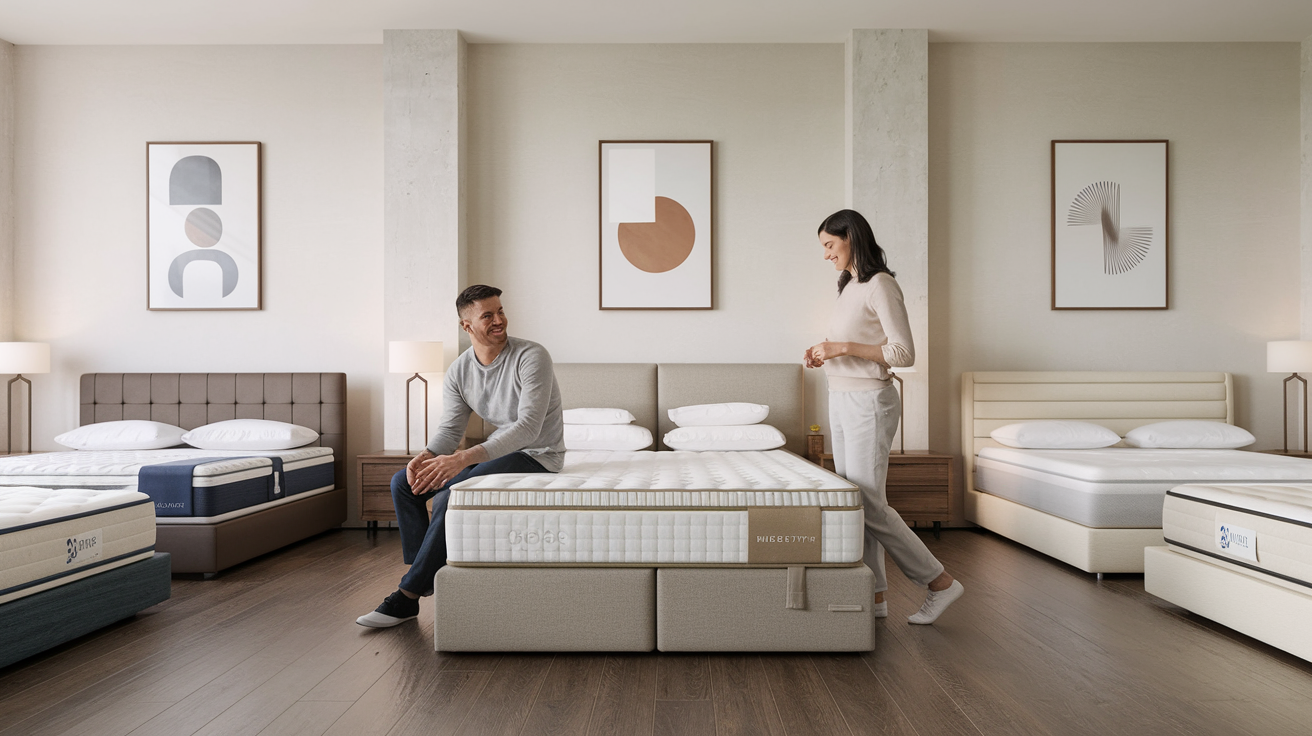
- Shoppers with access to a local Therapedic retailer who can test the specific model in person
- Buyers on a budget who want HourGlass lumbar zoning without spending $1,000+
- Guest rooms or vacation-home contexts where long-term durability is less critical
Avoid the BackSense if
- You want a home trial before committing, since BackSense mattresses are retail-only
- You are a hot sleeper: most BackSense models have no active cooling layer
- You want long-term durability data; coil longevity concerns appear in user reports over time
- You share a bed and need maximum motion isolation, since innerspring designs transfer more motion than foam
Comfort and firmness
The BackSense series covers a wide firmness range, from a plush tight-top to an ultra-firm. The firm and cushion-firm models sit around 6.5 to 7 out of 10 on the standard 1-to-10 scale, while the Elite Ultra Firm reaches roughly 8 out of 10. Most reviewers position these as best suited to back and stomach sleepers, with the softer plush options being adequate for dedicated side sleepers only.
The HourGlass back-support insert is the defining feature across the line. It is a polypropylene structure that reinforces the mattress by approximately 18 percent at the shoulder and hip zones and 13 percent at the lumbar zone, compared to the surrounding foam layers, according to Therapedic's own materials. In practical terms, that means less sinkage at the heaviest body points, which keeps the spine closer to neutral for back and stomach positions.
Firmness feel is also shaped by the coil gauge under you, and this is where the licensee model shows up again. Owner feedback collected across retail reviews suggests the same nominal firmness label can read a half-point softer or firmer between factories. If you are between two firmness options on the showroom floor, lie on both for at least ten minutes each before deciding.
FIRMNESS SNAPSHOT
- Plush tight-top: the only BackSense option I would put a strict side sleeper on
- Firm / cushion-firm (6.5-7/10): the sweet spot for back sleepers under ~230 lbs
- Elite Ultra Firm (~8/10): stomach sleepers and heavier bodies who hate sink
Construction: what is inside a BackSense
Pocketed coil core: The individually wrapped coil system is the support foundation across the line. Queen models typically run from 630 to 941 coils depending on tier, per the manufacturer's tier listings. The Braeside entry line uses standard-gauge coils in an 11-inch profile; the Elite Ultra Firm uses a 941-coil, 15-inch profile with heavier-gauge wrapped coils.
HourGlass back support: The lumbar/zone insert sits between the coil core and the comfort layers. It is the primary differentiator between BackSense and standard-construction innersprings in the same price range. From a materials standpoint, polypropylene is a smart choice here: it is stiffer than foam, does not soften with heat the way memory foam does, and holds its zoning effect longer than a foam insert would.
Comfort layers: Polyurethane foam of varying densities, with copper-infused or gel-swirl memory foam in the upper tier models. The copper layer is positioned at the lumbar third in the Pinegrove Firm and similar models, per the brand's model specs. Therapedic does not publish foam densities for these layers, which is the single biggest spec gap I ran into. Density is the number that predicts how fast a comfort layer packs down, and without it I cannot give you a firm durability read on the foams.
Cover: Stretch-knit fabric with fire-resistant fiber quilting, meeting standard US FR compliance. No organic or third-party-certified covering material on most BackSense models.
Motion isolation and edge support
The pocketed coil design plus foam encasement gives the BackSense better motion isolation than open-coil innersprings, though not as quiet as all-foam beds. For couples who move at night and want zero motion transfer, a foam or hybrid mattress with thick comfort layers will outperform any coil-based design at this price point. Edge support is described as above average for the category in owner reviews, with perimeter coil reinforcement preventing the roll-off sensation common on cheaper innersprings.
One construction note couples should weigh: individually wrapped coils only isolate motion if each spring can move independently, and that independence degrades if the comfort foam above them bridges across several coils at once. On the thinner entry tight-tops, expect a bit more partner disturbance than on the deeper premium profiles, simply because there is less foam between you and the spring unit.
Other Therapedic models we have reviewed
BackSense is the line most shoppers ask about, but Therapedic licenses several other collections through its regional factories, and the build philosophy carries across them. If a dealer shows you one of these instead, we have separate breakdowns: the Therapedic Titania, the Therapedic Sapphire, and the Therapedic Portia. Each review follows the same construction-first approach you are reading here.
Price, trial, and warranty
Price: Retail-set, ranging from roughly $460 queen (Braeside entry) to $849+ (Pinegrove Cushion Firm) and $1,099 and above for premium tiers. Because Therapedic sells through independent retailers, price can vary by location.
Trial period: There is no standard home trial. The mattress is purchased at retail, so in-store testing is your only pre-buy evaluation. Return policies depend on the retailer, not Therapedic.
Warranty: Most BackSense models carry a 10 to 15-year limited warranty, per the manufacturer's published terms. Coverage details depend on the model and retailer agreement. Contact the retailer for the specific terms on the model you are buying.
Adjustable base compatibility: Most newer Pinegrove and Braeside models are listed as adjustable-base compatible, though the base coil design on some ultra-firm versions is less flexible. Confirm with the retailer for the specific model.
For broader context on mattress longevity, see our mattress lifespan guide and our round-up of top mattresses for back pain.
Is the BackSense good for back pain?
The HourGlass zoning gives the BackSense a genuine structural advantage over unzoned innersprings for back pain. Reinforcing the lumbar and hip zones reduces the sinkage differential that causes posterior ligament strain during sleep. For back and stomach sleepers with non-specific lower back pain, the firm and cushion-firm BackSense models are a defensible option in the under-$1,000 price band.
Where the BackSense falls short for back-pain management is durability: if the coil system softens after two to three years, the lumbar benefit erodes. Long-term durability tracking on a retail-only product is harder to find than on direct-to-consumer brands with centralized warranty data. If durability certainty matters, the foam-based alternatives with longer trial windows and explicit sag coverage are lower risk.
A solid firm innerspring with real lumbar zoning at a mid-range retail price. Best for back and stomach sleepers with a Therapedic retailer nearby. The main gaps are the absence of a home trial, limited durability data, and no active cooling. If those gaps are deal-breakers, see our recommended alternative below.
Frequently asked questions
Can you buy a Therapedic mattress online?
No. Therapedic operates through independent retailers and does not sell direct-to-consumer online. To purchase a BackSense mattress, you need to visit a local retailer that carries the brand. This also means there is no standardized home trial, unlike direct-to-consumer brands.
How long does a Therapedic BackSense last?
The warranty covers 10 to 15 years depending on the model. In practice, user reports suggest the coil performance can degrade in two to four years with heavy daily use, particularly on the lower-tier models. The warranty covers manufacturing defects and specified sag thresholds, not normal wear. Confirm the exact sag threshold and coverage terms with your retailer.
Is the Therapedic BackSense good for side sleepers?
The firm and ultra-firm models are not well suited to strict side sleepers, who need more contouring at the shoulder and hip. The Braeside Plush or lower-firmness BackSense options are more appropriate for side sleeping, though a foam or foam-hybrid bed will generally give better pressure relief in this position at any price.
What is the HourGlass back support system?
It is a polypropylene structural insert built into the upper portion of the mattress that creates firmer support zones at the shoulders, lumbar, and hips. According to Therapedic's materials, it reinforces those zones by roughly 13 to 18 percent versus the surrounding foam layers. It is the main differentiator between the BackSense line and standard Therapedic innersprings.
Does Therapedic publish foam densities or coil gauges?
Not consistently. The brand lists coil counts by tier, but individual foam densities and wire gauges are generally not published, and they can differ between licensed factories. If those specs matter to you, ask the retailer to pull the build sheet for the exact unit on the floor, and treat any number they cannot show you in writing as unverified.