
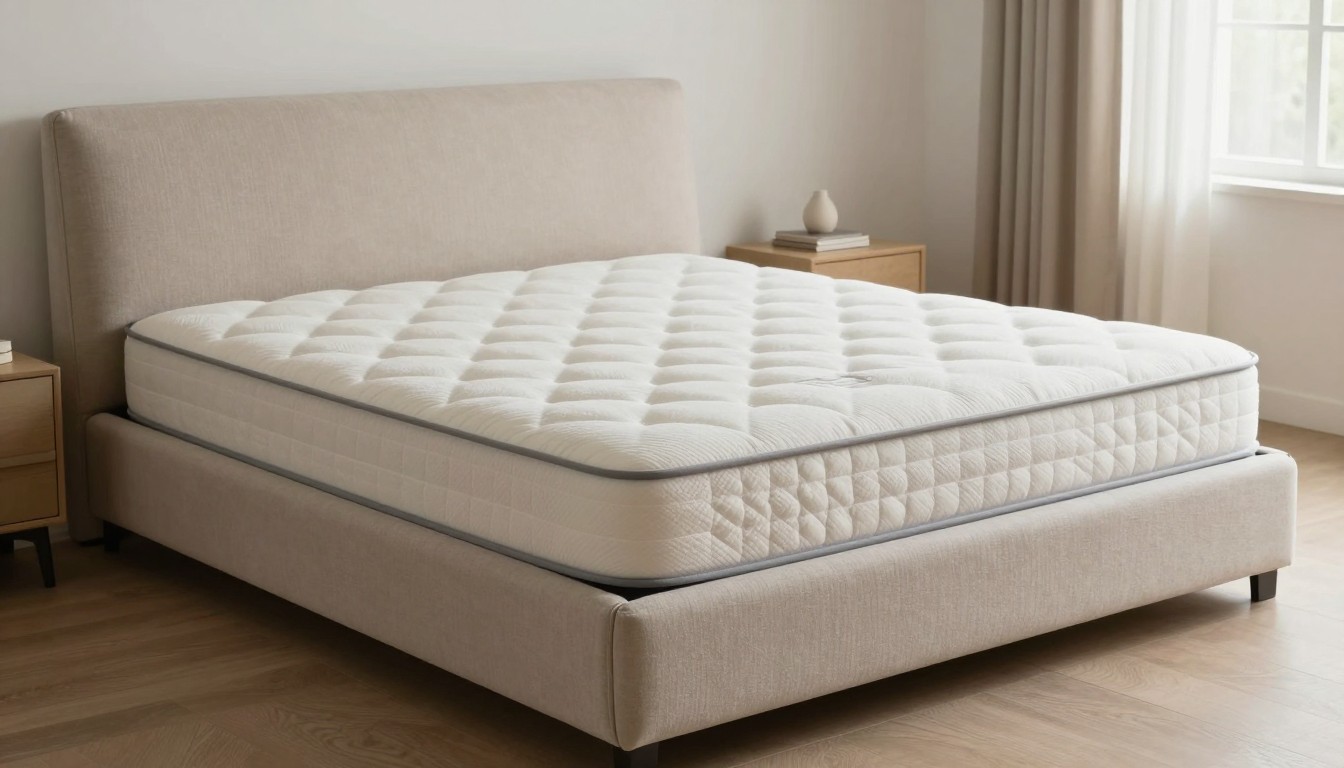
 by
by Quick answer: An upholstered storage bed makes sense when hidden capacity matters enough to accept a heavier frame and more moving hardware. Choose a gas-lift base for one large storage cavity. Choose drawers for easier, more frequent access. Before considering any model, confirm that its official description expressly identifies the storage mechanism. Upholstery alone does not make a bed a storage bed.
- Gas-lift designs suit bulky bedding, luggage, and items you do not need every day.
- Drawers organize smaller belongings but need clear floor space beside the frame or at its foot.
- Mattress compatibility, room clearance, delivery access, and replacement hardware matter more than tufting style.
Updated July 2026 · Reviewed for accuracy
My verdict: an upholstered storage bed can earn its footprint in a small or storage-starved bedroom, but the mechanism is the real purchase. The fabric is only the finish. I would skip the category if you move regularly, cannot spare operating clearance, or have no practical need for the hidden space. A handsome frame becomes frustrating quickly if its drawers hit a nightstand or its lift platform feels awkward with your mattress.
What an upholstered storage bed actually is
Beneath the padding, a storage bed is a load-bearing frame with a built-in access system. The upholstered rails and headboard soften its appearance, while the platform, center supports, joints, hinges, struts, or drawer runners do the structural work. Those hidden parts tell me far more about likely durability than the fabric color does.
The category generally uses two layouts. A gas-lift design raises the mattress platform to expose one broad cavity beneath it. A drawer design divides the storage into compartments that open from the sides or foot. Hybrid arrangements exist, but they still depend on some combination of lifting hardware and drawer runners.
Many upholstered storage frames are designed to support a mattress on slats or a platform. Do not assume that means every mattress or foundation will work. The manufacturer should state whether a separate foundation is needed, what kind of support the mattress requires, and whether the lift system has compatibility limits.
The Nut’s rule: buy the mechanism first, the frame construction second, and the fabric third. Padding cannot rescue weak joints or poorly matched hardware.
Gas-lift or drawers: the difference that matters
A gas-lift base gives you one large opening. A drawer base gives you separated access points. That distinction affects capacity, organization, room layout, and how often you will realistically use the storage.
| Decision point | Gas-lift base | Drawer base |
|---|---|---|
| Storage layout | One deep, open cavity beneath the platform | Separate compartments with less open depth |
| Access | The mattress platform must be raised | A drawer pulls out from the side or foot |
| Organization | Best organized with your own bags, boxes, or dividers | Separation is built into the frame |
| Mattress interaction | Mattress weight can affect lifting behavior | Opening does not require lifting the mattress |
| Room clearance | Needs a clear lifting path around the platform | Needs enough open floor for each drawer to extend |
| Most practical use | Bulky or seasonal belongings | Smaller items reached for regularly |
Gas struts are meant to assist the lift, not erase the effect of the mattress. A mattress that falls outside the manufacturer’s guidance may change how easily the platform rises or settles. Check that guidance before assuming your existing mattress is a match.
Drawers remove the lifting step, which makes them the practical choice for frequently used clothes or spare linens. Their weakness is room planning. A deep drawer is not useful if a wall, dresser, or bedside table blocks it halfway.
Simple decision: choose gas-lift storage when maximum open capacity is the priority. Choose drawers when quick organization matters more. If you are unsure what you would store, these under-bed storage ideas can help you judge the volume and access you actually need.
Frame construction matters more than thick padding
Upholstery does not carry the mattress. The load travels through the platform or slats, side rails, center support, legs, joints, and fasteners. A listing full of close-up fabric photographs but short on frame details leaves the important questions unanswered.
Look for a clear explanation of the internal frame materials and how the platform is supported. Engineered wood, plywood, solid wood, and metal can all play useful roles when the design distributes weight properly. Material names alone do not prove quality, so I also want to see how the rails connect, where the center is supported, and whether the moving hardware is accessible.
Slat spacing and foundation requirements deserve the same attention. A storage frame may replace a box spring, but the mattress maker can still impose support rules. Compare the bed instructions with the mattress requirements instead of relying on a retailer’s general statement that the frame fits standard mattresses.
- Platform: should sit evenly and attach securely to the lifting or supporting structure.
- Center support: should be described clearly for wider bed sizes.
- Joints: should use hardware that can be checked and tightened after assembly.
- Storage floor: should be shown or described so you know how belongings are contained.
- Moving parts: should remain reachable for inspection or replacement.
A padded rail can make a lightly built frame look substantial in photographs. I would not treat upholstery thickness, a tall headboard, or decorative tufting as evidence of stronger construction. The useful details are underneath.
Measure the room in its open position
A closed bed only tells you how much floor space the frame occupies while you sleep. A useful measurement accounts for the bed while the storage is open. For a lift base, think about the raised platform, nearby lighting, wall shelves, and anything mounted behind the headboard. For drawers, trace the complete pull-out path on the floor.
Side-opening drawers can conflict with nightstands, radiators, closet doors, or a narrow walkway. Foot drawers need space beyond the end of the mattress. If only one side of the bed is accessible, confirm that the storage opens from the useful side rather than assuming the layout can be reversed during assembly.
The headboard also changes the visual and physical fit. A thick upholstered headboard pushes the mattress farther into the room than a slim metal frame would. Under a window, check how its height relates to the sill and curtains. Against a sloped wall, account for the padding depth as well as the listed footprint.
- Mark the closed frame footprint on the floor.
- Mark the full opening path of the platform or drawers.
- Check bedside furniture, doors, vents, lights, and wall fittings.
- Confirm which direction the storage opens.
- Leave yourself a comfortable position from which to operate it.
This is where many attractive designs stop being sensible. If you must move furniture each time you open the storage, you will probably use it less than expected.
Match the lift system to your mattress
A lift base and mattress work as a system. The struts assist with a particular operating load, while the hinges control the platform’s path. An unusually heavy mattress can make lifting feel more demanding. An unusually light mattress may also change how the assisted platform behaves. Follow the bed manufacturer’s current compatibility guidance rather than guessing from mattress size alone.
Thickness matters because a deep mattress changes the total height and can affect access to the lifting handle. It may also hide more of a low headboard. These are not reasons to reject a lift bed, but they are reasons to evaluate the mattress and frame together.
If you use an adjustable base, a separate foundation, or another specialty support system, verify compatibility in the official instructions. A storage platform that already contains hinges and lifting hardware may not be intended to carry another moving base. The product documentation should make that relationship explicit.
Compatibility check: match the bed maker’s mattress guidance with the mattress maker’s foundation rules. If those instructions conflict or omit your setup, ask the manufacturer before ordering.
Delivery and assembly need a realistic plan
Storage hardware, internal panels, padded rails, and a headboard make these frames heavier and more complicated than a simple open bed frame. Some arrive in several cartons. Others include partly assembled sections that can be awkward on stairs or around tight hallway corners.
Measure the route from the entrance to the bedroom, not just the finished room. Doorways, turns, stair landings, and elevators can matter more than the final footprint. Also check whether delivery ends at the curb, inside the entryway, or in the room, because those are very different jobs with a heavy frame.
Assembly usually involves aligning the supporting frame before attaching drawers or lift hardware. Work on a clear floor, protect the upholstery, and keep fasteners grouped according to the instructions. A second pair of hands is useful when a platform must be held square while hinges or struts are attached.
- Check the carton count and delivery method before arrival.
- Confirm that every packaged section can reach the bedroom.
- Find out whether assembly service is available if you need it.
- Read the furniture return terms before opening or discarding packaging.
- Keep the manual and hardware labels for future adjustments.
If you move frequently, pay attention to disassembly instructions. Upholstered panels are easier to mark during repeated moves, and complicated hardware is less forgiving when parts or labels go missing.
Choose upholstery for maintenance, not just photographs
A flat woven fabric is usually easier to vacuum than deep tufting because it gives dust fewer recesses in which to settle. Velvet and other directional piles can show hand marks or changes in shading more readily. Any stain-resistance claim should come from the manufacturer, and the care label should govern how the fabric is cleaned.
Button tufting creates deeper creases around each anchor point. Buttonless box tufting keeps the padded geometry but presents a flatter cleaning surface. Neither style changes the storage function, so I would choose between them according to maintenance tolerance and room style.
The headboard needs to work with the mattress and pillows, not just the catalog photograph. Our upholstered headboard guide explains the main shapes and fabric considerations. If you are planning a wider frame, the proportions discussed in our guide to upholstered king headboards can help you avoid a headboard that overwhelms the room.
- Flat weave: a practical surface for routine vacuuming.
- Deep tufting: more creases that require attention with an upholstery attachment.
- Directional pile: can display touch marks and changing light more clearly.
- Pale fabric: may reveal spills or transfer sooner, depending on the textile.
- Care instructions: should be available before you choose a cleaning product.
For routine care, use a soft upholstery attachment and address spills according to the stated fabric code. Test any permitted cleaner in an inconspicuous place first. Avoid saturating padded rails, since moisture can be slow to leave layered fabric and foam.
Organize the storage around access frequency
A large lift cavity works best when the items inside are grouped. Soft bags, labeled bins, or other manageable containers keep the space from turning into a pile you must unload to reach the bottom. Place rarely used belongings farther from the opening and keep the items you need sooner within easy reach.
Drawers already provide separation, but they still need sensible loading. Keep belongings within the drawer walls and away from the runners. If a drawer starts rubbing or no longer closes evenly, check for an obstruction before forcing it.
Only store clean, dry items, and do not pack the cavity so high that belongings press against the platform or interfere with hinges. The mechanism needs its intended travel path. Follow any loading or placement restrictions in the manufacturer’s instructions.
Best use pattern: reserve a lift cavity for bulky, low-frequency storage. Give frequently used items to drawers or another place that does not require raising the mattress.
Hardware access shapes long-term value
Gas struts, hinges, handles, drawer runners, and fasteners are wear parts. A useful product page or manual should identify the mechanism clearly enough for you to understand what can be inspected. Better still, the brand should explain how replacement hardware is handled if a moving part eventually needs attention.
Read the warranty as a contract, not as a headline. Coverage for the structural frame, upholstery, and moving hardware may differ. Check exclusions, claim procedures, and whether service requires original paperwork or proof of purchase. Return terms for assembled furniture can also be more restrictive than mattress return policies.
Squeaking does not automatically mean the frame is failing. A loose connection, uneven floor, or shifted component can create noise. Check the assembly manual, confirm that the frame sits square, and tighten permitted fasteners as directed. Do not add lubricant to fabric-adjacent hardware unless the manufacturer recommends it.
- Can the hinges, struts, or runners be reached without damaging upholstery?
- Does the manual identify adjustment and maintenance points?
- Are replacement parts available through the seller or manufacturer?
- Does the warranty distinguish hardware from fabric and frame coverage?
- Is customer support reachable before purchase?
Who should buy one, and who should skip it
The strongest case is a bedroom where the mattress already occupies the largest patch of floor and hidden storage could replace another piece of furniture. Spare bedding, luggage, and seasonal clothing are natural fits, provided the frame offers the right type of access for those belongings.
The category also suits someone who wants storage without visible bins. Upholstered rails hide the working parts and create a softer visual line than an exposed platform. That aesthetic benefit is real, but I would still put mechanism disclosure and frame construction ahead of color or tufting.
Skip it if you rearrange rooms often, expect regular moves, or cannot keep the opening path clear. If hidden capacity matters more than the upholstered look, a standard frame and well-fitted containers may deliver enough function with less hardware. These under-bed storage tips cover the simpler approach.
Product-fit warning: an upholstered frame is not automatically a storage model. Confirm that the official listing names a gas-lift platform, ottoman base, or drawers and explains how they open. If the storage mechanism is not disclosed, treat the product as a standard upholstered bed.
My pre-purchase checklist
A good listing should answer practical questions without making you infer the mechanism from staged photographs. I would pause if it shows a padded frame but never displays the open storage area, hardware, drawer orientation, or supporting platform.
- Identify the exact mechanism and opening direction.
- Check mattress and foundation compatibility.
- Measure the bed in both closed and open positions.
- Review the internal frame, center support, platform, and storage floor.
- Confirm the fabric care instructions.
- Check delivery, assembly, disassembly, and return terms.
- Read the coverage details for frame, upholstery, and moving hardware.
- Ask how replacement struts, hinges, handles, or runners are supplied.
For a little-known marketplace brand, treat specifications as claims from the listing unless they are backed by the manufacturer’s documentation. Clear manuals, mechanism photographs, care instructions, and support policies are more useful than decorative language about luxury or strength.
The bottom line
Start with what you need to store and how often you need it. Then choose gas lift or drawers, measure the frame while open, verify mattress compatibility, and inspect the underlying construction. Only after those checks would I choose the upholstery. Bought in that order, an upholstered storage bed can add useful hidden capacity without making the room feel like a storage unit.
ONE OPTION WORTH COMPARING
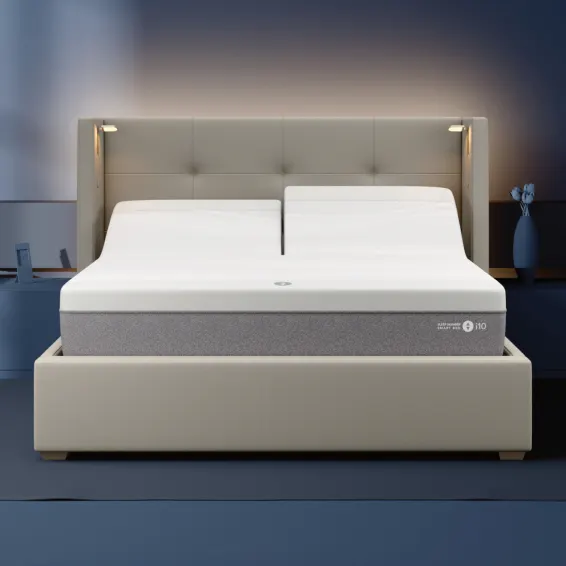
Shopping as well as reading? Here is one current option worth comparing: the Box Tufted Buttonless Upholstered Bed. Check today’s price, sizing and return terms on the official product page before you order.
Box Tufted Buttonless Upholstered Bed
- A storage frame may replace a box spring, but the mattress maker can still impose support rules
- Buttonless box tufting keeps the padded geometry but presents a flatter cleaning surface
View the Box Tufted Buttonless Upholstered Bed product page →
FAQ
Are upholstered storage beds hard to assemble?
They are generally more involved than a basic frame because the storage panels and moving hardware must align correctly. Clear the room, protect the fabric, follow the assembly sequence, and plan for a helper when positioning bulky sections. If the seller offers assembly, check what the service includes before delivery.
Will a storage bed work with my current mattress?
It may, but matching size is not the only requirement. For a gas-lift design, compare your mattress with the manufacturer’s weight and thickness guidance. Also confirm the required support surface and whether your mattress warranty imposes separate foundation rules.
Which tends to last longer, a gas lift or drawers?
Either mechanism can last well when the supporting frame is sound and the hardware is serviceable. Lift beds rely on struts and hinges, while drawers rely on runners, joints, and handles. I would prioritize accessible components, replacement-part availability, and clear warranty language over the mechanism label alone.
How do you clean an upholstered bed frame?
Vacuum it gently with a soft upholstery attachment and follow the fabric care code for spots or spills. Pay extra attention to tufting seams and the narrow gap between the mattress and rails. Use only cleaning methods permitted by the manufacturer.
Is an upholstered storage bed worth the premium?
An upholstered storage bed is worth considering if its hidden capacity replaces furniture or solves a genuine closet problem. If the cavity would stay mostly empty, or if opening clearance is poor, a simpler frame with separate under-bed containers is likely the more practical choice.