 by
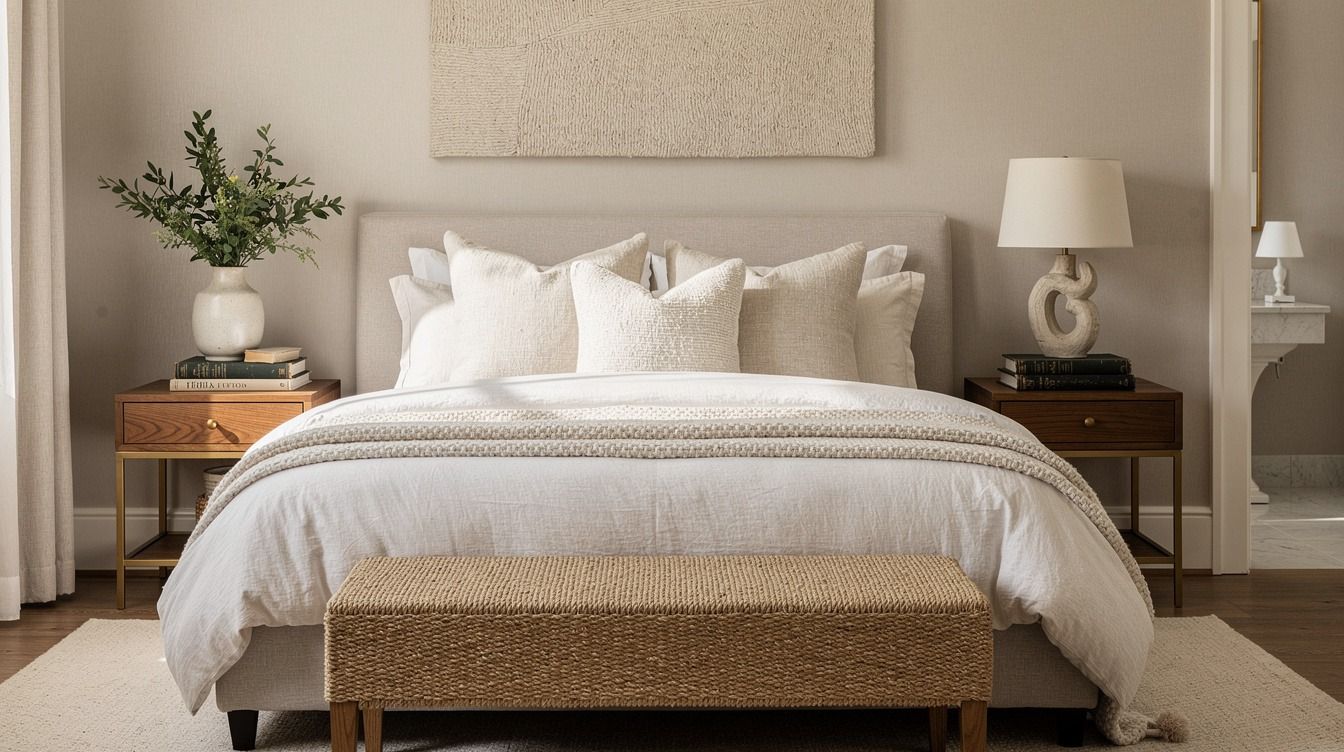
by *Empty nest bedroom makeover with natural fabrics was the answer to a room that had become our holding zone. The old bedding felt slick, the corners collected laundry, and I kept waking at 3 a.m. convinced the room was somehow louder than the rest of the house.
After our youngest moved out, I thought I wanted a polished guest room. I didn't. I wanted our bedroom to feel like somewhere I could exhale, even with a half-read book on the nightstand and a sweater on the chair.
The moment I stopped calling it “fine”
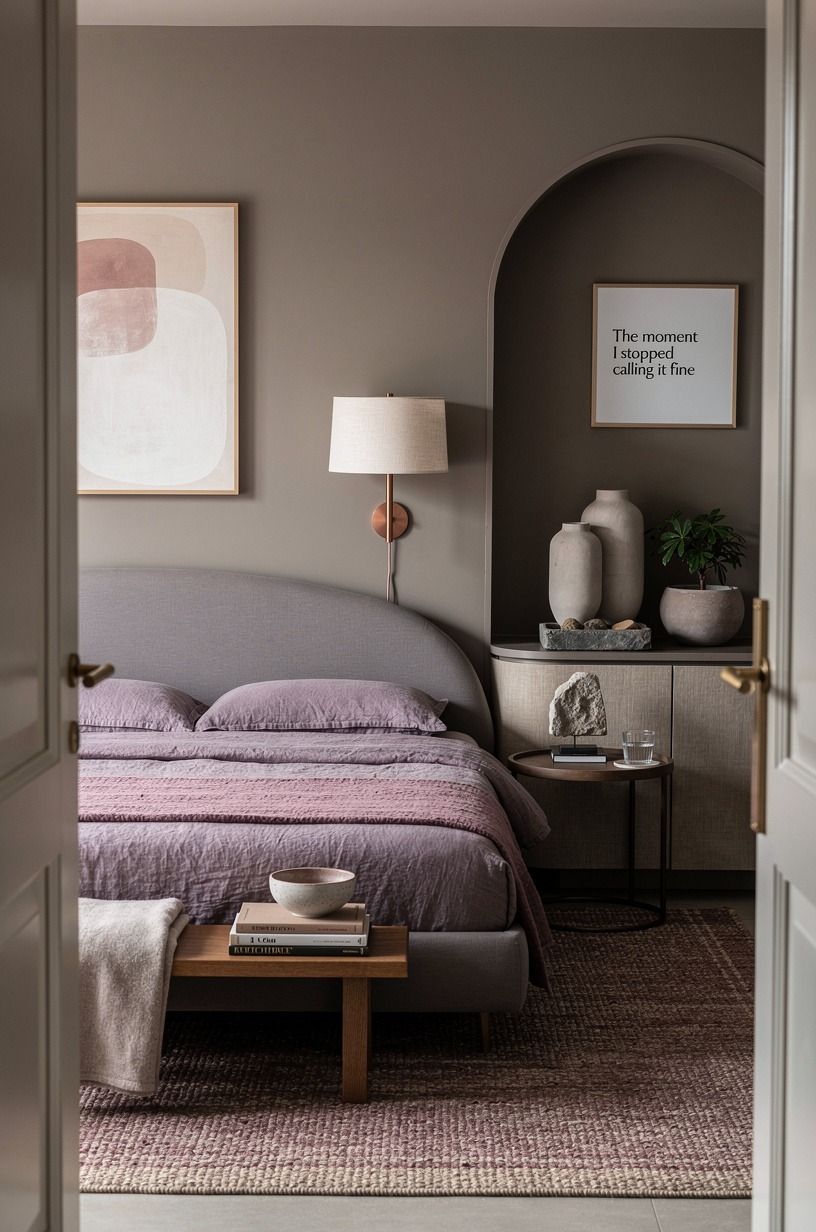
The room wasn't ugly. That was almost worse.


Beige walls, a dark wood bed, too many synthetic layers that looked tidy but felt faintly clammy by morning. I’d bought things over the years because they matched, not because I liked living with them.
But one Sunday, while stripping the bed, I realized I was avoiding our own room until bedtime. I decided the makeover had to begin with touch, not decor. My opinion?
A bedroom can survive plain walls. It can't survive bedding you don't want against your skin.
I cleared the visual noise before buying anything
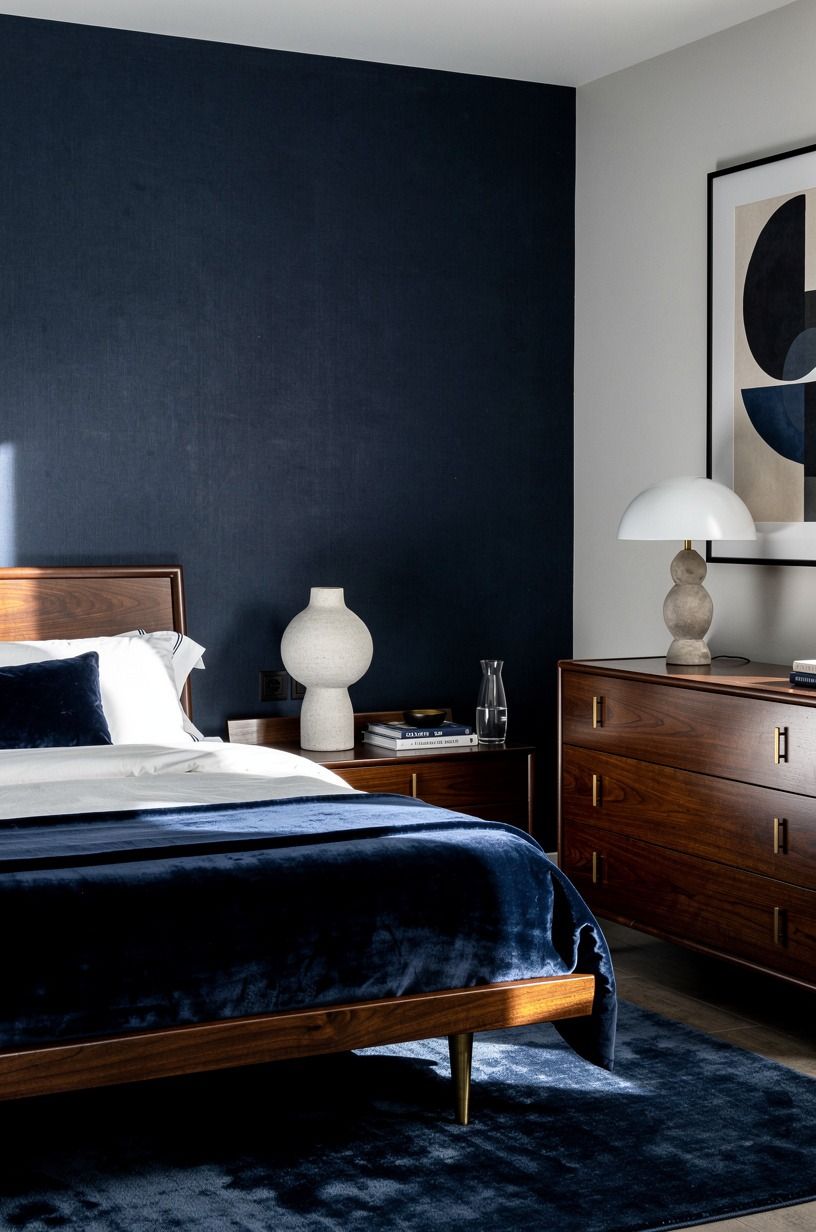
I moved the extra chair out, boxed up the decorative pillows, and left only what we used each night. Two lamps.
Our books. A water glass.
Better already.
And yes, the room looked a little bare for a week. Good.
That empty space showed me what was worth bringing back. I kept thinking about this calm bedroom reset with natural materials because the restraint made sense to me. I didn't need more objects.
I needed fewer wrong ones.
Bare floor. Quiet surfaces. A small relief.
The Zenhaven changed what I wanted from the whole room
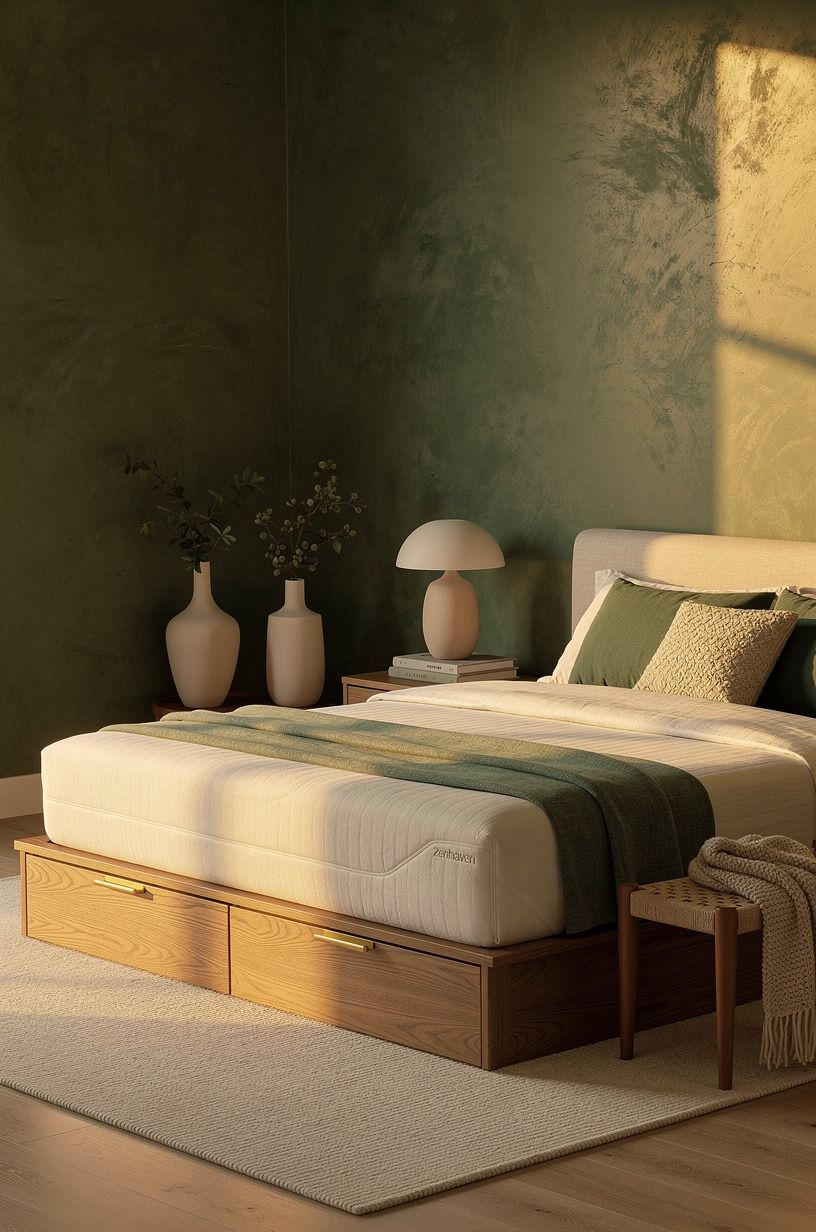
Our old mattress had that plasticky smell that seemed to come back whenever the heat kicked on. I’d been putting off replacing it because it felt like a big decision, and honestly, I wasn't sure I could tell the difference once it was covered in sheets.
I could. The Zenhaven made the bed feel less sealed-up and more breathable to me, especially on warm nights.
I’m not making a health promise here, but my own sleep felt calmer, and I woke up less irritated by the room. That mattered more than I expected.
But it also made the shiny comforter look ridiculous. Once the bed felt good, I couldn't pretend the rest of it belonged.
I chose cotton first, then let the palette follow
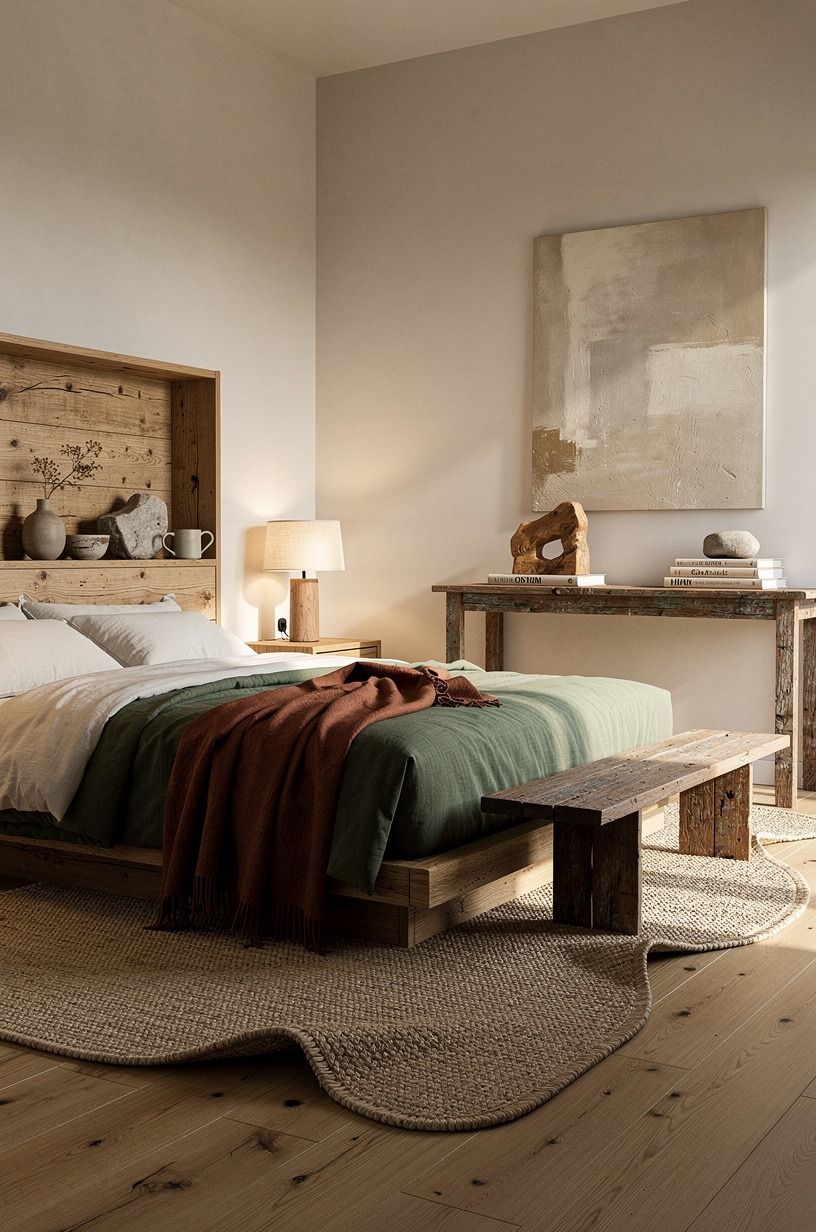
I put Organic Cotton Sheets on the bed and stopped chasing the crisp hotel look. I prefer a washed, slightly rumpled bed now. It feels lived-in, not neglected, and there's a difference.
For the walls, I chose Benjamin Moore Pale Oak OC-20, which shifts softly through the day instead of sitting there like flat beige. In morning light it has a gentle pink-gray cast; by evening it settles into something warmer. I’d choose it again over a bright white every time, because white made our north-facing room feel chilly.
And I added this Japandi bedroom that feels calm without feeling empty to my mental rulebook: pale doesn't have to mean sterile.


The Piece My Whole Bedroom Is Built Around
Natural materials, a 365-night home trial, free white glove delivery. Decide in your own room, not a showroom.
The pillow was my unexpectedly picky decision
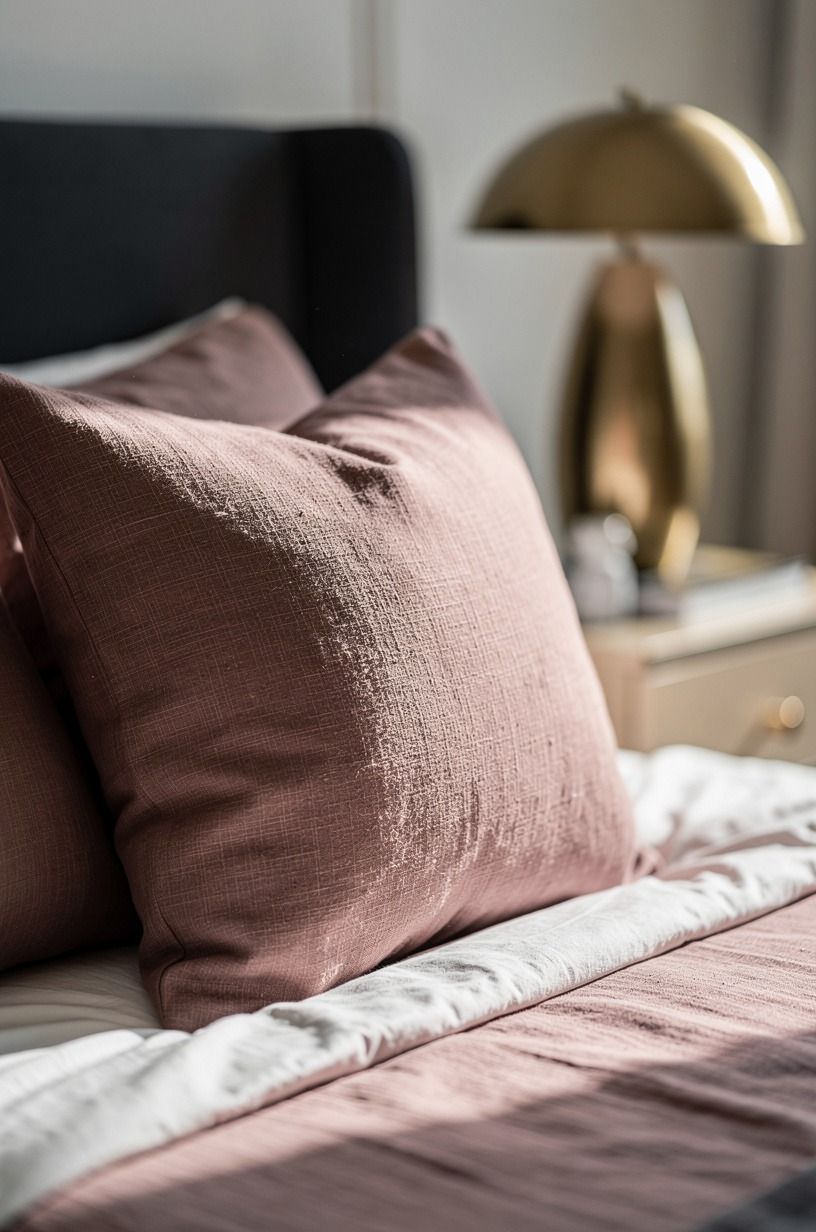
I tried to make our existing pillows work. I fluffed them, stacked them, put prettier cases on them.
Nothing helped. They still made the bed look overstuffed and uneven.
Then I brought in the Organic Quilted Pillow, and I liked that it gave the bed shape without turning it into a showroom display. I’m fussy about pillows, though. I don't like a tall, dramatic pile, and I think bedrooms look more restful when you can see the headboard.
A low profile. Soft cotton. Enough.
I layered warmth under the sheets, not on top of everything
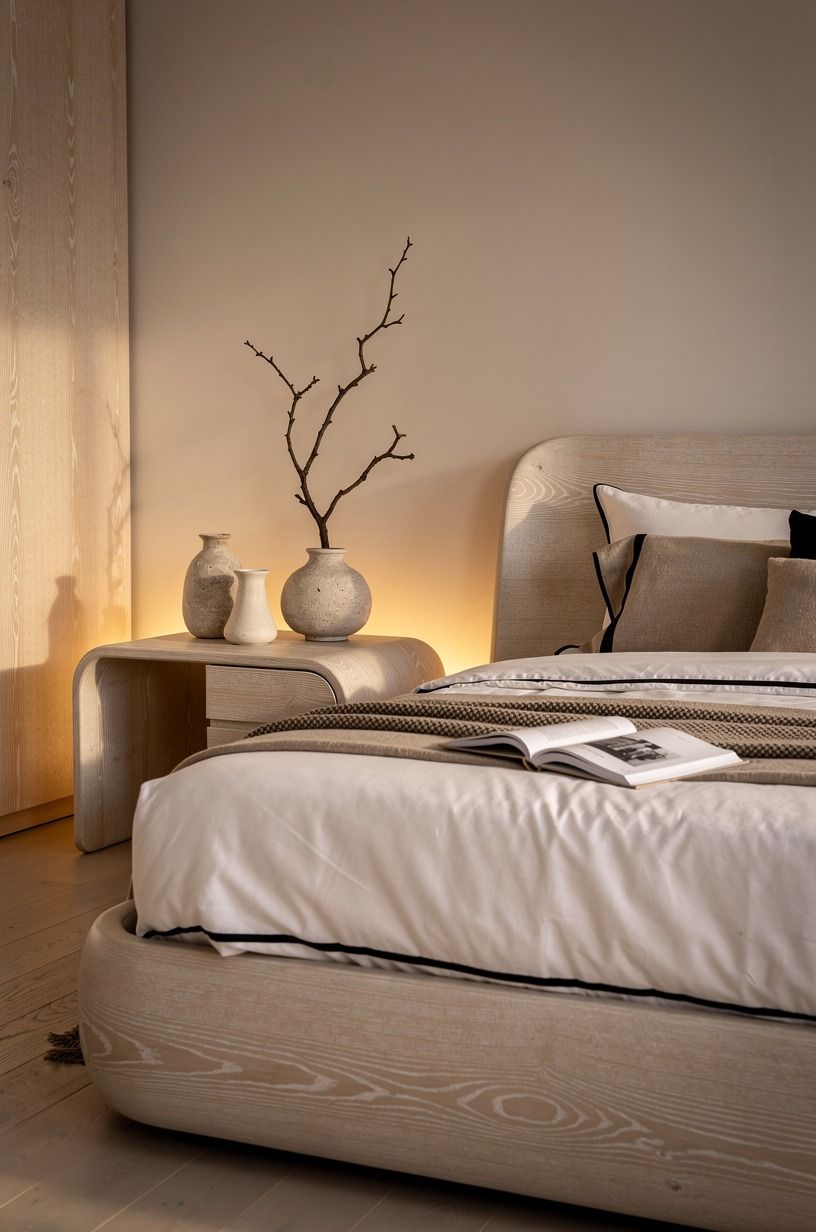
The biggest surprise was the Organic Mattress Pad. I wasn't sure it was worth it. For two weeks I regretted adding another layer because I worried the bed would feel too padded and fussy.
But it gave the mattress a quieter, softer finish that made me stop piling blankets on top to compensate. I’d rather sleep with one breathable quilt and a wool throw at the foot than wrestle with three synthetic blankets. That’s just me.
And if you’re rebuilding a bedroom around materials that feel better to you, this non-toxic bedroom makeover under $500 has a grounded approach without making the room feel precious.
I kept the furniture, then softened its edges
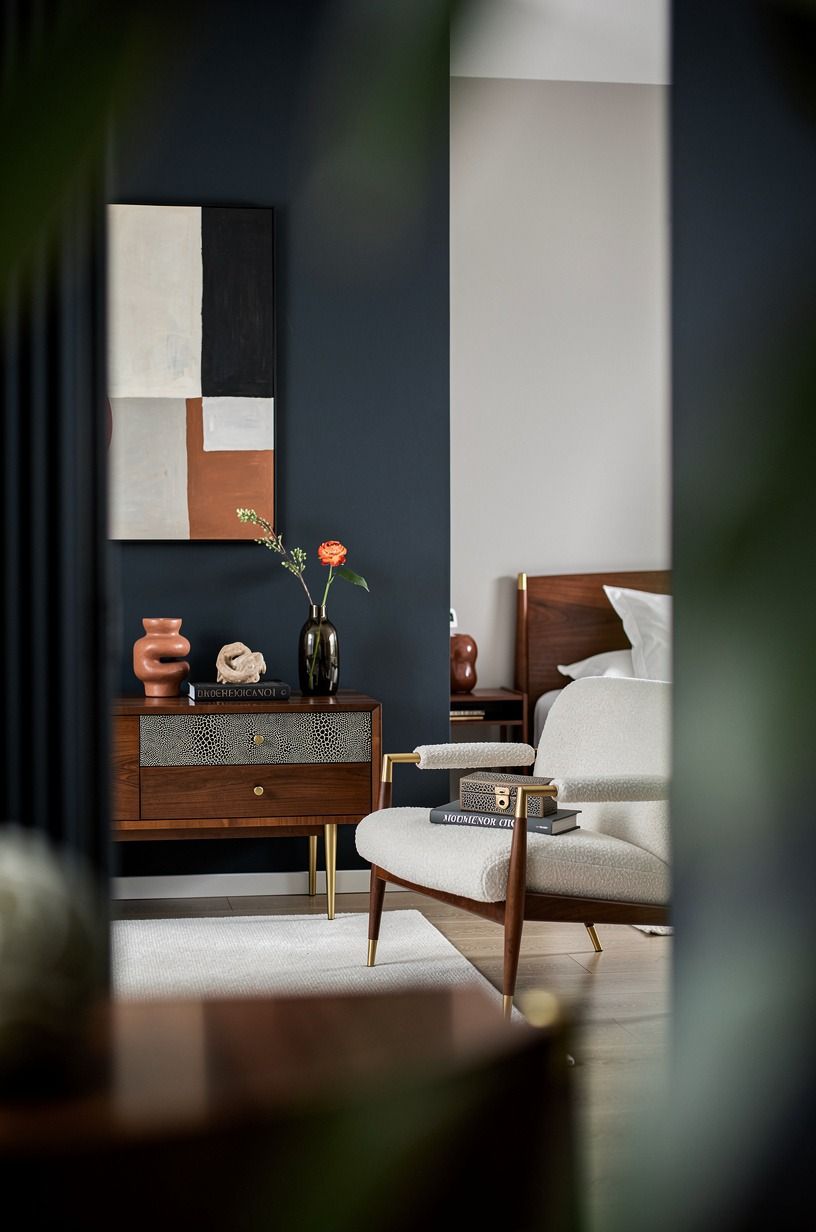
We didn't replace the dark wood bed or buy matching furniture. I’m glad we didn't. The old frame looked less heavy once I put a natural-fiber rug beneath it and swapped the busy art for one quiet landscape.
I used linen curtains that skimmed the floor, a woven shade, and a small ceramic lamp with a warm bulb. The room became more peaceful because the materials weren't all competing for attention.
Wood grain, cotton, wool, paper shade. That was enough.
But I would skip the giant jute rug I first considered. It looked right online, yet I knew I'd hate the scratchy texture beside the bed every morning. Pretty isn't useful if you resent touching it.
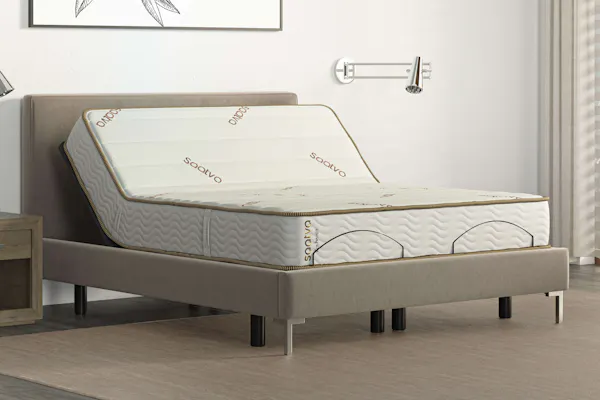 My pick for a healthier bedroomZenhavenTalalay latex, organic cotton, 365-night trial, lifetime warranty, free white glove delivery.See the Zenhaven
Build Your Own Healthier Bedroom
Sale pricing runs on orders over $1,000, and the 365-night trial gives you a full year of nights to be sure.
What I’d do differently, and what I’d keep
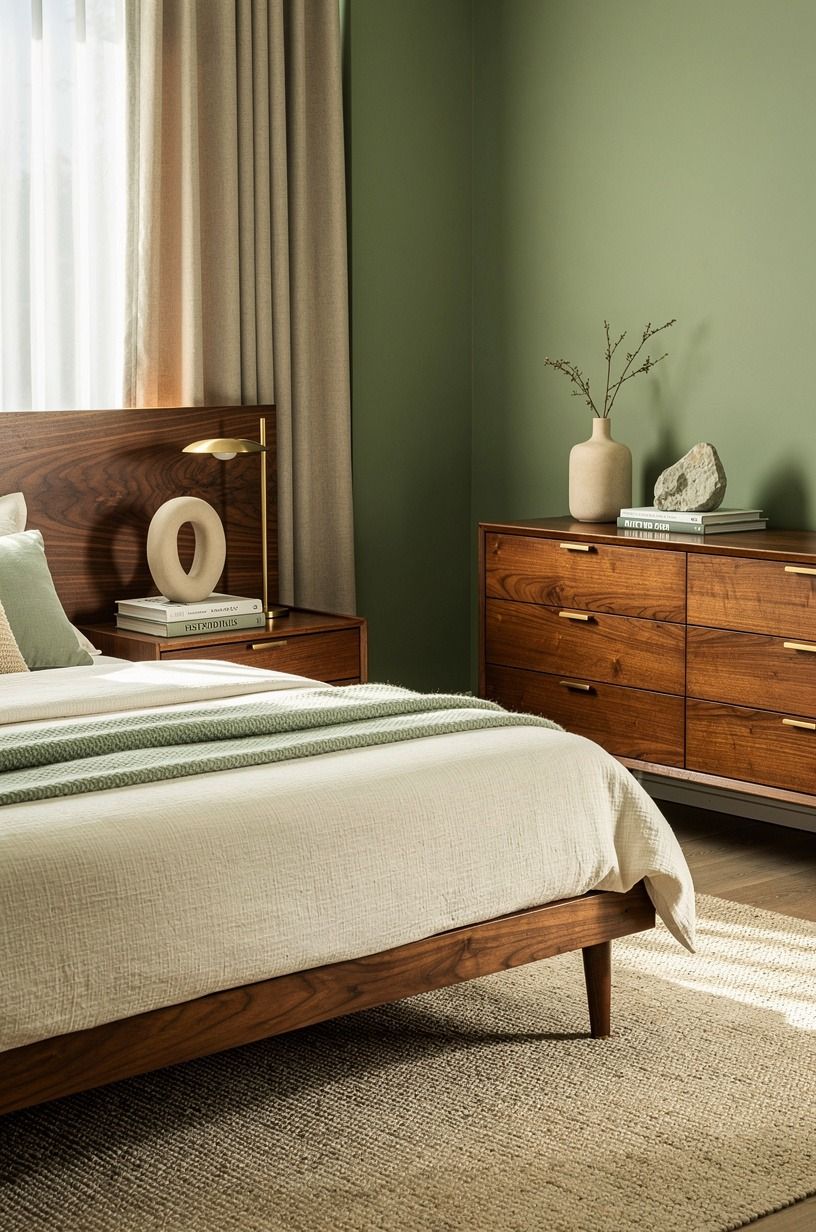
I would have painted sooner. I spent too long trying to solve a cold room with throws and pillows, and none of that could change the light bouncing off the walls.
I’d also buy fewer “natural-looking” items made of plastic blends. They fooled me from across the room, but not up close. Still, I don't think a restful bedroom needs to be flawless or expensive.
Mine has an older dresser, one slightly crooked frame, and a drawer full of cables I haven't sorted. Real life.
If I had to pick one, I'd start with the bed. You spend every night there, and a soft cotton layer changes the room before you add a single accessory. Now, at dusk, the linen curtain catches the lamp glow beside the pale oak wall.