
 by
by Quick answer: A mattress profile measurement is its total vertical thickness, taken from the bottom surface to the highest point of its built-in top. It excludes the foundation and bed frame.
- Profile describes the mattress itself, not the complete bed.
- Built-in quilting and pillow tops count toward the measurement.
- Profile affects sheet fit, frame compatibility, and sleep-surface height.
Updated July 2026 · Reviewed for accuracy
Put simply, “profile” is mattress-industry language for thickness. It tells you how tall the mattress is from bottom to top, but it doesn’t tell you how firm, supportive, or durable that mattress will be.
I treat profile as a fit measurement first. It’s useful for checking bedding, planning total bed height, and understanding how a mattress will sit inside a frame.
What the profile measurement actually means
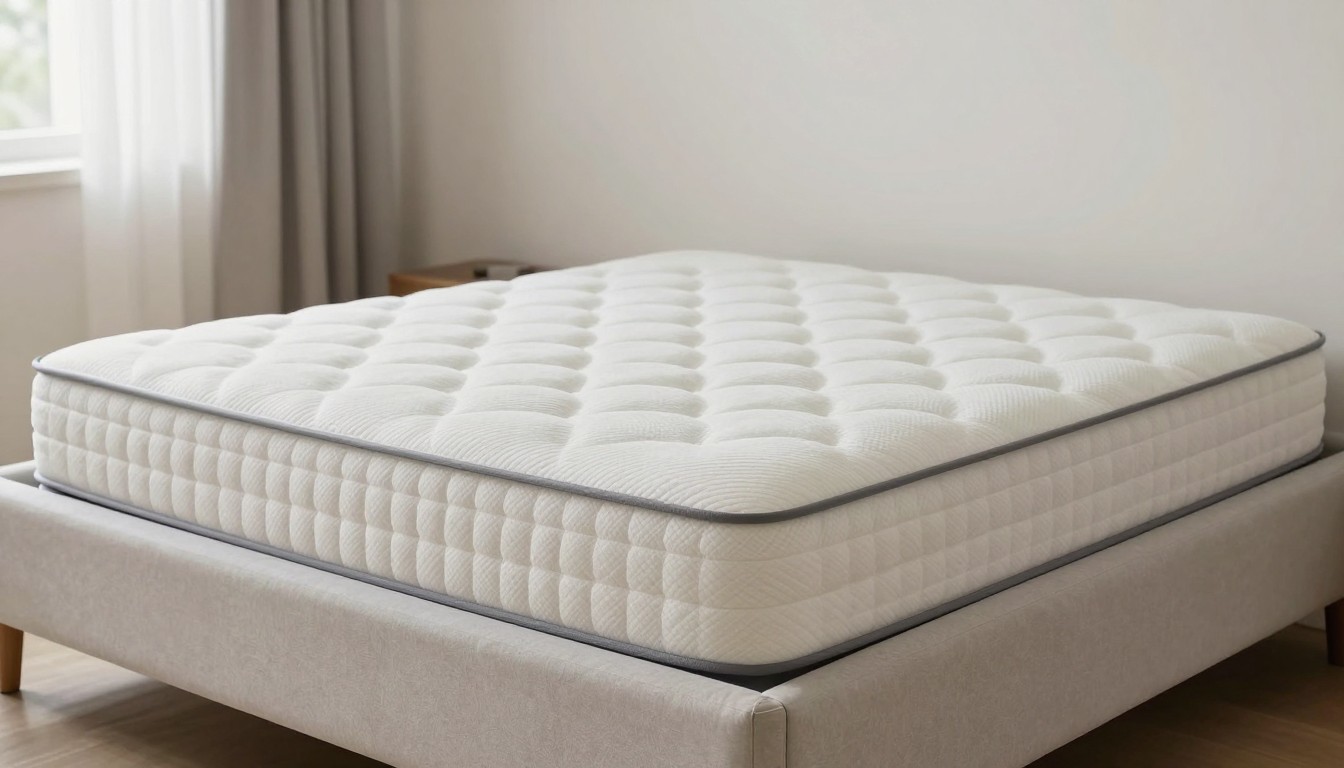
The measurement begins at the mattress’s bottom surface and ends at the highest point of its built-in top panel. Viewed from the side, it’s the vertical distance occupied by the mattress alone.
Everything permanently built into the mattress contributes to that profile. That includes the cover, quilted panel, comfort layers, transition materials, and support core. A sewn-in pillow top or Euro-style top counts because it’s part of the finished mattress.
A removable topper is different. It may make the sleeping setup taller, but it doesn’t change the mattress manufacturer’s profile specification. The same separation applies to protectors, pads, foundations, frames, and other components added after purchase.
The Nut’s take: Profile tells me how much vertical space a mattress occupies. It doesn’t reveal what fills that space, so I never use thickness alone as a shortcut for quality.
Profile categories are broad labels. As our guide to standard-profile and low-profile mattresses explains, a standard profile describes the mainstream thickness commonly seen in retail settings, while a low profile describes a slimmer build. The actual measurement is more useful than the category name when fit matters.
Profile also isn’t a sleeper profile, firmness rating, or description of surface contouring. If a product page places the term beside a measurement of mattress height, it’s referring to thickness.
How to measure a mattress profile correctly
A tape measure and a straight, rigid edge are enough. The goal is to capture the full vertical height without compressing the cover or accidentally including the support underneath.
- Remove the bedding. Strip off sheets, protectors, pads, and any removable topper so only the mattress remains.
- Keep the mattress on a level support. You need a stable reference point, but the support itself must not become part of the measurement.
- Find the bottom surface. Start where the mattress ends, not at the floor, frame rail, foundation, or decorative border surrounding it.
- Bridge the highest part of the top. Lay a rigid edge across the upper surface so it extends beyond the side. This creates a clear horizontal reference over soft quilting.
- Measure vertically. Run the tape straight from the bottom of the mattress to the underside of that horizontal edge. Don’t angle the tape or press the top down.
- Check another area if needed. Quilting, tufting, and rounded edges can make one spot misleading. A second careful reading helps you identify the representative full profile.
A side seam can be a convenient guide, but it isn’t always the full height. Decorative borders may sit below the crown of a quilted top, so measuring only the fabric side panel can understate the profile.
Measurement tip
Let the straight edge rest lightly on the highest built-in surface. If you push into soft quilting, you’re measuring a compressed mattress rather than its full profile.
If you’re checking whether the mattress will fit a frame, measure the frame separately. Record how deeply the mattress sits inside the rails, then consider how much of the mattress will remain visible above them. That relationship often matters more than profile by itself.
Profile, foundation height, and bed height are different
A tall-looking bed can get much of its height from underneath the mattress. Measuring from the floor to the sleeping surface gives you total bed height, not mattress profile.
| Measurement | What it includes | What it helps you check |
|---|---|---|
| Mattress profile | The mattress from its bottom surface through its built-in top | Sheet fit, frame fit, and the mattress’s contribution to bed height |
| Foundation profile | The separate support positioned beneath the mattress | How much extra height the support adds |
| Sleep-surface height | The full distance from the floor to the top of the made or bare bed | Ease of sitting down, standing up, and reaching the sleeping surface |
| Sheet pocket depth | The fitted sheet’s available depth around the mattress and added bedding | Whether the corners can stay seated without overstretching |
The support beneath a mattress is its own component. Our guide to what goes under a mattress covers that part of the setup, but its height shouldn’t be folded into the mattress profile.
This distinction also matters with split designs. Each mattress section has its own profile, while the completed bed has a combined sleep-surface height determined by the mattress, support, and frame. If you’re decoding split-bed terminology, see our explanation of a standard-profile split mattress.
For fitted sheets, removable additions still matter even though they aren’t part of the official mattress profile. A protector or topper increases the depth the sheet must wrap around. Measure the assembled bedding stack if sheet fit is your actual concern.
What mattress construction adds to the profile
Two mattresses can occupy a similar amount of vertical space while using completely different internal structures. One may devote more space to a plush upper assembly, while another may allocate more of its build to the support core.
A typical layer description may identify a cover, cushioning materials, transitional layers, and a support system. The combined thickness of those built-in parts creates the finished profile. The profile itself doesn’t show the depth or quality of any individual layer.
Profile can tell you
- How much vertical space the mattress uses
- How high it may sit above frame rails
- What fitted-sheet depth you need to investigate
- How much it contributes to the complete bed height
Profile can’t tell you
- The density or grade of the foam
- The gauge, layout, or response of a coil system
- The firmness or pressure-relief character
- Cooling, motion control, edge stability, or expected durability
This is where construction matters more than adjectives such as “luxury” or “deep.” Extra height has no automatic value if the materials and layer arrangement don’t suit the sleeper. A slimmer mattress also isn’t automatically basic or uncomfortable.
I’d want a layer breakdown before drawing conclusions from profile. With foam, density and placement help explain how the build may hold up. With coils, the spring design and surrounding materials matter. None of those details can be recovered from the overall side measurement alone.
Profile can influence the amount of room available for comfort and support materials, but available room isn’t proof of effective design. Think of it as the size of the construction envelope, not a report card on what’s inside.
How to choose a practical mattress profile
Your frame, bedding, and preferred sitting position set the practical boundaries. Comfort still depends on the internal build, so profile should narrow the field rather than make the entire decision.
Start with the complete bed. Measure the frame and separate support, then decide where you want the sleeping surface to land. A mattress that looks modest in isolation can create a very tall setup when paired with a substantial foundation and raised frame.
Next, inspect how the mattress sits inside the frame. Deep side rails can hide part of a low-profile mattress, while a taller model may rise prominently above a footboard or headboard. There’s no universally correct appearance, but the relationship should be intentional.
Profile-fit checklist
- Measure the mattress separately from everything beneath it.
- Calculate the complete floor-to-surface height.
- Check how much mattress will sit above the frame rails.
- Account for a protector, pad, or topper when choosing sheets.
- Read the construction details instead of treating height as a quality score.
- Confirm the manufacturer’s stated profile if clearance is tight.
Mobility is another reason to calculate total bed height. The useful question isn’t whether the mattress is called low or standard profile. It’s whether the finished sleep surface lets the sleeper sit down and stand up comfortably without the bed feeling awkwardly low or high.
Body weight and sleep style belong in the comfort decision, but profile doesn’t translate them into a guaranteed answer. Our guide to standard mattress thickness explains how sleeper needs, frame design, and mobility affect the choice. Construction and feel still need separate evaluation.
Finally, check the fitted-sheet maker’s depth guidance against the setup you’ll actually use. The mattress profile is your starting point. Add removable bedding for this calculation, because the sheet has to surround the whole stack even though the official mattress measurement excludes those additions.
The Nut’s bottom line
A mattress profile measurement is simply the mattress’s full vertical thickness. Measure from its bottom surface to the highest built-in point, and leave the frame, foundation, protector, and removable topper out of that figure.
Use profile as fit data, not a comfort verdict. It can help you plan bed height, frame clearance, and sheet depth. It can’t replace information about foams, coils, firmness, or durability.
If a listing gives both a category label and an actual profile measurement, focus on the measurement. Category language is useful for quick sorting, but the physical dimensions of your bedding and frame decide whether the mattress fits.
ONE OPTION WORTH COMPARING
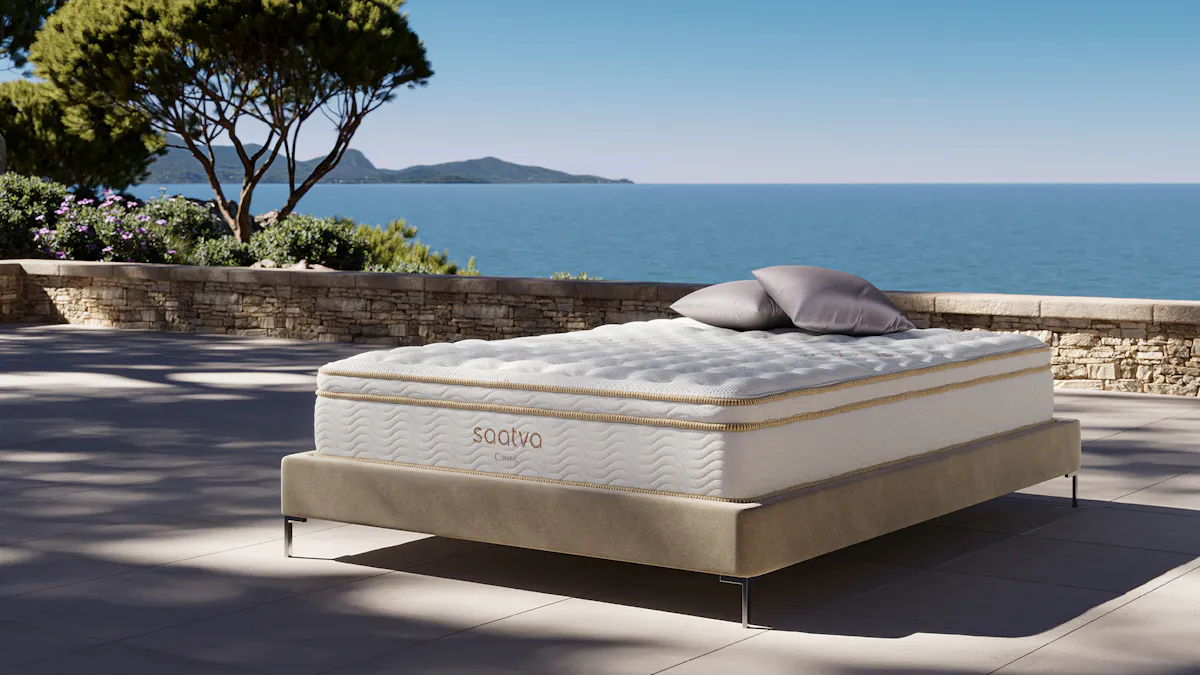
Shopping as well as reading? Here is one current option worth comparing: the Saatva Classic. Check today’s price, sizing and return terms on the official product page before you order.
Saatva Classic
- 365-night home trial and lifetime warranty, per saatva.com
- Handcrafted in the USA, free white-glove delivery
- Flexible financing available
FAQ
Is mattress profile the same as mattress thickness?
Yes, those terms usually describe the same vertical measurement in a mattress listing. “Profile” is the industry-style label, while “thickness” is the plainer description.
Does a built-in pillow top count toward the profile?
Yes. A pillow top, quilted crown, or other upper section counts if it’s permanently built into the mattress. The measurement should reach the highest point of that finished top without pressing it down.
Does a removable mattress topper count?
No, a removable topper doesn’t change the mattress’s own profile. It does increase the height of the sleeping setup and the depth your fitted sheet must cover, so measure the combined stack for those purposes.
Does mattress profile include the foundation or box spring?
No. The mattress and its support have separate profiles, even when they’re sold or displayed together. Add their measurements only when calculating total bed or sleep-surface height.
Is a higher-profile mattress automatically better?
No. Profile doesn’t identify foam density, coil construction, firmness, cooling, edge design, or durability. I’d judge those features from the material and layer specifications, then use profile to confirm that the finished mattress fits the bed and sleeper.