
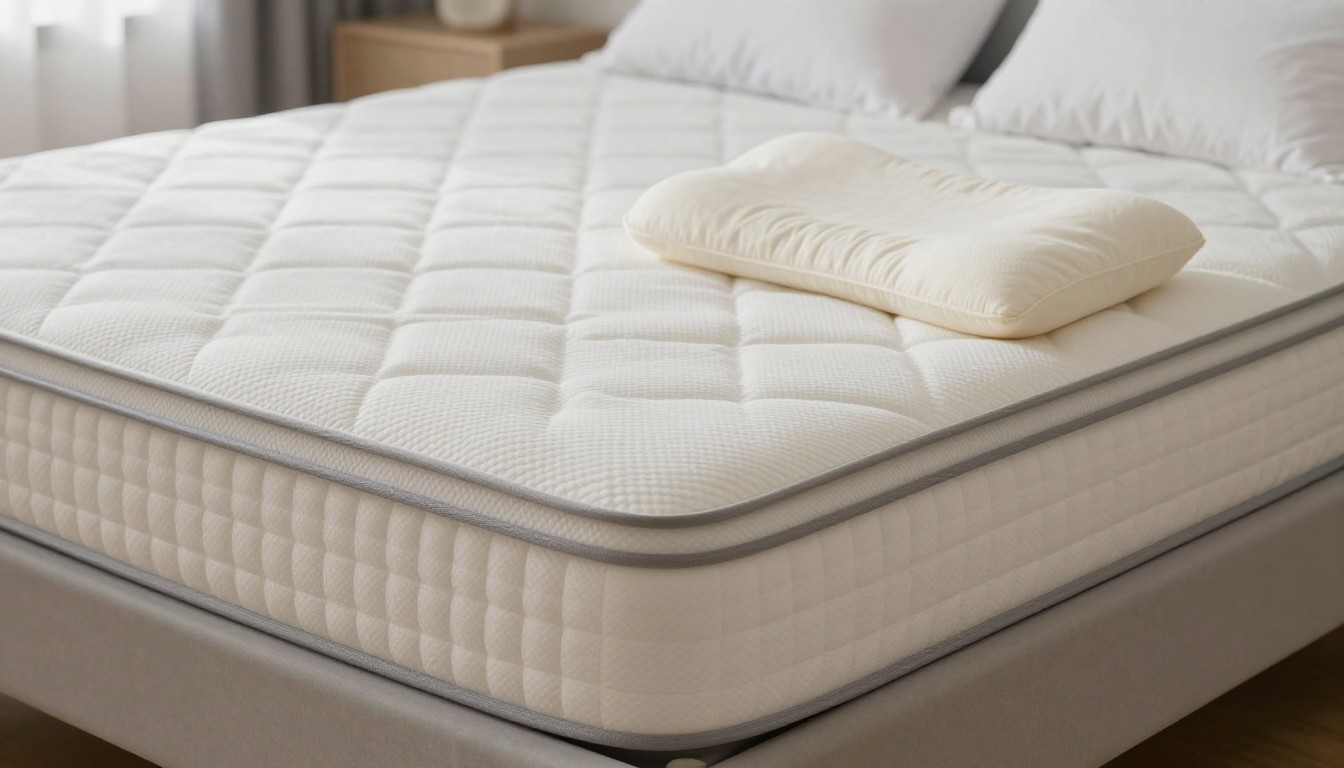
 by
by Quick answer: Don’t give a baby a pillow. The cautious answer is to wait until your child is over two, then assess readiness; many children may not be ready until ages three to five.
- Momcozy says babies under 12 months should never sleep on pillows.
- The guide titled Is It Safe to Let a Baby Sleep With a Pillow? advises parents to wait until their child is over two.
- Woolshire places most children’s readiness between ages three and five.
Updated July 2026 · Reviewed for accuracy
If you’re asking about a baby, my answer is no. The named safety guides don’t land on one exact birthday for later introduction, so I take the cautious route: wait beyond age two and don’t assume a pillow becomes necessary then.
A pillow isn’t a milestone that has to arrive on schedule. The sensible timing depends first on age, then on whether an older toddler shows an actual need.
The safest timeline starts after babyhood
Twelve months is the first clear boundary in the cited guidance. Momcozy’s Newborn Sleeping on Pillow guide says babies under 12 months should never sleep on pillows because of the suffocation hazard. That gives parents a firm “not yet,” but it doesn’t make the first birthday an automatic green light.
A separate guide, Is It Safe to Let a Baby Sleep With a Pillow?, takes a more cautious position and says parents should wait until their child is over two. Woolshire looks later still, saying most children are ready for a pillow between ages three and five.
I wouldn’t average those ages or choose the earliest one for convenience. For a safety decision, the more useful reading is that under 12 months is clearly too early, age two is a minimum threshold rather than a deadline, and many children can wait longer.
The word “most” matters in Woolshire’s guidance. It describes a broad readiness window, not an instruction to put a pillow under every child’s head at age three. Some children may show a reason to use one; others may not.
That’s why my short answer to “when can baby sleep with pillow?” stays simple: not while the child is still a baby. Once the child is over two, the question changes from “Is my baby old enough?” to “Does my older toddler appear ready?”
Why a pillow is a concern for babies
Momcozy specifically identifies suffocation as the reason babies under 12 months shouldn’t sleep on pillows. The guide titled Is It Safe to Let a Baby Sleep With a Pillow? also says pillow use can increase the risk of sudden death during infancy.
I wouldn’t soften those statements by treating a pillow as harmless décor. If it’s placed where a baby rests, it has become part of the sleep setting covered by that safety advice. The second guide frames its warning around putting a baby down for a rest, so this isn’t merely a question about nighttime sleep.
Adult habits can make a pillow seem essential. They don’t establish what is suitable for a baby. A product name, soft feel or comforting appearance also doesn’t override an age-based warning.
The Nut’s rule: If the child is young enough that you’re still asking whether a baby can use a pillow, leave the pillow out. Revisit the question after age two rather than searching for an exception.
The available guidance doesn’t create separate rules for a pillow marketed toward newborns, babies or young toddlers. I wouldn’t treat marketing language as safety evidence. The intended age and the child’s stage matter more than the word printed on a listing.
Nor would I use the first birthday as proof that the concern has disappeared. Momcozy’s under-12-month warning ends at that boundary, but the separate recommendation to wait until over two fills the gap with a more conservative answer.
Readiness is more than reaching a birthday
Woolshire places most pillow readiness between ages three and five. That later window is useful because it separates permission to consider a pillow from an assumption that every child needs one immediately after turning two.
Woolshire also describes a child looking cramped on a toddler pillow, with the head hanging off the edge or repeated repositioning, as a sign that the pillow may no longer fit. That observation is about an older child who already has a toddler pillow. It shouldn’t be misread as proof that a pillow-free baby needs a first pillow.
I’d assess the decision in this order:
- Start with age. Momcozy rules out pillows under 12 months, while the separate safety guide advises waiting until the child is over two.
- Don’t confuse eligibility with necessity. Passing the cautious age threshold means you can assess the question. It doesn’t mean a pillow is required.
- Separate first use from replacement. Woolshire’s cramped-fit signs help with an existing toddler pillow, not with deciding whether a baby should have one.
- Use the child’s situation, not an adult expectation. An adult’s preference for sleeping with a pillow doesn’t establish readiness in a young child.
A child asking for a pillow may prompt the discussion, but a request doesn’t erase the age guidance. Before age two, I’d still wait. After age two, I’d consider the request alongside the later three-to-five readiness window described by Woolshire.
I also wouldn’t force the issue because a sibling or another child uses a pillow. The sources describe age ranges, not a universal date. A cautious decision can be individual without turning into guesswork.
Comparing options? The Saatva Pillow is one category-matched product to investigate, not a documented winner — see the product note ↓
How to introduce a pillow without rushing
Over age two is the earliest point at which the cited safety guide supports considering a pillow. Even then, the Woolshire range suggests many families won’t need to make the change until sometime between ages three and five.
The first step is to decide which question you’re answering. “Can my child begin using a pillow?” is different from “Has my child outgrown an existing toddler pillow?” Woolshire’s signs, including a head hanging off the edge and repeated repositioning, answer the second question more directly than the first.
For first use, I’d keep the process restrained:
- Wait until the child is over two, following the more cautious safety recommendation.
- Remember that Woolshire places typical readiness later, between ages three and five.
- Don’t introduce a pillow solely because the child reached a particular birthday.
- If the child already uses a toddler pillow, watch for the fit signs Woolshire identifies rather than guessing from age alone.
- If a professional has advised a pillow for an individual concern, ask that professional to explain the timing and intended use for your child.
This is also where adult pillow guidance needs to stay in its lane. Our article on the best way to sleep with a pillow addresses pillow use for mature sleepers. It isn’t a reason to bring an adult sleep habit into a baby’s sleep setting.
Fit only becomes relevant after the age question is settled. Woolshire’s head-over-the-edge and repeated-repositioning examples suggest looking at how an existing toddler pillow accommodates an older child. They don’t support choosing a larger pillow for a baby.
If the older child appears comfortable without a pillow, none of the named guides says that you must add one immediately. The three-to-five range describes common readiness, not a requirement. Waiting remains consistent with a cautious reading.
Pillow labels don’t replace age guidance
Momcozy’s warning for babies under 12 months is categorical: they should never sleep on pillows. A label that uses words such as “baby,” “newborn” or “toddler” doesn’t appear as an exception in that guidance.
This distinction matters because a product description answers what an item is called, not whether your child has reached the appropriate stage. I’d resolve the age question before considering materials, shape or feel.
Once a child is past the cautious waiting period and genuinely ready, pillow selection becomes a separate topic. Our overview of which pillows you should sleep with explains broader pillow categories, but its adult-oriented considerations shouldn’t be applied backward to a baby.
I’d be especially wary of solving the wrong problem. If the question is whether a baby can sleep with a pillow, changing the pillow’s name or appearance doesn’t change the answer. If the question concerns an older toddler who already uses one, Woolshire’s observable fit signs are more relevant.
My bottom line on babies and pillows
The named sources give three useful age markers: under 12 months, over two, and ages three to five. Momcozy says no pillow under 12 months. Is It Safe to Let a Baby Sleep With a Pillow? advises waiting until the child is over two, while Woolshire says most children are ready between three and five.
My verdict is deliberately cautious. Don’t give a baby a pillow, don’t treat the first birthday as permission, and don’t make age two a compulsory introduction date. Wait until the child is over two, then look at individual readiness, knowing that a later start falls within Woolshire’s guidance.
Simple decision: Under two, wait. Over two, consider rather than assume. Between three and five, assess whether the older child is actually ready or whether an existing toddler pillow has become cramped.
ONE OPTION WORTH COMPARING
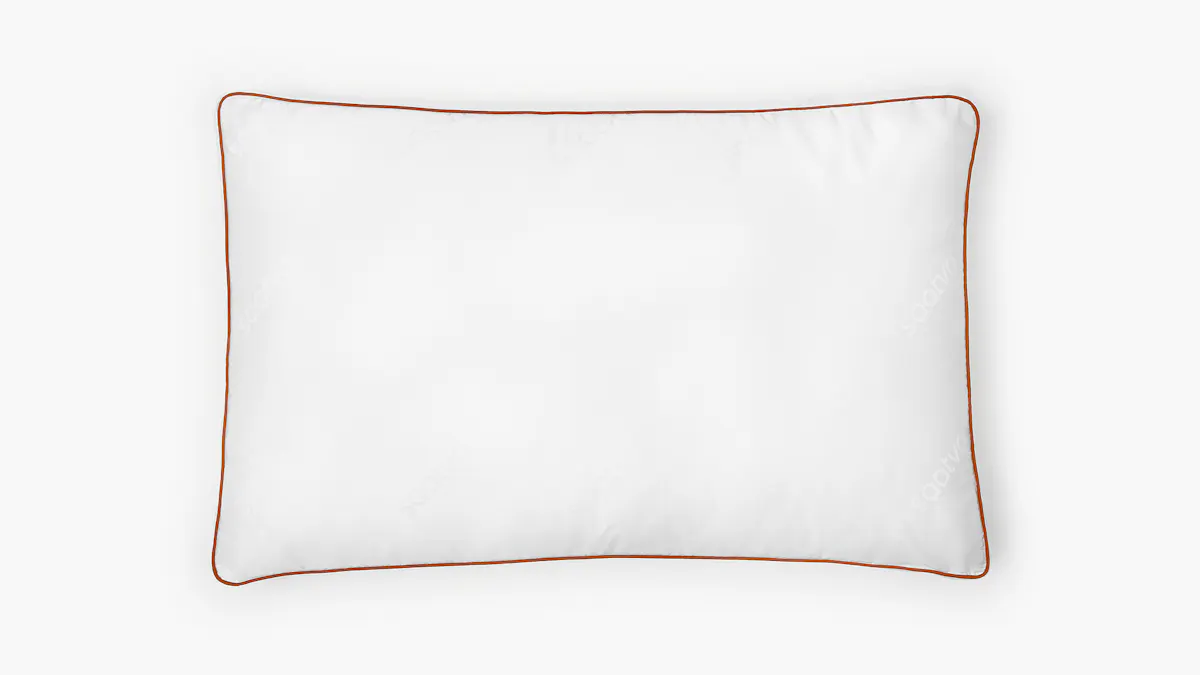
Shopping as well as reading? Here is one current option worth comparing: the Saatva Pillow. Check today’s price, sizing and return terms on the official product page before you order.
Saatva Pillow
- Shredded natural latex core, per saatva.com
- 45-day free returns
- Machine-washable organic cotton cover
FAQ
When can a baby sleep with a pillow?
A baby shouldn’t sleep with a pillow. Momcozy says babies under 12 months should never use one, and the guide titled Is It Safe to Let a Baby Sleep With a Pillow? recommends waiting until the child is over two.
Can a one-year-old sleep with a pillow?
I’d wait. Although Momcozy’s categorical warning applies to babies under 12 months, the separate safety guide advises introducing a pillow only after the child is over two.
Can a two-year-old have a pillow?
The cited safety guide says “over two,” so reaching the second birthday isn’t an automatic instruction to add one. Woolshire says most children are ready between ages three and five, which supports assessing the child rather than rushing.
Does a newborn need a pillow for sleep?
No. Momcozy’s newborn pillow guide says babies under 12 months should never sleep on pillows because of the suffocation hazard.
How can I tell if an older child’s toddler pillow is too small?
Woolshire points to a head hanging off the edge and repeated repositioning as signs that a child looks cramped on a toddler pillow. Those signs apply to assessing an existing pillow for an older child, not to giving a first pillow to a baby.