
 by
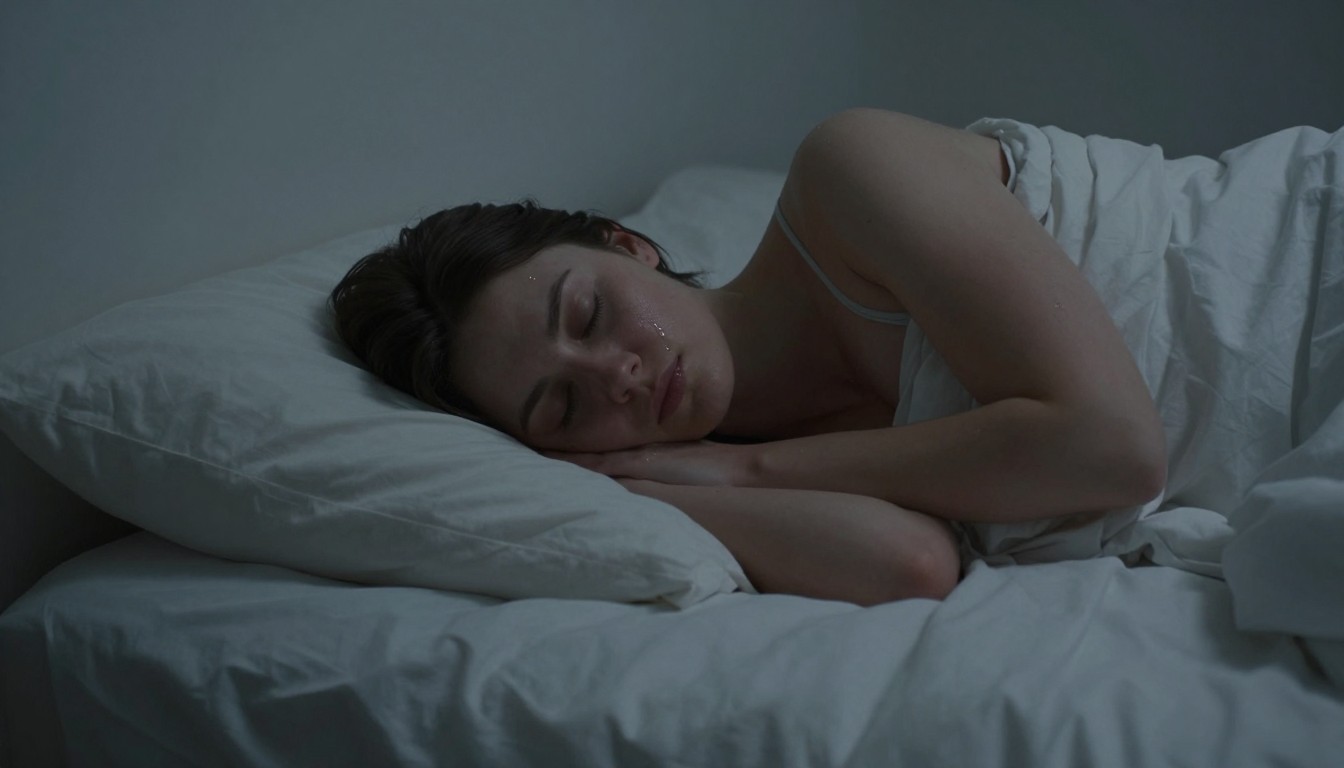
by Quick answer: “Dribbling” in your sleep usually means drooling. Saliva reaches an open lip and escapes onto your pillow. Check your sleep position, mouth opening, and whether the change is new.
- Sleep Foundation calls the saliva issue “drooling in your sleep.”
- A wet pillow confirms where saliva went, not why your lips parted.
- If “dribbling” means urine leakage, you need different guidance.
Updated July 2026 · Reviewed for accuracy
If you searched “why do you dribble in your sleep,” you’re almost certainly describing saliva leaking from your mouth while you’re asleep. My advice is simple: don’t turn one damp pillow into a diagnosis.
Start with the pattern. Where the moisture appears, how often it happens, and what else changed can tell you whether this looks like a positioning problem or deserves professional advice.
What “dribbling” during sleep actually means
A wet patch beside your mouth means saliva crossed your lip line while you slept. That’s the only firm conclusion you can draw from the pillow itself. It doesn’t tell you why your mouth opened or whether anything is medically wrong.
Your head position changes the path saliva can take. If your face is turned toward the pillow and your lips part, gravity can carry moisture toward the lower corner of your mouth. Pillow contact may also press against a cheek or lip and create a small opening.
Sleep Foundation describes the issue as “drooling in your sleep” and frames it around possible causes and remedies. That wording matters because “dribbling” can mean something entirely different. If you’re talking about urine leakage rather than saliva, don’t apply the mouth and pillow advice in this guide.
The useful distinction: An open mouth is the route saliva took. It isn’t necessarily the underlying reason your lips parted.
An occasional damp spot may have an obvious context, such as sleeping with your face pressed into the pillow. A new or persistent pattern needs a closer look, especially if it appears alongside breathing, swallowing, facial, or daytime symptoms.
Start with the pattern, not a diagnosis
The location of the damp patch is often more useful than its size. Moisture at one pillow corner points toward the side your face was turned. Saliva on your chin or the front of your sleepwear suggests a more forward path.
Next, notice how your mouth and nose feel when you wake. A dry mouth, uncomfortable throat, stuffy nose, or sore skin around the lips gives you context. None of those observations proves a cause, but they make a healthcare conversation more specific.
What to note before bed
- Whether your nose feels clear and comfortable.
- Your starting sleep position and the direction your face is turned.
- Any recent change in medication, illness, pillow, or sleep routine.
- Whether jaw discomfort or a dental appliance affects how your lips meet.
What to check after waking
- Where the moisture appears.
- Whether your lips, mouth, or throat feel unusually dry.
- Whether anyone noticed snoring, gasping, or pauses in breathing.
- Whether you feel alert or unusually sleepy during the day.
Timing matters as much as location. If the drooling began after a change in medication, mention that timing to the prescriber or pharmacist. Don’t stop a prescribed medicine on your own, and don’t assume timing alone proves that the medicine is responsible.
Also check whether the pillow is turning your head into an awkward position. A pillow that pushes your chin sharply toward your chest or tips your face sideways may make a comfortable lip seal harder to maintain. The goal is a relaxed, supported position, not a rigidly forced posture.
What different drooling patterns can tell you
Drool at one corner of the pillow and drool accompanied by breathing symptoms shouldn’t be treated as the same pattern. The table below separates useful observations from conclusions that the evidence can’t support.
| What you notice | What it may tell you | What to do next |
|---|---|---|
| Moisture at one pillow corner | Your head position probably shaped the route the saliva took. | Check pillow alignment and whether that side of your mouth was pressed open. |
| Drool with a dry mouth or throat | Your mouth may have remained open for part of the night. | Notice nasal comfort and discuss persistent symptoms with a clinician. |
| Drooling only during temporary stuffiness | The matching timing is a clue, not proof of cause. | Ask a clinician or pharmacist about an appropriate way to address the stuffiness. |
| A pattern beginning after a medication change | The timing is worth reporting to the person who prescribed it. | Ask before changing or stopping the medication. |
| Drooling with loud snoring, gasping, witnessed pauses, or marked daytime sleepiness | Drooling alone can’t explain the wider breathing pattern. | Describe the full pattern to a healthcare professional. |
| Sudden drooling with swallowing trouble, facial weakness, or confusion | This is no longer just a pillow-care issue. | Seek urgent medical assessment. |
No row in that table is a diagnosis. It’s a way to collect useful context and avoid guessing from a stain on the pillowcase. The same visible result can come from very different circumstances.
Don’t ignore the accompanying symptoms. The saliva itself may be less informative than a sudden change, trouble swallowing, facial symptoms, disrupted breathing, or unusual daytime sleepiness.
How I’d try to reduce sleep drooling
If the wet patch appears in roughly the same place, begin with the physical setup. Change a single part of that setup at a time so you can tell what actually helps. Making several changes together only hides the useful clue.
Check your pillow alignment
Your pillow should support your head without forcing your chin down or twisting your face. Try a comfortable position in which your jaw feels relaxed and your lips can meet naturally. Don’t force yourself onto your back if that position is uncomfortable or conflicts with professional advice you already follow.
Pay attention to nasal comfort
If your nose feels blocked, don’t treat the drooling as a standalone pillow problem. Ask a clinician or pharmacist which approach is appropriate for the reason behind the blockage. Avoid borrowing someone else’s medication or using a remedy simply because it promises to stop mouth breathing.
I wouldn’t jump to mouth tape. Taping the lips restricts an available breathing route without explaining why the mouth was open. Get individual advice first, particularly if you have nasal discomfort, snoring, gasping, nausea, or other breathing concerns.
Look for a recent change
Compare the start of the drooling with changes in medication, health, dental work, bedding, or routine. A matching date doesn’t prove causation, but it gives the appropriate professional something concrete to evaluate. Keep the note factual: what changed, when the drooling appeared, and what else you noticed.
Protect the pillow and your skin
A washable pillow protector won’t solve the cause, but it keeps saliva from soaking directly into the pillow. Follow the care label, change damp pillowcases, and let washed bedding dry fully. If the skin around your mouth becomes sore or repeatedly irritated, ask a clinician or pharmacist about suitable care rather than applying a strongly scented product.
A practical bedtime setup
- Use a clean, washable pillowcase and protector.
- Set the pillow so your neck and jaw feel relaxed.
- Note whether your nose feels comfortable before lying down.
- Check the moisture location when you wake.
- Record associated symptoms instead of guessing at a diagnosis.
Give simple positioning changes enough consistency to reveal a pattern, but don’t use them to postpone care for symptoms that concern you. A cleaner pillow is useful. It isn’t evidence that the underlying issue has gone away.
When to ask a clinician or dentist
Drooling that starts abruptly deserves more attention than a familiar, occasional damp spot. Seek urgent assessment if the change appears with facial weakness, confusion, choking, or difficulty speaking or swallowing. Those symptoms shouldn’t be managed by changing a pillow.
Arrange a routine healthcare conversation if drooling keeps happening, is getting worse, repeatedly disturbs sleep, irritates your skin, or appears with snoring, gasping, witnessed breathing pauses, or pronounced daytime sleepiness. Describe the whole pattern rather than leading with a self-diagnosis.
Who may be useful
- A doctor or other qualified clinician: for new symptoms, breathing concerns, swallowing trouble, nasal discomfort, or a broader health change.
- A pharmacist or prescriber: when the timing overlaps with a medication change.
- A dentist: when jaw discomfort, oral irritation, dental work, or a nighttime dental appliance affects how your mouth rests.
Don’t write the change off solely because your sleep is shifting with age. For wider context on routines and changing sleep patterns, see our guides to sleep in your fifties and sleep in your sixties. Those guides complement, rather than replace, individual medical advice.
FAQ
A damp pillow can raise several different questions. The details around the drooling matter more than the stain alone.
Is dribbling in your sleep the same as drooling?
If you mean saliva leaking from your mouth, yes. “Drooling in your sleep” is the clearer term. If you mean urine leakage, that’s a separate concern and needs different guidance.
Why do I drool only on one side?
A side-facing head creates a lower route toward one corner of the mouth, and contact with the pillow may affect how your lips meet. That explains the direction of the saliva, but it doesn’t prove why your mouth opened.
Does sleep drooling mean I have sleep apnea?
Drooling alone doesn’t establish sleep apnea or any other disorder. If it appears with loud snoring, gasping, witnessed breathing pauses, or substantial daytime sleepiness, describe those symptoms to a healthcare professional.
Keep the distinction clear: Drool is something you observed. A diagnosis requires more information than a wet pillow can provide.
Can mouth tape stop nighttime drooling?
Covering the lips may hide the route saliva was taking without addressing why the mouth opened. I wouldn’t use mouth tape as a shortcut, especially with nasal or breathing concerns. Ask a qualified clinician for advice suited to your circumstances.
When should sleep drooling worry me?
Frequency alone doesn’t answer that question. Get advice when the pattern is new, worsening, persistent, or accompanied by breathing, swallowing, facial, or significant daytime symptoms. Sudden drooling with facial weakness, confusion, or trouble speaking or swallowing needs urgent assessment.
Bottom line: Start with the mechanics: lip opening, head position, pillow alignment, and timing. Make simple observations, protect the pillow, and get professional advice when the drooling is persistent, sudden, or part of a wider symptom pattern.