
 by
by Quick answer: “Slob” usually means drool, or saliva escaping your mouth involuntarily during sleep. The New York Times says this is generally normal, but an unresolved sleep problem deserves a doctor’s attention.
- NapHelp describes sleep slobbering as saliva flowing out of the mouth involuntarily.
- According to NapHelp, it can leave a small damp spot or noticeably wet bedding.
- SleepEducation says a doctor can refer an unresolved sleep problem to an AASM-accredited sleep center.
Updated July 2026 · Reviewed for accuracy
If you say you “slob” when you sleep, you probably mean that you slobber or drool. The immediate explanation is simple: saliva is getting past your lips and reaching your pillow before you wake.
What the damp patch can’t tell you is why that happened on a particular night. The pattern, timing and effect on your sleep matter more than the size of one mark.
What “slob” means during sleep
A damp area beside your mouth fits the ordinary meaning of sleep drooling. NapHelp defines it as saliva flowing out of the mouth involuntarily, with the amount ranging from a small damp spot to enough moisture to wet the pillow or bedding noticeably.
That distinction matters because “slob” isn’t a precise health term. Before trying to explain it, confirm that the moisture is appearing near your mouth and seems to be saliva. A wet area somewhere else on the bedding doesn’t provide the same clue.
The appearance can also be misleading. Absorbent pillow fabric may spread moisture beyond the place where it first landed. I wouldn’t judge the seriousness of the situation from the apparent diameter of a stain alone.
The New York Times’ expert discussion describes sleep drooling as generally normal. In plain English, finding saliva on your pillow doesn’t automatically mean that something is wrong. The more useful question is whether it is occasional and minor or part of a sleep problem that keeps recurring.
A practical definition: You are slobbering in your sleep if saliva is escaping from your mouth involuntarily and reaching your face, pillow or bedding. For a fuller explanation using the more familiar wording, see why you drool when you sleep.
Why saliva reaches your pillow
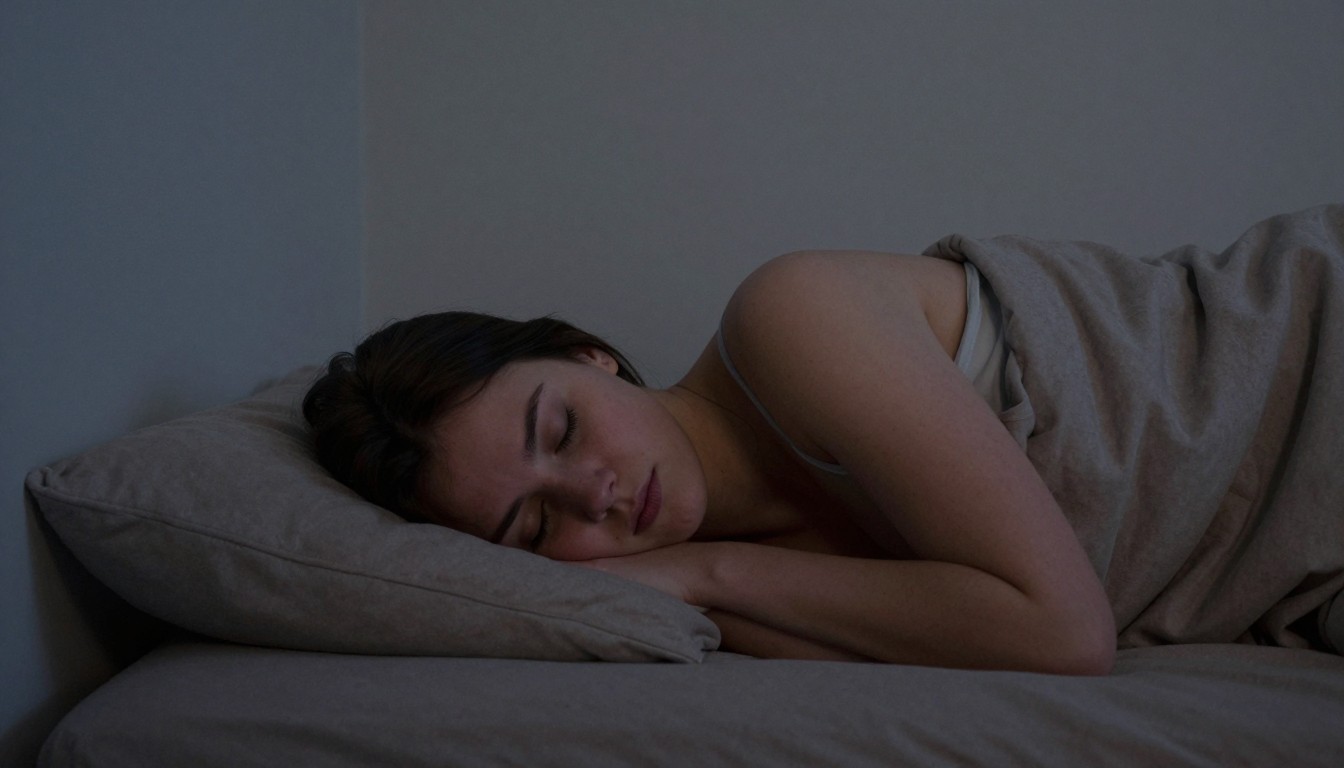
For saliva to mark the pillow, it has to move beyond your lips while your face is close enough to the bedding for the liquid to transfer. That explains the physical event. It doesn’t identify an underlying medical reason.
Your head position affects the route liquid can take. The position of your face against the pillow also affects where the moisture lands and how readily the fabric absorbs it. These are useful mechanical clues, but they don’t prove that your sleeping position is the root cause.
An open or incompletely closed mouth is another observation worth recording. If you wake and notice that your mouth is open, that helps describe what occurred. It still doesn’t explain by itself why your mouth rested that way.
| What you notice | What it reasonably tells you | What it doesn’t prove |
|---|---|---|
| Moisture beside the corner of your mouth | Saliva is a plausible source | Why it escaped on that night |
| A visibly wet pillowcase | The moisture reached absorbent bedding | That the cause is serious |
| The mark appears in one head position | Position may affect the liquid’s path | That position alone created the problem |
| The pattern keeps returning | It is worth tracking and discussing if it doesn’t improve | A specific diagnosis |
The wet patch therefore answers only the first part of the question: saliva left your mouth while you were asleep. Finding the deeper reason requires context that the pillow can’t supply.
Clues worth tracking before you change anything
The most useful clue is the pattern across multiple nights, not one isolated morning. A brief record can show whether the drooling is occasional, persistent or connected with a noticeable change in your routine or sleep.
Start with location. Note which side of the pillow is damp, where your head was resting when you woke and whether your mouth appeared open. Describe the amount in ordinary terms such as a small spot, a damp pillowcase or wet bedding instead of trying to produce a precise measurement.
Next, record timing and context. Note whether the pattern appeared recently, whether it happens repeatedly and whether you feel that your sleep has otherwise changed. If it overlaps with feeling unwell, record that without assuming the illness caused the drooling; our guide to getting sleep when you’re sick covers the broader comfort side of that situation.
Useful details to record:
- Whether the moisture is beside your mouth or elsewhere
- Whether the event seems isolated or keeps returning
- Your head position when you wake
- Whether your mouth is open at that moment
- Whether the pattern is new, worsening or affecting your sleep
- Any other sleep concern occurring at the same time
Change only one comfort variable at a time. If you alter your pillow placement, sleep position and bedding together, you won’t know which change coincided with any improvement. A simple comparison gives you cleaner information.
Don’t turn the record into a self-diagnosis. Its purpose is to separate a stray damp pillow from a repeatable sleep problem and to give a clinician a clearer description if you need one.
What you can do about a wet pillow
The first useful step is protecting the bedding while you work out whether the pattern continues. A washable pillowcase and a removable protective layer beneath it make cleanup easier without pretending to solve an unknown cause.
Follow the care instructions for the pillow and its cover. A surface that remains damp is uncomfortable, so let washable items dry properly before using them again. If moisture has reached the pillow itself, use the manufacturer’s cleaning guidance rather than assuming the entire pillow can go into a washing machine.
You can also run a basic position check. Settle into a comfortable head position, notice where your mouth sits relative to the pillow and compare that with where you wake. If a modest adjustment changes where the moisture lands, you have learned something about the pathway, even if you still haven’t identified the underlying reason.
What I’d do first:
- Confirm that the moisture appears to be coming from the mouth.
- Protect the pillow with an easy-to-wash layer.
- Record position, frequency and any recent change in sleep.
- Make one comfort adjustment, then compare the pattern.
- Speak with a doctor if the sleep problem persists or isn’t improving.
I wouldn’t replace a mattress solely because of saliva on a pillow. The wet patch doesn’t show that the mattress caused the event, and no mattress can diagnose or treat an unexplained sleep concern.
I’d also avoid choosing a gadget based only on a damp pillowcase. You first need a clear description of what is happening. If the pattern is persistent, professional evaluation is more useful than guessing at the cause and trying to force your mouth into a particular position.
When it deserves a conversation with your doctor
SleepEducation gives a straightforward escalation point: if you have a sleep problem that isn’t getting better, talk with your doctor. According to SleepEducation, a doctor can refer you to an AASM-accredited sleep center for evaluation when appropriate.
That advice is more useful than trying to build a list of frightening explanations from one wet pillow. Drooling alone doesn’t tell you which, if any, underlying issue is present. A clinician can consider the pattern alongside the rest of your sleep and health context.
Raise it sooner if the change concerns you, keeps recurring or is part of a broader sleep problem. Explain what you see rather than leading with a diagnosis: where the moisture appears, how often you notice it, whether the pattern is changing and how it affects your rest or bedding.
Keep the threshold simple: An isolated damp spot is different from a sleep problem that persists and doesn’t improve. SleepEducation specifically recommends speaking to a doctor about the latter.
This approach also prevents false reassurance. “Generally normal” doesn’t mean every persistent change should be ignored. It means the presence of drool by itself isn’t enough to reach a medical conclusion.
The bottom line
You slob in your sleep because saliva is escaping your mouth involuntarily and reaching the pillow. NapHelp’s description supports that direct answer, while The New York Times’ expert discussion indicates that sleep drooling is generally normal.
The pillow can show that the event happened, but it can’t tell you the underlying reason. Track the pattern, protect the bedding and make small, controlled comfort adjustments. If it becomes an unresolved sleep problem, follow SleepEducation’s advice and discuss it with your doctor.
My take: Don’t panic over one damp pillow, and don’t invent a diagnosis from it. Pay attention to persistence and change. Those details determine whether simple bedding management is enough or a professional conversation makes sense.
FAQ
Is slobbering in your sleep the same as drooling?
Yes, that is usually what the phrase means. NapHelp describes sleep slobbering or drooling as saliva flowing out of the mouth involuntarily, sometimes leaving moisture on the pillow or bedding.
Is it normal to wake up with drool on your pillow?
The New York Times’ expert discussion says sleep drooling is generally normal. A recurring sleep problem that isn’t improving is different, and SleepEducation recommends discussing that situation with a doctor.
Why did I suddenly start slobbering in my sleep?
A wet pillow can’t identify the reason for a new pattern. Record when it began, how often it happens, your waking position and any other sleep changes, then raise the issue with a doctor if it persists or concerns you.
Does sleeping position affect where the drool goes?
Head and pillow position affect the physical route liquid can take and where it reaches the fabric. That observation may help you manage the bedding, but it doesn’t prove that position is the underlying cause of the drooling.
How can I stop my pillow from getting wet?
Use washable bedding protection, follow the pillow’s care instructions and compare the pattern after one small positioning adjustment. If drooling continues as part of a sleep problem that isn’t getting better, speak with your doctor rather than relying on bedding changes alone.