
 by
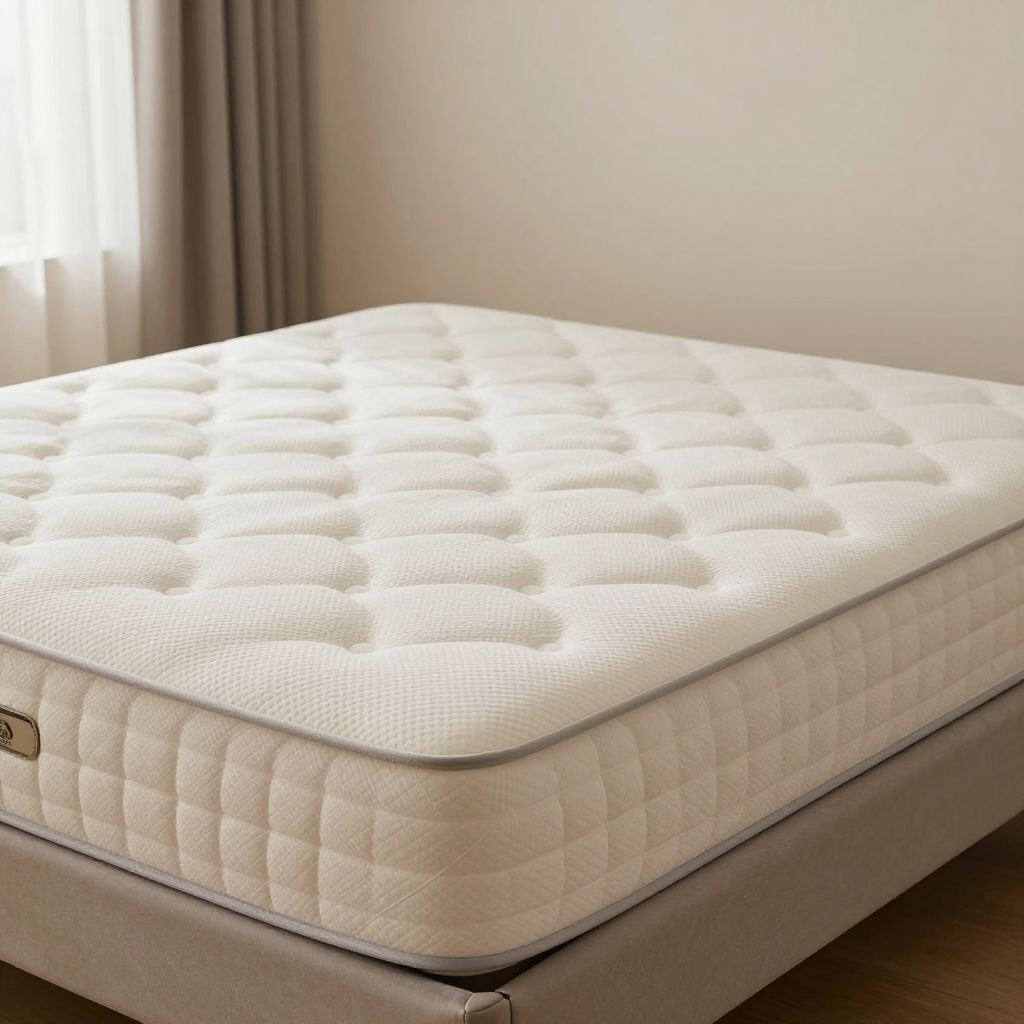
by Your mattress hurts your back because it is either too firm (creates a gap under the lumbar that strains ligaments), too soft (lets the hips sag into a hammock curve), or worn out past year seven (both problems at once). For most back sleepers and side sleepers, a medium-firm mattress with active lumbar zoning fixes it. Our top pick is the Amerisleep AS3, HIVE 5-zone support targets the lumbar directly, medium 5/10 firmness suits back and side sleepers under 230 lb, and the 100-night trial gives you enough time to confirm fit.
Amerisleep AS3
9.1/10
- HIVE 5-zone layer reinforces the lumbar zone specifically, the exact spot where most mattress-caused back pain originates
- Plant-based Bio-Pur foam relieves shoulder and hip pressure without the deep sinkage that strains the lower back
- Medium firmness handles back sleepers, side sleepers, and combo sleepers under 230 lb
- CertiPUR-US certified, fiberglass-free, made in the USA
- 20-year warranty is double the industry standard
- Softer perimeter edges than a coil hybrid, not ideal for sitting on the side of the bed
- Sleepers over 230 lb may get better lumbar support from the AS3 Hybrid or AS2 Hybrid
The AS3 addresses the two most common causes of mattress-related back pain, inadequate lumbar support and pressure buildup at the hips, with a single purchase. The HIVE zoning firms specifically under zone 3 (lumbar) while the Bio-Pur comfort layer cushions the hip and shoulder contact points. That combination, on a 100-night trial, makes it the lowest-risk replacement for a mattress that is hurting your back.
Saatva Classic
8.8/10
- Dual-coil build with a Lumbar Zone Technology reinforcement pad in the center third
- Three firmness options (Plush Soft, Luxury Firm, Firm) let you match the mattress to your body type and sleep position
- Outstanding edge support (10/10 in NapLab testing), useful if sagging edges contributed to your pain
- Free white-glove delivery with setup and old mattress removal
- 365-night trial, longest in the premium segment
- Moderate motion isolation, coil bounce transfers partner movement
- $99 return fee applies during the trial
- 14.5-inch version not compatible with adjustable bases
For anyone who finds all-foam too body-hugging or who wants a traditional bouncy innerspring feel, the Saatva Classic in Luxury Firm is the most reliably recommended coil hybrid for back pain. The reinforced lumbar pad prevents the central body impression that causes most sagging-related pain, and the three firmness options mean you are not locked into a single support level.
How to tell whether your mattress is too firm, too soft, or worn out
Back pain from a mattress is almost always one of three things, and the symptoms are distinct enough to tell apart before you spend money on anything. Start by lying in your normal sleep position and paying attention to where the discomfort starts and what the surface feels like under your lower back.
Too firm: pressure at shoulders and hips, gap under the lumbar
A mattress that is too firm does not let the shoulders and hips sink in far enough. Your spine ends up bridging a gap in the lumbar region because the widest parts of your body are held up while the curve of your lower back floats above the surface. You will feel it as pressure or aching at the hip and shoulder, the mattress pushes back against the bony contact points. If you sleep on your side and wake up with shoulder soreness and stiffness across the low back, firmness is the likely cause.
Lighter sleepers and side sleepers are most susceptible because they need more give at the shoulders to keep the spine level. A heavier sleeper on the same mattress might feel fine.
Too soft or sagging: hips dropping, "hammock" feeling
When the mattress is too soft or has developed a body impression, the hips sink lower than the shoulders. That tips the pelvis and rounds the lower back into a flexed position, the opposite of neutral alignment. You may feel like you are sleeping in a shallow hammock. The pain tends to center in the lower back rather than the hips, and it often takes a minute or two of standing before it eases in the morning.
Heavier sleepers and people who sleep on their back or stomach are most affected. A sagging mattress does the same thing regardless of body weight, a visible dip or body impression deeper than about an inch means that area has lost its support core.
Wrong for your sleep position
A mattress that works for a back sleeper can be wrong for a side sleeper at the same firmness level. Side sleepers need enough give at the shoulders and hips to keep the spine horizontal. Back sleepers need firmer support under the lumbar. Stomach sleepers generally need a firm, flat surface to prevent the lower back from arching. If your pain developed after changing sleep positions, or if a partner's preference drove the purchase, position fit is worth examining first.
Worn out: when age overrides firmness
Most mattresses lose meaningful support between the fifth and eighth year of use. By year seven or eight, the foam layers or coil system has compressed enough to create soft spots even if the mattress still looks fine. Visible body impressions deeper than about an inch are a reliable sign the support core is failing. An old mattress can produce both the pressure points of a too-firm bed and the sinking feeling of a too-soft one, depending on where you lie.
The hand-under-lumbar test
Lie down in your normal sleep position, relax completely for about two minutes, then try to slide one hand under the small of your back, roughly at belt level.
- Hand slides through easily, big gap: the mattress is not supporting the lumbar curve. Usually means too firm, your hips and shoulders are held up but the lower back is floating unsupported.
- Hand barely fits or cannot slide in at all: the surface is pressing up into the lumbar, or the hips have sunk far enough to close the gap. Usually means too soft.
- Hand slides in with light resistance: roughly neutral alignment. The mattress is filling the lumbar curve without pushing into it.
This test works best for back sleepers. Side sleepers should check whether their spine looks level from the foot of the bed, hips dropping toward the mattress mean too-soft; shoulders and hips both resting high with a gap at the waist mean too-firm.
Fix or replace? A practical decision tree
Try these first (cheap, reversible)
- Too firm: A 2 to 3 inch memory foam or latex topper adds a comfort layer without touching the support core. This works well if the mattress is under five years old and firmness is the only problem.
- Too soft but no visible sag: A firm plywood board between the mattress and foundation can reduce the hammock effect temporarily. A soft topper will not help here, it adds more softness, not firmness.
- Check the foundation first: A sagging box spring or broken platform slat transfers directly to the mattress surface. Replace or reinforce the base before assuming the mattress is at fault.
When replacement is the right call
If the mattress is past seven to eight years old, has visible body impressions, or has been modified with toppers multiple times without relief, a new mattress is the practical fix. Toppers cannot rescue a support core that has compressed, they add comfort but cannot restore the structural integrity that determines spinal alignment.
When choosing a replacement, match firmness to your sleep position and body weight rather than defaulting to medium. Side sleepers under 130 lb generally do better on a softer surface; back and stomach sleepers and anyone over 230 lb usually need firmer support.
When to see a doctor
A better mattress can reduce back pain caused by poor spinal support during sleep. It is not a treatment for structural problems. If your pain is sharp, spreads into a leg, includes numbness or tingling, appeared after an injury, or has not improved after a few weeks on a different surface, see a doctor or physical therapist. Those symptoms point to a cause the mattress cannot fix.
Most mattress-related back pain traces to one of three problems: too firm, too soft, or worn out. The Amerisleep AS3 addresses the first two with HIVE 5-zone lumbar support on a 100-night trial. If you prefer a coil innerspring feel, the Saatva Classic adds a reinforced lumbar pad and a 365-night trial to verify fit.
Frequently asked questions
How do I know if my mattress is causing my back pain or something else?
The clearest sign that the mattress is the cause is pain that is worst right after waking and fades within 20 to 30 minutes of moving around. Pain that is equally bad throughout the day, or that appeared after a physical event, is less likely to be mattress-related. A bad sleeping surface can also worsen pain from other causes, so it is worth addressing either way.
Can a mattress that used to feel fine start hurting my back?
Yes, for two reasons. The mattress itself degrades over time, foam compresses, coils lose tension, so what was neutral at year two may be too soft by year six. Body changes also matter: weight gain, a new injury, pregnancy, or a shift in sleep position can make the same surface suddenly wrong for your spine.
My mattress is only two years old. Can it still be causing my pain?
A mattress can be the wrong firmness from day one. Age is one diagnostic factor, but firmness mismatch for your body type and sleep position can cause back pain from the first night. Use the hand-under-lumbar test to check. If the mattress is still under a sleep trial, return it.
Does sleeping on the floor help back pain?
Some people get short-term relief sleeping on a firm, flat surface, which suggests their current mattress is too soft. A hard floor offers no pressure relief and is not a long-term solution, but if floor sleep dramatically reduces your pain, firmness is the likely problem with your mattress.
Will a mattress topper fix back pain from a sagging mattress?
Not reliably. A topper adds a comfort layer on top of whatever the mattress is doing underneath. If the mattress has a body impression, the topper will follow that contour and sag in the same place. Toppers are most useful for adjusting firmness on a structurally sound mattress, not for rescuing a support core that has failed.
How long should I try a new mattress before deciding it is not working?
30 days is a minimum, your body needs time to adapt to a new surface, and early discomfort is common as muscles adjust to better alignment. Most quality mattresses come with a 90 to 365 night trial, which gives you time to tell the difference between normal adjustment and a genuine mismatch.
Related reading: Can a bad mattress cause back pain? · Can a mattress be too firm? · Best mattresses for back pain