
 by
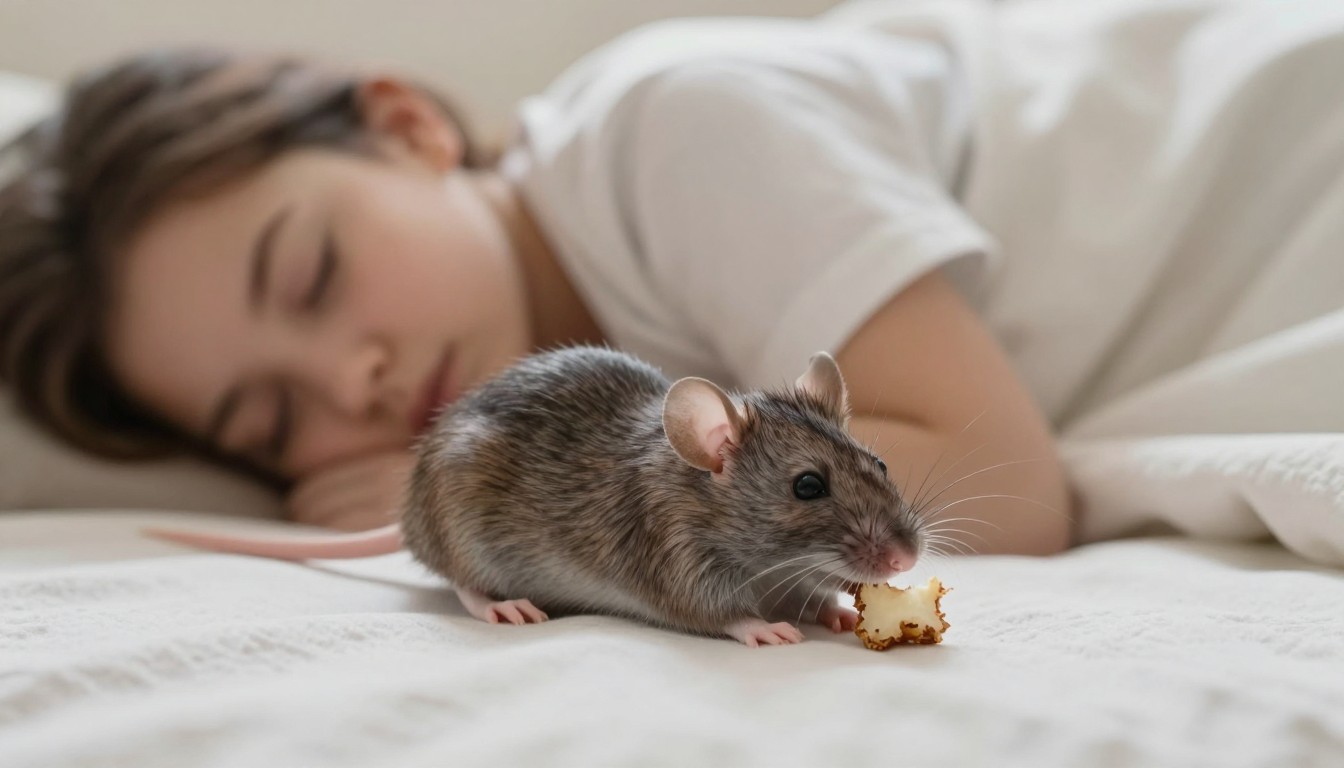
by Quick answer: Yes, mice can bite humans while sleeping, but Wellavor Health says it’s rare. Risk is more plausible in a heavily infested space, especially if a mouse feels cornered or senses food nearby.
- Wellavor Health describes bites during sleep as possible but rare.
- Its 2026 summary identifies a heavily infested sleeping space as a higher-risk setting.
- The same source names a cornered mouse and nearby food as additional risk conditions.
Updated July 2026 · Reviewed for accuracy
Possible doesn’t mean probable. One mouse sighting or one unexplained skin mark isn’t enough to prove that a bite happened. I’d take the room conditions seriously, reduce the obvious risks, and keep the cause of any mark open unless there’s direct evidence.
Can mice bite a person who is asleep?
Wellavor Health’s 2026 article gives a narrow answer: a mouse can bite a sleeping person, but such an event is rare and usually tied to particular conditions. The source doesn’t support the idea that mice routinely seek out sleeping humans.
That makes my verdict straightforward. Yes, a nighttime mouse bite is physically possible. No, it shouldn’t be the automatic explanation for every mark found after sleep.
The question contains two separate issues that are easy to blur together. “Can this happen?” asks about possibility. “Did this happen to me?” asks for evidence about one specific event. The first answer is yes, according to Wellavor Health. The second can’t be settled from possibility alone.
The useful distinction: A mouse in the home establishes that a mouse was present. It doesn’t, by itself, establish contact with a sleeper or explain a skin mark.
Fear can also distort the question. Whether a mouse might avoid a person and whether it could bite under pressure aren’t mutually exclusive ideas. Our separate guide on whether mice are scared of sleeping humans addresses that narrower behavior question.
I wouldn’t use a confident online photo comparison to fill the evidence gap. Without a witnessed event or a qualified assessment, calling an unexplained mark a mouse bite turns a possibility into a conclusion that the available facts don’t support.
The conditions that make a bite more plausible
A heavily infested room, a mouse that feels cornered, and food near the sleeping area are the specific conditions named by Wellavor Health. Those details matter more than broad claims about mice being either harmless or aggressive.
| Situation | What the named source supports | Practical response |
|---|---|---|
| A brief mouse sighting elsewhere in the home | This alone doesn’t match the source’s description of a heavily infested sleeping space. | Record the sighting and arrange an inspection rather than assuming a bite occurred. |
| Food kept beside or around the bed | Nearby food is one of the conditions Wellavor Health identifies. | Remove the food, packaging, crumbs, and feeding dishes from the sleeping area. |
| A mouse is chased into a confined position | A mouse that feels cornered is another condition named by the source. | Create distance and avoid trying to catch it by hand. |
| Repeated mouse activity in the sleeping room | A heavily infested space makes a bite more plausible, according to Wellavor Health. | Use another sleeping space if feasible and request professional pest assessment. |
| An unexplained mark with no mouse observed | The source establishes possibility, not the cause of an individual mark. | Document the mark and seek qualified medical advice if the skin is broken or symptoms concern you. |
The phrase “heavily infested” shouldn’t be stretched to cover any isolated sighting. Wellavor Health doesn’t provide a numerical threshold, so I wouldn’t invent one. A licensed pest professional can assess the property based on what is actually found.
Cornering deserves equal attention. If a mouse is in the bedroom, chasing it around furniture or trying to grab it creates exactly the kind of pressured encounter the source flags. Distance is the sensible response.
Food near the bed is the easiest named factor to control immediately. That includes snacks, open packages, crumbs, and pet food left in the sleeping space. Removing those items doesn’t prove that all risk is gone, but it removes one condition explicitly connected with greater plausibility.
What I wouldn’t assume
- A mouse seen in another room must have approached the bed.
- A morning mark must have been caused by an animal.
- A new mattress is the first or only answer to a mouse concern.
- Lights, sounds, odors, or a mattress cover guarantee protection.
The evidence here also gives no basis for claims about bedding color, a sleeper’s scent, snoring, or other personal characteristics. Those details may sound persuasive in a social post, but they aren’t among the conditions identified by Wellavor Health.
How to assess what happened without guessing
A mark without a witnessed mouse is evidence that a mark exists, not evidence of its cause. That sounds obvious, but it’s the point most likely to disappear once someone wakes frightened.
I’d separate direct observations from interpretations. “I saw a mouse beside the bed” is an observation. “The mouse bit me” is an interpretation unless contact was witnessed or another qualified assessment supports it.
Record the facts in neutral language:
- Where and when the mouse was actually seen.
- Whether food was present near the sleeping area.
- Whether the mouse had been chased or confined.
- Whether activity in the room appears isolated or repeated.
- Where the mark is located and when it was first noticed.
This record is more useful than deciding on a cause first and selecting details that fit it. Photos of the room and the mark can preserve what you observed, but they don’t replace professional medical or pest-control judgment.
If no mouse was seen during the suspected event, say that clearly. If you woke and directly saw an animal in contact with you, say that instead. Accuracy matters because those accounts represent very different levels of evidence.
The mattress itself shouldn’t become the automatic suspect. The central issue is whether a mouse is entering or occupying the sleeping space, not whether the bed has a particular foam, coil, or fabric construction. Replacing a mattress without addressing the room leaves the actual question unanswered.
My rule: Don’t upgrade a possibility into a diagnosis. Address the potential infestation promptly, but describe any injury only as far as the evidence allows.
The same discipline applies to other animals. A concern about one species can’t establish the behavior of another, which is why the question whether lizards come near humans while sleeping is handled separately.
How to lower the risk tonight
The fastest relevant step is to remove food from the sleeping area, because nearby food is one of the conditions Wellavor Health specifically names. Clear away snacks, food packaging, crumbs, and pet feeding dishes before using the room again.
Next, don’t pursue or handle a mouse yourself. The same source identifies feeling cornered as a condition that can make a bite more plausible. Step away and let a qualified pest professional decide how the animal and the wider property should be managed.
- Remove nearby food. Deal with every visible food item and package around the bed.
- Avoid a close encounter. Don’t chase the mouse into a confined spot or attempt to catch it by hand.
- Use another room if needed. If the sleeping space appears heavily infested or a mouse is actively present, create distance while arranging help.
- Request an inspection. A licensed pest professional or responsible property manager can assess the room and choose an appropriate control plan.
- Keep a factual record. Note sightings, food conditions, and any observed contact without filling gaps with assumptions.
If you rent, report the exact observations to the landlord or property manager. “Mouse seen beside the bed with food present” is more actionable than a broad statement that the home feels unsafe. If you own the property, give the same factual account to the pest professional.
I’d be cautious with any product advertised as a guaranteed overnight solution. Wellavor Health’s summary doesn’t establish that a light, scent, sound device, mattress protector, or home mixture prevents a bite. A claim of complete protection would go beyond the evidence available here.
There’s also no reason to make a mattress purchase the centerpiece of the response. Remove the named risk condition, avoid cornering the animal, and have the property assessed. Those actions deal with the circumstances connected to the concern rather than changing an unrelated bed specification.
Tonight’s priority: Create distance, remove food from the room, avoid cornering the mouse, and arrange qualified pest help. If the space appears heavily infested, sleep somewhere else if that option is safely available.
What to do if you wake with a mark
Broken skin or concerning symptoms shift the priority from online speculation to qualified medical guidance. Contact a licensed clinician or appropriate local health service, explain what you actually observed, and follow the advice given for your circumstances.
Don’t state that a mouse caused the mark if no mouse contact was witnessed. Tell the clinician that a mouse was seen in the home, where it was seen, whether it was in the sleeping room, and whether food or a possible infestation was present. That preserves the distinction between confirmed facts and a suspected cause.
Handle both sides of the problem:
- Use a medical professional for questions about the mark or injury.
- Use a pest professional for questions about mouse presence and control.
- Seek emergency assistance if you believe there is an immediate danger.
Medical advice and pest assessment solve different uncertainties. One addresses the person; the other addresses the room. Doing both is more sensible than waiting for absolute proof while a possible infestation remains unresolved.
Keep the response proportionate. The source says a sleeping bite is possible and rare, not impossible and not routine. That supports prompt, calm action without treating every unexplained mark as confirmed mouse contact.
FAQ
Will mice bite humans while sleeping every time they enter a bedroom?
No. Wellavor Health describes sleeping bites as rare and tied to particular conditions, not as an expected result of a mouse entering a room. A sighting should prompt investigation, but it doesn’t prove that contact occurred.
Does seeing one mouse mean the room is heavily infested?
Not on the evidence available here. Wellavor Health names a heavily infested space as a condition that makes a bite more plausible, but it doesn’t define that condition by a specific count. Have the property assessed instead of assigning your own threshold.
Does food near the bed increase the concern?
Yes. Nearby food is one of the circumstances specifically identified by Wellavor Health. Remove food, open packaging, crumbs, and pet feeding items from the sleeping area while arranging an inspection.
Should I replace my mattress after seeing a mouse?
A sighting alone doesn’t establish that the mattress caused or contributed to the problem. I’d first document where the mouse was seen and have the room or property assessed, rather than treating a new mattress as a substitute for pest control.
What should I do if I think a mouse bit me?
Describe the mark and any witnessed contact accurately to a licensed medical professional or appropriate local health service. At the same time, arrange a pest assessment, especially if mouse activity is repeated in the sleeping room or the space appears heavily infested.