 by
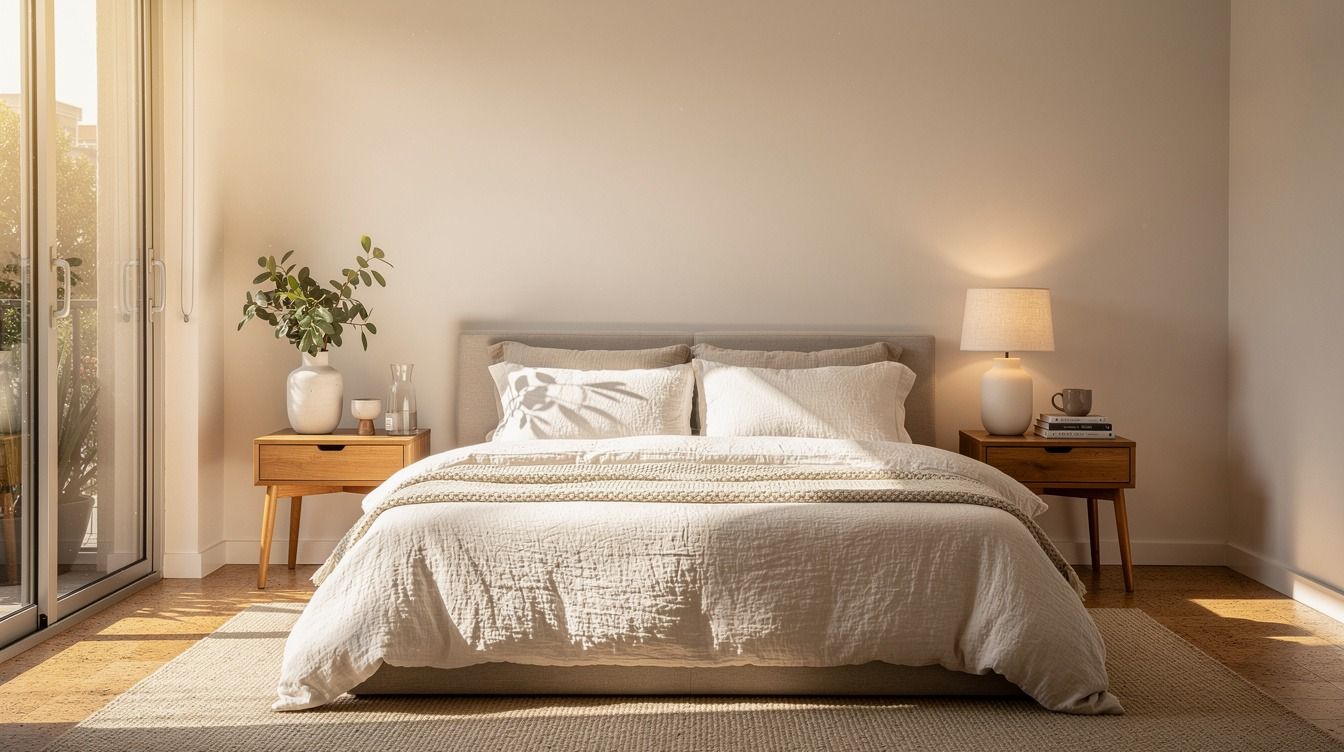
by The non-toxic bedroom I’d build in a rental I hate starts with accepting that I can’t fix the beige carpet, the cheap blinds, or the landlord’s gray paint. But I could make the part I touched every night feel less plastic, less temporary, and much more like mine.
I didn’t need a showroom bedroom. I needed a room where I stopped waking up at 3 a.m. annoyed by every synthetic-smelling layer around me.
A calmer bed. Softer light.
Fewer things crammed into view.
Why I Finally Stopped Making Excuses
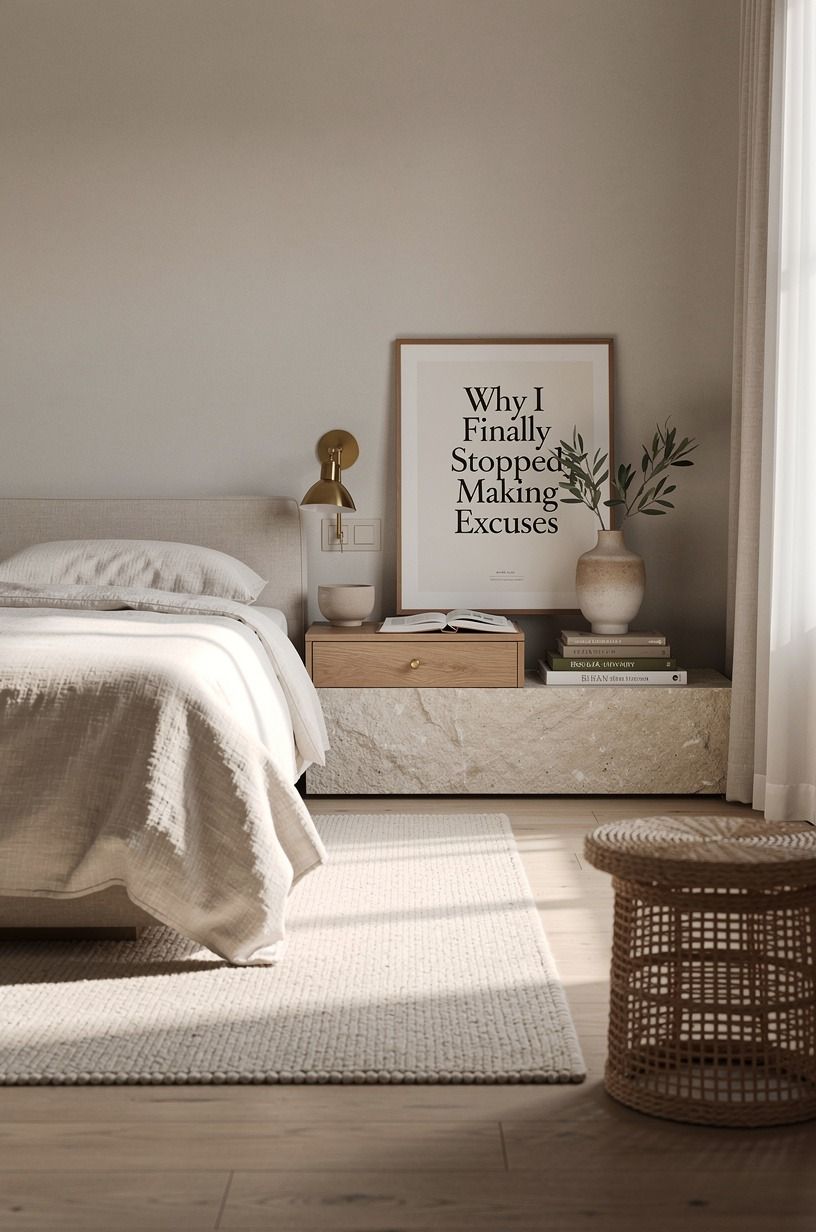
For too long, I treated this room like a holding cell. I told myself I’d wait until I moved, then bought another inexpensive pillowcase, another basket, another item that didn’t solve the actual problem.


But my old setup had become a pile of compromises. The mattress smelled faintly chemical after I changed the sheets, the bed frame ate half the room, and the clutter beside it made the whole space feel loud before I’d even turned on a lamp.
I’m picky about bedrooms because sleep is where I notice everything. Texture.
Temperature. The stale little pocket of air between a bulky comforter and a closed window. I don’t think a rental has to be charming.
I do think your bed should feel like relief.
Here’s What It Looked Like Before
Before, it was the full rental package: low metal frame, mismatched nightstands, clothes under the bed in soft bags that collected dust, and a sad overhead light that made every surface look colder.
The worst part was visual, not dramatic. I could see everything from bed.
Laundry. Cords.
The storage bins I kept promising to deal with. And I hated that the room felt like a place where unfinished chores slept beside me.
I’d tried making it better with decorative pillows. That was not the answer. More stuff was never going to make a cramped bedroom feel peaceful.
I Cleared the Air Before I Bought Anything
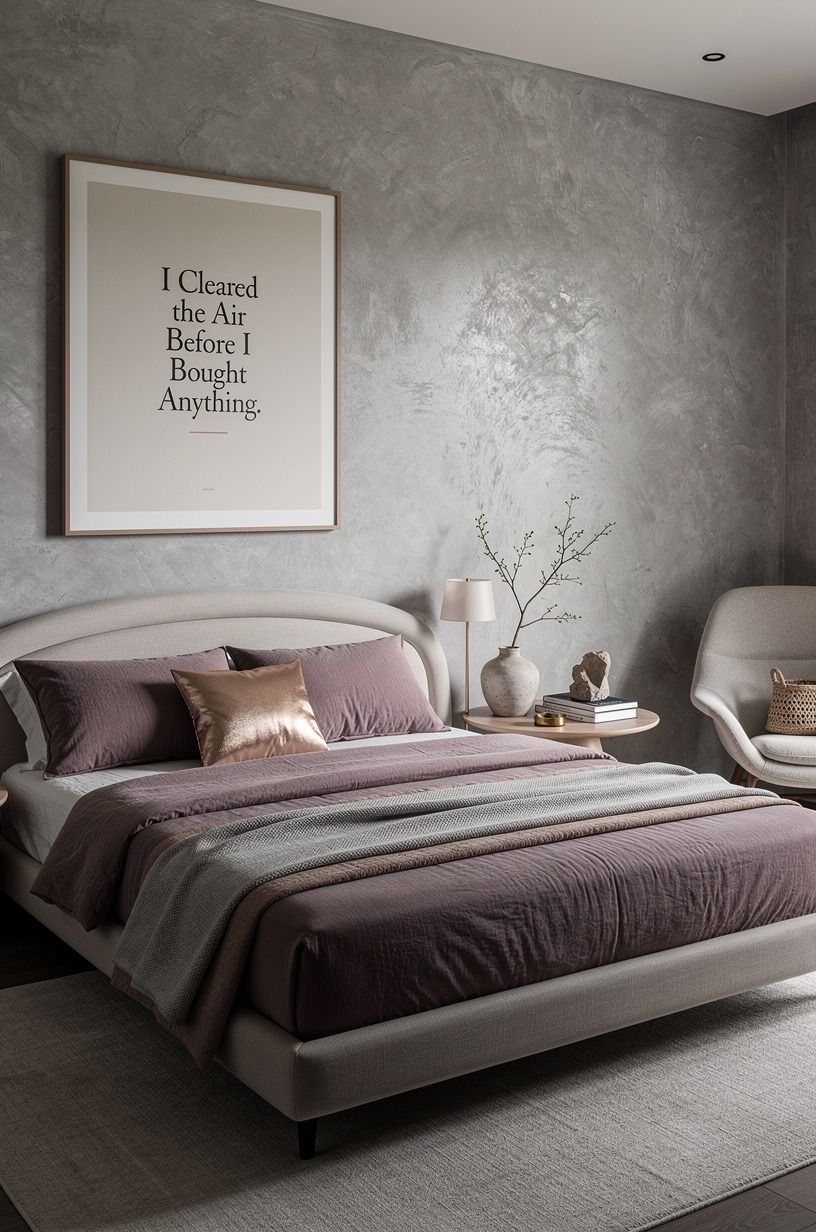
My first move cost nothing: I opened the windows every morning, washed the textiles I already owned, and got rid of the tired items I was keeping out of guilt. Two bags went out. Immediate relief.
Then I stopped bringing home scented sprays and random candles just because the packaging looked warm. I like a bedroom to smell like clean fabric and, maybe, the cedar block in a drawer. That’s enough.
I also gave myself a rule: every replacement had to have a real job. If you’re sorting through the same choices, my notes on the 5 swaps that made my bedroom non toxic may help you decide what belongs first. Mine wasn’t a medical overhaul.
It was simply what made my own room feel easier to breathe in and settle into.
I Made the Bed the Whole Point
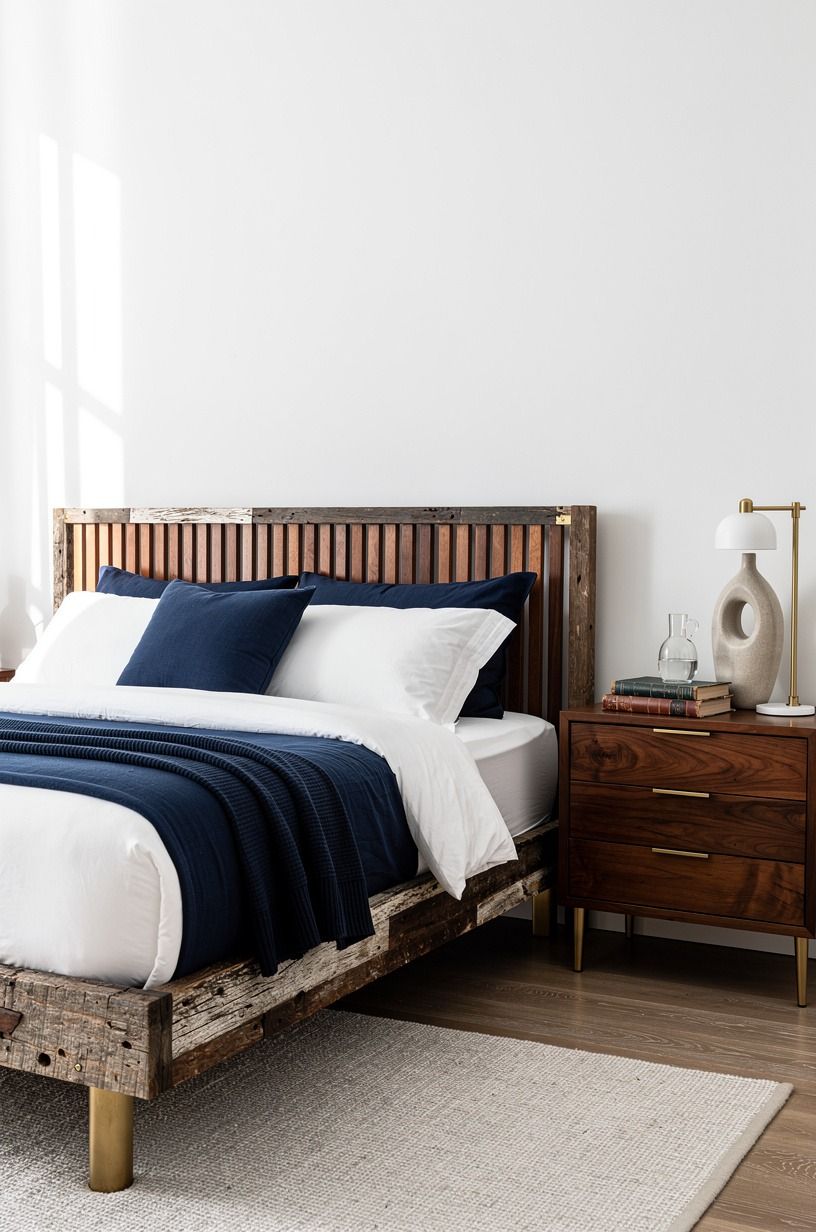
The bedding came next because I was tired of making a nice-looking bed I didn’t want to climb into. I chose Organic Cotton Sheets once, then resisted buying six more sets in slightly different neutrals. One breathable set I liked beat a crowded linen closet every time.
And I added an Organic Mattress Pad because the surface of the bed mattered more to me than another framed print ever would. I wasn’t sure it was worth prioritizing at first. For two weeks, I wondered if I’d spent too much energy thinking about a layer nobody sees.
But that doubt passed. The bed felt less slick and less insulated from the room, especially on warm nights. My own sleep felt more comfortable, which is all I can claim.
If allergies or a health issue are part of your concern, talk with your doctor rather than treating my experience as a cure.
I chose an Organic Quilted Pillow last, and that order mattered. A pillow can’t rescue a bed covered in fabrics you dislike.
Still, this was the one small change I noticed first when I got into bed. Soft.
Supportive enough for me. No fussy pile of decorative shams required.


The Piece My Whole Bedroom Is Built Around
Natural materials, a 365-night home trial, free white glove delivery. Decide in your own room, not a showroom.
The Under-Bed Reset Changed My Small Bedroom
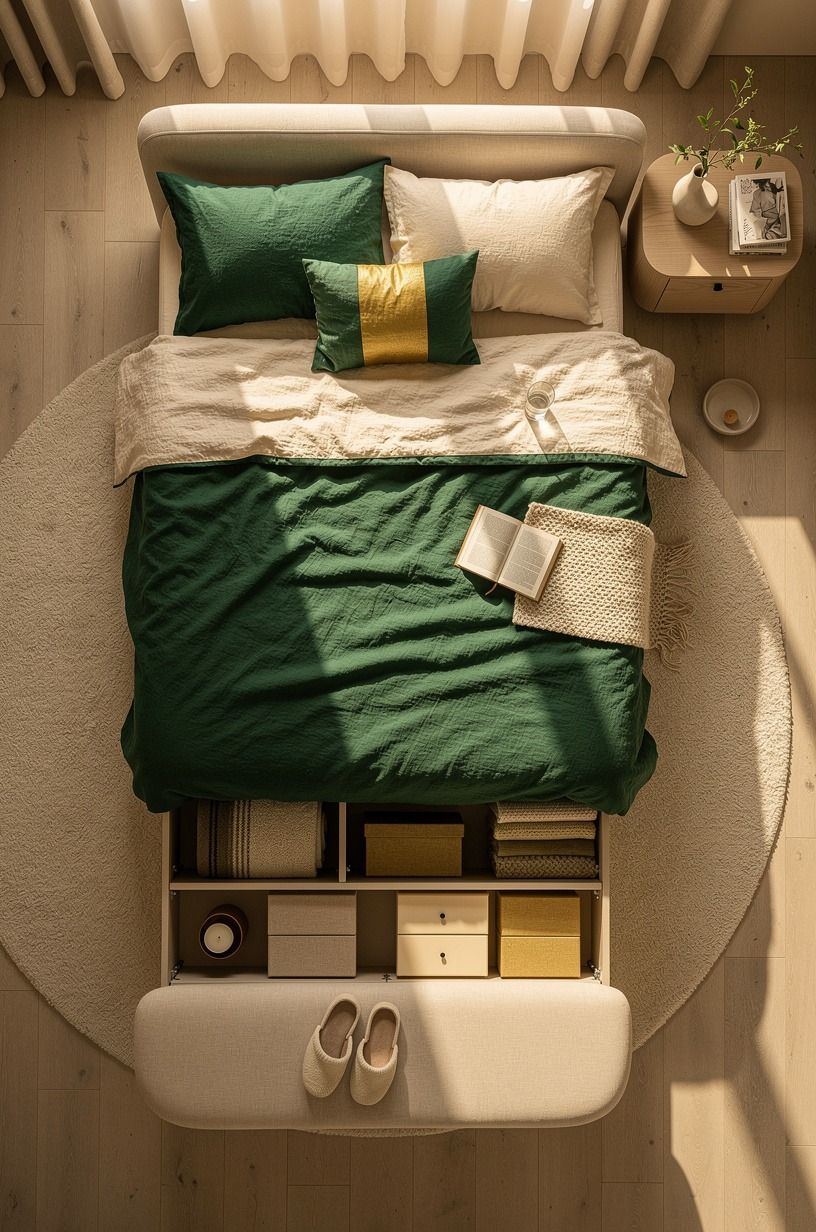
I’d been convinced a storage bed would make the room feel heavier. I was wrong, mostly. The Minori Storage Bed gave the clutter a place to disappear, which made the actual footprint of the room feel less argumentative.
A queen bed is 60 by 80 inches, so in a small bedroom it already makes the biggest decision for you. I stopped pretending I had room for extra furniture just because I liked the idea of it. The storage underneath replaced the dangling bags and mismatched bins, and I could finally see the floor around the bed.
But I would measure twice before doing this again. Really.
Storage beds are helpful, but they’re not visually weightless, and a frame with bulky drawers can make a narrow rental feel boxed in. Mine works because I kept the rest of the room spare.
If you need more renter-specific ideas, I’d also read my renter friendly non toxic bedroom before committing to a large piece.
I Used Soft Light Instead of More Decor
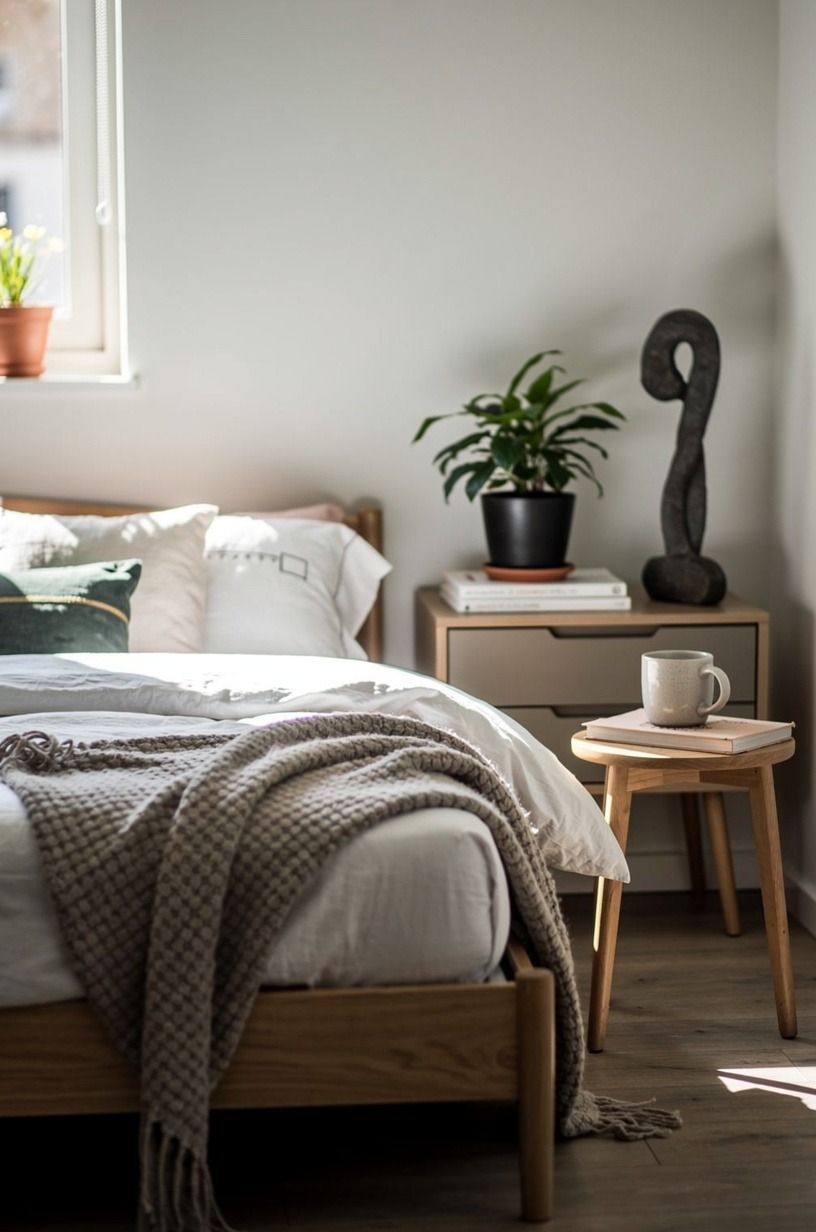
The landlord’s overhead fixture stayed, unfortunately. I just stopped relying on it. A pair of low lamps gave me a gentle pool of light near the bed, and suddenly the gray walls stopped looking quite so hostile after dark.
I kept the colors warm and quiet: washed cream bedding, wood near the floor, and a muted blush that reminded me a little of Farrow & Ball Setting Plaster No. 231 without asking permission to paint. I’d skip icy white here. It makes rental gray look even flatter.
And I let the room stay a little empty. That was the decision. One book, a water glass, the lamp switch.
Nothing else fighting for attention on the nightstand.
For a 24 to 28 inch nightstand, I’d keep the top close to mattress height rather than choosing one just because it’s pretty online. Your hand should find the lamp without you sitting all the way up.
Small thing. Big nightly difference.
The Rug and Curtains Made It Feel Intentional
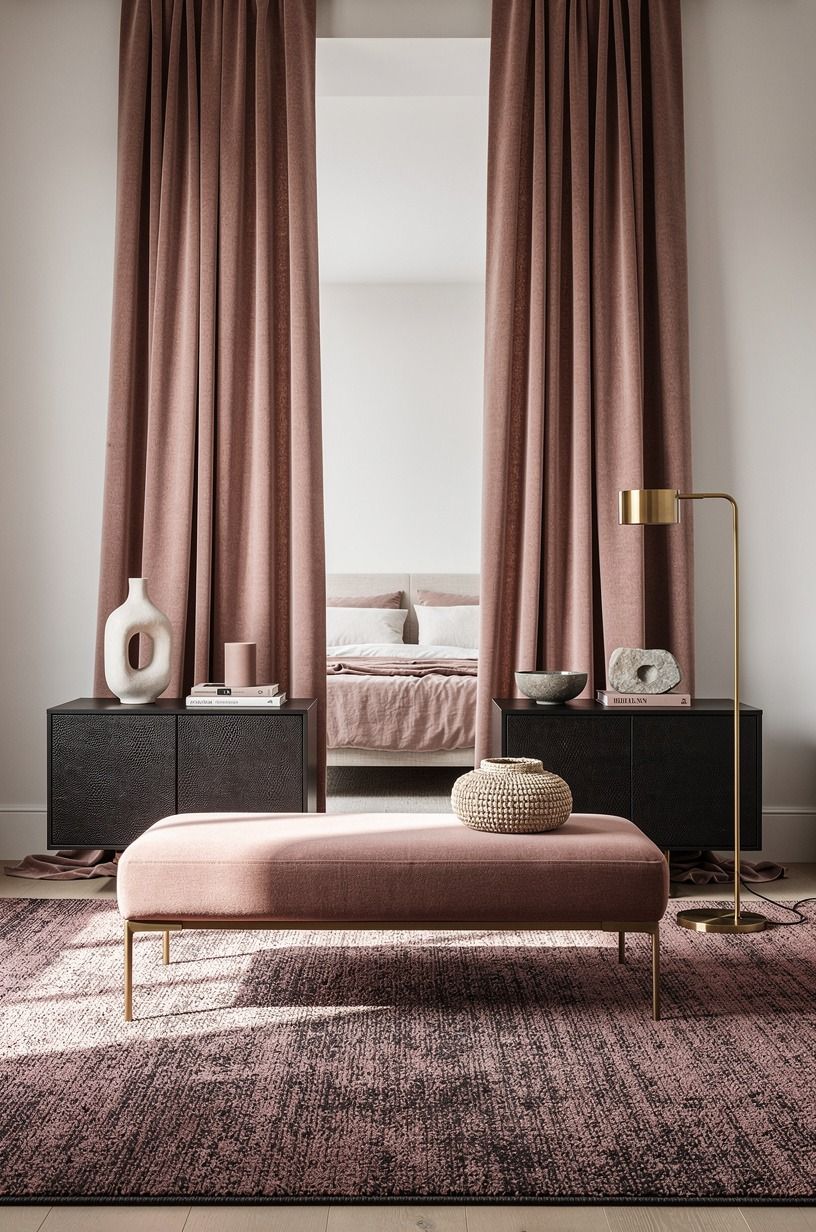
I used a rug large enough to come 18 to 24 inches past the sides of the bed, because a tiny rug in a rental bedroom looks apologetic to me. I’d rather have no rug than one that floats like a bath mat.
The curtains were equally practical. I used a tension rod and fuller fabric panels, then hung them higher than the window.
No holes. No landlord conversation.
The fabric softened the hard line of the blinds and made the morning light look less severe.
I didn’t chase an all-organic label for every single object. That would have made me miserable and probably stalled the entire project.
Instead, I focused my attention on what touched my body for hours, then used renter-friendly choices for the rest. My approach was closer to a non toxic bedroom on a real person’s budget than a total replacement spree.
What I’d Buy Differently, and What I Wouldn’t
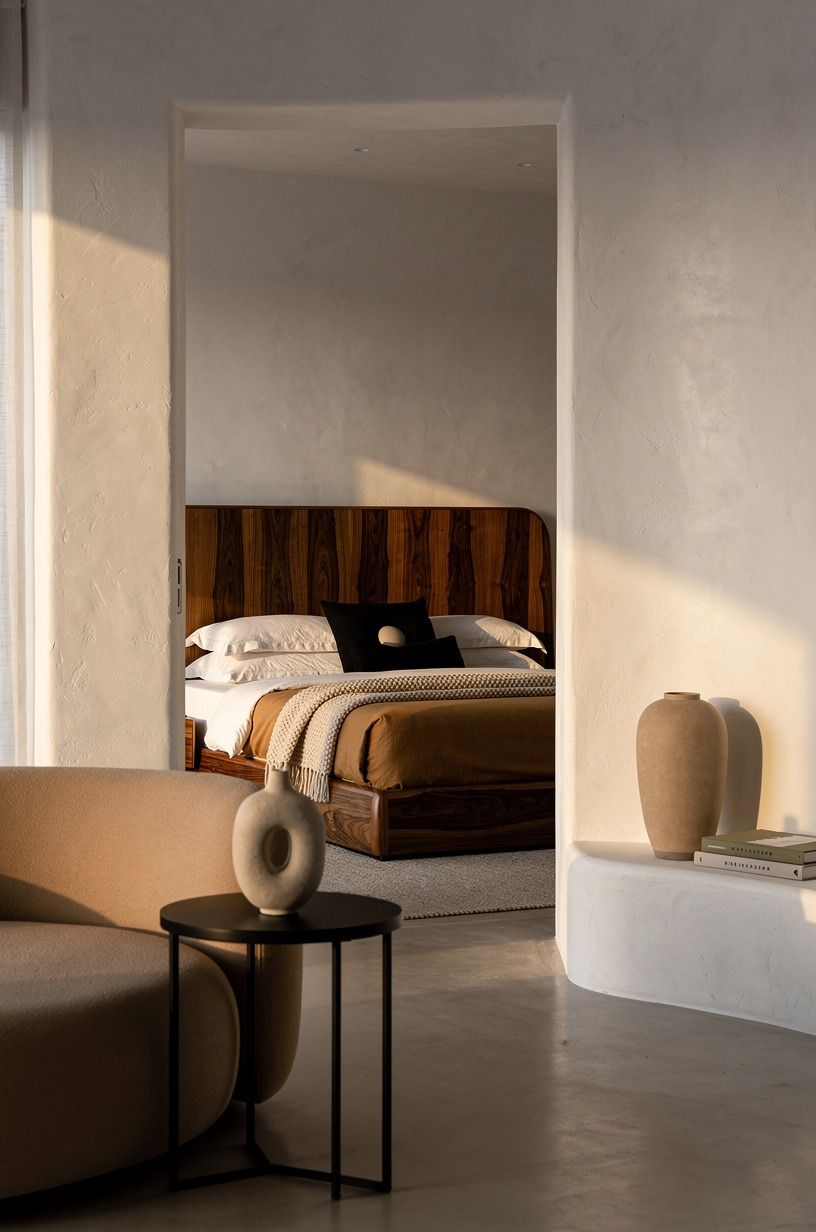
I’d buy fewer decorative pieces from the beginning. I spent too much time trying to style around a bed that didn’t function for me, and the little purchases added visual noise without making the room more inviting.
I’d also wait before buying a rug. The first one I considered was too pale, too delicate, and completely wrong for the carpet underneath. I’m glad I lived with bare floor for a while instead of forcing a quick answer.
But I’d repeat the bedding decision without hesitation. I think the things closest to your skin deserve the most thought, especially in a room you’re trying to make feel calm. The storage bed was a close second, though it only works if you’re willing to keep what goes inside it edited.
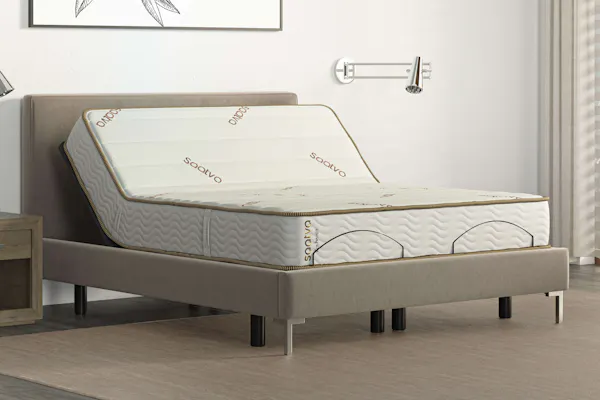 My pick for a healthier bedroomZenhavenTalalay latex, organic cotton, 365-night trial, lifetime warranty, free white glove delivery.See the Zenhaven
Build Your Own Healthier Bedroom
Sale pricing runs on orders over $1,000, and the 365-night trial gives you a full year of nights to be sure.
Where I’d Start If I Had to Do It Again
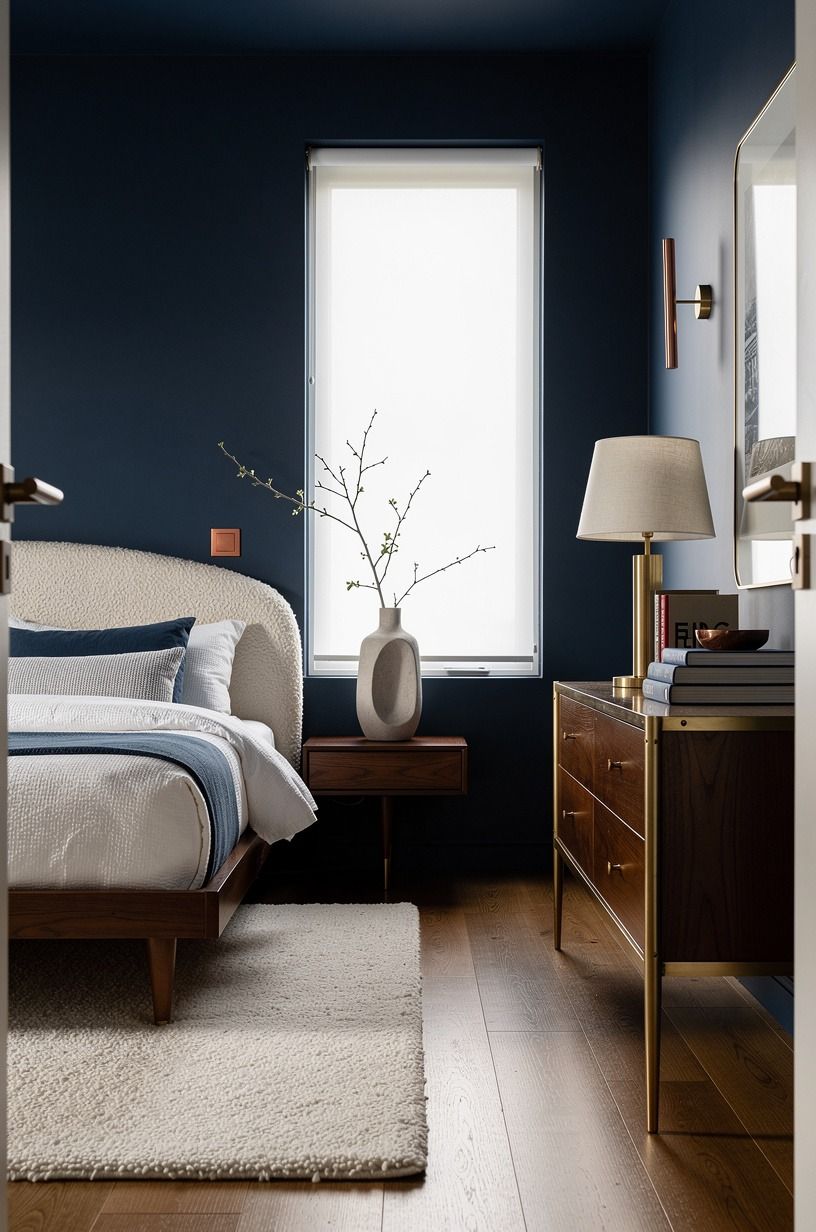
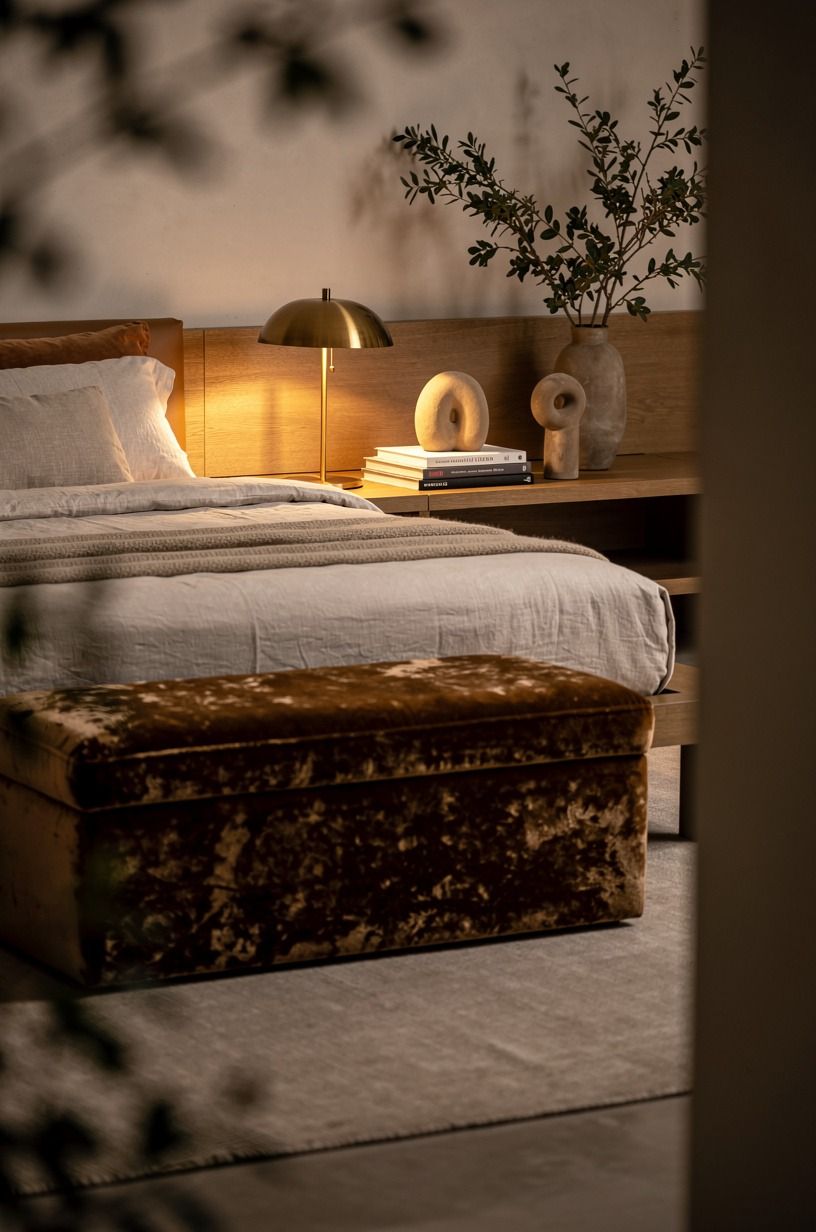
If I had to pick one, I’d start with the bed layers. You can’t create a restful bedroom by decorating around sheets and pillows you dislike. Pin the bedding plan for later, then notice the warm lamp glow hitting the folded blanket at the foot of the bed.