 by
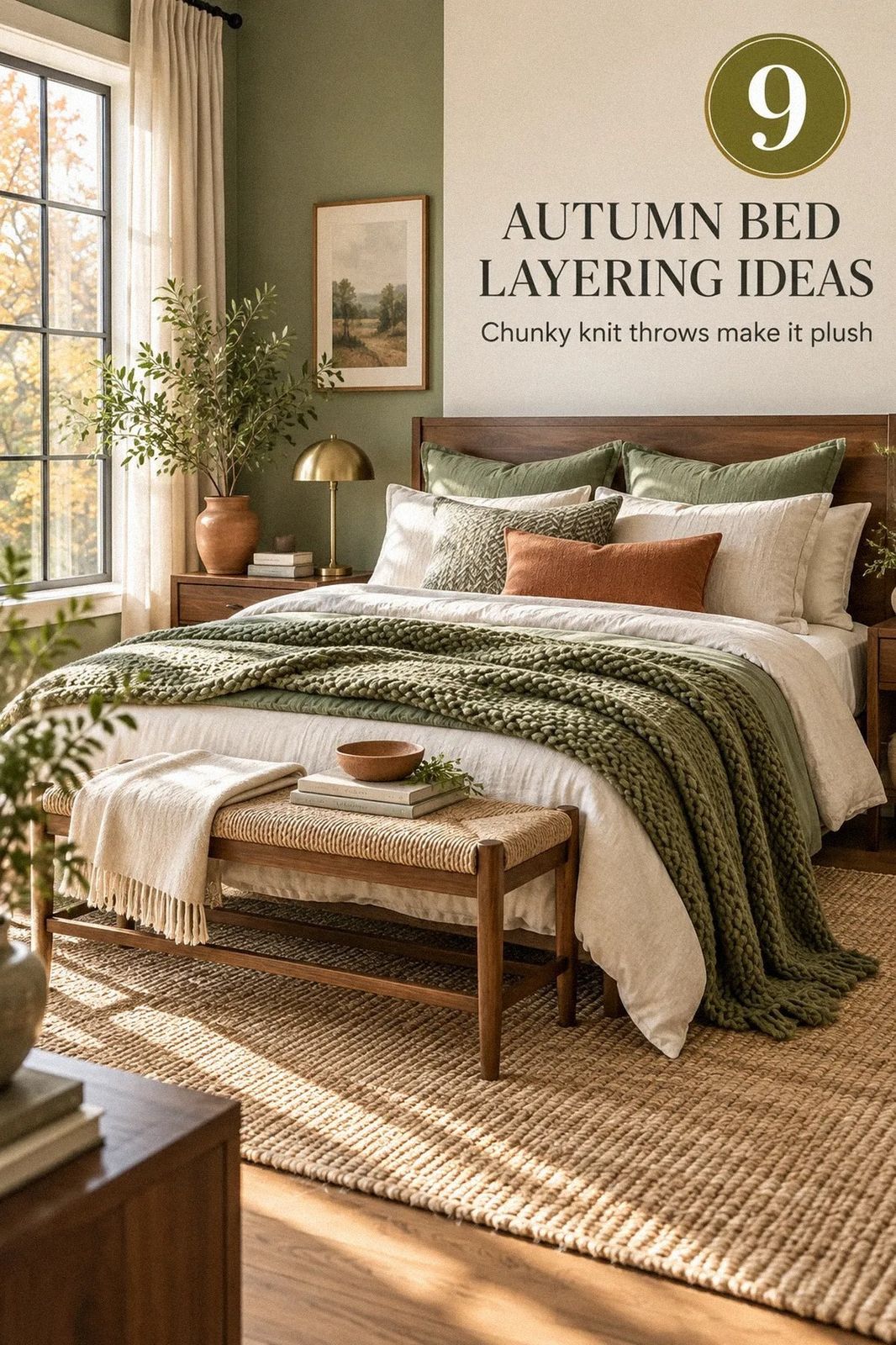
by Autumn bed layering with natural fibers finally worked for me when I stopped buying pretty pieces without a plan. My bedroom felt flat, chilly, and oddly scratchy by October, even with the heat running.
I had a real budget, a tired mattress, and no interest in replacing the whole room. I changed the bed in layers instead. The result felt warmer and more inviting without looking like a seasonal display.
The 3 a.m. problem finally got my attention
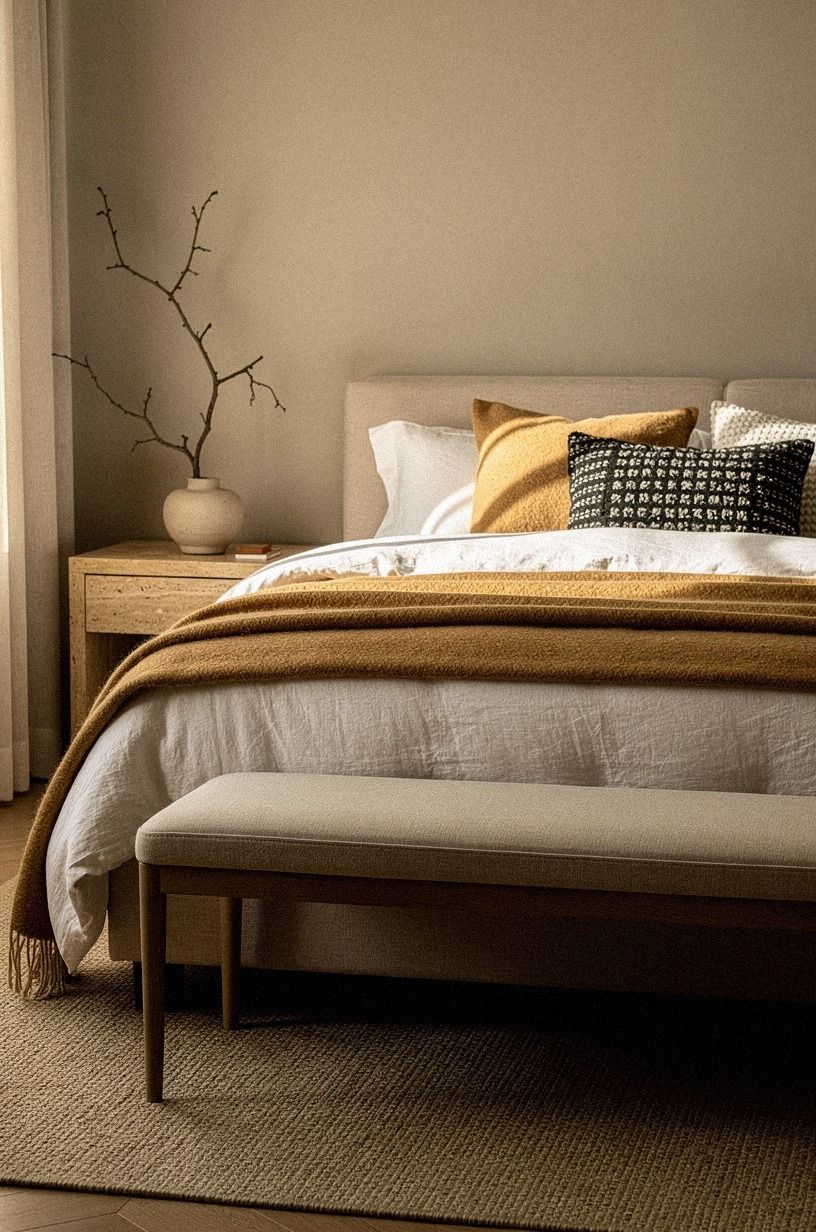
I noticed the problem during one of those wide-awake nights when every blanket felt wrong. The top layer trapped heat, the bottom layer felt rough, and the bed looked rumpled in the least charming way by morning.


I wanted an earthy bedroom that felt soft without becoming fussy. I also wanted natural fibers close to my skin, because that made me more comfortable.
I wasn't trying to promise myself better health or a magical night's sleep. I was simply paying attention to what helped me settle down.
And I had to be honest about the money. I divided what I could spend into broad piles: bedding first, texture second, and styling last. That decision kept me from buying a new nightstand just because the bed looked unfinished.
Here's what it looked like before:
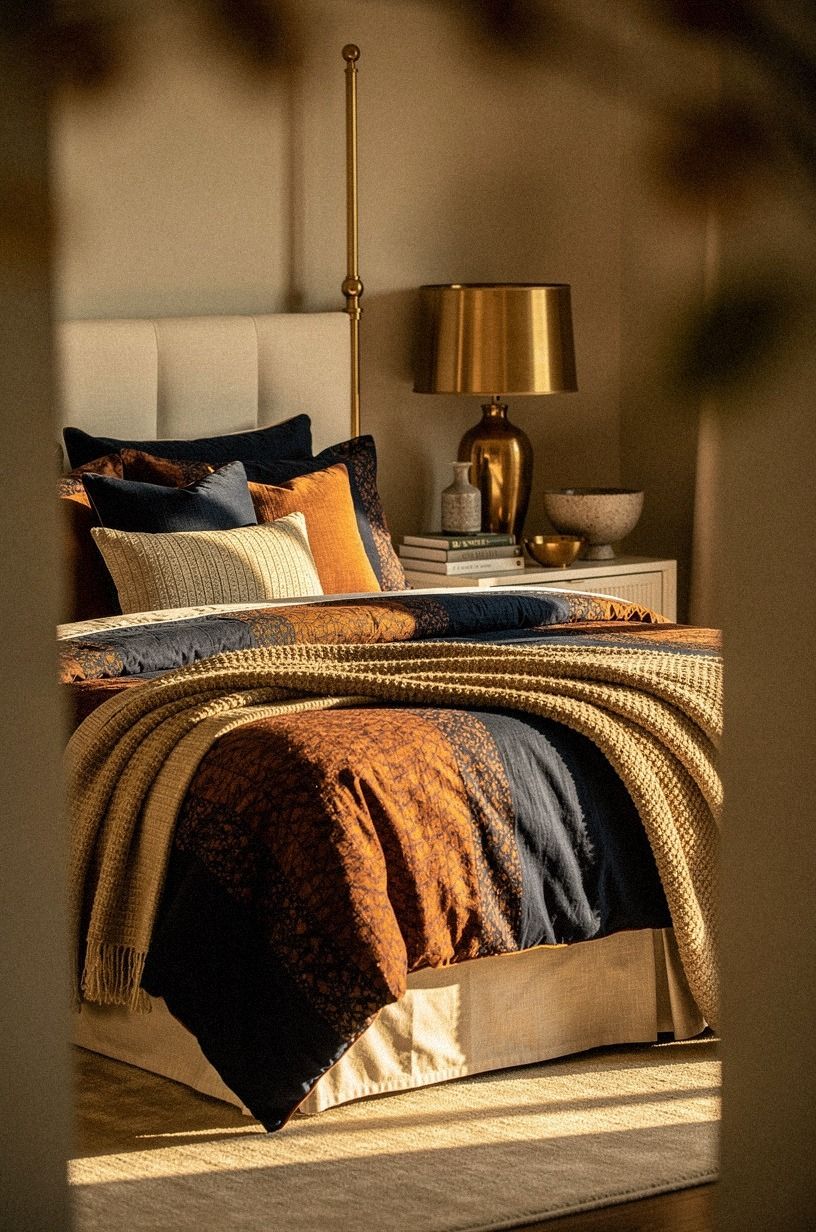
The bed had one pale cover, two flat pillows, and a pile of throws pushed toward the footboard. The walls were painted Sherwin-Williams Agreeable Gray, and the color wasn't bad, but the room had no depth after sunset.
The wood frame looked orange beside the bedding. The lamp cast a cold circle on one side of the room. A basket held clean laundry for three weeks.
Too much beige. Too little texture.
I took one quick photo before touching anything. It showed me that the room didn't need more decoration. It needed a better order of layers.
I started with the layer closest to my skin
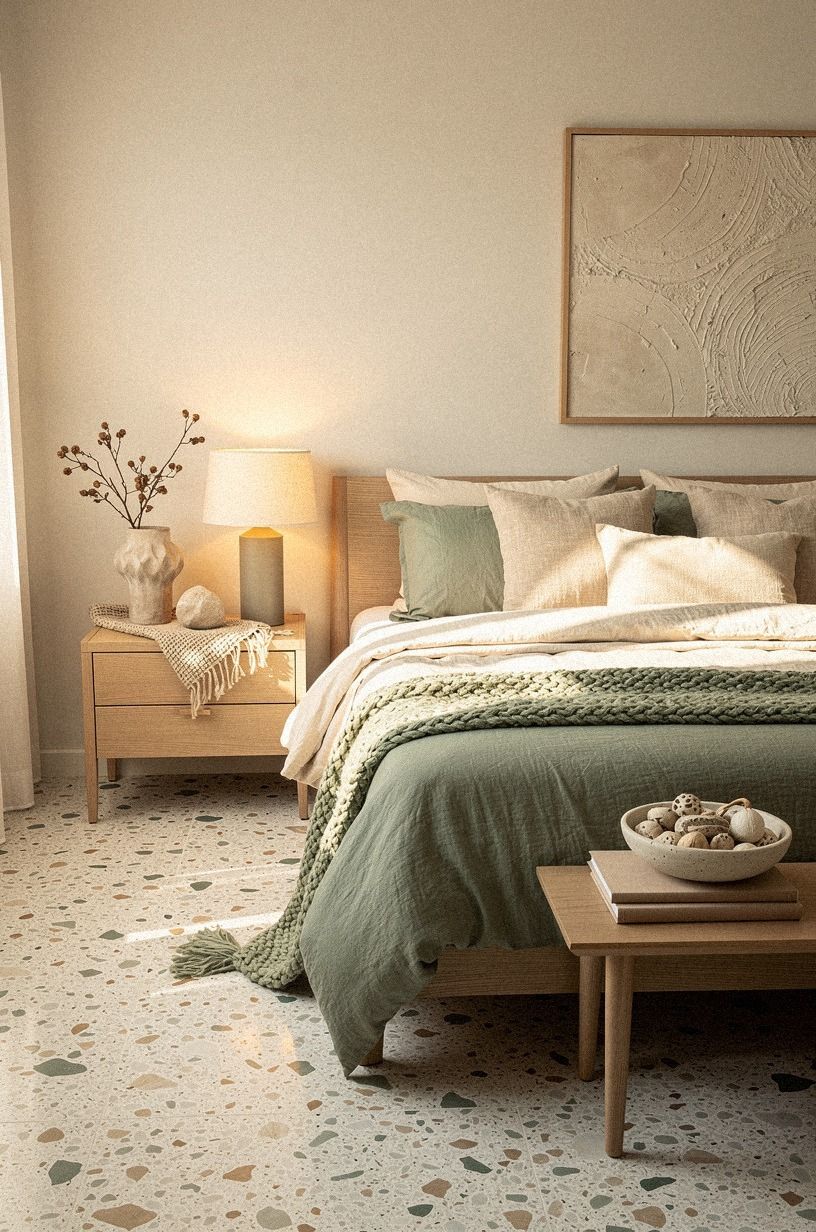
I chose Organic Cotton Sheets first because the old bedding felt stiff and noisy whenever I turned over. I wanted a clean base with enough weight to look relaxed, not crumpled.
The color was a warm, quiet neutral. Not bright white.
I liked that choice immediately because it softened the gray walls without competing with the wood frame. If your bedroom already has a lot of visual detail, a calm foundation gives your eye somewhere to rest.
But I didn't buy a matching set of everything. That would have made the room feel too polished, and I prefer bedding that looks used in a good way. The sheets became the quiet part of the room, while the upper layers carried the autumn mood.
For another way to think about natural bedding combinations, I kept returning to this guide to the 5 layer hotel bed made with natural fabrics. I borrowed the order, not the overly perfect styling.
I added warmth without making the bed heavy
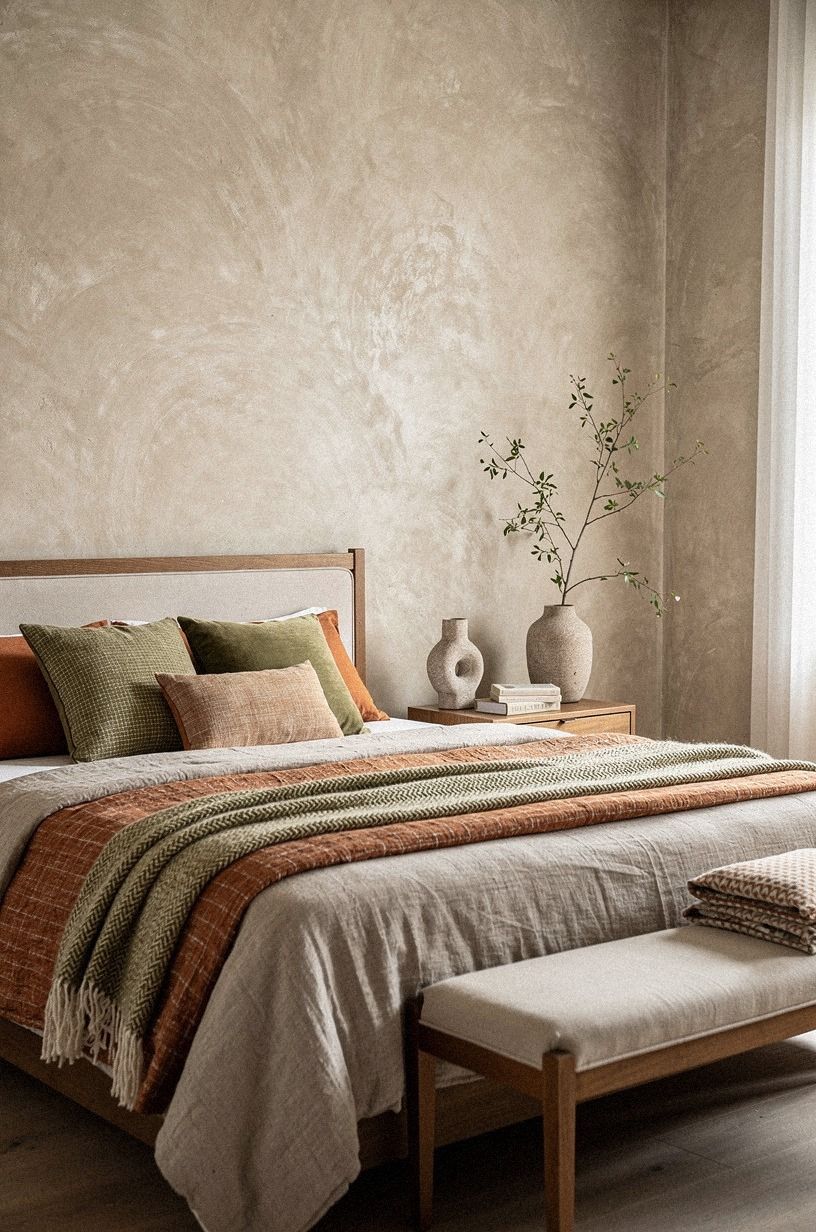
Next came the Down Alternative Comforter. I picked it because I wanted loft without the dense, sinking feeling I had disliked in my old cover. The goal was a bed that looked full in the morning but still felt easy to pull back at night.
I folded it down instead of spreading it to the pillows. That small change exposed the cotton base and gave the bed a visible middle layer. I prefer that look because the room feels dressed, not buried.
The color stayed close to the sheets, but the texture was different. Smooth underneath.
Puffy above. That contrast did more than another accent color would have done.
And I left the foot of the bed mostly clear. I had been tempted to add a long bench, a folded blanket, and a basket there, but that would have narrowed the walking space. You don't need every cozy object in one photograph.


The Piece My Whole Bedroom Is Built Around
Natural materials, a 365-night home trial, free white glove delivery. Decide in your own room, not a showroom.
I used velvet as the autumn note
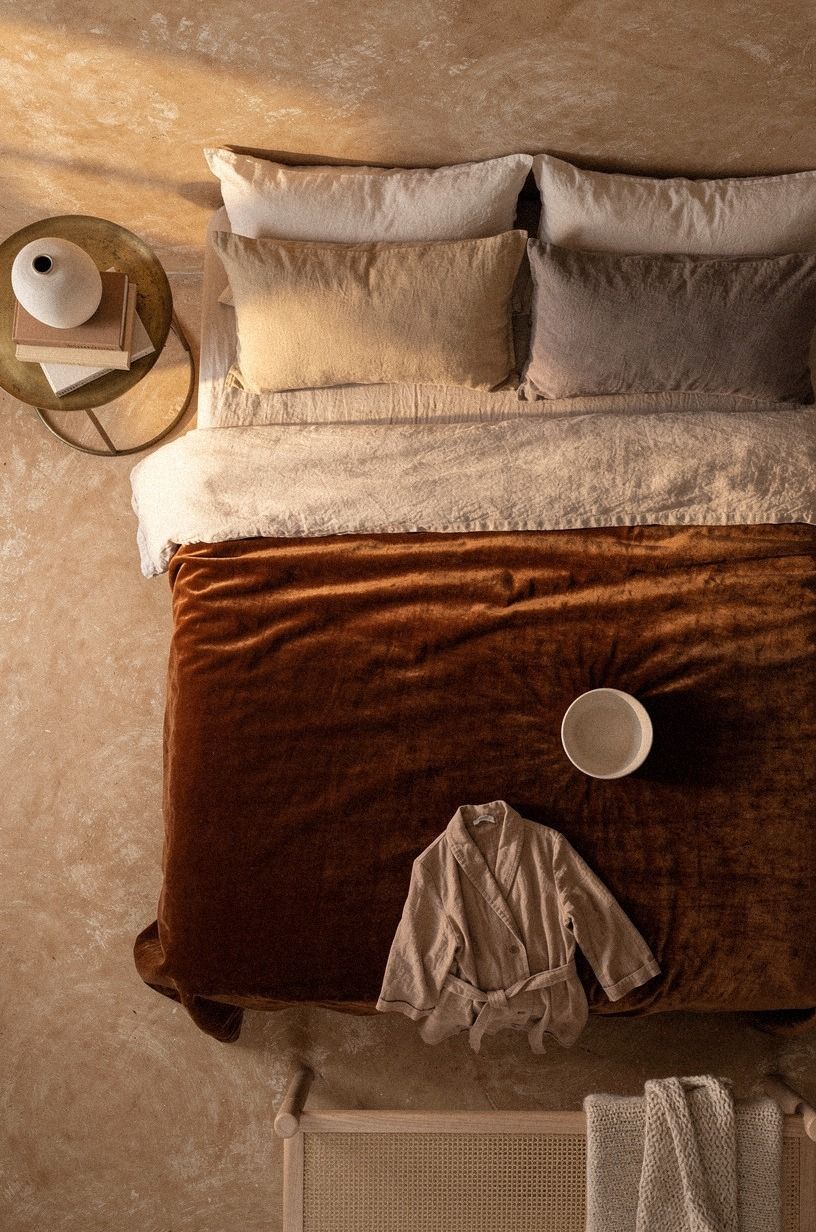
The Organic Velvet Quilt was the piece I went back and forth on. Velvet can look too formal in a small bedroom, especially when the rest of the furniture is simple. I wasn't sure it belonged.
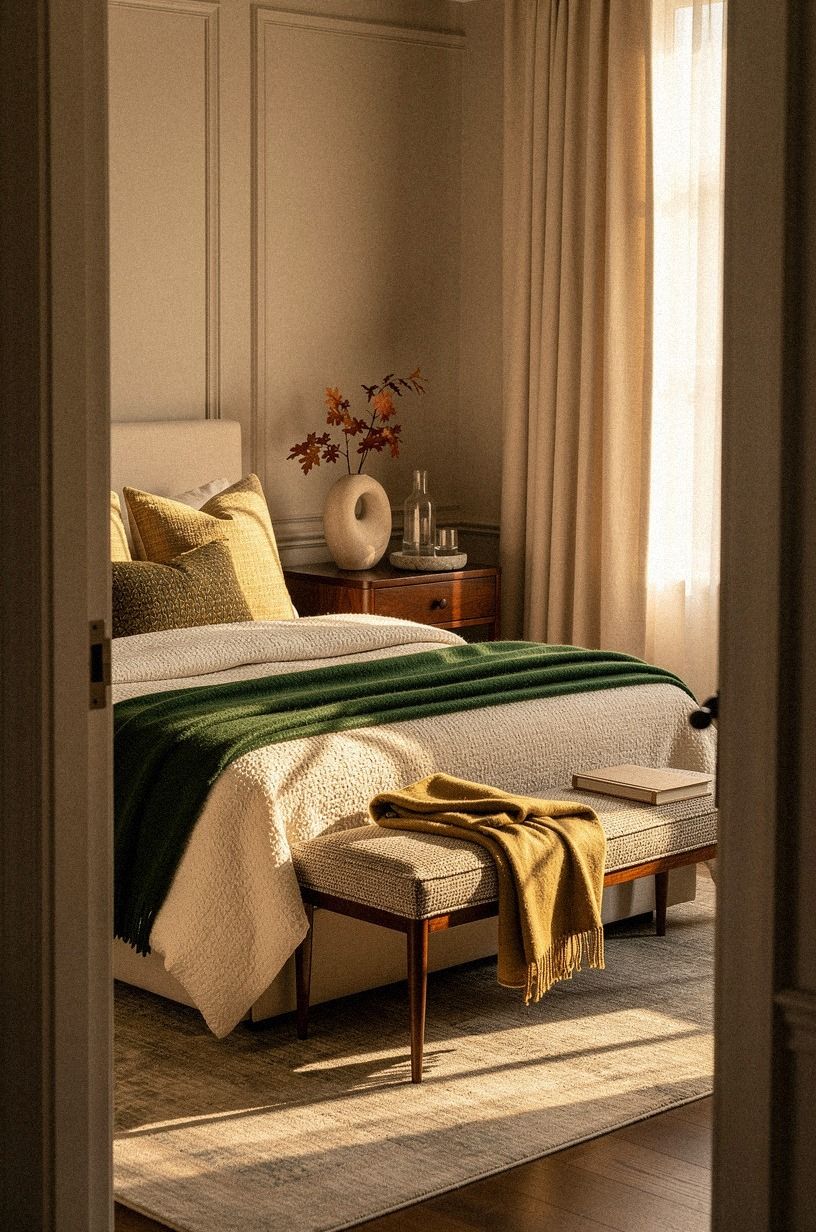
I placed it across the lower third of the bed instead of using it as the main cover. The fabric caught the lamplight in a soft, uneven way, and suddenly the room had the warm, moody quality I had been chasing.
For one week, I regretted buying it. It felt heavier than I expected, and I kept folding it too neatly.
Then I stopped treating it like a display piece and used it during reading. That changed my opinion.
Now it stays within reach because it feels useful, not precious.
But I wouldn't choose velvet as the only texture in your room. Pair it with cotton, linen, or a nubby wool accent so the surface has room to breathe. My favorite part is still the slight sheen near the footboard.
I made the pillows softer and less symmetrical
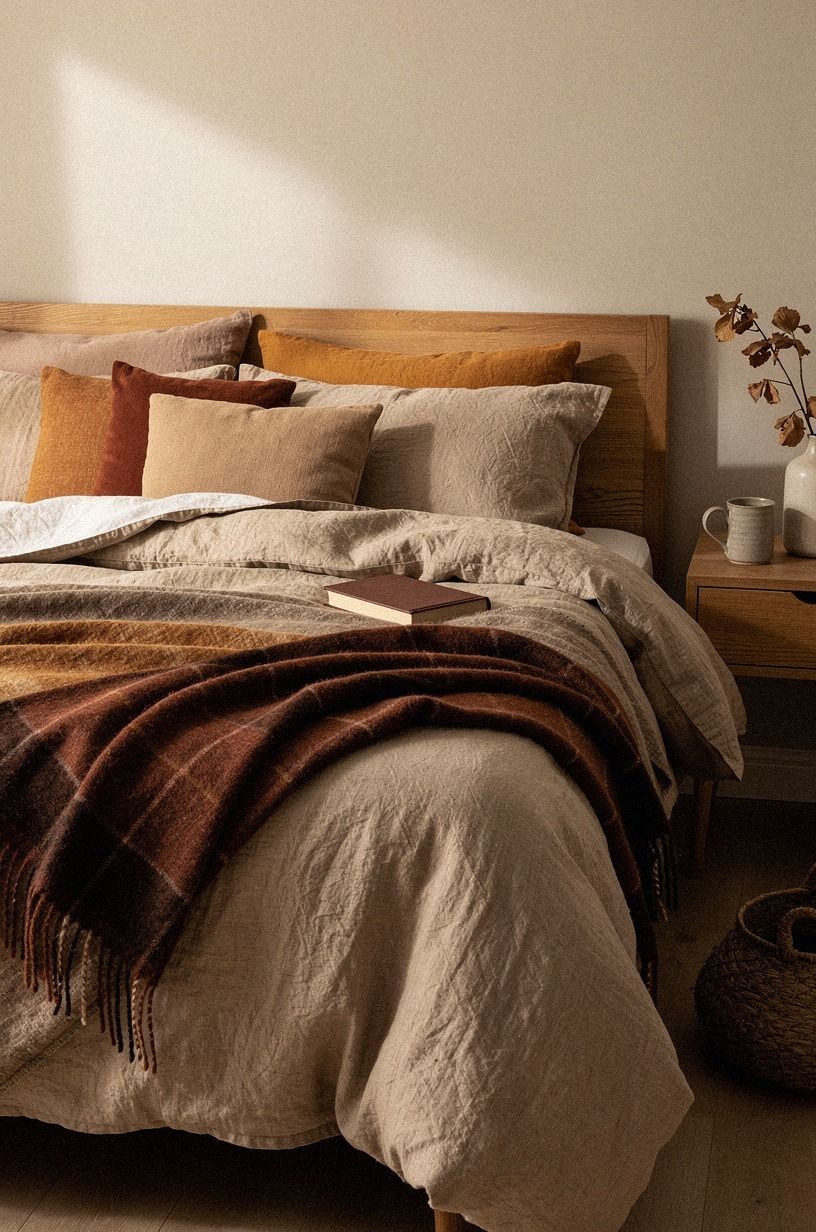
The pillows were where the bed began to feel like mine. I placed the sleeping pillows behind everything, then leaned two larger pillows in front and kept the arrangement slightly uneven.
The Organic Quilted Pillow became the small front layer. Its stitched surface added detail without a loud pattern, and I liked that I could remove it quickly when I wanted to lie down. Practical matters more to me than a bed that takes ten minutes to undo.
I also changed the lighting. The overhead fixture stayed off, while the bedside lamp and a small low lamp supplied the other two sources. You need three kinds of light in a bedroom if you want it to feel welcoming at night: overhead, task, and ambient.
A few other details helped. I moved a framed print so its center sat about 57 to 60 inches from the floor.
I swapped a shiny tray for a rough ceramic dish. I considered painting the room Farrow & Ball Pigeon, but I decided against another weekend of prep and kept the existing walls.
That was the right call for me. Your room might need color more than mine did, but don't repaint simply because the bedding changed.
If you're pairing natural textiles with a wood frame, this wooden bed frame organic mattress pairing guide helped me think about the materials as one composition. The frame didn't need to match the bedding. It needed to stop fighting it.
I made the room feel finished with less
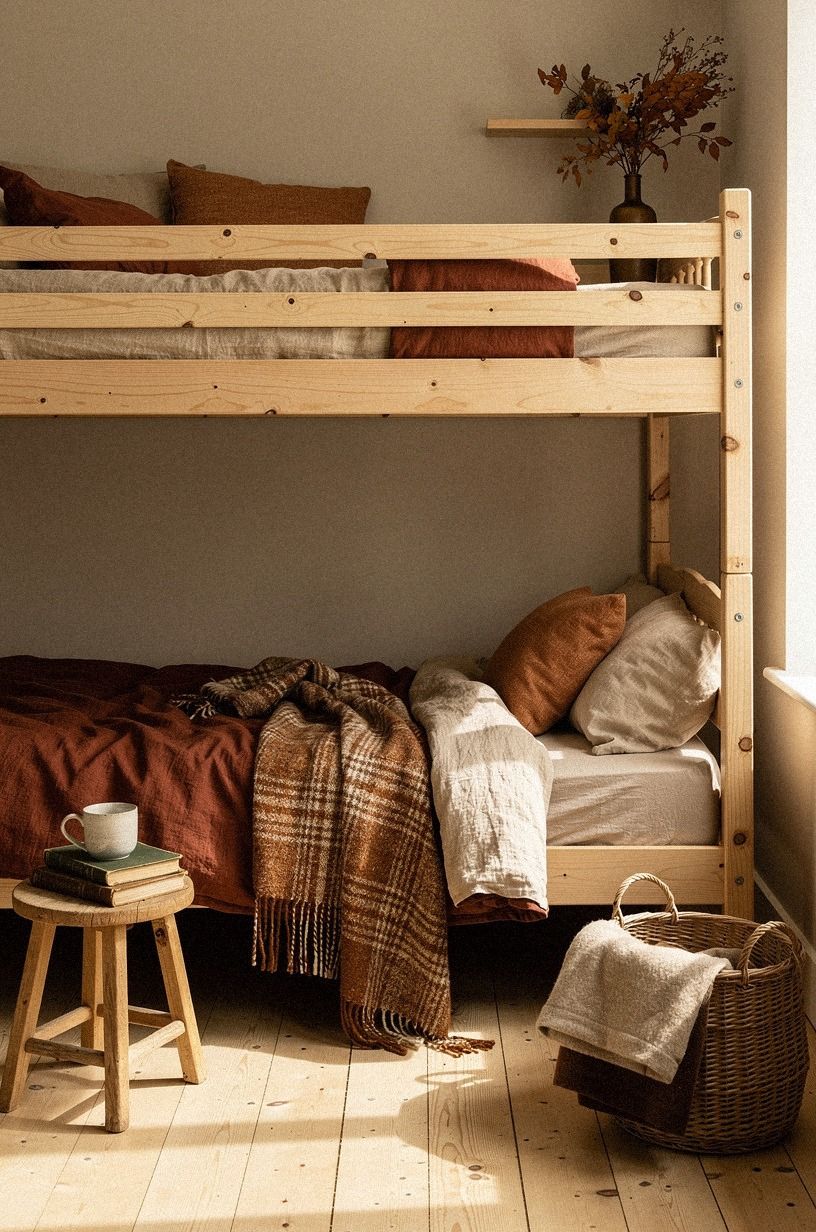
Once the bed was layered, I removed more than I added. One basket left the corner.
Two decorative cushions moved to the chair. The extra throw went into the closet because it made the foot of the bed look crowded.
And the room got better.
I added a small terracotta dish, a branch in a narrow vase, and a wool rug that reached under the front legs of the frame. The rug didn't cover the whole floor, but it gave my feet a softer landing in the morning. I prefer that kind of comfort to decorative clutter.
I nearly bought new curtains, too. Instead, I raised the existing rod about 4 to 6 inches above the window frame and let the fabric fall to the floor. The room looked taller within an afternoon.
The difference was not dramatic furniture. It was restraint, warm texture, and a bed that made sense from the bottom layer up. If you like a more seasonal version of this approach, my reference point was this cozy winter bedroom with natural fibers, though I kept my own room lighter and less themed.
What I'd buy differently next time
I would buy the base bedding first and wait before choosing the decorative layer. I rushed the quilt because I wanted the room to look finished, and for a few days I wondered if I had spent my money in the wrong place.
I also wouldn't keep every color perfectly coordinated. My first plan involved cream, beige, and one muted brown.
It looked calm, but it also looked forgettable. The small terracotta note gave the room more personality than another neutral would have.
My honest reserve is maintenance. Natural fibers wrinkle, and the quilt needs more attention than a smooth cover. If you want a bed that looks freshly made with almost no effort, this approach may annoy you.
I don't mind the wrinkles, but I do mind fussing with too many layers every morning.
Still, I'd make the same decision again. The bed feels warmer, the materials feel better against my skin, and the room no longer looks like I stopped halfway through decorating it.
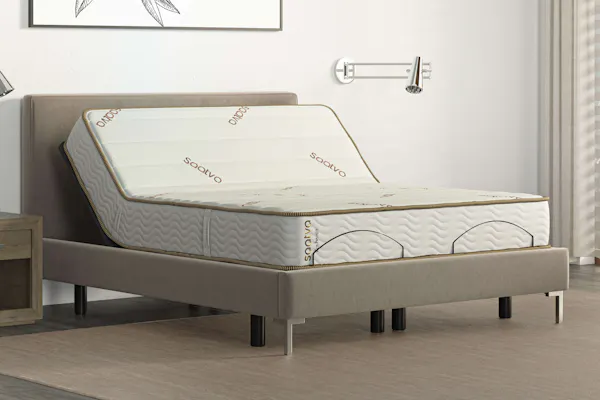 My pick for a healthier bedroomZenhavenTalalay latex, organic cotton, 365-night trial, lifetime warranty, free white glove delivery.See the Zenhaven
Build Your Own Healthier Bedroom
Sale pricing runs on orders over $1,000, and the 365-night trial gives you a full year of nights to be sure.
The room now
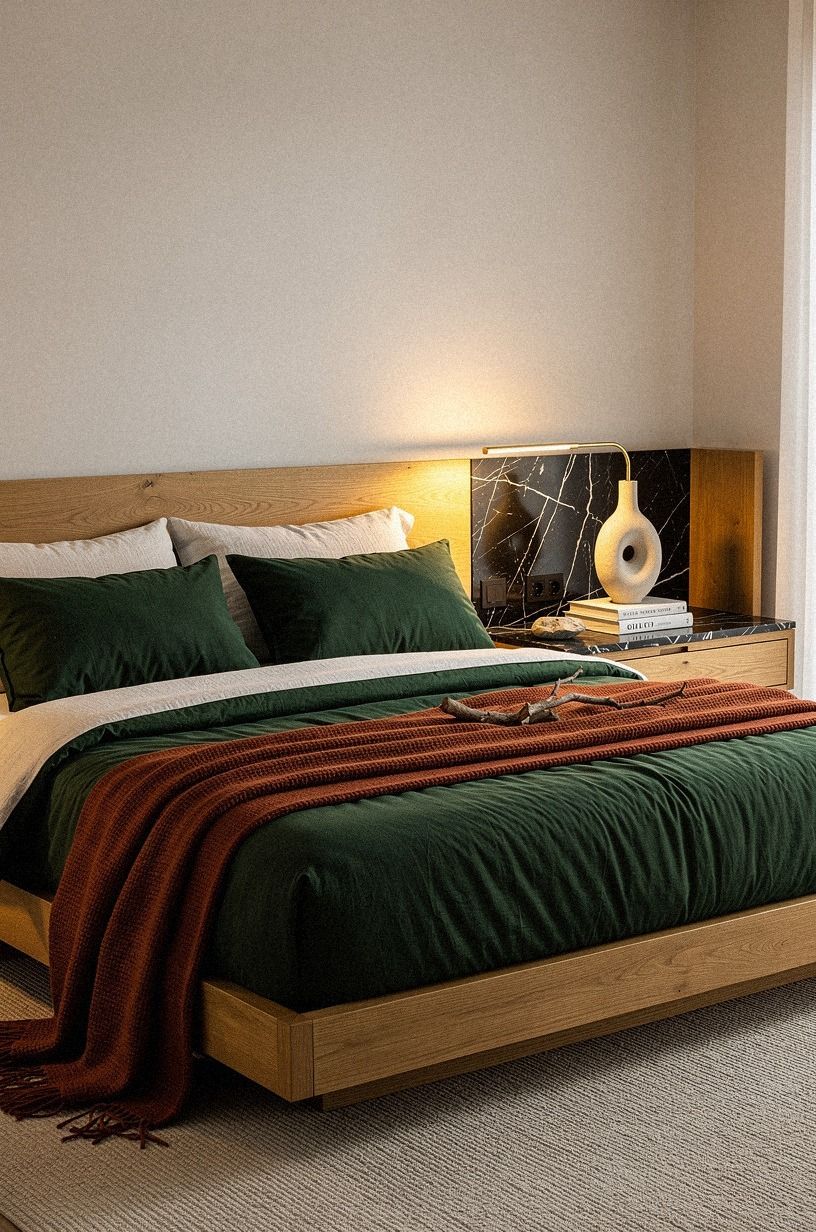
If I had to pick one starting point, I'd choose the bottom bedding layer. It changes how every later texture feels, and your quilt can't rescue a scratchy foundation. I wake up to cotton, a folded quilt, and one terracotta dish catching the first light on the nightstand.
{ "meta_title": "Autumn Bed Layering With Natural Fibers: My 2026 Reset",