
 by
by A $1,500 bedroom with thrifted furniture and new organic bedding was the only version of a bedroom makeover I could live with. My old room had a wobbly dresser, a mattress that made every 3 a.m. wake-up feel louder, and sheets that never felt quite right against my skin.
I wanted the room to look settled, not staged. Warm wood.
Soft bedding. Enough money left for groceries.
So I kept the furniture imperfect and put the fresh part of the budget where my body touched the room every night.
Here’s what it looked like before
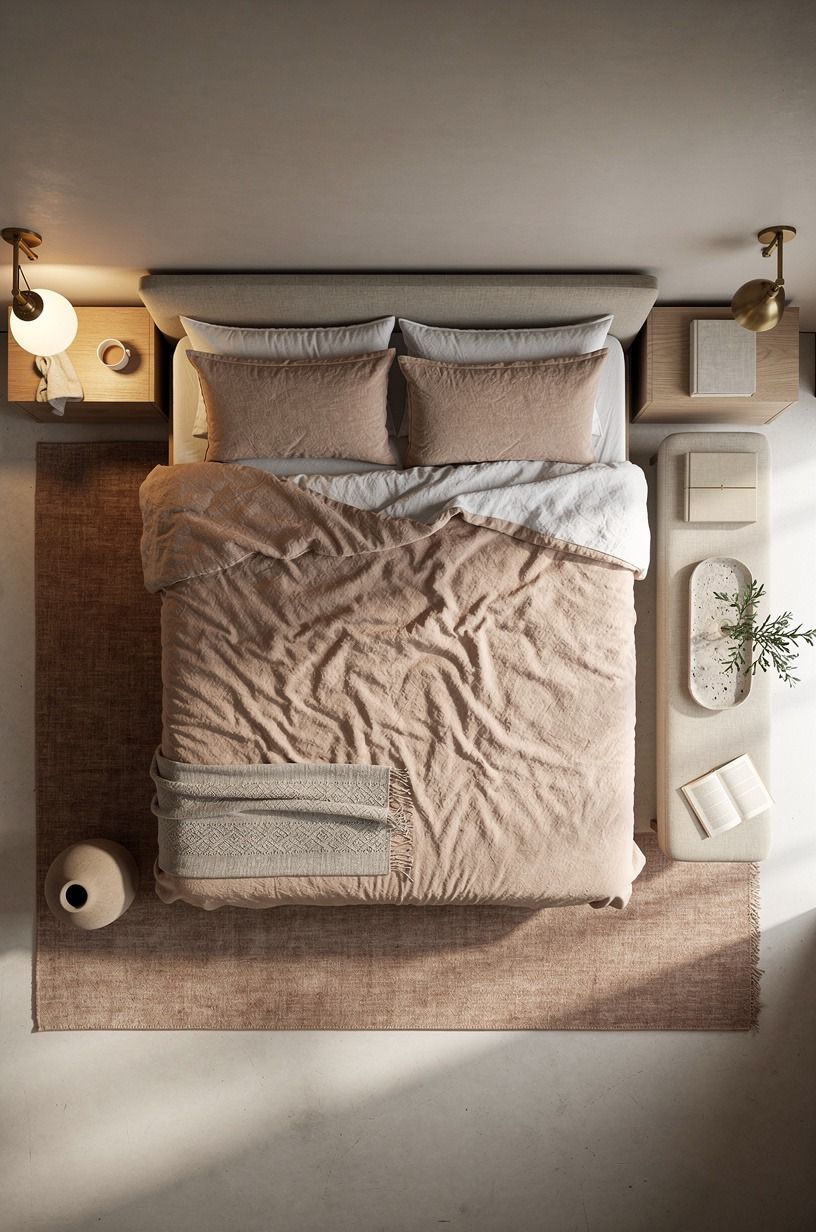
Before, it was a strange mix of hand-me-downs and things I’d bought because they were cheap, not because I liked them. The dresser leaned slightly left.


The nightstand was too low beside the bed, which made my water glass feel one accidental elbow away from disaster. A gray polyester comforter collected static and looked blue under the overhead light.
I’d tried to fix it with candles and extra pillows. Didn’t work. The room still felt temporary, like I’d moved in last Tuesday and hadn’t unpacked the last box.
But I could see one good thing: the bones were usable. The window got a quiet slice of afternoon light, and the old oak dresser had solid drawers under all that scratched varnish.
I didn’t need a brand-new bedroom. I needed to stop buying filler.
The thrift-store decision that made the room feel like mine
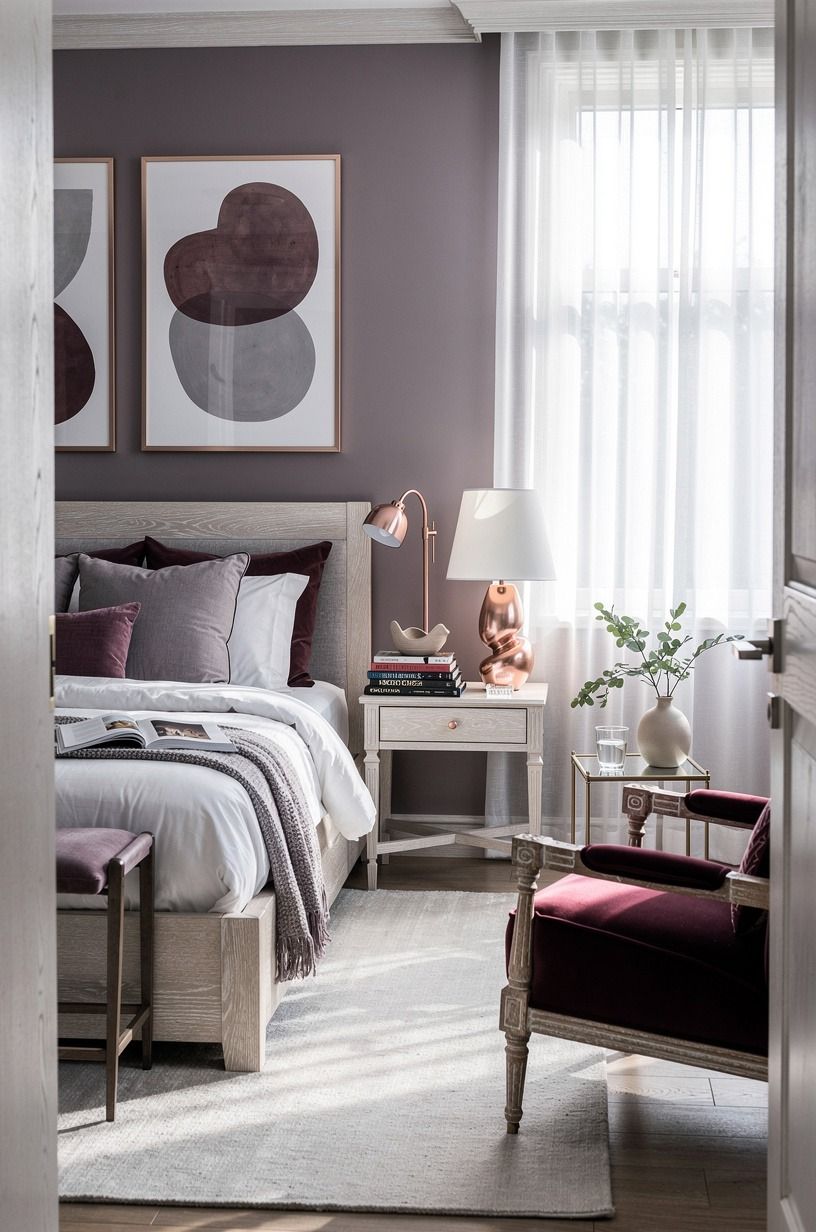
The turning point came when I found a low, solid dresser at a thrift shop, with drawers that slid like they’d been waiting for another chance. I chose it over a shiny new flat-pack option because I wanted weight in the room. I’ve always preferred worn wood to fake wood grain, especially in a bedroom where everything else can get too soft.
I cleaned it, kept the little dents, and changed only the knobs to aged bronze pulls. That was enough.
I didn’t paint it, even though I went back and forth for days. The scratches made the room feel more honest, and I think paint would have turned it into another beige object trying too hard.
And the old dresser became my line in the sand. From then on, every purchase had to earn its place.
No random basket. No “maybe this will help” throw blanket.
If you’re weighing the same split between old furniture and new sleep essentials, my organic bedroom splurge and save notes might save you some circling.
I used the Santorini Bed Frame as the reset point because the old metal frame squeaked every time I rolled over. I wanted a bed that looked simple from across the room, not something with a giant headboard competing with the window.
My opinion? Small bedrooms don’t need more visual bulk. They need one sturdy shape that lets the softer things do the talking.
The frame also helped me fix the proportions around a queen bed, which is 60x80 inches. I kept the nightstands close to mattress height, roughly in that 24 to 28 inch range, because a tiny low table beside a taller bed looks unfinished fast.
Boring measurement. Huge difference.
But I didn’t buy matching nightstands. One is an old wooden cabinet, the other a thrifted stool with a slightly chipped edge. I like that mismatch more than I expected.
It feels lived-in, not like a catalog set.
The bedding was where I spent without apologizing
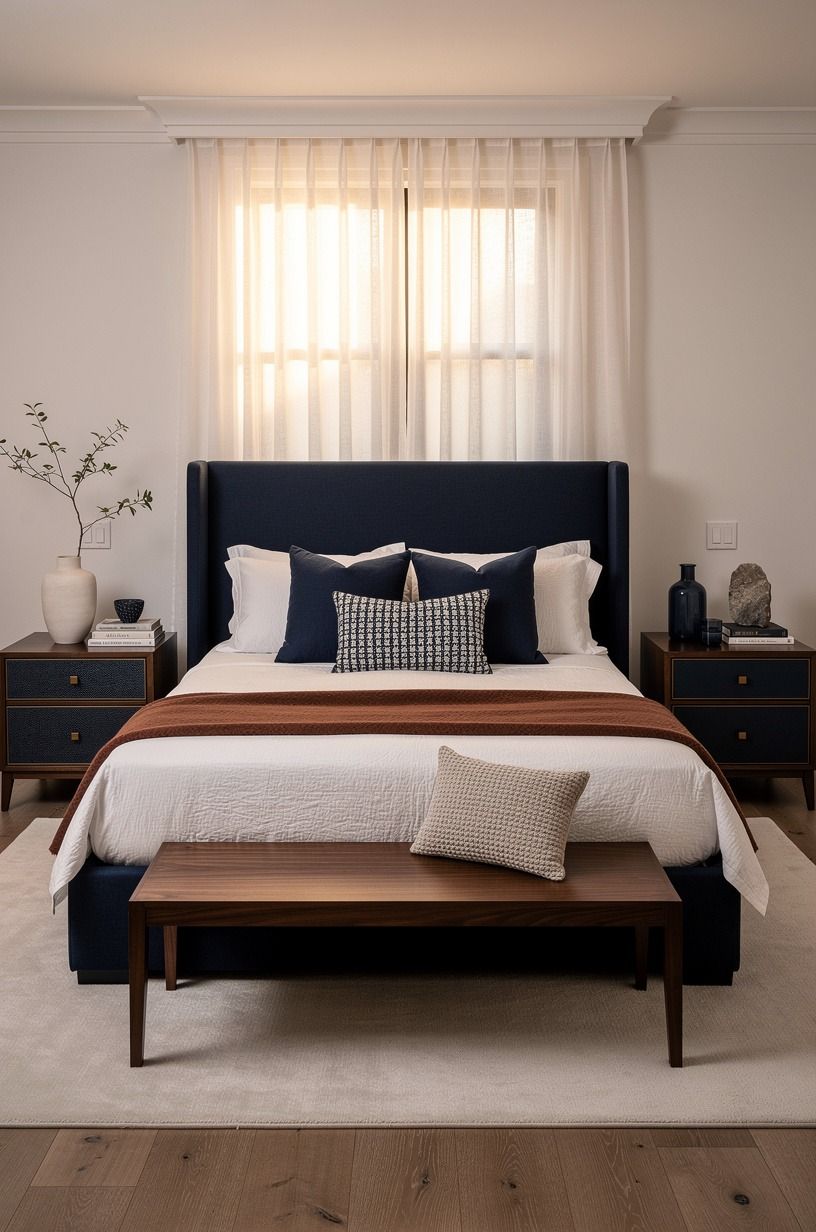
This was the purchase I hesitated over. I’d spent years telling myself bedding was just bedding, then wondered why I never looked forward to getting into bed.
I chose Organic Cotton Sheets because I wanted the part against my skin to feel plain, breathable, and uncomplicated. I’m not saying new sheets solve everyone’s sleep problems. For me, though, changing out the synthetic set made the bed feel calmer, and I stopped waking up annoyed by that slippery, warm fabric bunching around my legs.
And I didn’t chase a dozen colors. I went with soft warm neutrals, then painted the walls Benjamin Moore Pale Oak OC-20.
It’s not dramatic, and that’s exactly why I liked it. The color softened the thrifted wood instead of making every old mark look accidental.
I read plenty before committing, including this organic bedding guide, but I still had to make the call for my own room. I’d spend on the sheets again. Every time.


The Piece My Whole Bedroom Is Built Around
Natural materials, a 365-night home trial, free white glove delivery. Decide in your own room, not a showroom.
I layered the bed slowly, then stopped
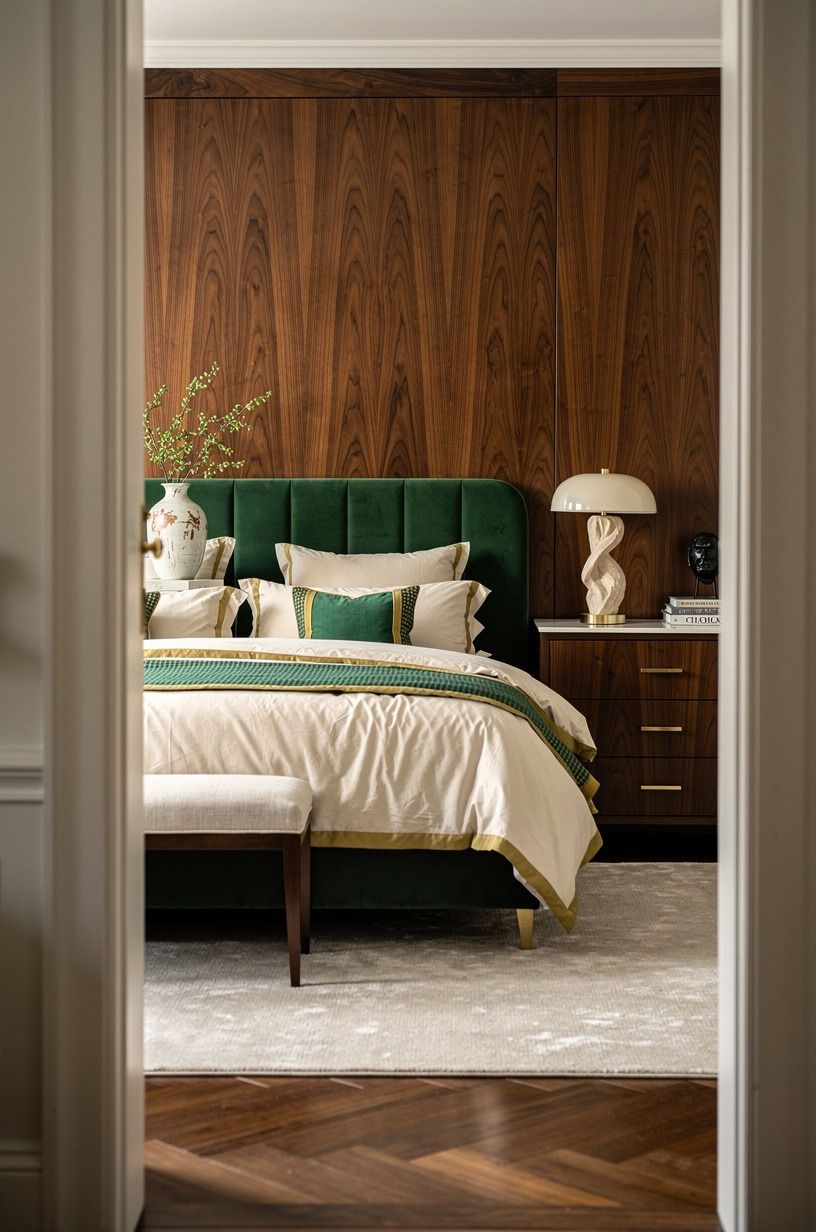
The bed needed depth, but I refused to make it look like a department-store display. I added the Organic Velvet Quilt for a little weight and a muted texture that changes when the window light hits it.
Not flashy. Just enough.
Then came the Organic Quilted Pillow, which I almost returned because I wasn’t sure one more pillow could matter. For two weeks I regretted it. It looked too neat beside my older linen pillows, and I thought I’d made the room precious.
But after I loosened the bed and stopped arranging everything symmetrically, it clicked. I put the quilt at the foot, left the pillow slightly off-center, and let the wrinkled linen stay wrinkled.
Better. The room became softer without becoming fussy.
My rule now is simple: a bed should look inviting at 8 p.m., not like nobody is allowed to sit on it. I’d skip a mountain of decorative pillows. They’re annoying to move, and I don’t think they add much.
The rug and lamp made the thrifted pieces belong together
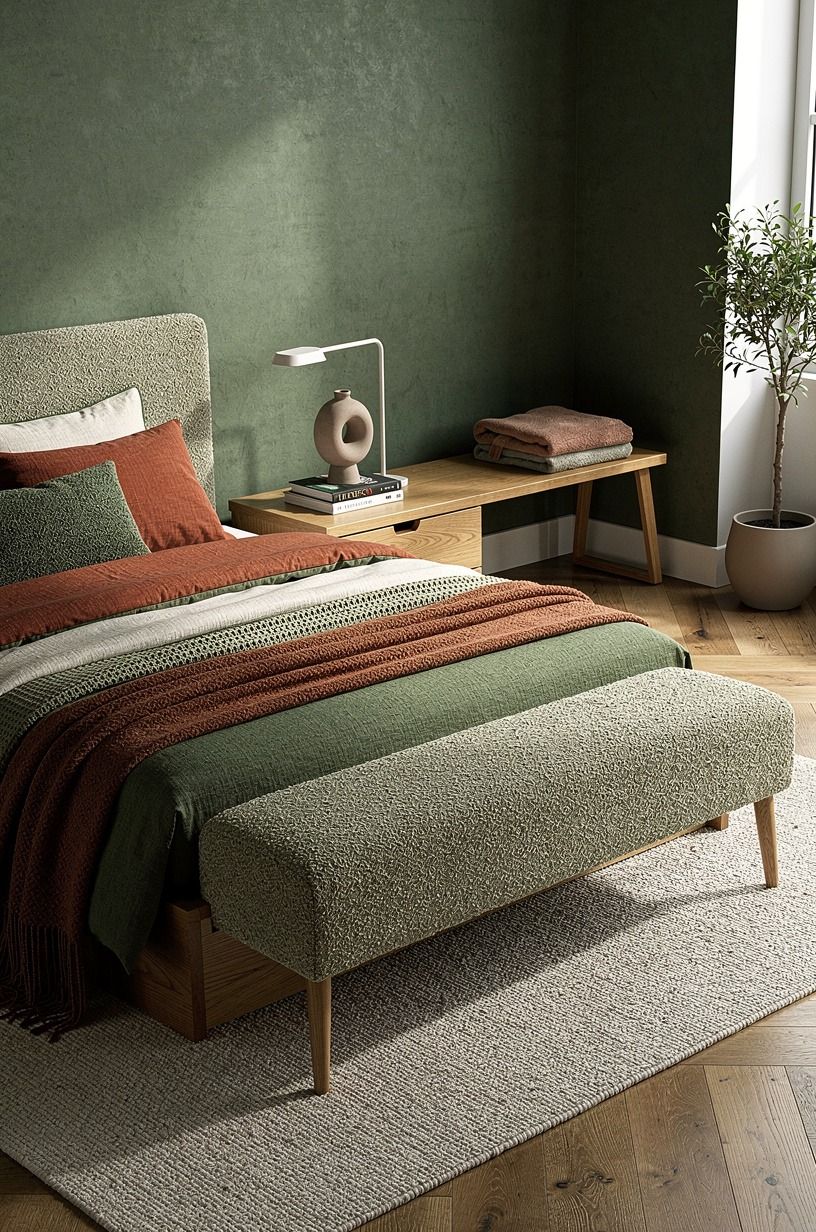
I used a wool rug large enough to extend 18 to 24 inches past the bed on each side. That dimension mattered more than any art purchase. A too-small rug makes furniture float around the room like it doesn’t know each other.
The budget gave me room to focus on three broad places: the thrifted furniture, the new bedding, and those finishing pieces that make a bedroom usable after dark. I didn’t track every little thrift-store receipt to the cent.
That would have made me crazy. But the overall $1,500 limit kept me from turning one peaceful room into a month of impulse shopping.
And I killed the harsh ceiling bulb. A small lamp with a warm shade put amber light on the oak dresser and left the corners gentle instead of gloomy.
I think overhead lighting is fine for folding laundry. For bedtime?
No thanks.
For more ideas on keeping the materials lower-waste without making the room look austere, I liked this zero-waste bedroom refresh.
What I’d buy differently, and what I wouldn’t change
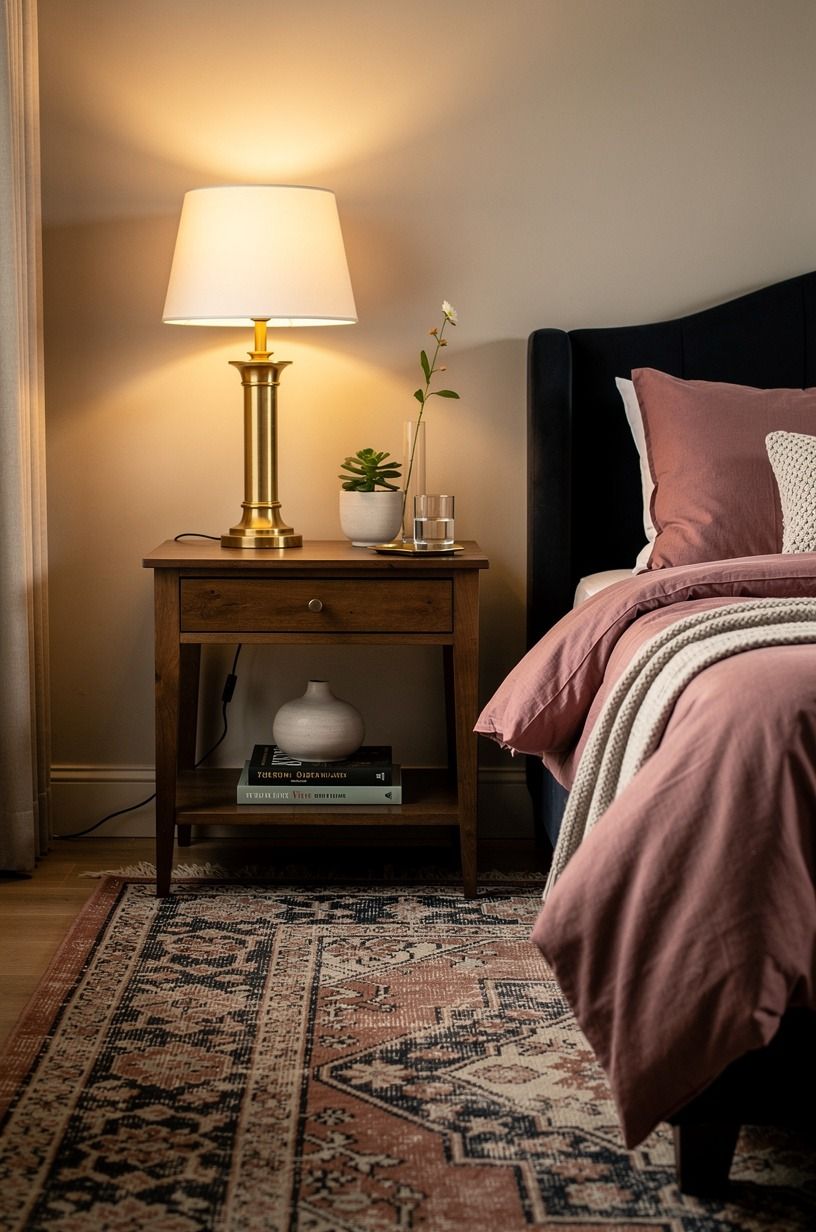
I’d buy the rug sooner. Waiting made me spend weeks trying to make the floor feel finished with smaller accessories, and none of them worked. I also would’ve tested the lamp shade in the room before committing, because the first one cast a yellow light that made the wall color look muddy.
Still, I wouldn’t replace the thrifted furniture with new matching pieces. I’m glad I kept the drawer scratches and the odd stool.
The room needs that little bit of friction. Otherwise, all the new organic bedding could have felt too polished.
And I’d keep the budget boundary. It made me choose. That’s the whole point.
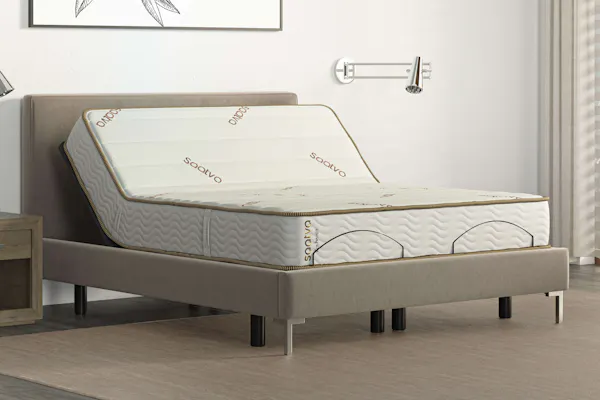 My pick for a healthier bedroomZenhavenTalalay latex, organic cotton, 365-night trial, lifetime warranty, free white glove delivery.See the Zenhaven
Build Your Own Healthier Bedroom
Sale pricing runs on orders over $1,000, and the 365-night trial gives you a full year of nights to be sure.
Where I’d start if I did it again
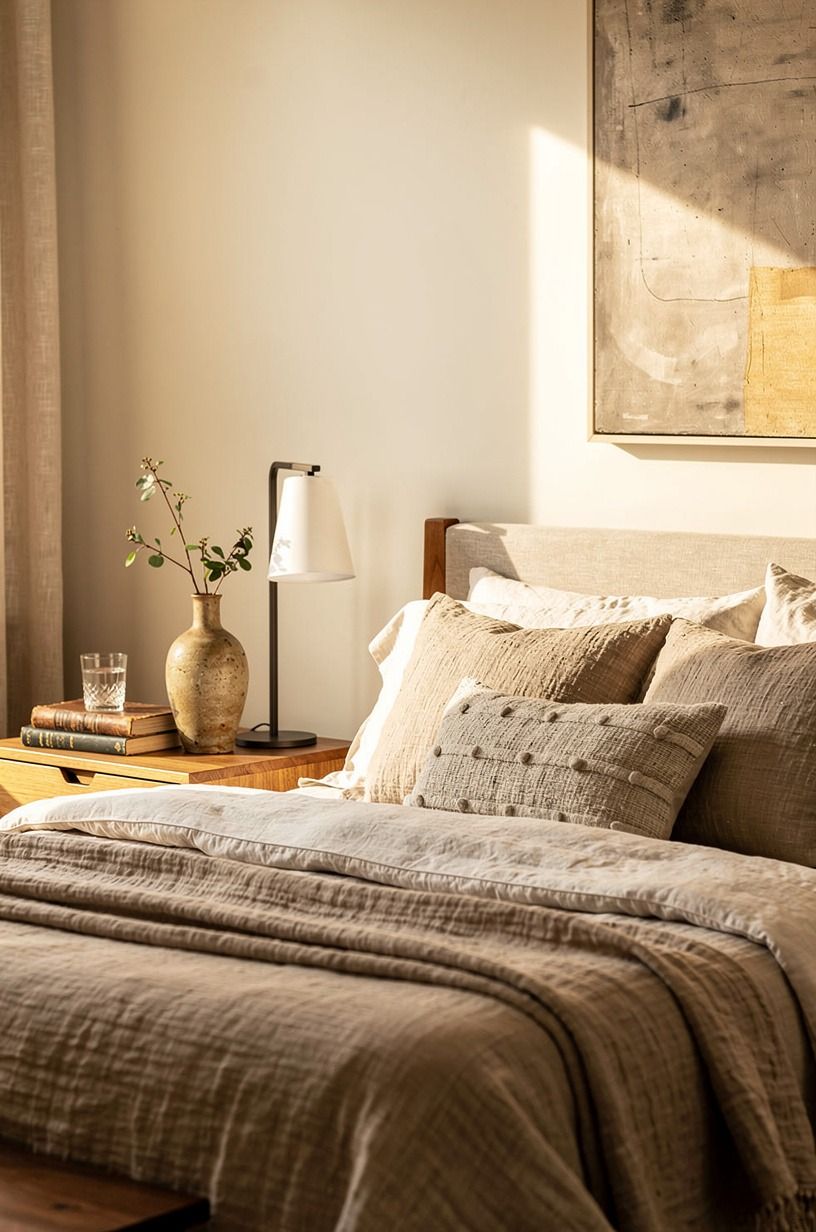
If I had to pick one, I’d start with the bedding. You can’t layer warmth on top of sheets you hate sleeping in, because every pretty object in the room disappears once the lights go out. Pin the bed-first approach for later, then let the thrifted pieces bring the personality.
Tonight, the velvet quilt is folded at the foot of the bed, and the little chipped stool is holding my half-read book.