
 by
by For most modern mattresses, skip the box spring entirely. A solid foundation is the right call for foam, latex, and hybrid beds. An adjustable base adds motorized positioning and real health benefits if your budget allows. Box springs are only appropriate for traditional innerspring mattresses from older generations.
- Works with foundations, adjustable bases, and platform beds
- Dual-coil construction with reinforced lumbar zone support
- Free white-glove delivery, setup, and old-mattress removal
- 365-night trial with a lifetime warranty
- Not a boxed bed, so delivery is scheduled, not instant
- $99 return fee during the trial period
Whichever base you choose, the Saatva Classic is built to work with it. Compatible with foundations, adjustable bases, and platform frames, it offers three firmness options so you can dial in the exact feel you want regardless of your base setup.
You have spent weeks researching mattresses. You have read countless reviews, compared firmness levels, debated between memory foam and innerspring, and finally landed on the perfect mattress for your sleep needs. Then you hit the checkout page and there it is: Do you need a base? Box spring: $150. Foundation: $375. Adjustable base: $1,295.
The confusion is understandable. In this guide we break down exactly what each type of base does, why the distinction matters more than ever with modern mattresses, and which option makes the most sense for your specific situation.
The most important thing to understand upfront: most modern mattresses do not work on box springs. If you buy a memory foam, latex, or hybrid mattress and pair it with a traditional box spring, you could void your warranty, damage your mattress, and create an uncomfortable sleep surface.
What Is a Box Spring?
A box spring is a rectangular bed base containing a frame filled with steel springs or coils, typically covered in fabric. Box springs were the standard companion for innerspring mattresses for decades, particularly before the 1990s.
The original purpose was twofold: the springs absorbed shock and provided additional support for the mattress above, while the elevated height made it easier to get in and out of bed. In the era before high-profile mattresses became standard, that extra height mattered more than it does today.
Memory foam mattresses are designed to contour to your body without excessive movement transfer. When you place a memory foam mattress on a bouncy box spring, you lose that benefit entirely. The springs create their own movement, which travels through the mattress to your sleep partner. Similarly, latex mattresses can shift and wear unevenly when placed on a springy surface.
Pros of Box Springs
- Lower cost, typically ranging from $100 to $300
- Provides extra height for easier entry and exit from bed
- Works adequately with traditional innerspring mattresses
- Widely available at mattress stores and retail locations
Cons of Box Springs
- Springs create bounce and motion transfer, which ruins the performance of foam and hybrid mattresses
- Not compatible with most modern mattress designs
- Springs can wear out and sag over time, creating an uneven sleep surface
- Cannot be used with adjustable bases
- May void warranties on newer mattresses
- No additional ergonomic or health benefits
Many manufacturers now recommend against box springs with any of their mattresses, consistent with industry trends as more brands move to foundation-based support systems.
What Is a Foundation?
A foundation is a solid, flat support system designed to support your mattress evenly across its entire surface. Unlike box springs, foundations do not contain springs. Instead, they are constructed from wooden slats, a solid platform, or a combination of materials that create a stable, non-bouncy surface.
The key advantage of a foundation is its versatility. The best foundation for Saatva mattresses and most modern mattresses provides the firm, even support that contemporary mattress designs require. Memory foam needs a solid surface to prevent sagging between slats. Hybrids perform best when they have uniform support rather than springy interference from below.
Foundations also tend to last longer than box springs because there are no springs to wear out. The structural integrity remains solid for many years of use.
Pros of Foundations
- Provides even, stable support for all mattress types
- No springs means no bounce and minimal motion transfer
- Compatible with memory foam, latex, and hybrid mattresses
- Longer lifespan than box springs without internal components to wear out
- Can be used with platform beds that have slats
- Moderate price point, typically between $150 and $500
- Many foundations are compatible with adjustable bases
Cons of Foundations
- Lower profile than box springs, which may require a higher mattress or taller headboard
- Heavier than box springs, making delivery and setup more difficult
- Solid foundations can trap moisture and reduce airflow to the mattress
- Some lower-quality foundations use particle board that can sag over time
- Does not provide any motorized features or health benefits
- Assembly may be required for some models
What Is an Adjustable Base?
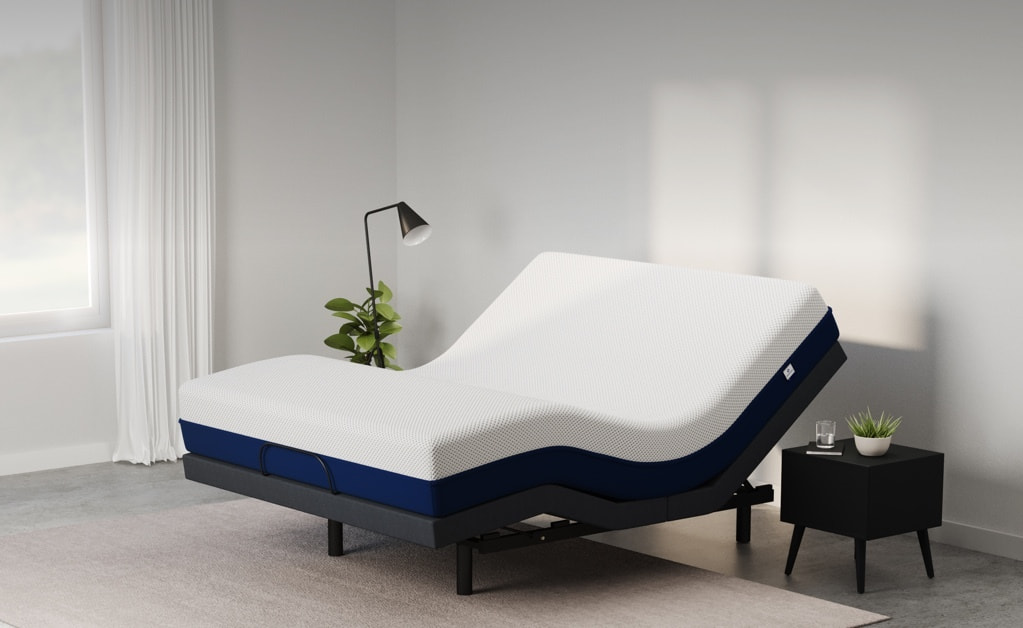
An adjustable base is a motorized bed base that allows you to change the angle and position of your mattress using a remote control. While adjustable bases were originally designed for medical purposes, they have become increasingly popular among mainstream consumers seeking better sleep quality and additional bedroom comfort features. (see our back pain guide)
Modern adjustable bases come loaded with features beyond simple position adjustment. The Saatva Adjustable Base Plus, for example, includes zero-gravity positioning that distributes your body weight evenly across the mattress surface, massage functionality with varying intensity levels, under-bed lighting, and USB charging ports built directly into the frame.
Research has shown that adjustable bases offer genuine health benefits for many sleepers. People with acid reflux find relief by elevating their upper body. Those with edema in their legs can elevate them overnight to reduce swelling. Snorers often benefit from head elevation, which keeps airways more open during sleep.
The main drawback is cost. Adjustable bases typically range from $500 to over $2,000, depending on features and quality. The motorized components can occasionally need repair or replacement, and the bases are heavier, making them harder to move.
Pros of Adjustable Bases
- Motorized positioning allows customization for reading, watching TV, sleeping, and more
- Zero-gravity position distributes weight evenly and reduces pressure points
- Massage features help with relaxation and muscle tension
- Head elevation can reduce snoring and symptoms of acid reflux
- Leg elevation can reduce swelling and improve circulation
- USB ports and convenience features enhance usability
- Many models include wall-hugging design that keeps you close to your nightstand
- May extend the usable life of your mattress by reducing wear patterns
Cons of Adjustable Bases
- High cost, ranging from $500 to $2,000 or more
- Motorized components can fail and may require repairs
- Heavier and more difficult to move than static bases
- Requires assembly and setup of mechanical components
- Noise from motors can be disruptive for light sleepers
- Not all mattresses are compatible with adjustable bases
- Increased energy consumption from always-on standby power
Side-by-Side Comparison
The table below summarizes the key differences between box springs, foundations, and adjustable bases.
| Feature | Box Spring | Foundation | Adjustable Base |
|---|---|---|---|
| Price Range | $100 - $300 | $150 - $500 | $500 - $2,000+ |
| Spring Content | Contains springs | No springs | No springs |
| Motion Transfer | High (bouncy) | Minimal | Minimal (static mode) |
| Mattress Compatibility | Innerspring only | All types | Most types (check manufacturer) |
| Adjustability | None | None | Full motorized adjustment |
| Health Benefits | None | None | Significant (varies by model) |
| Lifespan | 5-10 years (springs wear out) | 10-15+ years | 10-15 years (motor may need service) |
| Weight Capacity | Varies (often limited) | High (solid construction) | High (often 650+ lbs) |
| Maintenance | Low (but springs may need replacement) | Very low | Moderate (motor maintenance) |
| Best For | Traditional innerspring mattresses | Modern foam, latex, and hybrid mattresses | Those seeking comfort customization and health benefits |
Which One Do You Need?
The answer depends heavily on the type of mattress you are purchasing.
Memory Foam Mattresses
If you are buying a memory foam mattress, you need either a foundation or an adjustable base. Memory foam conforms closely to your body, and it needs a solid, even surface to perform correctly. If you place memory foam on a box spring, the mattress will sag between the springs, creating uncomfortable valleys and reducing the lifespan of your mattress significantly.
You should not use a box spring with memory foam because the material is designed to contour precisely to your body. Springs underneath create pressure points that defeat the purpose of memory foam entirely.
Hybrid Mattresses
Hybrid mattresses combine foam layers with innerspring coils. While they are more forgiving than all-foam mattresses in terms of base selection, they still perform best on foundations rather than box springs. The coil system inside a hybrid mattress is designed to work in conjunction with uniform support from below.
Hybrid mattresses are often compatible with adjustable bases, and many manufacturers specifically design their hybrids to work well in adjustable configurations. Check the manufacturer's recommendations before pairing a hybrid with an adjustable base.
Latex Mattresses
Natural latex mattresses require solid, even support just like memory foam. The elasticity of latex means it responds quickly to pressure, and any unevenness from a box spring will translate directly into uncomfortable sleep surface variations.
Foundations are the clear choice for latex mattresses. Many latex mattress owners also report preferring the lower profile of foundations, as latex mattresses tend to be thicker than average.
Traditional Innerspring Mattresses
Here is the one case where box springs are still a reasonable option. If you are buying a traditional innerspring mattress with coils designed to work with a box spring, then the box spring may be appropriate. However, this combination is becoming increasingly rare.
Most modern mattresses, including Saatva's innerspring mattresses, are designed to work with foundations rather than box springs.
Platform Beds
Platform beds have slatted frames that provide direct support for your mattress. If you have a platform bed, you may not need a separate foundation at all. However, check the spacing of your platform slats. Most mattress manufacturers recommend slat spacing of 3 inches or less to provide adequate support and prevent premature sagging.
Our Top Picks
Best Foundation: Saatva Foundation
Price: From $375
The Saatva Foundation is what we recommend to anyone purchasing a mattress from Saatva or any other manufacturer that requires solid support. This foundation is constructed from solid wood, not particle board, which means it will not sag or lose structural integrity over time.
The slatted construction allows for excellent airflow beneath your mattress, which helps with temperature regulation. The foundation also features a center support bar that prevents sagging in the middle, essential for larger mattress sizes. At approximately 9 inches tall, it provides enough elevation for easy bed entry without creating an excessively tall sleeping surface.
Best Adjustable Base: Saatva Adjustable Base Plus
Price: From $1,295
The Saatva Adjustable Base Plus is the premium choice for anyone who wants to maximize their sleep comfort and potential health benefits. The zero-gravity positioning distributes your body weight evenly across the mattress surface, relieving pressure from every major joint.
Other notable features include under-bed lighting, USB charging ports on both sides, a wireless remote, and a wall-hugging design that keeps you close to your nightstand as you raise the head of the bed. The Adjustable Base Plus comes with a 25-year warranty, which provides excellent peace of mind for an investment of this size.
If you suffer from back pain, acid reflux, snoring, or circulation issues, the Adjustable Base Plus could genuinely improve your quality of life.
Our Verdict
Skip the box spring entirely. The technology is outdated, compatibility with modern mattresses is poor, and the cost savings do not justify the performance drawbacks.
For most people, a solid foundation at the $150 to $500 price point is the ideal choice. It provides excellent support for any mattress type, lasts for over a decade with proper care, and represents a reasonable investment in your sleep quality.
If your budget allows and you want to maximize comfort and potential health benefits, an adjustable base in the $500 to $2,000 range is worth considering. The zero-gravity positioning, massage features, and convenience additions create a sleep experience that static bases simply cannot match.
The key takeaway: your mattress is only as good as the base beneath it. A $3,000 mattress on a box spring will perform worse than a $1,000 mattress on a quality foundation or adjustable base. When you are investing in better sleep, do not neglect the foundation that supports your entire system.
For modern foam, hybrid, or latex mattresses, use a solid foundation (from ~$175) or an adjustable base (from ~$500). Box springs are suitable only for traditional innerspring mattresses and are incompatible with most mattress warranties sold today. Our top foundation pick is the Saatva Foundation (from $375); our top adjustable base is the Saatva Adjustable Base Plus (from $1,295).
Frequently Asked Questions
Can I put any mattress on a box spring?
Technically, you can place any mattress on a box spring, but that does not mean it will perform correctly. Only traditional innerspring mattresses were designed to work with box springs. Memory foam, latex, and hybrid mattresses will not perform as intended on box springs and may develop premature wear or damage. Many mattress manufacturers will void your warranty if you use an incompatible base. Always check your mattress warranty requirements before choosing a base.
How tall should my foundation or base be?
The ideal height depends on your personal preferences and mobility needs. Most people prefer a bed height between 20 and 24 inches from the floor to the top of the mattress, which allows you to sit on the edge of the bed with your feet flat on the floor. If you have a very tall mattress already, a lower-profile foundation can prevent your bed from becoming uncomfortably high.
Do adjustable bases make noise when they operate?
Quality adjustable bases are designed to operate quietly with smooth adjustment and minimal noise. However, all adjustable bases will produce some sound during operation. The noise level varies by model and manufacturer. If you are sensitive to sound, look for bases that advertise quiet motors and read reviews specifically mentioning noise levels.
Can I use an adjustable base with any mattress?
Not all mattresses are compatible with adjustable bases. Foam mattresses and hybrids must be specifically designed for use with adjustable bases because they need to flex without cracking or separating. Always check your mattress warranty and manufacturer guidelines before using an adjustable base.
How long do foundations and adjustable bases last?
A quality foundation can last 15 years or more with proper use. Because foundations have no moving parts, their lifespan is primarily determined by the quality of the wood and construction. Adjustable bases typically last 10 to 15 years, but the motorized components may need service or replacement during that time. Box springs have the shortest lifespan, typically needing replacement after 5 to 10 years as the internal springs wear out.
Will a foundation work with my existing platform bed?
Platform beds with solid surfaces do not need an additional foundation. Platform beds with slats may require a foundation if the slat spacing exceeds 3 inches. Before purchasing a foundation, measure your platform bed and compare it against the foundation dimensions to ensure a proper fit.
Are adjustable bases worth the extra cost?
For people with health conditions like acid reflux, snoring, edema, or back pain, the health benefits of head and leg elevation can be significant and may justify the cost alone. For people without specific health concerns, the additional comfort options like zero-gravity positioning, massage, and reading preset positions add convenience and luxury. If budget is a concern, a solid foundation provides excellent value and will dramatically improve your mattress performance compared to a box spring.
Related guides on MattressNut
- Tempur-Pedic Foundation vs Box Spring: Which Is Best?
- Foundation vs Box Spring vs Platform: Which Base Is Right for You?
- Box Spring Guide 2026: Do You Still Need One?
- Best Box Spring: Shopper Guide
- Best Adjustable Base Reviews 2026
- Adjustable Base Guide: Benefits, Compatibility, Features, and Top Picks
More frame and foundation guides
- Best Mattress Without Box Spring
- Box Spring With Hybrid Mattress
- Best Mattress Foundation
- Mattress Foundation Guide
- Best Foundation for Hybrid Mattress
- How Long Does A Box Spring Last
- Box Spring vs Slats
- How To Fix A Squeaky Box Spring
- Low Profile Mattress Foundation 2026
- Mattress Foundation vs Box
- Bunkie Board Box Spring Replacement
- Best Box Spring