

 by
by Our #1 Recommended Mattress
Saatva Classic. From $1,095
365-night trial · Lifetime warranty · Free white-glove delivery
Air mattresses are versatile, convenient, and portable. They come in handy whether you have a visitor, or are going on a vacation or camping excursion. However, one of their primary disadvantages is that they are prone to leaks around the valve or in the fabric, leaving you flat on the floor by the morning. So, if you're wondering "Is there an air bed guaranteed not to leak?", we'll help you satisfy your curiosity.
There are no air beds guaranteed not to leak. To minimize the probability of a leak, purchase a leak-resistant air mattress made of heavy-duty materials that has an internal "never flat" pump and a warranty.
If the air mattress is leaking because of a worn or defective air valve, it is easy to fix. Read our guide to air bed valve replacement for step-by-step instructions.
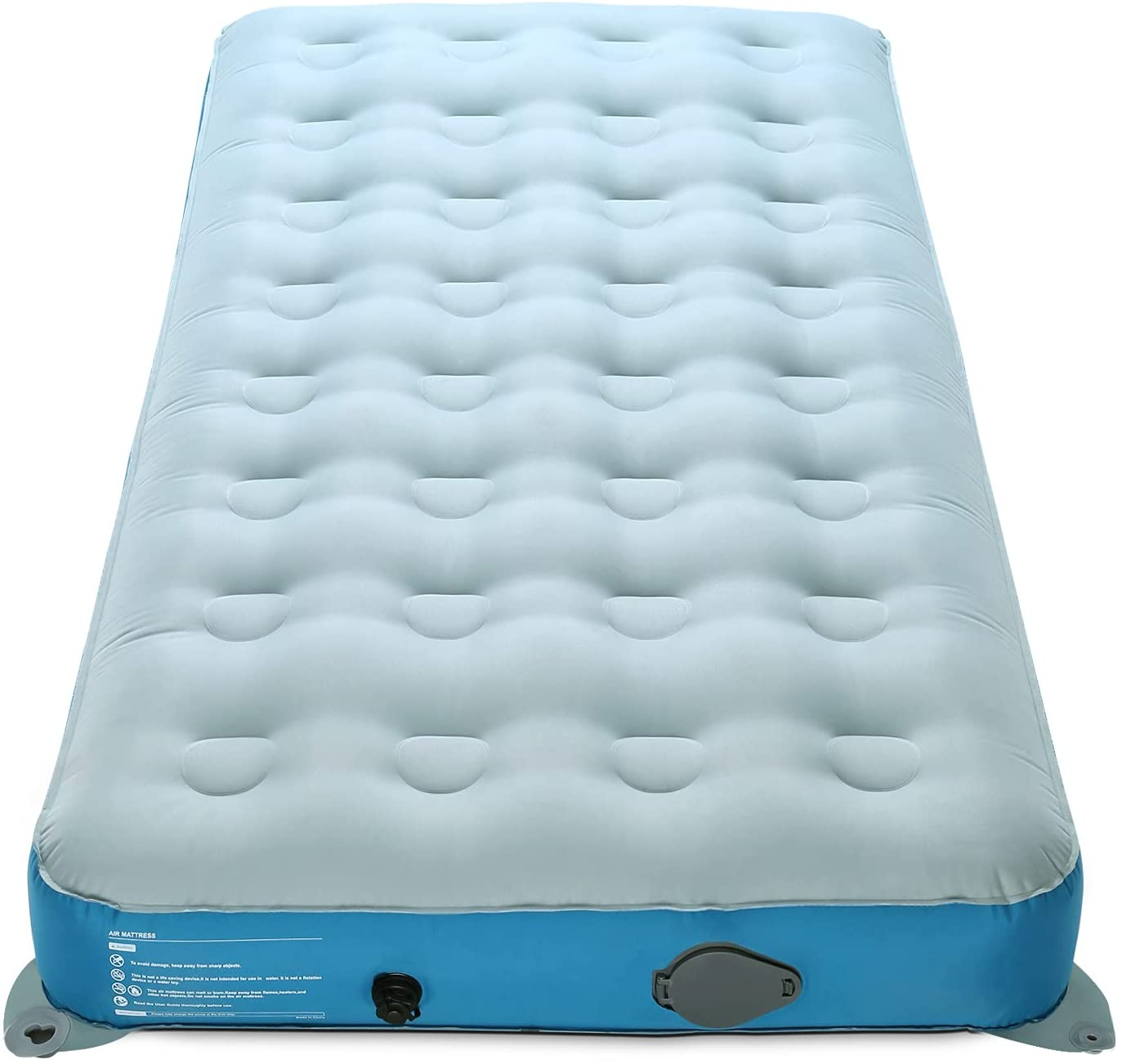 This air mattress with a built-in pump is made of heavy-duty materials that prevent punctures and tears, with a dual-passive-locking valve that prevents gradual air loss. Image Source: Amazon.
What Causes An Air Bed To Leak?
Most air mattresses are designed and constructed in such a way that they can be used for just about any purpose and in any environment. For this reason, air beds are made out of specific materials.
Reasons that an air bed may leak include punctures, the materials used, and the age of the mattress. To avoid punctures use a foam mattress or improve the air bed off the ground. Additionally, ensure that the air bed is made of durable materials with a built-in automatic pump to regulate the air bed's inflation level during the night.
Most air beds are made of PVC (polyvinyl chloride). PVC is an excellent material to use in inflatable products because of its ability to reduce gas permeability, as is explained in this article about the transport of water and gases through EVA/PVC, from the Journal of Polymer Testing. However, as the air pressure inside the air mattress decreases during the night, the previously fully inflated PVC material starts to sag. So you will need to adjust the inflation level regularly to maintain the firmness you desire. Read our article for tips to fix an air bed that keeps losing air or deflates overnight.
Punctures
A puncture is the most obvious cause of an air mattress losing air. Children may find inflatable air mattresses irresistible, and when they bounce up and down on the bouncy mattress, they might cause leaks or rips around the seams.
Also, because of their claws, some animals, particularly cats, can penetrate the air mattress simply by walking on it.
Also, air beds are more prone to tear when exposed to a harsh external environment. They may quickly develop little holes when used on a campsite with prickly grass, branches, and tiny stones. If you are using an air mattress for camping then consider placing a foam sleeping mat underneath your air bed.
Materials
Most air mattresses like this one, have one surface covered by flocking, with the sidewalls and bottom being made of thin polyvinyl chloride (PVC).
Some higher-end airbeds are made of rubber, rubber composites, or thermoplastic polyurethane (TPU). Rubber air beds are often more durable, although this varies by type, and the longevity of an airbed is determined by how you use it. The stretching of the bed's components during the folding and storing process increases the chances of tears developing over time.
Age Of The Mattress
The lifespan of an air mattress depends on its quality and how frequently it is used. When used occasionally for camping, guests, or temporarily, a decent quality air mattress may last anywhere from 5 to 10 years. However, if you use it regularly, then the lifespan may be shorter.
The best way to minimize any chances of damage and deflation is to look after your air mattress properly. Keep your air mattress clear of sharp objects that could puncture it, then carefully fold it and store it in a storage bag like this one for protection.
Incorrect usage and improper folding can cause holes, leading to increased leakage over time. Air bed manufacturers recommend replacing an air mattress every 8 years. If you plan on using an air bed more often then you should read our article for air bed long-term use tips and tricks.
There's something to be said for the old saying, "you get what you pay for." Make sure to also take a look at our complete guide to air bed costs for more detailed information. Also, if you find that you need to return an air mattress, be sure to read our step-by-step guide on how to return an air bed for some helpful information.
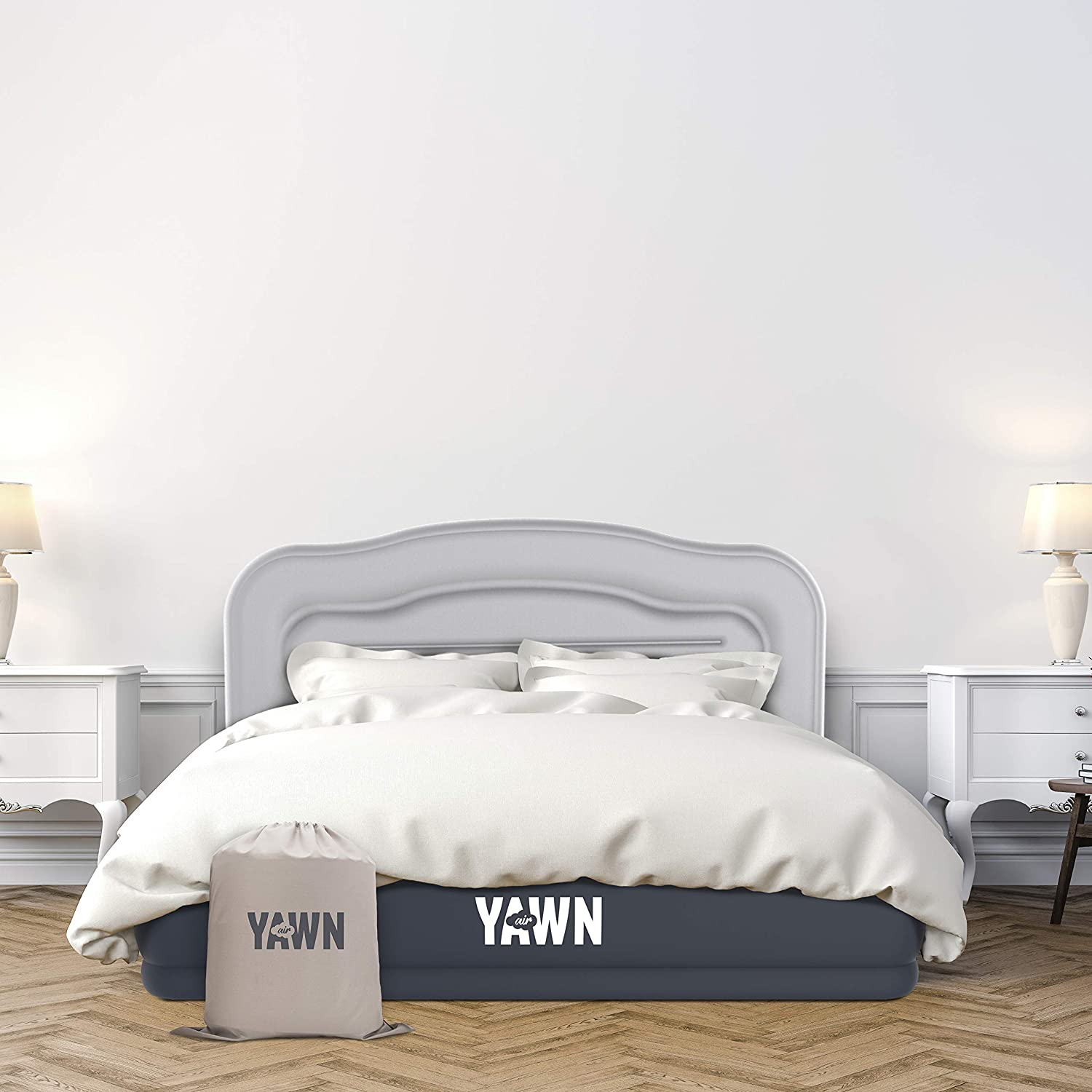 An air bed can be used long-term if it is regularly checked for wear and tear. Image Source: Amazon.
Is There A Puncture-Proof Air Mattress?
Almost all air mattresses are made from materials that are susceptible to leaks and damage from sharp objects, punctures, and ruptures. Luckily, many brands offer air mattresses made of heavy-duty materials. These mattresses are usually used in rough outdoor environments for their high puncture-proof nature.
There is no puncture-proof air mattress but high-quality air beds are more resistant to punctures. Puncture-resistant air mattresses are designed with eco-friendly and puncture-resistant PVC, a flocked top, and a sturdy coil beam construction so that the bed remains inflated.
To avoid puncturing or rupturing your air mattress, always adhere to the mattress weight capacity as displayed in the user instructions. Read our guide on air bed weight limits for more information about the maximum weight that air beds can safely support. Good options for puncture-resistant air mattresses include SoundAsleep Dream Series mattresses, EnerPlex Air Mattresses, and Englander Air Mattresses.
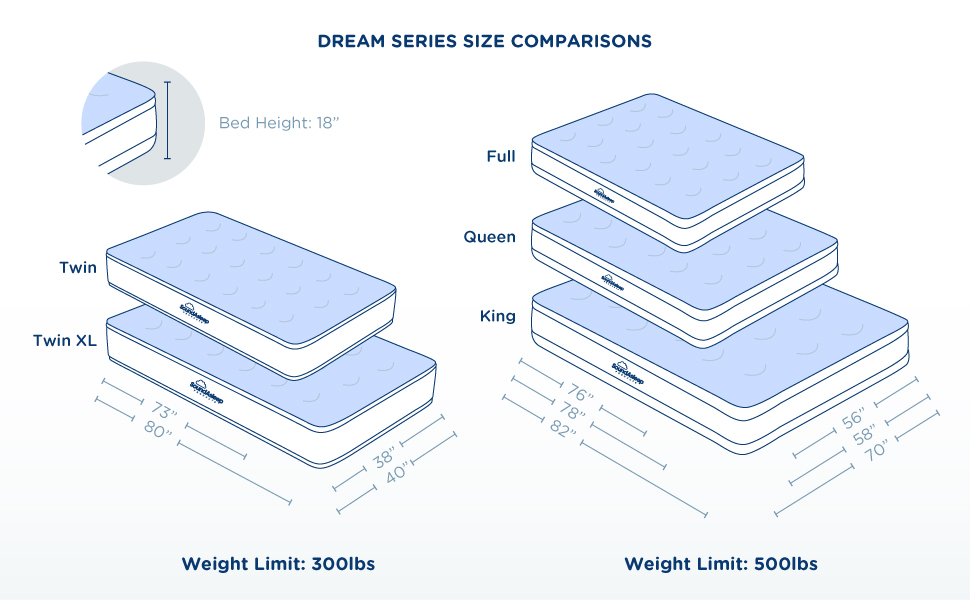 The SoundAsleep Dream Series range of air beds offer different weight limits. Make sure to adhere to the weight limit if you want to avoid leaks and punctures. Image Source: Amazon.
You might also find interest in learning what air beds are used in hospitals too. Make sure to read our related article to find out!
Is There a No-Leak Camping Air Mattress?
Camping air mattresses are used on uneven terrain so they need to be durable or elevated off the round. Read our article on how to lift an air bed for camping for tips to get your air bed off the ground and prevent punctures. Camping air mattresses normally deflate during the night from body weight, heat, and even pinhole leaks. Luckily, there are various air mattresses that are specifically made for camping.
No-leak camping air mattresses have a two-pump system to provide fast and easy inflation with simultaneous maintenance of the inflation level. To use this mattress, set a desired firmness level and internal sensors will monitor pressure and re-inflate to match the firmness throughout the night.
Air beds with built-in self-regulating pumps are easy to keep inflated when camping because the pump is constantly inflating the mattress. Some leak-proof camping air mattresses from Amazon include the Valwix Camping Air Mattress and the Insta-Bed with Never Flat Pump. Read our step-by-step guide on how to inflate an air bed.
Our Top Mattress Pick
| Saatva Classic | $1,395+ | Shop |
| Saatva Contour5 | $1,595+ | Shop |
| Saatva Zenhaven | $1,895+ | Shop |
How to Choose an Air Mattress That Doesn't Deflate Quickly
Air beds are popular because they allow the user to customize the bed to their preferred firmness. So choosing an air mattress that maintains that firmness throughout the night will ensure that you get the best sleep with minimal fuss.
Air beds deflate during the night due to a drop in temperature and pressure. Choose an air bed that is well constructed, is made of heavy-duty materials with an automatic "never flat" pump, and make sure the air mattress has a warranty. Finally, keep the air mattress correctly inflated, as stipulated in the owner's manual.
Tip 1. Buy an Air Mattress with a Reinforced Beam Construction
An air mattress with internal coil technology is made up of several tiny air chambers that are meant to mimic the coils in a traditional mattress. A reinforced coil beam construction will give the air mattress stability and a strong structure, which makes it less likely for the mattress to sag under the weight of a sleeper. This is particularly important in double-high air mattresses like this one,
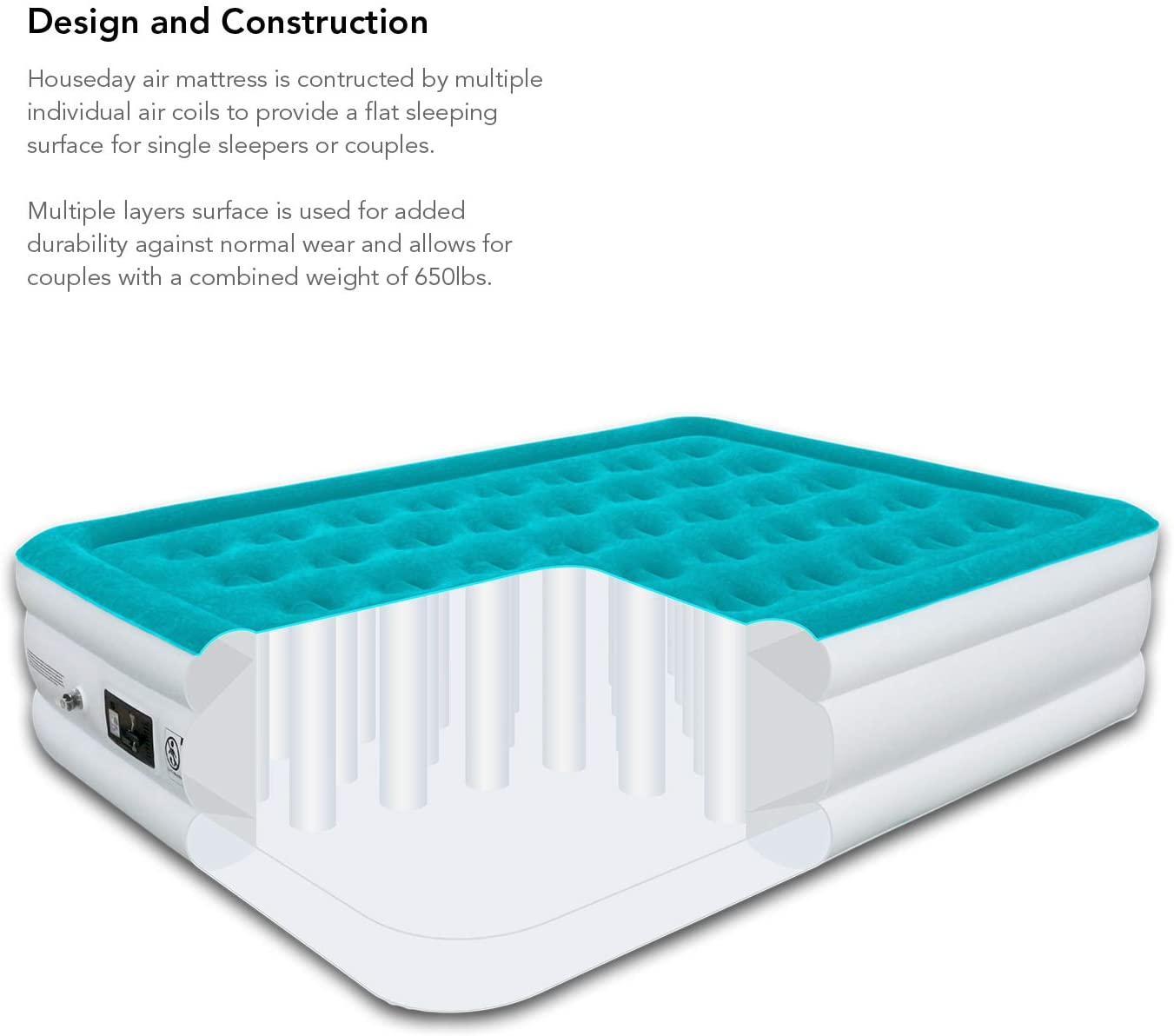 The individual air chambers in an air mattress ensure the mattress stays stable and firm during the night. Image Source: Amazon.
Tip 2. Choose Heavy-Duty Materials Like TPU
Look for durable materials like PVC and supportive interior fibers, soft fabric layers on top, and construction components like internal air coil chambers that help with weight distribution. If you need an air mattress that supports heavier weights then read our article about how to choose an air bed that holds 400 pounds or more
.
Some higher-end airbeds use rubber, rubber composites, or thermoplastic polyurethane, which is better known as TPU. Rubber air mattresses are often more durable, but the durability can vary from model to model, and the lifespan of an airbed depends on how you use it.
Some mattresses are even capable of supporting heavier weights without deflating at night like this heavy-duty air bed.
Tip 3. Try The Insta-Bed Air Mattress with Automatic Pump
Only a few air mattresses feature neverFlat technology - a two-pump system that maintains constant air pressure throughout the night. We think that the technology from Insta-Bed is great for the combination of leak-proof construction and personalized comfort settings. Choose your preferred degree of comfort (plush, medium, or firm), and let the primary pump inflate the bed. Once inflated, sensors continuously monitor the internal air pressure of the air bed, allowing the secondary pump to discreetly maintain the desired firmness and comfort level throughout the night.
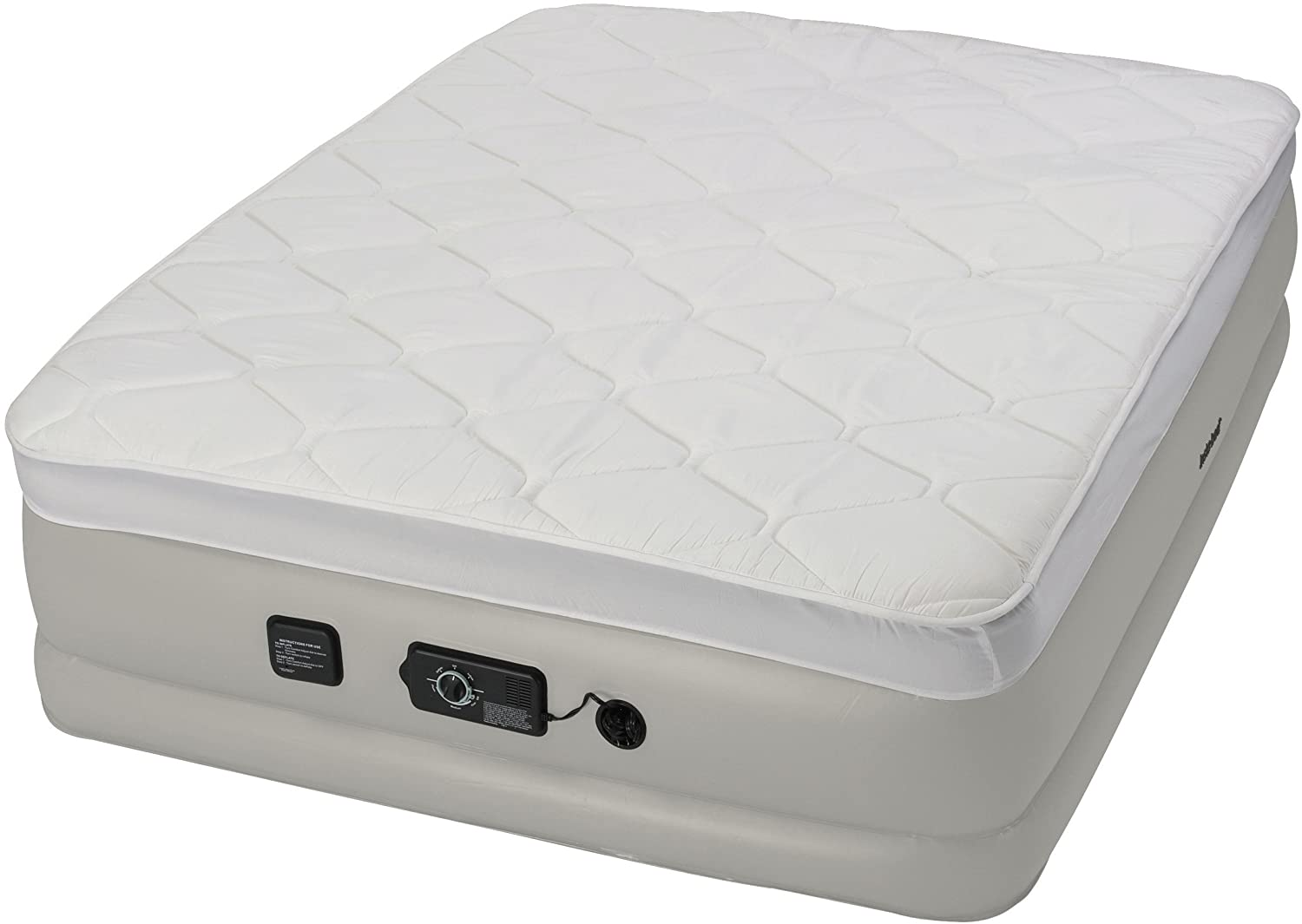 This Insta-bed has an inflation system that works constantly to maintain the firmness of the bed. Source: Amazon.
Tip 4. Shop For an Air Mattress With a Warranty
For your peace of mind, choose an air mattress with an extended warranty period. Read the fine print to learn about the warranty terms and conditions, such as the period of coverage and what might void the warranty. This warranty information from Serta Airbed, is typical of what you will get with an air bed warranty.
Tip 5. Choose the Right Firmness Level
Take care not to over-inflate an air mattress because this could damage the seams and cause ruptures. However, under-inflating an air mattress will lead to sagging which could cause backache and disturbed sleep. You should inflate your air bed to a level that comfortably supports your body weight. Read our article on common air bed dangers and how to fix them, to ensure that you use your air bed safely and correctly.
You might also be wondering how much all of this is going to cost you. Check out our air bed price guide for more information as you make your purchasing decisions.
Summary of how to Choose an Air Mattress that Doesn't Deflate Quickly
| Factor to Consider | Example Product | Price |
| Coil beam construction to maintain firmness and stability | Bedsure Queen Air Mattress | ~$130 |
| Heavy-duty materials to help maintain the inflation level | Coleman Premium Double High SupportRest Airbed | ~$155 |
| Insta-Bed with built-in "Never-Flat" Pump has dual pumps to prevent deflating | Insta-Bed Raised Air Mattress with Never Flat Pump | ~$130 |
| 18-Month warranty for product defects | Dido Air Mattress | ~$120 |
| Multiple inflation settings to customize firmness levels | Lazery Sleep Air Mattress Airbed | ~$120 |
Air Bed Leak: Essential Guide
Air mattresses serve important roles as temporary sleep solutions. Understanding their capabilities and limitations helps you make the right choice for your situation.
Key Considerations
- Weight capacity: Check the weight limit for your specific model (typically 300–600 lbs)
- Intended use: Occasional guest use (most air mattresses) vs daily sleeping (few can handle this)
- Pump type: Built-in electric pumps are most convenient; manual pumps work without electricity
- Height: Raised air mattresses (18–22 inches) are easier to get in and out of than low-profile models
Air Mattress Lifespan
Most air mattresses last 2–5 years with occasional use. Daily use reduces lifespan to 6–12 months due to valve wear, seam stress, and surface delamination. If you need a daily sleeping surface, invest in a proper mattress.
Related: air bed guide | durable options.
For daily sleeping, the Saatva Classic provides proper support at ~$55/month with Affirm. 365-night trial.
Time for an Upgrade?
If your current mattress is giving you problems, consider the Saatva Classic, our top-rated mattress with free white-glove delivery and old mattress removal.
Free delivery • 365-night trial • Lifetime warranty