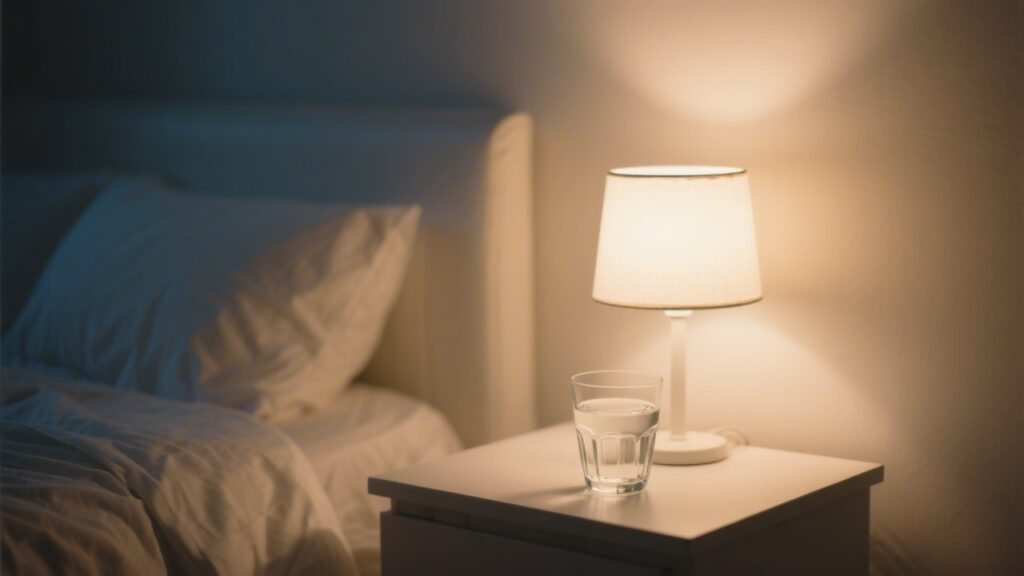
Hydration and Sleep: How Much Water to Drink (and When to Stop)
Hydration is one of the more overlooked variables in sleep quality. Both extremes — dehydration and excessive fluid intake close to bed — have documented ...

 Romain R
Hydration is one of the more overlooked variables in sleep quality. Both extremes — dehydration and excessive fluid intake close to bed — have documented ...
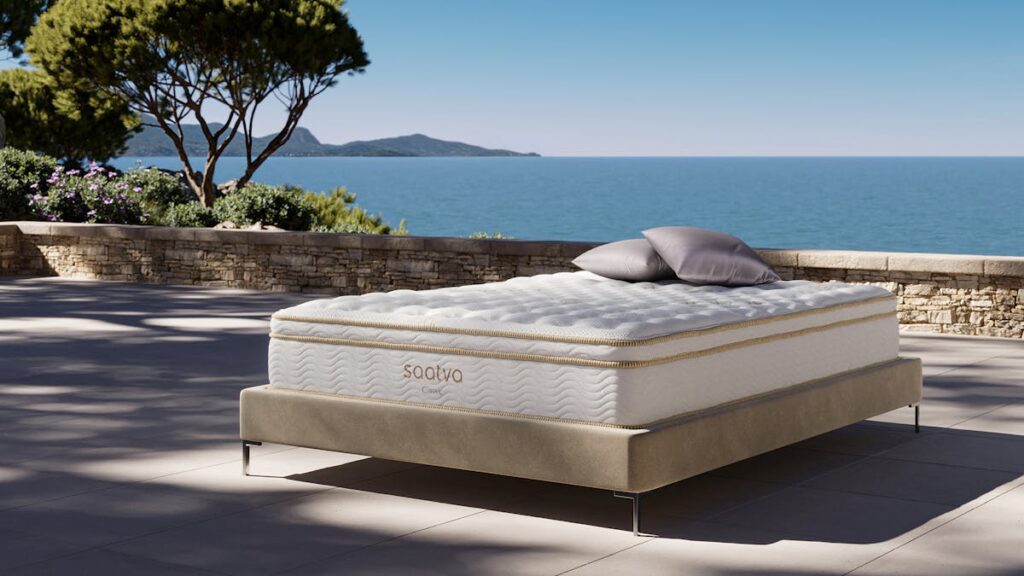
Quick answer The best mattress for a yurt is the Saatva Zenhaven: 100% Talalay natural latex holds consistent firmness through temperature swings, resists moisture, and ...
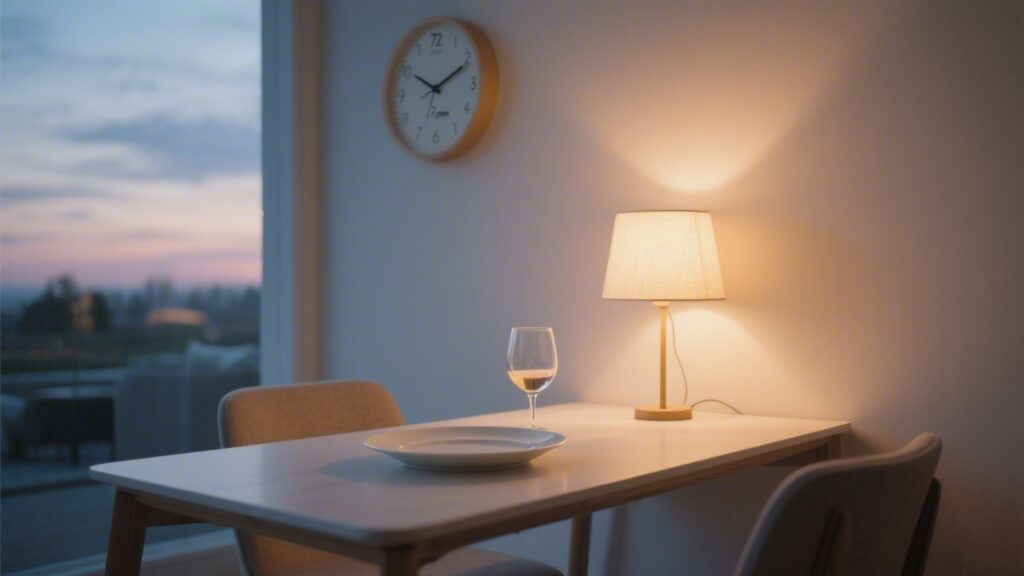
When you eat may matter as much as what you eat for sleep quality. The timing of your last meal affects core body temperature, melatonin ...
Quick answer The best mattress for a sailboat is the Saatva Classic, whose open dual-coil construction provides maximum airflow to fight cabin humidity, and whose ...

The idea that gut health affects sleep used to be considered fringe science. In the past decade, the gut-brain axis has emerged as one of ...
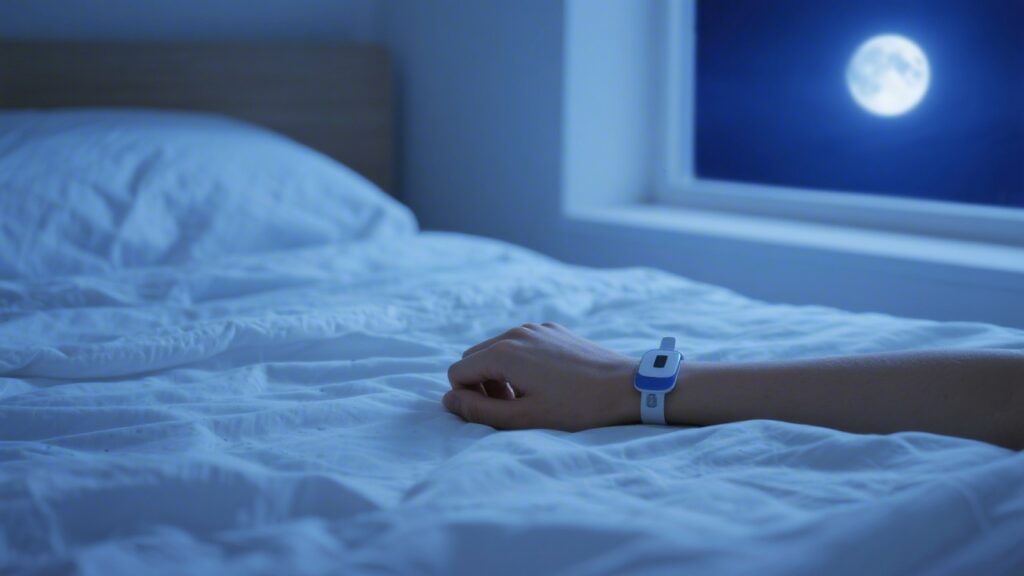
Most sleep research focuses on what happens in the brain. Blood sugar is a metabolic factor rarely discussed in mainstream sleep guides yet plays a ...
Quick answer The best mattress for van life is the Saatva Classic: the open-coil construction breathes significantly better than closed-cell foam in confined van interiors, ...

Editor's pick — melatonin-free Sleep Lab Pick · Current Sale Current Sale — Amerisleep's current sale runs sitewide. AS3 hybrid most-recommended all-rounder, AS5 for plus-size, ...
Editor's pick — melatonin-free Sleep Lab Pick · Current Sale Amerisleep's Current Sale: $500 off every mattress. The AS3 — plant-based Bio-Pur® foam, sleeps cooler ...
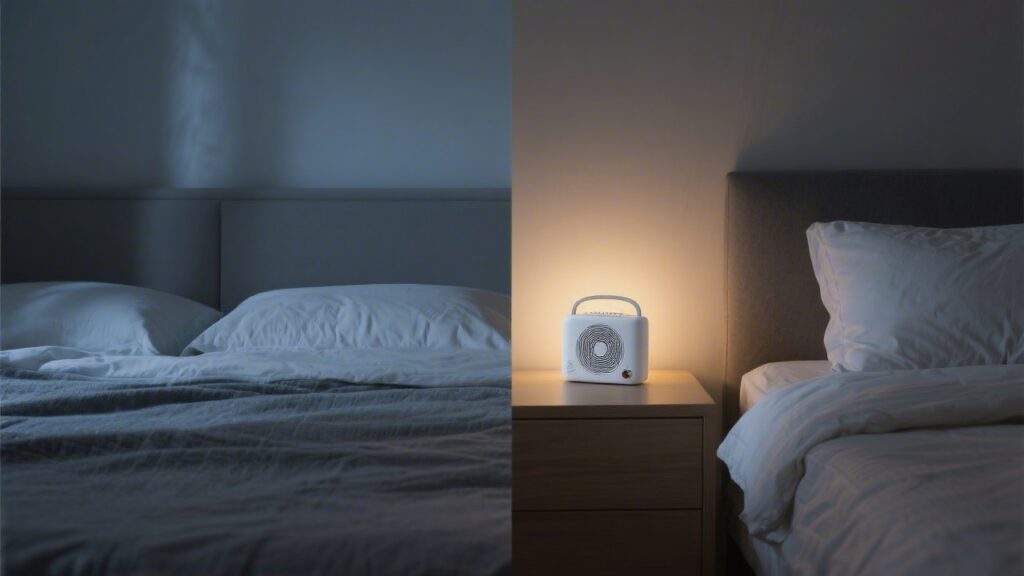
Silence is better for sleep — when you can actually achieve it. White noise is better when your environment is noisy. We cover when each approach wins, the research on both, and how to decide which is right for your situation.
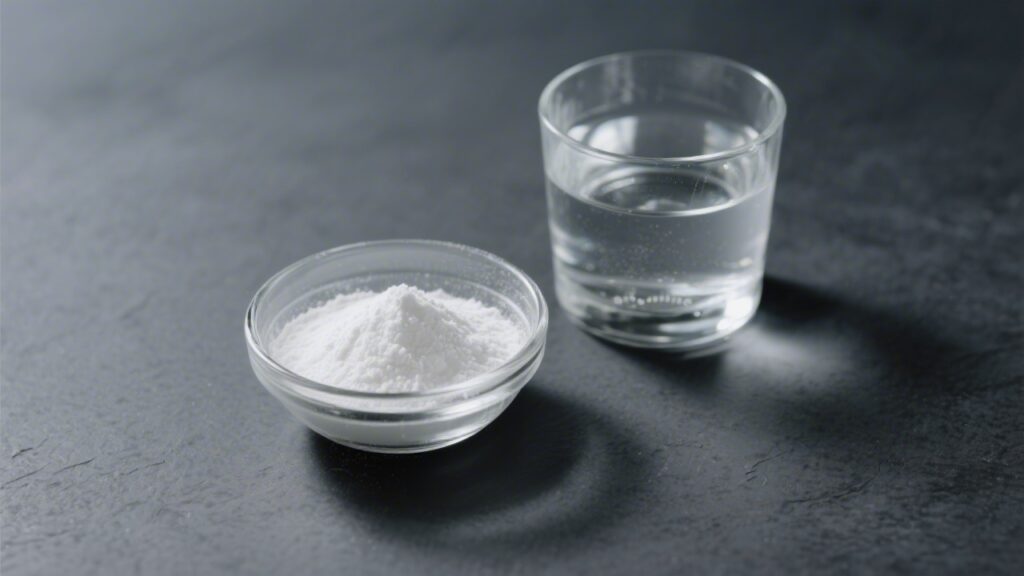
Glycine is one of the most abundant amino acids in the human body, yet it is rarely discussed as a sleep supplement. The research, largely ...
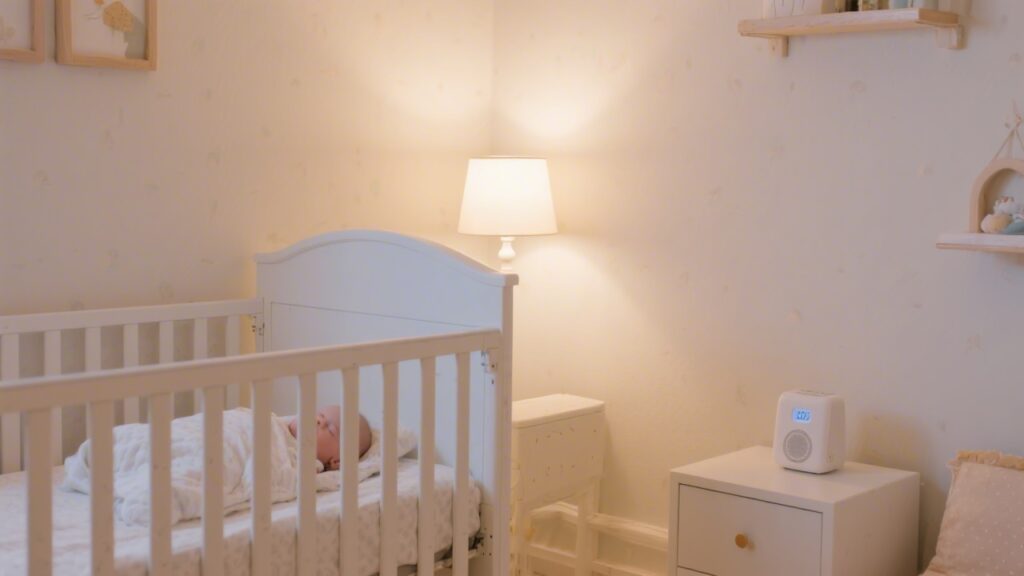
The womb environment creates 80-90 dB of sound — explaining why newborns respond to white and brown noise. We cover the specific sound characteristics that calm infants and the safe usage guidelines (volume limits, distance).