 by
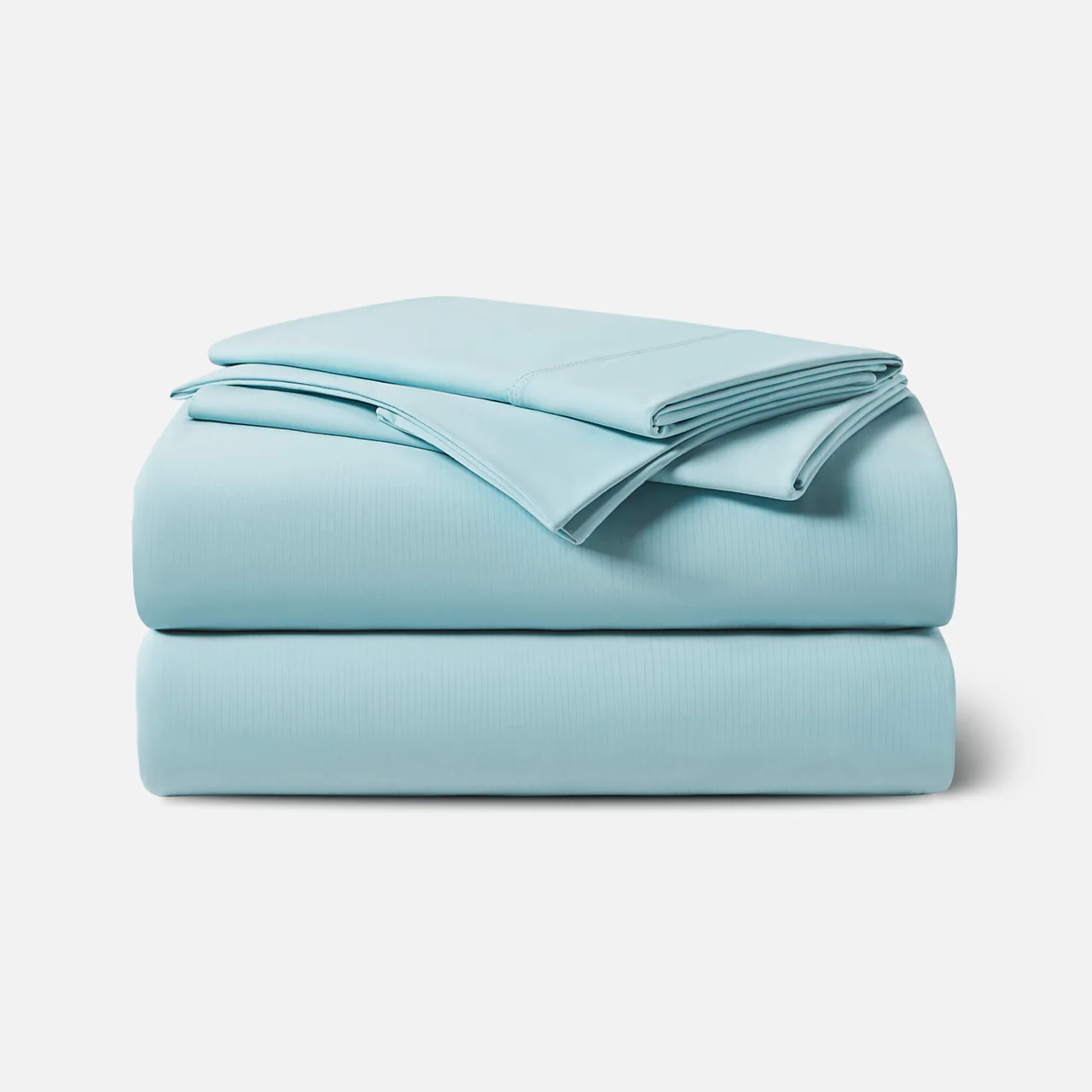
by Quick answer: For sweaty summer sleepers, I’d start with the Evercool®+ Cooling Sheet Set and compare its feel against a light cotton percale. Bamboo usually wins moisture control, while cotton gives you more weave choices.
- Comparative bedding guides say bamboo lyocell generally moves moisture away from skin and dries quickly.
- Those same guides identify percale cotton as the cooler, crisper cotton weave.
- Buyer guides caution that a higher thread count can make cotton less breathable when the fabric becomes dense.
Updated July 2026 · Reviewed for accuracy
Bamboo is usually my pick for summer cooling if you wake up damp or sticky. Cotton can be just as sensible, but only if you choose the right version: light, breathable percale instead of a dense, warmer sateen.
That’s the real answer behind bamboo vs. cotton sheets. Fiber matters. Weave matters more than most labels admit. And “bamboo” itself is not a complete material description, because bamboo lyocell and viscose from bamboo are not the same thing.
My direct answer for hot, sweaty sleepers
Bamboo lyocell has the clearer edge for moisture management, according to comparative bedding guides. Its fibers are commonly described as drawing moisture away from the skin and allowing it to evaporate quickly. That combination matters on humid nights, when a sheet can feel clammy long before the room feels truly hot.
Cotton is still a strong summer fabric, but I’d be more selective with it. Comparative guides consistently distinguish crisp percale from smoother sateen: percale is typically more open and breathable, while sateen’s denser weave can feel warmer. If cooling is the point, I would not buy cotton merely because the label says “high thread count.”
The best choice depends on what bothers you most. Choose bamboo lyocell if sweat and clinginess are the main problem. Choose cotton percale if you want a dry, airy sheet with a more structured feel and a fabric known for lasting well with proper care, according to bedding buyer guides.
The Nut’s take: Don’t treat “bamboo” and “cotton” as competing buzzwords. Compare the exact fiber, weave, weight, and care label. That’s where summer comfort is decided.
Bamboo cools through faster moisture release
Bamboo sheets marketed for cooling are commonly made from either lyocell from bamboo or viscose from bamboo. The distinction deserves your attention. Comparative bedding guides generally associate bamboo lyocell with stronger moisture-wicking and quicker evaporation, which can create a cooler feel in hot and humid conditions.
That does not mean every bamboo sheet performs the same. The fiber processing, weave, fabric weight, and blend content all change the finished fabric. A vague bamboo label tells me very little. A clear label that identifies lyocell versus viscose gives you something useful to compare.
Feel is another reason bamboo appeals to warm sleepers. Buyer comparisons commonly describe bamboo sheets as smooth and soft. That smooth surface may suit people who dislike the crispness of percale. Still, softness alone is not a cooling metric. A sheet can feel silky at bedtime and retain more heat than you expected if its weave is dense.
Durability is where I’d read owner feedback carefully. Comparative guides note that some lower-quality bamboo fabrics or blends may pill or feel thinner over time. That is not a reason to dismiss the category. It is a reason to inspect fiber disclosure, laundering instructions, stitching, and verified owner reviews before deciding.
Comparing options? The Evercool®+ Cooling Sheet Set is the pick we keep coming back to — see the final verdict ↓
Cotton’s weave determines whether it feels cool
Percale is the cotton construction I’d prioritize for summer. Bedding guides describe it as breathable and crisp, traits that usually suit sleepers who want sheets to feel dry and light instead of drapey and close to the body.
Sateen cotton has a different job. It is often softer and smoother, according to comparative bedding guides, but its denser weave can make it feel warmer. That may be perfectly fine for someone who sleeps neutral and wants a more polished hand feel. It is less compelling for someone buying specifically to reduce overnight heat.
Fiber quality adds another layer. Long-staple cotton, including Egyptian or Pima cotton, is identified in buyer guides as a premium cotton option. It can offer a durable, refined fabric, especially when paired with a breathable percale weave. But premium cotton does not automatically outrun bamboo for sweat management. The weave still has to support airflow.
What I’d read on the package:
- For bamboo, whether the fiber is lyocell from bamboo or viscose from bamboo.
- For cotton, whether the weave is percale or sateen.
- Whether the fiber content is clearly disclosed rather than hidden behind a broad marketing label.
- Whether the care label gives practical washing and drying instructions.
Bamboo vs. cotton for breathability and moisture
| What you’re comparing | Bamboo lyocell | Cotton, especially percale |
|---|---|---|
| Moisture handling | Comparative guides generally report quicker wicking and evaporation. | Absorbs moisture, with drying speed affected by weave and weight. |
| Summer feel | Usually smooth and cool-feeling, according to bedding comparisons. | Percale is typically crisp and airy; sateen can feel warmer. |
| Durability watch-out | Lower-quality fabrics may pill or thin, according to buyer guides. | Properly cared-for cotton is widely regarded as durable. |
| Best fit | People who sweat heavily or dislike damp-feeling sheets. | People who want breathable structure and broad material choice. |
The table points to a simple conclusion. Bamboo lyocell is the more direct answer for moisture wicking. Cotton percale is the more flexible answer for people who want cooling without giving up the familiar feel and long-term appeal of cotton.
I would also separate breathability from absorbency. Cotton absorbs moisture, according to comparative guides, but the fabric does not necessarily release it as quickly as bamboo lyocell. A lighter cotton percale can dry faster than a heavier sateen because its construction is less dense. That is why the word “cotton” by itself is not enough for a summer purchase.
If you already know you prefer cotton, this comparison of bamboo sheets and Egyptian cotton is useful context. It narrows the question from a broad fiber debate to the premium cotton options most likely to appeal to hot sleepers.
Thread count is not your cooling score
A dense high-thread-count fabric can reduce breathability, according to bedding buyer guides. That is the opposite of what many summer shoppers expect. More threads can sound luxurious, but cooling depends on how the finished cloth allows heat and moisture to move, not on a large number printed on a package.
For cotton, practical buying guidance often points shoppers toward a moderate thread count in percale rather than chasing the highest available count. The exact number is less useful than the combination of long-staple fiber, a breathable weave, and a lighter fabric. If a label makes thread count its entire argument, I’d keep reading.
Bamboo has an even murkier relationship with thread count. Comparative guides say it is not a direct cooling indicator for bamboo sheets. I’d judge bamboo by its stated fiber type, whether the fabric is a blend, its weave, its care directions, and what verified owner reviews say about pilling or retained softness.
Useful shortcut: A breathable percale and a clearly identified fiber are better signs than an oversized thread-count claim. I’d pay for construction clarity, not packaging theater.
Construction details I’d check before buying
Start with the fiber label. “Bamboo” can refer to different processed fibers, and comparative guides specifically advise shoppers to distinguish lyocell from viscose from bamboo. The distinction affects the claims you are evaluating, including the way brands discuss processing and moisture performance.
Next, inspect weave and weight. Buyer guidance describes lighter cotton percale as a sensible choice for breathability, while heavier sateen may feel warmer. Bamboo fabrics vary too, so I would not assume a bamboo sheet is automatically light just because it is marketed as cooling.
Then look at the basics that determine whether the set will work on your bed: pocket depth, even stitching, and transparent care instructions. These are not glamorous details. They matter more than clever naming. A fitted sheet that shifts, or a fabric that requires care you will not realistically give it, is a bad value regardless of fiber.
Certifications can provide useful supporting evidence, but only when the label is specific. Buyer guides recommend looking for verifiable fiber content and standards such as OEKO-TEX certifications. For organic cotton, GOTS is a certification commonly recommended in buyer guides. Treat certifications as a way to verify a stated material or processing standard, not as a substitute for checking weave and construction.
For a cotton-focused route, our guide to Supima cotton sheets can help you understand why fiber length gets so much attention. It is one part of quality, though not a replacement for a breathable weave.
Who should choose each material
If you sleep hot and regularly sweat, I’d lean toward bamboo lyocell first. Comparative bedding guides place its main advantage in moisture wicking and faster evaporation. That is the feature set most likely to matter if your sheets feel damp rather than merely warm.
If you want a cooler sheet with a crisp, hotel-style hand feel, choose cotton percale. Comparative guides consistently identify percale as the breathable cotton weave. I would favor a lighter percale and avoid assuming that a denser, softer sateen will deliver the same summer performance.
If durability is your first priority, long-staple cotton deserves serious consideration. Buyer guides describe cotton as durable with proper care, and premium long-staple options can deliver a more luxurious finish. Just keep the weave honest. A premium cotton sateen may suit your preferences, but it is not the obvious cooling choice.
If you want the easiest decision, begin with a purpose-built cooling set such as the Evercool®+ Cooling Sheet Set, then compare the current official-site price with a breathable cotton percale set. Product documentation should be your source for its exact materials and care instructions, while verified owner reviews can help expose concerns that a product page will not emphasize.
My buying checklist:
- Confirm whether bamboo is lyocell or viscose from bamboo.
- Choose cotton percale for airflow, not sateen by default.
- Ignore thread-count hype unless the weave and fiber are disclosed.
- Check current pricing across retailers instead of assuming one material is always cheaper.
- Read care instructions and verified owner reviews before committing.
Care can preserve or ruin the feel
Bamboo lyocell is generally machine washable, according to bedding care guides, but the product-specific instructions matter. Following them can help preserve softness and reduce the chance of premature pilling. I would not treat all bamboo fabrics as interchangeable at laundry time.
Cotton is also generally machine washable, though care needs can vary with weave and finish, according to comparative guides. Denser, high-thread-count cotton may call for gentler care to maintain its feel. That is another quiet advantage of keeping the construction simple and transparent.
For either material, frequent laundering is part of real life in summer. Buy the sheet whose care requirements you will follow. A cooling fabric is only useful if it remains comfortable after the washing routine your household actually uses.
If the bamboo wording on a label feels slippery, read our breakdown of viscose versus cotton sheets. It explains why fiber naming deserves more scrutiny than broad “natural” or “cooling” marketing language.
FAQ
Are bamboo sheets cooler than cotton sheets?
Bamboo lyocell is generally the stronger choice for moisture wicking and quick evaporation, according to comparative bedding guides. Cotton can still feel very cool in a light percale weave, so the best answer depends on whether you prioritize moisture management or a crisp, airy feel.
Do bamboo sheets wick sweat better than cotton?
Comparative guides commonly report that bamboo lyocell draws moisture away from the skin and dries quickly. Cotton absorbs moisture too, but its drying behavior depends heavily on the weave and fabric weight, with lighter percale generally better suited to summer than heavier sateen.
Is percale or sateen better for summer?
Percale is usually the better summer weave because bedding guides describe it as breathable and crisp. Sateen is typically softer and smoother, but its denser construction can feel warmer for hot sleepers.
Does a higher thread count make sheets cooler?
No. Buyer guides caution that very high thread counts can reduce breathability when they create a denser fabric. I’d focus on fiber quality, weave, and fabric weight before treating thread count as a cooling feature.
What should I verify on a bamboo-sheet label?
Look for a clear fiber description, especially whether it is lyocell from bamboo or viscose from bamboo, as recommended in comparative buyer guides. Also check for transparent care instructions, disclosed blend content, and relevant certifications such as OEKO-TEX standards where applicable.
The bottom line on summer sheets
Bamboo lyocell is my first pick for sleepers whose biggest complaint is sweat or clamminess. Its moisture-wicking and quick-drying reputation, according to comparative bedding guides, addresses the part of summer sleep that cotton does not always solve as directly.
Cotton is not second-rate. A well-made percale can be a superb warm-weather sheet: breathable, crisp, and durable with proper care, according to bedding buyer guides. Skip dense thread-count marketing, read the fiber label, and let the weave make the decision.
FINAL VERDICT
Bottom line for the bamboo versus cotton summer sheets debate: if you want genuinely cooler summer nights, the Evercool®+ Cooling Sheet Set is the safer buy — the cooling is in the weave itself, so it doesn't wash out with the marketing.
OUR CATEGORY-MATCHED PICK
Evercool®+ Cooling Sheet Set
- See the product page for full specs and current pricing