 by
by Quick answer: BedJet wins on fast heating and lower cost; Chilipad wins on deep, quiet cooling for hot sleepers. If you'd rather skip a separate pad, the Orion Sleep System builds cooling into the mattress cover itself.
- BedJet moves forced ambient air under the sheets; Chilipad circulates temperature-controlled water through a pad. Different physics, different strengths.
- The Chilipad 2.0, sleep.me's current flagship, covers a 55°F to 115°F range with no subscription required, per the brand's own product page.
- BedJet ships as a single-zone system or a dual-zone version built for couples; Chilipad now spans three live tiers: Cube, Dock Pro, and Chilipad 2.0.
Updated July 2026 · Reviewed for accuracy
We've tracked the bed-temperature category all year, and BedJet and Chilipad keep coming up as the two names people actually compare, not because they're the same product wearing different labels, but because they solve the problem from opposite directions. BedJet blows air. Chilipad pumps water. That single difference explains almost everything else: price, noise, how fast the bed changes temperature, and how cold it can actually get.
If you're choosing between a BedJet 3 and a Chilipad system, the right pick depends less on brand loyalty and more on whether you run hot, run cold, or share a bed with someone who does the opposite. Both categories get lumped together as "bed cooling gadgets," but the mechanics underneath are different enough that they solve different complaints.
How BedJet and Chilipad Actually Work
BedJet is an air system. A bedside unit pulls in ambient room air, heats or cools it, and pushes it under the sheets through a hose and an AirComforter accessory, according to BedJet's own product listing. There's no water, no reservoir, no tubing snaking through a pad. Just moving air, which is why it reacts almost instantly when you change the setting.
Chilipad is a water system. A control unit called the Cube (or the Dock Pro on the higher tier) chills or warms water and circulates it through a network of tubes sewn into a mattress pad, per sleep.me's product specifications. Water holds and moves heat more efficiently than air, which is the whole reason water-based systems can pull a sleep surface colder than an air system can manage.
Neither approach is "better" in the abstract. Air responds faster and heats more convincingly; water cools deeper and runs quieter once it settles into a steady temperature. That trade-off is the entire story of this comparison, and it's why we don't think there's one universal winner here. Only a better fit for your specific complaint.
Heating Performance: BedJet's Home Turf
If you're cold at bedtime and want the mattress warm now, BedJet is built for that. Forced air heats up fast because there's very little mass to bring up to temperature. It's just air, not water sitting in tubing. Owner threads on Reddit's sleep and cooling-tech communities consistently describe BedJet's heat mode as the more dramatic, faster-acting of the two systems, which tracks with the underlying physics.
Chilipad can heat too, and the Chilipad 2.0's range extends up to 115°F on the warm end, per sleep.me's listed specs. But water systems generally take longer to bring a pad up to a noticeably warm temperature than a forced-air blast does, simply because of how much more thermal mass is involved. If heating speed is your priority (say, you climb into a cold bed and want it warm within a minute or two), that's a point squarely in BedJet's column, and it's the reason people who run cold tend to prefer it over a water pad.
Cooling Performance: Where Chilipad Pulls Ahead
Cooling is the mirror image. Water can be chilled and held at a lower, steadier sleep-surface temperature than air moving underneath a sheet, which is why hot sleepers tend to gravitate toward Chilipad. The Chilipad 2.0 drops as low as 55°F according to sleep.me's product page, and the entry Cube model covers a 60°F to 115°F range.
BedJet cools too, and for a lot of people it's cool enough. The forced air genuinely lowers how the bed feels. But air can't extract heat from a mattress surface the way circulating cold water can, so if you're the person who kicks off every blanket in July, Chilipad has the physics advantage. Outlets like Tom's Guide and Consumer Reports have covered this category before and generally land on the same split: air systems for fast response, water systems for the coldest achievable sleep surface. That's consistent with what we've seen across both brands' own technical descriptions.
Noise, Setup, and Everyday Use
BedJet's fan produces some audible noise by design. It's how the air gets moved. Some sleepers get used to it as white noise; others find it a dealbreaker, and that split shows up repeatedly in owner feedback on Reddit's sleep-focused threads. Chilipad's pump also makes noise, but a water pump running at a maintained temperature tends to be quieter at steady state than an active air blower, since it isn't continuously forcing large volumes of air the way BedJet's unit does.
Setup differs too. BedJet works with the bedding you already own, using an AirComforter sheet accessory to channel the air, so there's no pad to fit under a mattress protector. Chilipad requires fitting its water pad under your sheets and running a hose to the bedside control unit. It's more of a one-time install, less of a nightly hassle once it's in place. Neither system asks you to replace your mattress, which is also true of options like the heated and cooled mattress pad category more broadly. If you travel or move often, BedJet's simpler hookup is generally easier to break down and reinstall than a water-line pad.
Price and Ownership Costs
BedJet sits at the more accessible end of the category. The single-zone Climate Comfort system is the budget entry point, and the dual-zone version built for couples costs more but still lands below Chilipad's higher tiers, based on current listings from both brands. Chilipad's pricing climbs with each tier: Cube is the cheapest way in, Dock Pro sits in the middle, and the Chilipad 2.0 flagship commands the highest price of the three.
Neither brand charges a recurring subscription. Sleep.me's own FAQ states plainly that there's no monthly membership required, ever, and BedJet operates the same way: you buy the hardware once and use it indefinitely. Check each brand's site for current pricing and any financing options at checkout, since sale pricing on both sides moves throughout the year and neither company publishes a fixed price that holds indefinitely.
The Chilipad Lineup in 2026: Cube, Dock Pro, and Chilipad 2.0
One thing worth clearing up, because it trips up a lot of shoppers searching for "Dock Pro": sleep.me's product URLs migrated recently, and some older links now redirect to the new Chilipad 2.0 page. That's a URL change, not a product being discontinued. The lineup is genuinely three tiers right now, all live and purchasable.
| Tier | Position | What It's For |
|---|---|---|
| Chilipad Cube | Entry-level | Basic heating and cooling for one zone, the most affordable way into water-based temperature control |
| Chilipad Dock Pro | Pro tier | Step up in control and build quality over the Cube, still single-purpose water circulation |
| Chilipad 2.0 | New flagship | sleep.me's newest system: widest temperature range, remote included, no subscription, per the brand's product page |
If you're specifically comparing a bed cooling system against a mattress pad rather than a topper-style solution, know that all three Chilipad tiers are pad-based, not built into the mattress. That distinction matters if you're also weighing something like the water-based cooling pad category as a whole. Our take: for most shoppers, the Chilipad 2.0 is the one to default to unless budget specifically points you toward the Cube.
Which One Fits Your Sleep Type
Hot sleepers should lean Chilipad. The ability to hold a genuinely cold sleep surface is the whole reason water-based systems exist, and that's the complaint air systems can't fully solve. Cold sleepers, or anyone who wants the bed to feel different within seconds of hitting a button, should lean BedJet: the forced-air response time is hard to beat, and it costs less to get in the door.
Couples with mismatched preferences have two reasonable paths: BedJet's dual-zone system, or a Chilipad setup with separate pads and controls per side. Either works; it comes down to whether you weight fast heat or deep cold more heavily for the colder-running partner in the relationship.
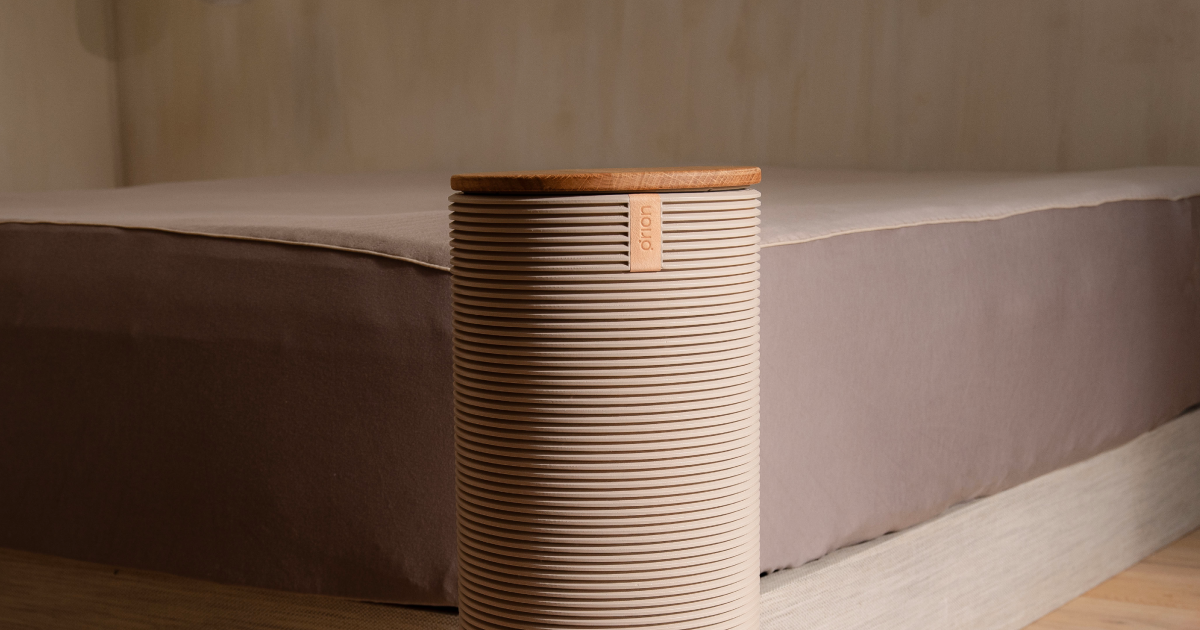
Want cooling built into the mattress itself instead of a separate pad? The Orion Sleep System is a dual-zone smart cooling cover that fits over the mattress you already own, with wearable-free sleep tracking, and no subscription required to use it. It's worth a look if managing a hose and control unit isn't appealing.
We'd point most hot sleepers toward Chilipad first and reserve the Orion Sleep System for people who specifically want temperature control integrated into the mattress cover rather than layered on top of it as a separate pad they have to manage.
Care and Long-Term Ownership
Both systems need basic upkeep. Chilipad sells a system cleaner and replacement pads directly on its site, which suggests the water lines benefit from periodic maintenance to prevent buildup. That's worth budgeting for if you go that route, and worth factoring into the true cost of ownership beyond the sticker price. BedJet's air-based design has no water to maintain, which simplifies long-term care, though the AirComforter sheet accessory will wear like any other bedding over time and eventually needs replacing.
If you're weighing this against a fully integrated option, our breakdown of Eight Sleep covers the third major approach in this category: a mattress cover with active water circulation built in rather than a standalone pad or hose system. It's a useful comparison point if you're not sold on either the BedJet or Chilipad form factor.
FAQ
Is BedJet or Chilipad better for hot sleepers?
Chilipad tends to be the better pick for hot sleepers because circulating water can pull a sleep surface colder than forced air alone. BedJet still cools, but its real strength is heating speed rather than reaching the lowest possible temperature.
Can I use BedJet and Chilipad with any mattress?
Yes. Both are add-on systems rather than replacement mattresses. BedJet works with an AirComforter sheet over your existing bedding, and Chilipad's pad sits under your sheets on top of whatever mattress you already own.
Do BedJet or Chilipad require a subscription?
No. Sleep.me states directly in its FAQ that there's no monthly membership for Chilipad, and BedJet operates the same way: a one-time hardware purchase with no recurring fee to use the core temperature features.
Is BedJet loud?
BedJet's fan does produce audible noise since air movement is how it heats and cools, and that's a common thread in owner feedback on Reddit. Some sleepers treat it as white noise; light sleepers who dislike fan sound may find Chilipad's steady-state pump quieter.
Which is better for couples with different temperature preferences?
Both brands offer dual-zone options built for exactly this situation: BedJet's dual-zone system and Chilipad's per-side pad setups. The choice comes down to whether the colder-running partner values fast heat-up (BedJet) or the hotter-running partner values deeper cooling (Chilipad) more.
The Verdict
There's no single winner here because BedJet and Chilipad aren't solving the same problem the same way. BedJet is the faster, more affordable, heating-first pick: forced air that changes how the bed feels within seconds. Chilipad is the deeper, quieter, cooling-first pick, with a three-tier lineup that now runs from the entry Cube through the Dock Pro to the new Chilipad 2.0 flagship. Pick based on which side of the temperature complaint you actually have. And if a separate pad or hose isn't appealing at all, the Orion Sleep System folds dual-zone cooling into the mattress cover itself, which is worth comparing against both before you commit. See our Orion vs. Eight Sleep breakdown for how that third approach stacks up.
OUR VERDICT
For steady all-night cooling with real tracking and no subscription, here is the system we would actually buy.
OUR SMART COOLING PICK · NO SUBSCRIPTION
Orion Sleep System
- From $2,295 in Queen, financing from $64/month
- Dual-zone smart cooling + wearable-free sleep tracking, purchase without subscription (Eight Sleep can’t say that)
- 30-night risk-free trial, free shipping, works on the mattress you already own