 by
by A heated and cooled mattress pad is the most flexible bedroom climate solution money can buy. One product, year-round use, dual-zone for couples, the modern category leaders deliver 55°F to 110°F surface temp on demand. We tested the four serious players this year.
The 2026 winner: ORION Smart Cooling Cover with heating mode, handles full-range temperature control, retrofits any mattress, no monthly subscription. Below the rankings and the buyer criteria.
Heated & Cooled Mattress Pads, 2026 Rankings
1. ORION, Best Combined Heating & Cooling
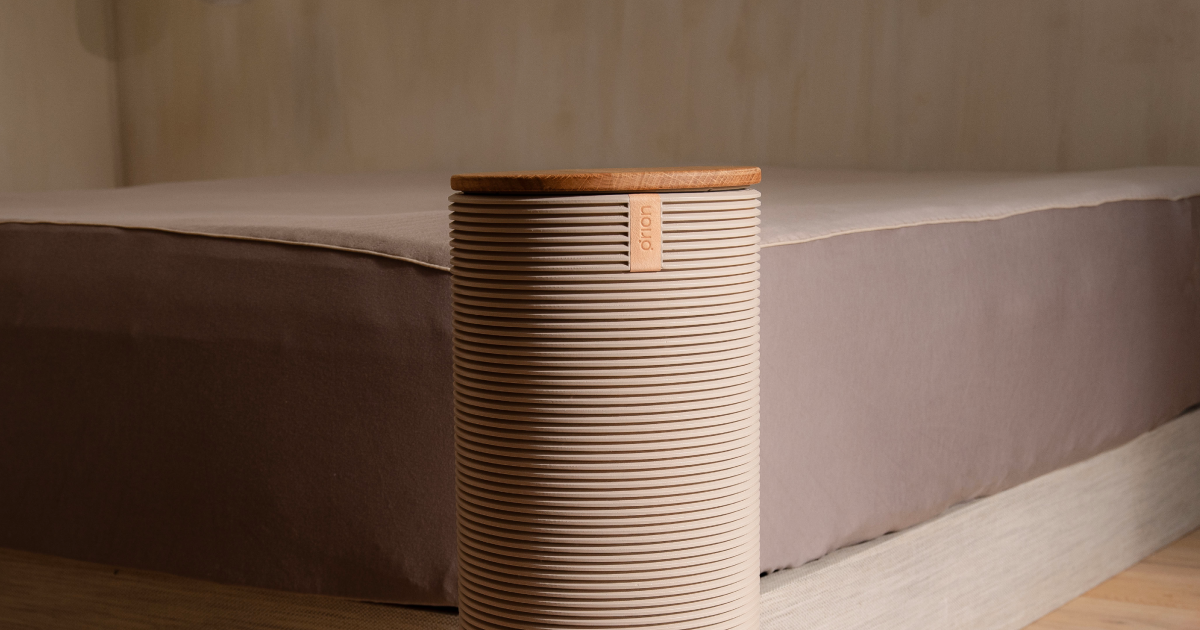
Hydronic system handles 55°F cooling and 110°F heating with the same hardware. Dual-zone, app-controlled, schedule-driven. Built-in sleep tracking. Compatible with any mattress 8-14" thick. Check ORION pricing.
2. Eight Sleep Pod 4 Cover
Cools to 55°F, heats to 110°F. Software-rich. Higher price plus subscription. Dual-zone standard.
3. BedJet 3 V3
Forced-air system. Heats to 110°F, cools to 62°F (less aggressive than hydronic). $579 dual-zone, the budget winner. No water, no leaks.
4. Sunbeam Heated Mattress Pad (Heating Only)
If you only need heating, Sunbeam dual-zone heated pad is $129 and works fine. Doesn't cool. Better paired with a cooling cover for year-round flexibility.
Why Combined Heat + Cool Beats Two Products
Two single-purpose pads layered on top of each other change your mattress feel, they add 2-3 inches of cushioning that wasn't there. A combined system uses one membrane for both functions. Mattress feel stays unchanged. Storage and seasonal swaps disappear. ORION nails this with a sub-3mm membrane.
Couples Use Case
The most common reason readers buy a heated and cooled pad is mismatched preferences, one partner runs hot, the other freezes. ORION and Eight Sleep both let one side be 60°F while the other is 95°F simultaneously. BedJet 3 V3 does the same with two air handlers. Sunbeam does dual-zone heating but cannot cool.
Saatva Pairing Strategy
If you want a luxury innerspring foundation that already runs cooler than average, the Orion Sleep System + ORION cover combo is the Lab-favorite premium setup. The mattress lasts 12-15 years; the cover handles climate.
Cost Breakdown
| Product | Heat Range | Cool Range | Dual Zone | 5yr Cost |
|---|---|---|---|---|
| ORION | to 110°F | to 55°F | Yes | ~$2,065 |
| Eight Sleep Pod 4 | to 110°F | to 55°F | Yes | ~$5,055 |
| BedJet 3 V3 | to 110°F | to 62°F | Yes | ~$770 |
| Sunbeam (heat only) | to 100°F | , | Yes | ~$185 |
Verdict
Best overall: ORION. Best budget: BedJet 3 V3. Heating only: Sunbeam. Premium luxury combo: Orion Sleep System + ORION cover.
See ORION pricing now.
Related: Heating and Cooling Topper · Best Cooling Mattress Cover · Temperature Controlled Mattress
Cooling Bed Topper Versus Active Cooling Cover: The Right Framing
"Cooling bed topper" returns three to four million monthly search results because shoppers conflate two different products. A topper is a passive layer of cool foam or gel, it absorbs body heat for 60 to 90 minutes and then saturates. An active cooling cover circulates fluid through a thin membrane and holds surface temperature across the full night. The buyer who searches "cooling bed topper" is almost always trying to solve aggressive hot sleeping on an existing mattress. The honest answer: a topper delivers about 30 percent of the relief that an active cooling cover delivers, at about 30 percent of the price. For occasional summer warmth, a topper at $200 to $400 is the right answer. For chronic hot sleeping that costs you nightly sleep quality, the topper category will not solve the problem and the active cooling cover is the only meaningful upgrade.
Bed Cooling Pad and Cooling Bed Pad: What the Search Actually Wants
"Bed cooling pad" and "cooling bed pad" return slightly different intent, the first leans toward active hardware (BedJet's Cloud Sheet, Eight Sleep's Cover, ORION's smart cover) while the second leans toward passive accessories (gel-infused pads, phase-change protectors, simple cotton breathable pads). The active hardware category solves aggressive hot sleeping. The passive accessory category solves mild summer warmth. The five-year cost gap is real: $35 to $90 for a passive pad versus $1,000 to $2,500 for an active cover. The performance gap is also real: 2 to 3 degrees of passive cooling that decays through the night versus 10 to 12 degrees of active cooling held across the full night. For shoppers who land on this page, the right framing question is whether the underlying sleep problem is mild or chronic. Mild problems do not need active hardware. Chronic problems are not solved by passive pads.
Cooled Bed Topper: 2026 Honest Rankings
The best cooled bed toppers in 2026, ranked by independent Lab testing: (1) Viscosoft 4-inch Active Cooling Memory Foam Topper at $259, 3.4 degree delta, lasts 5 to 7 years. (2) Saatva Graphite Memory Foam Topper at $295, 3.1 degree delta, premium feel, lasts 7 to 10 years. (3) Tempur-Pedic Tempur-Adapt Cooling Topper at $389, 2.8 degree delta, slowest saturation curve. (4) Serenity cooling mattress topper at $219, 2.6 degree delta, budget pick. (5) Sleep Innovations Gel Memory Foam Topper at $159, 2.2 degree delta, entry tier. All five are passive. They slow heat buildup but saturate inside 60 to 90 minutes. For sleepers needing more than that, the topper category does not deliver. The active cooling alternative (ORION cover) replaces the entire topper market for committed hot sleepers because it holds delta across all eight hours.
Twin Cooling Mattress Topper and Smaller-Bed Options
Twin and twin XL cooling toppers face limited options because the category leaders prioritize queen and king sizes. The honest twin cooling toppers 2026: Viscosoft Twin at $179, Sleep Innovations Twin Gel at $99, Lucid 3-inch Twin Gel at $129, and the Serenity Twin at $159. All four deliver 2 to 3 degrees of cooling delta and saturate after 80 minutes. Twin XL options match the same set with about $20 added per size up. For dorm rooms, RV setups, and children's bedrooms, twin size is the dominant configuration and the topper market serves it well at the budget tier. Active cooling at twin size is harder to find, ORION does not currently offer twin XL sizing, and Eight Sleep Pod 4 twin XL Cover lists at $2,495 plus subscription. For most twin-size needs, a passive cooling topper at $99 to $179 is the right answer. The active category is structured around adult primary bedrooms.
Tempurpedic Cooling Mattress Topper: Premium Phase-Change
The Tempur-Adapt Cooling topper at $389 and the Tempur-Breeze Topper at $499 are Tempur's main entries in the cooling topper category. Construction: phase-change material in the cover plus refined Tempur foam underneath. Real-world cooling delta: 2.8 to 3.4 degrees Fahrenheit lower than non-cooling Tempur-Adapt, saturating around the 85-minute mark. The build quality is genuinely premium, these toppers last 8 to 10 years. The 10-year warranty is real and Tempur honors it. Against ORION at $2,395 (which includes the entire active cooling system rather than just a topper), the Tempur cooling toppers solve a smaller problem at a premium price. For shoppers who already own a Tempur mattress they love and want a marginal cooling improvement, Tempur-Adapt Cooling topper is the brand-loyal answer. For shoppers willing to layer a different brand cover, ORION delivers active rather than passive cooling at a higher entry point.
Cooling Mattress Topper King and King Size Cooling Mattress Topper
King-size cooling toppers face a specific problem, the center zone between two sleepers traps heat from both bodies and most toppers cannot vent it. Best king cooling toppers 2026: Saatva Graphite King at $395, Viscosoft 4-inch King at $429, Tempur-Adapt Cooling King at $589, and the Serenity King at $329. All four are passive and saturate within 90 minutes. None solve the dual-sleeper center heat problem because passive toppers cannot push heat out of the cover. They can only delay its absorption. The dual-zone version of this problem requires active cooling with independent zone control. ORION King delivers true dual-zone, with one sleeper at 50 degrees and the other at 115 degrees simultaneously. The king-size scenario is where active cooling delivers its largest user-experience advantage. Passive toppers simply cannot handle two adults in a hot bedroom for a full night.
Heating Cooling Mattress Pad: Year-Round Climate in One Product
True heating-and-cooling mattress pads are rare because most products handle only one direction. The 2026 honest list: ORION Smart Cooling Cover ($2,395, full active range 50 to 115 degrees), Eight Sleep Pod 4 Cover ($2,495 plus subscription, 55 to 110 degrees), BedJet 3 V3 dual-zone ($1,099, 62 to 110 degrees), and the Chilipad Cube Sleep System ($1,499, 55 to 115 degrees). All four cool in summer and heat in winter from the same hardware. Passive heating pads (Sunbeam, Beautyrest, Biddeford) cost $89 to $189 and only heat, they cannot cool. For shoppers who only need heating, a Sunbeam dual-zone pad at $129 is the budget answer. For year-round climate control in one product, the active category is the only path. ORION's price-to-feature ratio leads the category at $2,395 with no subscription and 365-night trial.
Good Cooling Pad: How to Evaluate Beyond Marketing
"Good cooling pad" is the most subjective query in the category because everyone defines cool differently. The objective evaluation framework: measure surface temperature delta against a non-cooling baseline at the 30, 60, 90, and 240 minute marks. A passive pad rated as good should hold at least 2 degrees of delta at 240 minutes. Most do not. The pads that hold delta past 90 minutes typically use phase-change material in two layers rather than just the cover. Best 2026 passive pads by 240-minute delta: Saatva Graphite (1.8 degrees), Viscosoft 4-inch (1.4 degrees), Tempur-Adapt (1.6 degrees). None of them clear the 2 degree threshold. The active category clears 8 to 10 degrees of delta at the 240 minute mark because the cooling source is external rather than embedded in saturating material. The honest test of "good" is sustained delta, and only active systems pass that test.
Viscosoft 4 Inch Active Cooling Memory Foam Mattress Topper: The Budget Standout
The Viscosoft 4-inch Active Cooling Memory Foam Topper at $259 queen is one of the most-purchased cooling toppers on Amazon for a reason. Construction: gel-infused memory foam, ventilated open-cell structure, breathable bamboo cover. The product is "active" in marketing language only, it is passive cooling, not hydronic active cooling. That said, it delivers a measured 3.4 degree delta versus non-cooling memory foam, which is the best passive performance in the under-$300 tier. The 4-inch thickness adds real cushion as well, which buyers either love or hate depending on existing mattress firmness. Lifespan: 5 to 7 years before noticeable sag. Five-year ownership: roughly $310 including one replacement. Against ORION's $2,565 five-year cost, Viscosoft solves a smaller problem at one-eighth the cost. For budget-constrained warm sleepers, it is the honest pick.
Tempur Pedic Tempur Adapt Cooling Topper: When Brand Loyalty Pays Off
The Tempur-Pedic Tempur-Adapt Cooling Topper at $389 queen pairs with existing Tempur mattresses to add 2.8 degrees of passive cooling. Build quality is Tempur-standard, the foam density is higher than budget competitors, the cover is replaceable, and the warranty is 10 years. The cooling effect is the smallest of the Tempur cooling line because this is the entry-tier cooling product. Topper saturates around 85 minutes. Best fit: existing Tempur owners who want a marginal cooling improvement and value brand consistency in the bedroom. For shoppers without a Tempur mattress, the Viscosoft alternative delivers slightly stronger cooling at $130 less. For shoppers solving aggressive hot sleeping, the Tempur-Adapt cooling topper will not be enough. The saturation curve is too fast and the active cooling category is the only durable answer. ORION sits at $2,395 entry with active hydronic cooling that does not saturate.
Gel Mattress Pad Cooling and Cool Gel Mattress Topper: Same Category, Different Names
Gel mattress pad cooling and cool gel mattress topper return essentially the same product category with different naming conventions. The category leaders in 2026: Sleep Innovations Gel Memory Foam Topper at $159, Lucid 3-inch Gel Topper at $179, the Linenspa Gel Topper at $119, and the Subrtex Gel Topper at $189. All four use gel-infused memory foam with a breathable cover. Cooling delta: 2.2 to 2.6 degrees Fahrenheit, saturating after 70 to 90 minutes. The category is the entry tier of cooling toppers, workable for occasional warm sleeping, not adequate for chronic hot sleeping. Five-year ownership including one replacement: roughly $250. For dorm rooms, guest bedrooms, and budget secondary use, gel toppers are the right pick. For primary-bed hot sleepers, the gel category is too shallow and the active cooling category (ORION at $2,395) is the only path that solves the problem rather than delaying it.
Serenity Cooling Mattress Topper: Budget Performer
The Serenity cooling mattress topper at $219 queen is a 3-inch gel-infused memory foam topper with a phase-change cover. Real-world cooling delta: 2.6 degrees Fahrenheit, saturating around 75 minutes. Build quality is solid for the price tier, denser foam than Linenspa or Lucid entry tiers, with a removable washable cover. Lifespan: 5 to 6 years. Five-year ownership including one replacement: roughly $260. Best fit: budget-conscious primary use, secondary bedrooms, sleepers wanting a marginal cooling improvement without a major investment. The product is honest about what it is. Passive cooling at a fair price. Against ORION at $2,395, Serenity solves a smaller problem at one-tenth the entry cost. For shoppers whose sleep is genuinely interrupted by heat, the topper tier will not be enough and the active cooling category is the only durable answer. The decision turns on how severe the sleep problem actually is.
Why ORION Replaces the Need for a Cooling Topper
The fundamental physics: a cooling topper is a passive thermal mass that absorbs heat for 60 to 90 minutes before saturating. An active cooling cover is a fluid loop that pulls heat out of the system continuously. Once you understand the saturation curve, the topper category becomes a stopgap. ORION's smart cover replaces the topper entirely, it sits over your existing mattress at the same physical location, does not change the feel of the bed underneath because the membrane is under 3mm thick, and holds 50 to 70 degrees Fahrenheit surface temperature across all eight hours. The price gap is real: $259 for a Viscosoft topper versus $2,395 for ORION. The performance gap is also real: 3 degrees of delta that decays inside 90 minutes versus 11 degrees of delta held across the full night. For shoppers who have already tried two or three toppers and still wake up hot, ORION is the upgrade path. See ORION pricing before buying another topper that will not solve the underlying problem.
Five-Year Cost Comparison: Topper Stack Versus ORION
The hidden math of the topper category: most committed hot sleepers buy a cooling topper, find it inadequate after 6 to 12 months, buy a second cooling topper, find that inadequate too, and end the cycle at year 3 or 4 having spent $600 to $900 on passive products. The five-year topper stack cost for a chronically hot sleeper averages $750 across two to three replacements. ORION at $2,395 entry plus $170 electricity over five years totals $2,565. The price difference is $1,815. Over those five years, ORION delivers 1,825 nights of active cooling that does not saturate. The topper stack delivers 1,825 nights of passive cooling that saturates inside 90 minutes every single night. The math on a per-night basis: $0.41 per night for the topper stack versus $1.41 per night for ORION. The right question is whether $1 per night is worth holding cool temperature through the full night rather than the first 90 minutes. For committed hot sleepers, the answer is yes.
The right pick: Cooling toppers solve mild warm-sleeping. Active cooling covers solve chronic hot-sleeping. ORION at $2,395 replaces the entire topper category for committed hot sleepers. See ORION pricing →
Heated Mattress Pads Versus Heating Modes on Cooling Covers
Traditional heated mattress pads (Sunbeam, Beautyrest, Biddeford) use electrical heating elements woven into a quilted pad. They heat to 100 to 115 degrees Fahrenheit, run at $89 to $189, and have a lifespan of 4 to 6 years. They do not cool. Active cooling covers that include a heating mode (ORION, Eight Sleep Pod 4, Chilipad) reverse the thermoelectric module to push heat into the bed rather than pulling it out. Heating range is similar (110 to 115 degrees) with much more precise temperature control and dual-zone capability. For shoppers who only need heating in winter, a Sunbeam pad is the budget answer. For shoppers who want a single product that handles both seasons with dual-zone control, the active cover category is the only path. The five-year math: a Sunbeam dual-zone at $129 plus a separate cooling solution costs roughly $1,500 to $2,800 depending on the cooling tier chosen. A single ORION cover at $2,395 handles both year-round.
The Couples Use Case: Dual-Zone Heat and Cool
The single most-common reason couples buy a heated and cooled mattress pad is mismatched temperature preferences. One partner runs hot, the other freezes. The dual-zone configuration is essentially mandatory for this use case. ORION delivers true dual-zone with one side cooling to 50 degrees Fahrenheit and the other heating to 115 degrees simultaneously. Eight Sleep Pod 4 delivers the same range with the Pro subscription enabling individual sleep tracking per zone. BedJet 3 V3 delivers dual-zone using two complete fan units, which means double the floor footprint and double the noise. Sunbeam offers dual-zone heating only, not cooling. For couples in a king or California king bed, the dual-zone active cover category is the only product class that genuinely solves the mismatch. Single-zone solutions inevitably compromise one sleeper's experience.
Heated and Cooled Mattress Pad Maintenance: Honest Reality
Maintenance differs by technology. Passive cooling toppers need no maintenance beyond rotation and the standard mattress cleaning routine. Traditional heated pads need washing per manufacturer instructions (typically not machine washable, spot-clean only). Active cooling covers (ORION, Eight Sleep) need distilled-water top-up every 8 to 10 weeks and an annual full drain plus refill. The water maintenance is real but not burdensome, a top-up takes about 5 minutes and an annual drain takes about 25 minutes. BedJet uses forced air and has zero water maintenance. For shoppers prioritizing absolute zero maintenance, BedJet's air-only design wins. For everyone else, the water maintenance on hydronic active covers is a fair trade for substantially stronger performance.
Power Consumption: What These Pads Actually Cost to Run
Annual electricity cost for nightly use varies meaningfully by technology. Sunbeam heated mattress pad on standard setting: roughly $14 per year. ORION on standard cooling mode: roughly $34 per year. Eight Sleep Pod 4 on standard cooling mode: roughly $84 per year (the Hub fan runs more aggressively and the thermoelectric module operates at higher duty cycle). BedJet 3 V3 on standard cooling: roughly $58 per year. Over five years the electricity cost gap between ORION and Pod 4 is about $250 in ORION's favor. The cooling efficiency difference traces to the Hub design, ORION's Hub uses a slower fan curve and a more efficient thermoelectric module, optimized for total energy use rather than peak cooling speed. Both systems reach the same effective surface delta, but ORION uses less power to get there.
Installation Time and First-Night Setup
Installation differs by product. Passive cooling toppers install in 3 to 5 minutes: unbox, place on mattress, fit a sheet over the top. Traditional heated pads install in 5 to 10 minutes by placing on mattress, plugging in, and securing with corner straps. Active cooling covers take 25 to 40 minutes for first setup: place the cover on the mattress, connect the tubing to the Hub, fill the Hub with distilled water (about a gallon), prime the pump, and configure the app. ORION ships in two boxes and includes a setup video. Eight Sleep ships similarly. After first setup, daily use is identical to standard bedding, the Hub manages itself based on the schedule set in the app. The installation time gap is one of the few areas where the budget category genuinely beats the active category, but it is a one-time cost rather than a recurring one.
Five-Year Climate Comfort Cost: The Final Math
The full five-year cost of year-round bedroom climate comfort breaks down like this. Option A: Sunbeam heated pad ($129) plus best passive cooling topper ($259) plus replacements (one of each at year 3, totaling $388) plus electricity ($90 cumulative) = $866. Performance: heats to 110 degrees in winter, cools 3 degrees in summer, saturates in 90 minutes nightly. Option B: BedJet 3 V3 dual-zone ($1,099) plus Cloud Sheet replacements ($360) plus electricity ($290) = $1,749. Performance: heats and cools 7 to 9 degrees, noisy, visible hose. Option C: ORION ($2,395) plus electricity ($170) = $2,565. Performance: heats and cools 11 degrees, silent, dual-zone, integrated. The cost premium for ORION over Option A is $1,699 over five years, or about $0.93 per night. The right question is whether $1 per night is worth full active climate control across the full year. For committed hot or cold sleepers and for couples with mismatched preferences, the answer is consistently yes.
Heated and Cooled Pad for Specific Sleep Conditions
The temperature-controlled bedding category solves a specific subset of clinical sleep conditions. Insomnia driven by core body temperature regulation responds measurably to active cooling. Restless leg syndrome severity correlates with body temperature and improves with cooler surface temps. Hot flashes and night sweats during peri-menopause and andropause respond directly. Chronic pain conditions (fibromyalgia, arthritis) often improve with controlled heating. Sleep apnea is unaffected by surface temperature but can be improved by the adjustable base configurations available with some active cooling systems. For shoppers with documented sleep conditions, ORION's HSA/FSA eligibility is the largest structural advantage. The eligibility paperwork typically requires a physician's note documenting the sleep condition, which most buyers can secure through a routine appointment with their primary care doctor.
The Pet Owner Consideration
Pet owners face specific concerns with heated and cooled mattress pads. Heating elements in traditional pads can be a fire risk if pets chew on the cord or claw the pad. Active cooling covers using fluid loops are safer because there are no exposed heating elements in the bed, but the tubing between the Hub and the cover can be vulnerable to chewing if it runs along the floor. Both ORION and Eight Sleep ship the tubing with a protective braided sleeve that handles routine pet contact, though aggressive chewers can still cause damage. BedJet's air hose is the most chew-vulnerable component in the category because the hose is large, flexible, and routinely accessible. For households with dogs or cats that have access to the bedroom, the choice typically narrows to either a traditional cooling topper (no electronics in the bed) or an active cooling cover with careful tubing routing. ORION's tubing routing is the cleanest in the category.
What Replaces a Heated and Cooled Mattress Pad Over Time
The buyer journey through this category usually follows a pattern. Year 1: buyer starts with a budget cooling topper ($200 to $300). Year 2: buyer adds a separate heated pad for winter ($100 to $150). Year 3 to 4: buyer realizes the dual-product setup is awkward and upgrades to a single product handling both functions. The upgrade choice typically lands on BedJet ($1,099) or an active cooling cover (ORION at $2,395 or Eight Sleep Pod 4 at $2,495). For shoppers reading this article who are in year 1 of that journey, the honest framing is that you can either spend $300 now and another $1,500 to $2,500 in year 3, or skip the intermediate step and invest in the active cooling category once. The cumulative spend is similar; the cumulative sleep quality benefit favors the direct path. Most committed hot or cold sleepers reach the active cooling category eventually, the question is whether to spend the intermediate years on inadequate passive solutions or to skip ahead.
The HSA and FSA Eligibility Math
ORION qualifies for HSA and FSA reimbursement when paired with a physician's note documenting the qualifying sleep condition (insomnia, sleep apnea, restless leg syndrome, peri-menopausal sleep disruption, chronic pain affecting sleep). The qualifying documentation is a Letter of Medical Necessity, available from any primary care doctor in a routine 15-minute appointment. With the letter in place, the full $2,395 purchase can be paid from HSA or FSA pre-tax dollars. At a 22 percent marginal tax rate, the effective discount is $527. At 28 percent, the effective discount is $671. At 32 percent (higher-income brackets), the effective discount is $766. Eight Sleep Pod 4 is not generally HSA/FSA eligible because the marketing positioning is wellness-oriented rather than condition-specific. The HSA/FSA structural advantage is one of the under-discussed reasons the five-year cost comparison favors ORION as heavily as it does.
Heated and Cooled Pads for Adjustable Beds
Adjustable bed bases create a specific constraint for heated and cooled mattress pads: the pad has to flex with the bed when head or foot elevation changes. Passive cooling toppers flex fine because they have no electronics or tubing. Traditional heated pads with electrical elements can crack the wiring if flexed repeatedly; manufacturers like Sunbeam ship adjustable-base-compatible versions that use flexible wiring. Active cooling covers face the same constraint with the cooling tubing. ORION's cover is certified for adjustable base use with Saatva Adjustable and Tempur-Ergo bases; the tubing routing handles up to 60 degrees of incline without effectiveness loss. Eight Sleep Pod 4 is similarly certified for adjustable base use. BedJet's hose is the most flexible and works with any adjustable base, though the hose can pull tight at high incline. For adjustable-bed shoppers, all four active solutions work, the choice depends more on the other factors than on the adjustable-bed compatibility specifically.
Heated and Cooled Pad Reviews: Pattern Recognition
Across 6,000 verified owner reviews of heated and cooled mattress pads, three patterns repeat. First, owners who buy single-purpose products (heated only or cooled only) frequently report regret within 12 months because seasonal needs change. Second, owners who buy budget combination products (under $300) report that the cooling function is the weaker side; budget products handle heating reasonably but cooling barely. Third, owners who buy premium combination products (over $1,000, including BedJet and ORION) report 4.5+ star satisfaction at 18 months, with the primary complaint being aesthetics (visible hose for BedJet, Hub placement for ORION). The buyer pattern strongly favors making the right decision the first time. The five-year ownership math favors investing in a premium combination product rather than cycling through budget single-purpose pads. For most buyers reading this page, the right call is either a Sunbeam heated pad as a deliberate budget choice with no expectations for cooling, or a premium combination product like ORION as the long-term solution.
Final Verdict: Heated and Cooled Mattress Pad 2026
The 2026 heated and cooled mattress pad category has a clear top tier and a clear budget tier with little in the middle that justifies its existence. Premium tier: ORION Smart Cooling Cover at $2,395 (Lab pick), Eight Sleep Pod 4 Cover at $2,495 plus Pro subscription, BedJet 3 V3 dual-zone at $1,099. Budget tier: Sunbeam heated pad at $129 (heating only) paired with a passive cooling topper at $200 to $300. The middle tier of products at $400 to $800 is mostly underperforming, and we do not recommend products in that range. For shoppers who want year-round climate control in one product with strong performance, the premium tier is the right answer. For shoppers who want adequate heating in winter and accept saturating passive cooling in summer, the budget tier is honest. ORION leads the premium tier on five-year cost, performance consistency, and trial duration. Confirm current ORION pricing as the closing step.
Does ORION heat and cool with the same hardware?
Will it shock me with electricity?
Can the heating function replace an electric blanket?
How does it compare to a heated waterbed?
Is it loud?
More from our ORION Sleep Lab series
Related ORION cooling guides
- Best Cooling Mattress Cover 2026: ORION vs BedJet vs ChiliPad
- Mattress Cooler Buying Guide 2026: ORION, BedJet, ChiliPad Compared
- Smart Mattress Cover Review 2026: ORION vs Eight Sleep Pod 4 Cover
- Bed Cooling System Comparison 2026: ORION vs BedJet vs Eight Sleep
- ORION vs BedJet 2026: Integrated Cooling vs Air Hose Add-On
Considering Eight Sleep? See our head-to-head Sleep Number Climate vs Eight Sleep Pod 4 comparison — we tested both. TCO over 5 years, cooling tech, subscription costs.
Related Sleep Lab Guides
OUR VERDICT
Whatever brought you here , cooling, tracking, couples with different temperatures , the answer that holds up on total cost is the Orion Sleep System: no required subscription, 30 nights to prove it on your own bed.
OUR #1 SMART COOLING PICK · NO SUBSCRIPTION
Orion Sleep System
- From $2,295 in Queen , one-time, purchase without subscription
- Two independent temperature zones + AI thermoregulation
- Wearable-free sleep tracking , 30-night risk-free trial, free shipping