
 by
by Systemic lupus erythematosus (SLE) creates a complex sleep environment. Widespread joint and muscle pain, temperature dysregulation, photosensitivity, and profound fatigue interact to make restorative sleep difficult. The mattress is one modifiable variable in this equation — and for lupus patients, three properties matter most: thermal regulation, distributed pressure relief, and easy repositioning.
Temperature Dysregulation in Lupus
Lupus affects the autonomic nervous system, which regulates body temperature. Many lupus patients experience night sweats, temperature fluctuations, or unusual sensitivity to warmth. Heat can also trigger lupus flares in some patients — a phenomenon known as photosensitivity extends in some cases to thermal sensitivity.
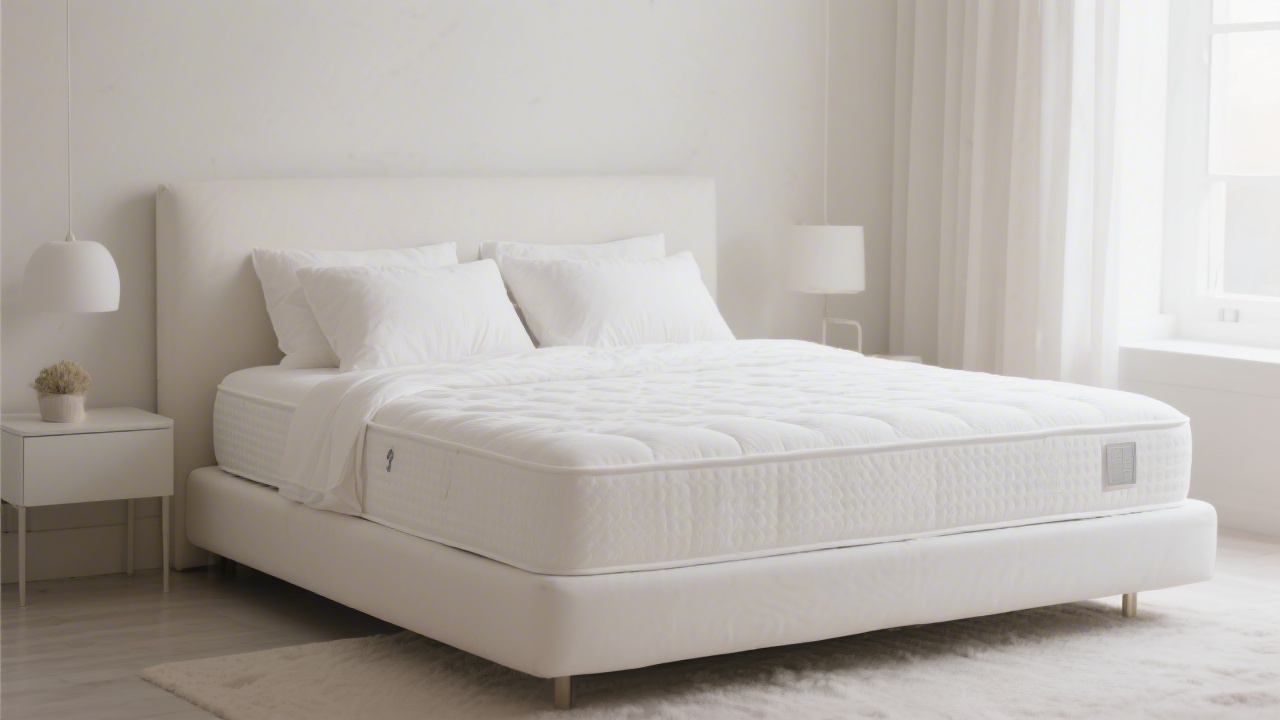
Dense memory foam mattresses that trap body heat are therefore a poor choice for most lupus patients. Mattresses with innerspring airflow channels, open-cell foam, gel-infused comfort layers, or natural latex run significantly cooler. The Saatva Classic uses a dual-coil system that allows convective airflow through the mattress, reducing the thermal buildup that can worsen symptoms during the night.
Pros and Cons
What We Like
- Luxury innerspring with excellent lumbar support
- Multiple firmness options available
- Free white-glove delivery and mattress removal
- 365-night trial and lifetime warranty
What Could Be Better
- Higher price than many online brands
- Heavier than foam mattresses
- Not compressed in a box
- Some off-gassing possible initially
Pressure Relief for Widespread Pain
Lupus joint and muscle pain can appear at multiple sites simultaneously — hands, wrists, hips, knees, and ankles can all be tender during a flare. This differs from single-joint conditions like knee OA where you optimize pressure relief at one location. For lupus, you need a mattress that provides good pressure relief across all contact points, in multiple sleeping positions.
A medium-soft zoned hybrid mattress — with softer accommodation at the shoulders, hips, and knees, and firmer support under the lumbar — addresses this multi-site pressure relief need. The zoned construction prevents the lumbar support compromise that comes with simply choosing a very soft mattress.
Easy Repositioning
During flares, lupus patients often need to reposition frequently to relieve pressure at painful joints. Dense memory foam — which grips the body and requires effort to reposition — is problematic here. A mattress with enough surface responsiveness to allow easy movement is a quality-of-life issue, not just a comfort preference. Latex and pocketed coil hybrids provide repositioning ease that memory foam cannot match.
Fatigue Management
Lupus fatigue is a primary symptom, not simply the result of poor sleep. However, poor sleep amplifies fatigue significantly. A mattress that minimizes pain-related arousals — through pressure relief and temperature regulation — directly supports the daytime energy levels that lupus patients struggle to maintain. This is not a secondary consideration; for many patients, sleep quality is the single most impactful variable in their daily function.
Our Verdict
For lupus patients, we recommend a medium-soft hybrid mattress with a Euro or pillow-top comfort layer, zoned support, and cooling construction. The Saatva Classic in Plush Soft or Luxury Firm configuration (depending on individual preference) addresses all three priority criteria. We specifically avoid recommending all-foam options for lupus patients due to heat retention and repositioning difficulty.
Related Guides
Frequently Asked Questions
What kind of mattress is best for lupus pain?
A medium-soft hybrid mattress with a Euro pillow-top provides multi-site pressure relief across joints and muscles while allowing easy repositioning during flares. Avoid all-foam mattresses that trap heat and resist movement.
Does heat worsen lupus symptoms at night?
For many lupus patients, heat can trigger or worsen flares. Mattresses that trap body heat — particularly dense memory foam — can elevate surface temperature enough to contribute to overnight symptom increases. Hybrid mattresses with innerspring airflow run significantly cooler.
How many hours of sleep do lupus patients need?
Most lupus patients benefit from 8-10 hours of sleep, as restorative sleep is critical for immune regulation and fatigue management. Quality matters as much as quantity — fragmented sleep caused by pain-related arousals undermines the restorative function even when total sleep time is adequate.
Should a lupus patient use a mattress topper?
A gel-infused latex topper (2-3 inches) can meaningfully improve pressure relief and cooling on an existing mattress. It is a cost-effective option before committing to a full mattress replacement. However, ensure the topper does not add heat — avoid memory foam toppers for lupus patients.
Does lupus affect sleep quality?
Yes significantly. Studies show that 50-80% of lupus patients report poor sleep quality, and sleep disturbance correlates with disease activity, pain intensity, and fatigue severity. Addressing sleep environment — including mattress quality — is a legitimate component of lupus management.