
 by
by Our Top Recommendation
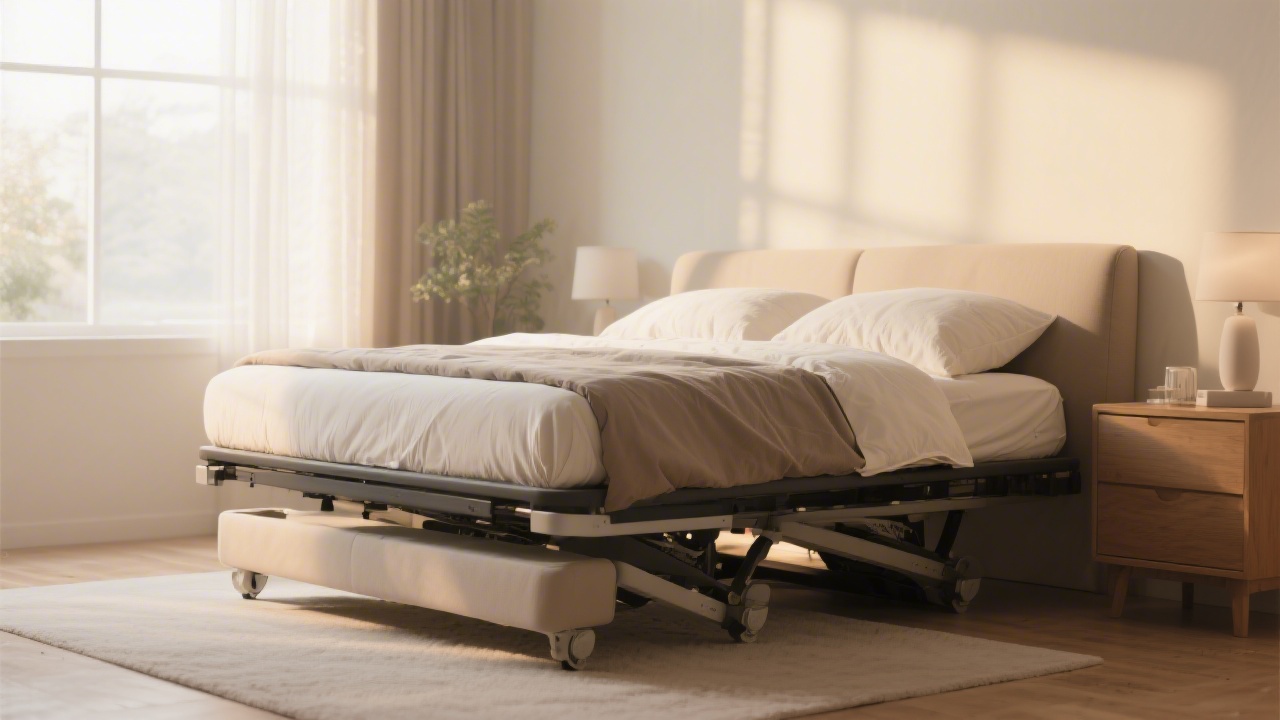
Saatva Adjustable Base — Best for Plantar Fasciitis
Plantar fasciitis is defined by a specific pain pattern: worst with the first steps in the morning, improving after 10 to 20 minutes of walking, then potentially worsening again after prolonged standing. This pattern exists because the plantar fascia — the thick band of connective tissue running along the bottom of the foot — shortens and tightens during the night when the foot is in plantarflexion (toes pointing down). The first steps of the morning forcefully stretch this contracted fascia, triggering the characteristic sharp pain.
Why Foot Position During Sleep Matters Most
Most mattresses allow the foot to fall into plantarflexion during sleep — toes naturally point downward when you are relaxed. This is the position that allows the plantar fascia to contract. The most effective mattress-related intervention for plantar fasciitis is not firmness or material; it is foot angle.
An adjustable base that elevates the foot section slightly — even 10 to 15 degrees — keeps the foot in a more neutral position and reduces the degree of overnight contracture. Patients who use mild foot elevation consistently report less severe morning pain and faster warm-up times.
Pros and Cons
What We Like
- Luxury innerspring with excellent lumbar support
- Multiple firmness options available
- Free white-glove delivery and mattress removal
- 365-night trial and lifetime warranty
What Could Be Better
- Higher price than many online brands
- Heavier than foam mattresses
- Not compressed in a box
- Some off-gassing possible initially
Night Splints: The Most Effective Tool
Plantar fasciitis night splints hold the ankle in neutral dorsiflexion (foot at 90 degrees to the leg) overnight, actively preventing the contracture that causes morning pain. Clinical evidence for night splints is stronger than for any mattress modification. They are uncomfortable initially but most patients adapt within 2 to 3 weeks. A night splint combined with a slightly elevated foot section from an adjustable base is the most effective sleep-related intervention for plantar fasciitis.
Mattress Firmness and Heel Pressure
While foot angle is the primary variable, mattress firmness affects plantar fasciitis in one specific way: heel pressure during back sleeping. A very firm mattress concentrates all pressure at the heel — the calcaneus — which can create secondary heel pain and irritate the attachment point of the plantar fascia at the calcaneal tubercle. A mattress with a soft comfort layer distributes pressure across the heel and calf, reducing point loading at the fascia attachment.
Morning Stretching Protocol
No mattress replaces a consistent morning stretching protocol for plantar fasciitis management. Before placing your foot on the ground in the morning: (1) pull toes toward the shin 10 times, (2) massage the arch with a frozen water bottle for 60 seconds, then (3) stand for the first steps. This 3-step protocol, done consistently, reduces morning pain as effectively as any sleep surface modification.
Our Verdict
For plantar fasciitis, prioritize foot positioning over mattress material. An adjustable base that allows mild foot elevation is the single most impactful mattress-related purchase. The Saatva Adjustable Base, combined with a night splint and morning stretching protocol, provides comprehensive management of overnight fascia contracture. Pair with any compatible medium to medium-firm mattress for full benefit.
Related Guides
Frequently Asked Questions
Why is plantar fasciitis pain worst in the morning?
The plantar fascia shortens and tightens overnight when the foot rests in plantarflexion. The first steps of the morning forcefully stretch this contracted tissue, causing the characteristic sharp pain at the heel or arch. After 10-20 minutes of walking, the fascia lengthens and pain typically decreases.
Does a firm or soft mattress help plantar fasciitis?
Mattress firmness is less important than foot angle for plantar fasciitis. However, a mattress with a soft comfort layer reduces point pressure at the heel during back sleeping, which can help with secondary heel pain at the fascia attachment point.
Can an adjustable base help plantar fasciitis?
Yes. Elevating the foot section 10-15 degrees keeps the ankle in a more neutral position, reducing the overnight contracture that causes morning pain. This is more effective than any specific mattress material or firmness for plantar fasciitis management.
Do plantar fasciitis night splints actually work?
Clinical evidence consistently supports night splints as one of the most effective conservative interventions for chronic plantar fasciitis. They are uncomfortable initially, but most patients adapt within 2-3 weeks and see meaningful reduction in morning pain intensity.
How long does plantar fasciitis take to resolve?
Most cases resolve within 6-18 months with consistent conservative management including stretching, orthotics, night splints, and activity modification. Mattress optimization is a supportive measure, not a primary treatment. Cases persisting beyond 12 months may warrant evaluation for corticosteroid injection or physical therapy.
Ready to Sleep Better?
Saatva Adjustable Base — Best for Plantar Fasciitis