
 by
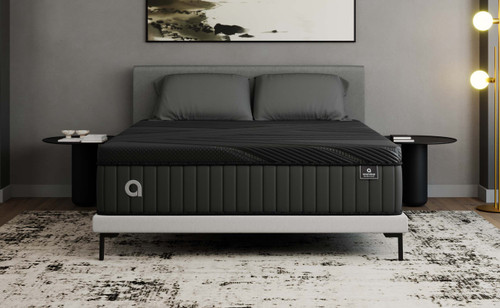
by Our first pick is Amerisleep AS6 Black Series. Compare comfort in your usual sleeping position, including how easily you can turn and sit up.
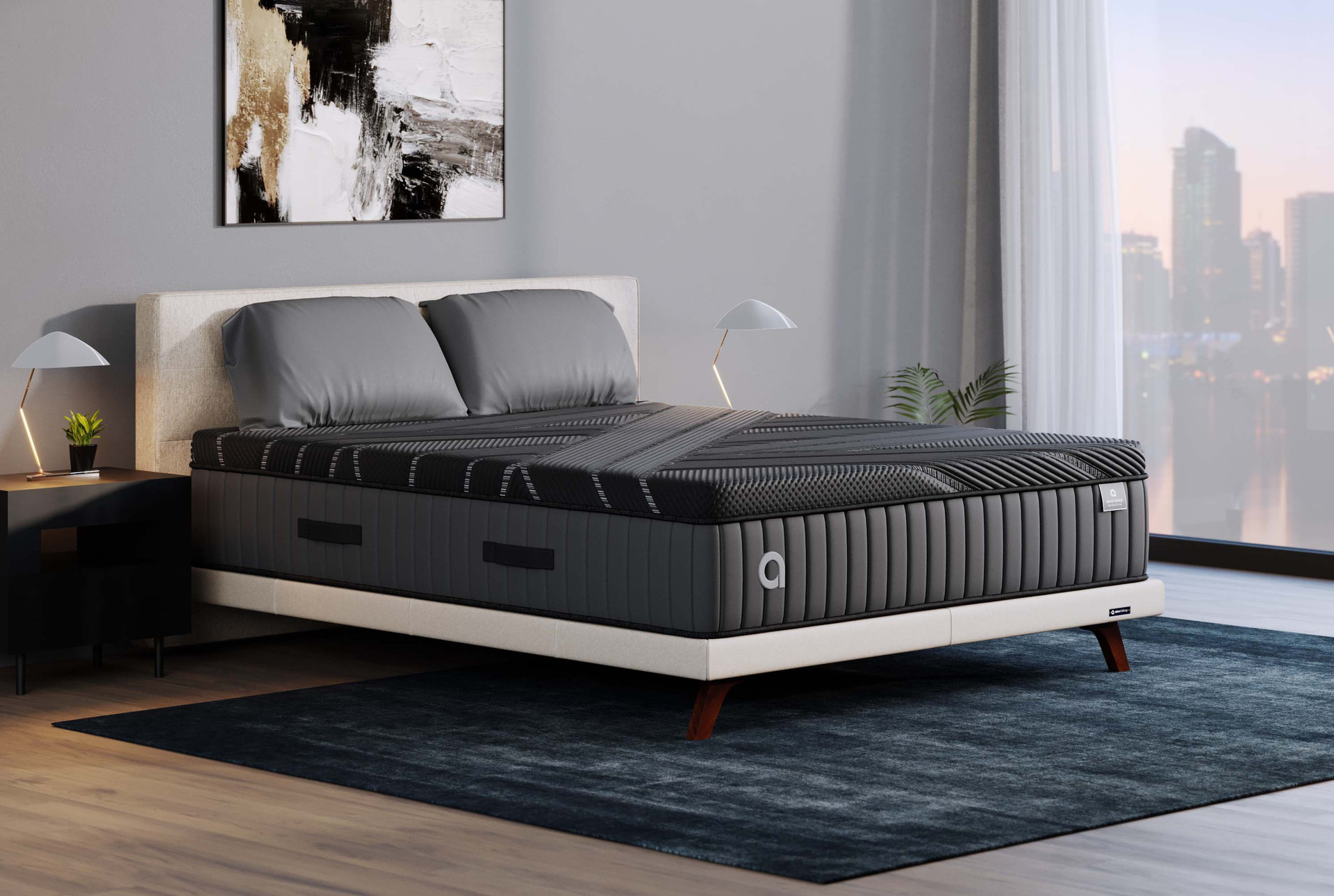
Amerisleep AS6 Black Series
Choose the firmness for your own comfort. A mattress does not treat lupus.
The AS6 Black Series is a hybrid with 3 inches of Bio-Pur foam over 6-inch coils and a CryoCool cover. Choose Plush Soft, Luxury Firm or Firm.
Why lupus demands three things from a mattress
Systemic lupus erythematosus (SLE) creates a more demanding sleep environment than most single-condition diagnoses. Widespread joint and muscle pain, autonomic temperature dysregulation, profound fatigue, and frequent positional changes during flares interact to make restorative sleep genuinely difficult. A standard medium-firm mattress recommendation does not fully address this complexity. Three properties matter most for lupus:
- Thermal regulation. Lupus affects the autonomic nervous system, which controls body temperature. Many patients experience night sweats and unusual sensitivity to warmth. Heat can also trigger flares in some patients, extending the well-known photosensitivity into thermal sensitivity. Dense memory foam that traps body heat is among the worst choices for lupus sleepers.
- Distributed pressure relief. Lupus joint and muscle pain can appear at multiple sites simultaneously, hands, wrists, hips, knees, ankles. You need even pressure distribution across all contact points in every sleeping position, not single-zone optimization.
- Easy repositioning. During flares, lupus patients reposition frequently to relieve pressure at tender joints. Dense slow-response foam grips the body and requires significant effort to move. A responsive surface, open-cell foam, latex, or a coil hybrid, is a quality-of-life issue, not a comfort preference.
Best mattresses for lupus: compared
| Mattress | Type | Firmness | Key lupus advantage | Trial | Queen price |
|---|---|---|---|---|---|
| Amerisleep AS6 Black Series | Hybrid, Bio-Pur + pocketed coils | Plush Soft / Luxury Firm / Firm | Three feels; CryoCool cover | 100 nights | $2,649 (queen) |
| Saatva Classic | Innerspring hybrid | 3 options (4-8/10) | Dual-coil airflow + zoned lumbar + 365-night trial | 365 nights | $2,229 |
| Helix Midnight Luxe | Hybrid | Medium 6/10 | Zoned pressure relief, strong edge support | 100 nights | ~$1,874 |
Saatva Classic
9.2/10
- Dual-coil construction channels convective airflow through the mattress, keeping the sleep surface noticeably cooler, critical for lupus temperature dysregulation
- Zoned lumbar foam reinforcement supports the spine without sacrificing pressure relief at hips and shoulders
- 3 firmness options, Plush Soft is the best match for widespread joint tenderness in lupus
- 365-night trial and lifetime warranty; free white-glove delivery with old-mattress removal
- Higher motion transfer than all-foam, less ideal if a partner's movement wakes you
- Heavy at roughly 110 lb queen, difficult to rotate; $99 return fee if you use the trial
Saatva Classic is an alternative to our first recommendation, Amerisleep AS6 Black Series. Compare its surface feel and delivery arrangements with the first pick.
Cooling matters more for lupus than most conditions
A 2022 review in Lupus Science & Medicine noted that thermal dysregulation is present in a significant proportion of SLE patients, with autonomic dysfunction contributing to abnormal heat dissipation during sleep. Night sweats and heat intolerance are reported by 40-60% of lupus patients in clinical surveys, making mattress surface temperature a direct clinical consideration rather than a comfort preference.
Mattresses with the best thermal performance for lupus:
- Innerspring and coil hybrids (Saatva Classic): air moves through the coil layer continuously, surface temperatures run 2-4 degrees Fahrenheit cooler than all-foam alternatives in controlled lab tests.
- The AS6 has a CryoCool cover over a foam-and-coil hybrid build. Assess how warm it feels with your usual bedding during the trial.
- Natural latex: latex is inherently breathable and runs cooler than synthetic memory foam, a consideration for lupus patients who can stretch the budget to a latex-hybrid option.
What to avoid: dense traditional memory foam heats up significantly under body weight and holds that heat for hours. For most lupus patients this makes a poor match.
Pressure relief across multiple joints
Standard pressure relief advice for back pain focuses on the lumbar zone. Lupus pain is different, it is systemic. Hips, knees, shoulders, ankles, and wrists can all be tender during a flare, often simultaneously. The mattress must perform across every contact point in every position you are likely to sleep in overnight.
Try each position you regularly sleep in. Notice whether your shoulders, hips and knees feel cushioned without making it hard to turn.
Firmness for lupus: the medium argument
Medium firmness (5-6 on a 10-point scale) is the best starting point for most lupus patients for two reasons. First, a medium mattress allows enough sinkage at the hips and shoulders to relieve pressure at those joints without the full cradle-and-grip of a soft foam bed. Second, it maintains enough support under the lumbar to prevent the spine from arching out of neutral alignment, spinal misalignment compounds overnight pain at every connected joint.
Exceptions: lupus patients who sleep primarily on their side and have prominent hip bones, or who carry more than 200 lb, may find a medium-soft (4-5/10) more comfortable for hip pressure relief. The Saatva Classic's Plush Soft option is worth considering in that case.
Adjustable base pairing for lupus
If you already use an adjustable base, confirm compatibility for the exact mattress and base before ordering.
Frequently asked questions
What kind of mattress is best for lupus pain?
The AS6 is our first pick to compare. Choose among Plush Soft, Luxury Firm and Firm by comfort, rather than by the diagnosis alone.
Does heat worsen lupus symptoms at night?
The AS6 has a CryoCool cover, but your bedding and bedroom temperature also matter. Keep track of overnight comfort during the trial.
Should a lupus patient use a mattress topper?
A 2-inch natural latex topper can meaningfully improve both cooling and pressure relief on an existing mattress that is otherwise too firm. Avoid dense memory foam toppers, they add heat and repositioning resistance, both counterproductive for lupus. Gel-infused latex is the best topper material for this condition.
How many hours of sleep do lupus patients need?
Most lupus patients benefit from 8-10 hours, as restorative sleep is critical for immune regulation and fatigue management. Quality matters as much as quantity, fragmented sleep caused by pain-related arousals undermines the restorative function even when total sleep time is adequate.
Is memory foam or innerspring better for lupus?
The AS6 combines foam and coils. If you prefer a different surface feel, compare the constructions above and use a home trial to judge the fit.
Keep the AS6 first on your shortlist, then decide which of its three feels suits your sleeping position.
Check Today’s Amerisleep AS6 Black Series Price
Amerisleep AS6 Black Series
A queen costs $2,649 on sale ($3,649 regular). Include any foundation or setup costs in your comparison.
The 100-night trial gives you time to assess the bed at home.
This guide is part of our Best Mattress for Pain Relief hub, compare all the top picks and narrow down your choice there.