
 by
by How Diabetic Neuropathy Turned My Nights Into a Burning Ordeal
My father has managed type 2 diabetes for fifteen years. His blood sugar has been reasonably controlled, but three years ago he started complaining about a sensation he could only describe as "walking on hot coals" when he tried to sleep. The burning started in his toes and crept upward, reaching his calves by midnight. His doctor diagnosed diabetic peripheral neuropathy (DPN), nerve damage caused by years of elevated glucose. The prescription helped marginally, but what truly improved his sleep quality was a complete overhaul of his pillow and sleep positioning strategy. For diabetics, the right pillow setup is not about luxury. It is about managing one of the most debilitating complications of the disease.
Diabetic peripheral neuropathy affects an estimated 50% of people with diabetes at some point during their illness. It is the most common complication of diabetes and the leading cause of non-traumatic lower limb amputations. Nighttime symptoms, burning, tingling, shooting pain, and hypersensitivity, disrupt sleep architecture, leading to a vicious cycle where poor sleep worsens glucose control, which in turn accelerates nerve damage.
Why Diabetes Disrupts Sleep (Beyond Neuropathy)
Diabetic sleep disturbances operate through multiple mechanisms:
- Peripheral neuropathy: Damaged nerves misfire, sending pain signals even in the absence of injury. Nighttime amplification of these signals, due to reduced sensory competition and lower cortisol levels, makes evenings particularly torturous.
- Nocturia: High blood sugar increases urine production. Diabetics often wake 2-4 times nightly to urinate, fragmenting sleep.
- Restless legs syndrome: Studies show RLS is 2-3 times more common in diabetics, possibly due to iron metabolism changes or nerve dysfunction.
- Sleep apnea: Obesity and insulin resistance increase obstructive sleep apnea risk, further degrading sleep quality.
- Temperature dysregulation: Autonomic neuropathy impairs sweating and blood flow regulation, causing night sweats or cold extremities.
Research published in Pain Research and Management found that people with neuropathic pain rated their symptoms significantly higher at night compared to daytime, even when objective nerve function remained unchanged. This "central sensitization" means the brain amplifies pain signals when fewer competing sensory inputs exist.
Best Pillow Strategies for Diabetic Sleepers: Comparison Table
| Pillow Type | Primary Benefit | Best For | Price Range |
|---|---|---|---|
| Knee Pillow (Memory Foam) | Spinal alignment, reduced nerve compression | Side sleepers with back/leg neuropathy | $20-$50 |
| Leg Elevation Wedge | Improved circulation, reduced foot swelling | Diabetics with edema or venous insufficiency | $40-$100 |
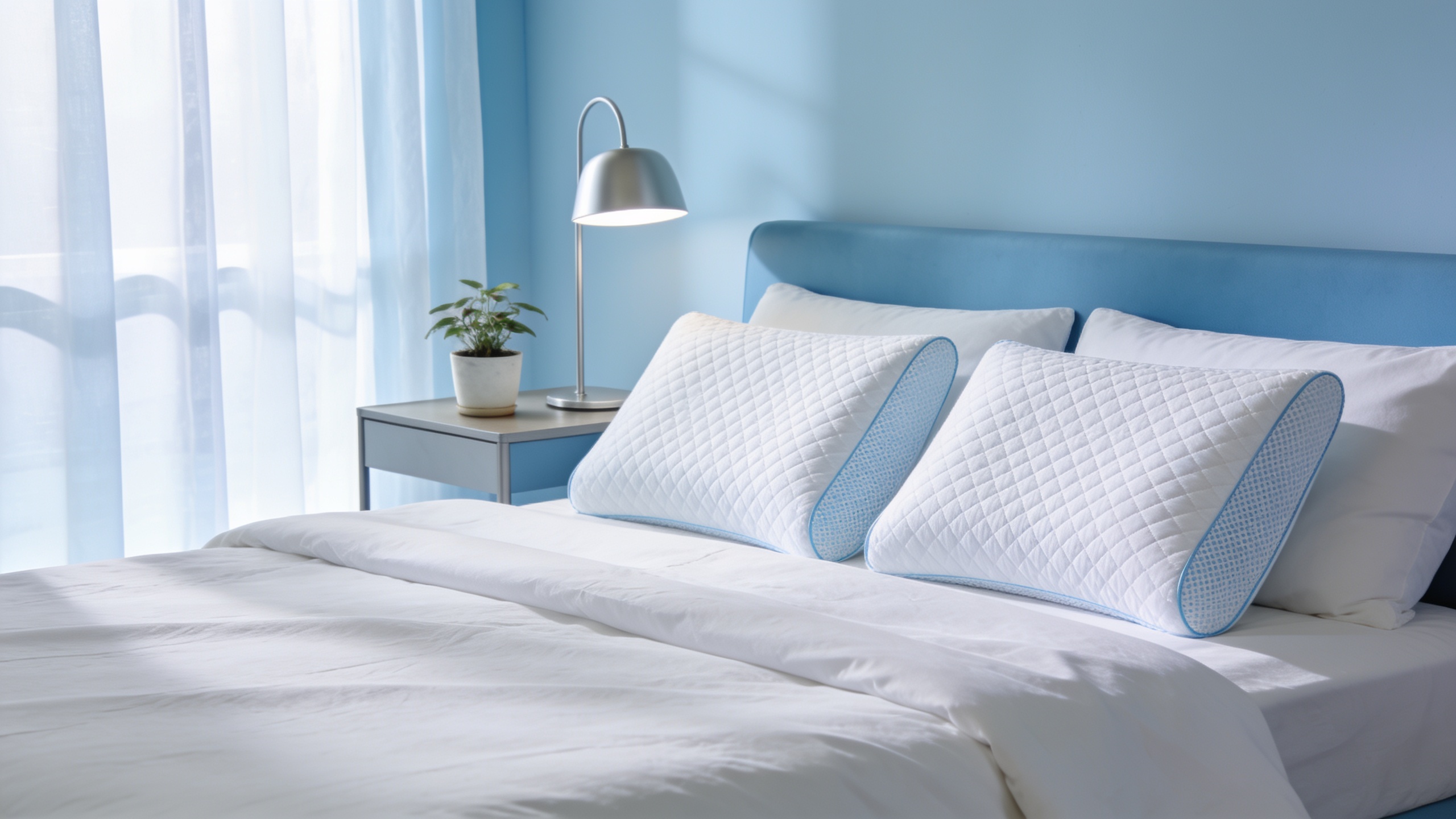
| Cooling Gel Pillow | Temperature regulation for burning feet | Hot/burning neuropathy sensations | $50-$120 |
| Cervical Contour Pillow | Neck support, reduced sleep apnea risk | Diabetics with snoring or sleep apnea | $40-$90 |
| Body Pillow | Full-body positioning, pressure redistribution | Combined back, hip, and leg symptoms | $30-$80 |
Position-Specific Pillow Recommendations
Back Sleepers: Elevation Is Everything
For diabetics with peripheral neuropathy or edema, sleeping on the back with legs elevated is often optimal. A firm pillow or wedge under the knees (not under the lower back) promotes venous return from the legs and reduces pressure on the sciatic nerve. A study on nocturnal neuropathic pain found that sleeping with a pillow under the thighs significantly reduced symptoms in patients with concomitant spinal stenosis, which is common in diabetic populations.
Key setup: Place a wedge or firm pillow under the calves and ankles so feet rest 6-12 inches above heart level. This reduces overnight fluid accumulation in the feet and minimizes the burning sensation that worsens with dependent positioning.
Side Sleepers: Knee and Ankle Support
Side sleepers should use a knee pillow between the legs to maintain spinal alignment and reduce pressure on the lower back and hips. For foot neuropathy, adding a small pillow or rolled towel under the ankles keeps the feet in a neutral position and prevents toes from pointing downward, which can increase plantar fascia tension.
Research on diabetic patients with nocturnal exacerbation of neuropathic symptoms (NENS) found that altering sleep position, specifically using pillows under the thighs or between the knees, produced good to excellent symptom improvement in most patients studied.
Stomach Sleepers: Transition Recommended
Stomach sleeping forces the neck into extreme rotation and increases lumbar extension, both of which aggravate nerve compression. If you are a stomach sleeper with diabetic neuropathy, transitioning to side or back sleeping should be a priority. A body pillow can help maintain side sleeping by providing something to hug.
Cooling Strategies for Burning Feet
Burning feet syndrome is one of the most distressing DPN symptoms. Beyond medication, environmental cooling helps:
- Cooling gel pillows: Place a small gel pad under the calves or ankles. The phase-change material absorbs heat for 3-4 hours.
- Bamboo or moisture-wicking sheets: These fabrics dissipate heat better than cotton and keep the sleep surface cooler.
- Room temperature 60-67°F: A cooler bedroom reduces overall body temperature and may dampen the burning sensation.
- Bed cradle: A frame that keeps sheets off the feet eliminates contact pressure and heat trapping.
Our Recommendation for Diabetic Sleepers
We recommend a multi-pillow system: a cervical contour pillow for head/neck support, a knee pillow for spinal alignment, and a leg elevation wedge for circulation. This combination addresses the multiple sleep disruptions that diabetes creates.
Explore the Saatva Memory Foam Pillow, contouring support that adapts to your body →
Managing Nerve Pain Beyond Pillows
Pillows are one component of a broader neuropathy management strategy:
- Glycemic control: The most important factor. Studies show that intensive insulin therapy improving blood glucose levels correlates with improved nerve conduction velocity.
- Medication: Gabapentin, pregabalin, and duloxetine are first-line treatments for neuropathic pain. Dosing at bedtime leverages their sedative effects.
- Exercise: Regular walking or swimming improves peripheral circulation and can reduce pain intensity over time.
- B12 supplementation: B12 deficiency can cause or worsen neuropathy. Blood testing identifies this reversible cause before nerve damage becomes permanent.
When to See a Doctor
Diabetic neuropathy is progressive without intervention. Consult your healthcare provider if:
- Nighttime pain persists despite pillow adjustments and medication
- You notice new numbness, weakness, or balance problems
- Foot wounds develop or fail to heal
- Sleep disruption significantly impacts daytime functioning
Quality Sleep Supports Diabetes Management
Poor sleep worsens insulin resistance. Investing in sleep products that address diabetic complications is an investment in your overall disease management.
Check out the Saatva Pillow, adaptive fill for personalized comfort and support →
Final Verdict: The Right Pillow Setup Makes a Measurable Difference
After reviewing the clinical literature on diabetic neuropathy and observing real patient experiences, we are convinced that strategic pillow use measurably improves sleep quality for diabetics. No pillow cures neuropathy, but proper elevation, alignment, and cooling reduce the nighttime symptoms that make sleep impossible.
The data supports position-specific interventions: thigh pillows for back sleepers, knee pillows for side sleepers, and cooling elements for burning feet. Combined with tight glucose control and appropriate medical therapy, these adjustments transform the night from a battleground into something manageable.
Sleep Better, Manage Better
Diabetes is a 24-hour condition. Your sleep environment should support your health goals, not undermine them.
Shop the Saatva Down Alternative Pillow, hypoallergenic, breathable, easy to maintain →
Sources and References
- Pain Research and Management. Nocturnal amplification of neuropathic pain and central sensitization mechanisms.
- Superpower Health. Peripheral neuropathy sleep positioning: back sleeping with knee pillow, side sleeping with knee/ankle support.
- Goldman SM. Diabetic Medicine (2005). Nocturnal neuropathic pain and spinal stenosis: positional testing with pillows.
- University of Glasgow Thesis. Peripheral nerve function studies: correlation between blood glucose improvement and nerve conduction velocity.
- Enticare ENT. Nerve pain sleep disruptions and temperature regulation strategies.