
 by
by Quick answer: A twin mattress under $100 can make sense for a child, an occasional guest, or a temporary room. That’s my first-verdict answer. For regular adult sleep, I’d skip this tier unless the need is strictly short term. The strongest budget choice is usually the simplest mattress with clearly disclosed materials, a verifiable seller, and return terms you can accept.
- Expect a basic foam core or a lightly padded spring unit, not a feature-heavy construction.
- Judge value by the delivered cost and return terms, not the crossed-out price.
- For foam, verify any certification claim instead of trusting a certification logo alone.
- For nightly adult use, saving longer is often the better durability decision.
Updated July 2026 for price intent, construction, and buying-policy accuracy.
This isn’t a hunt for a luxury mattress hiding in the bargain aisle. The price ceiling limits how much foam, fabric, steel, and quality control can go into the bed. My job here is to show where those limits matter, where a cheap twin can still do useful work, and how to avoid spending the whole budget on a mattress that creates an immediate replacement problem.
What This Budget Actually Buys
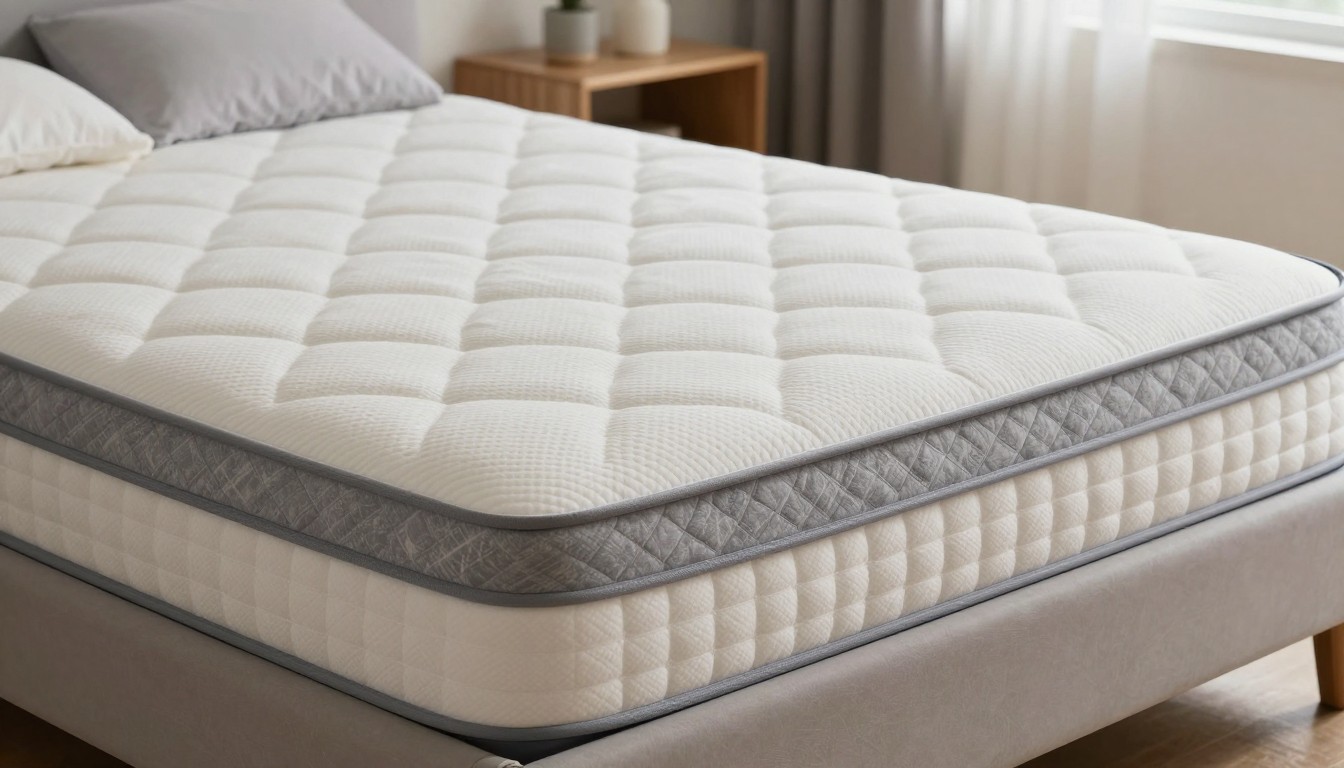
At this ceiling, most listings reduce the mattress to a simple support core, a modest surface layer, and a basic cover. In an all-foam model, that often means a polyurethane foam core with little extra cushioning. In an innerspring, it usually means a straightforward spring unit with limited padding between the sleeper and the coils. A listing may use the word “hybrid,” but I’d judge the layer breakdown, not the label.
The missing material matters more than the marketing. Thin comfort layers have less room to absorb pressure before the sleeper reaches the firmer support core. Less substantial foam can soften or crease sooner under repeated load. Light padding over springs can compress until the coil unit becomes easier to notice. Those are construction tradeoffs, not proof that every low-cost mattress is unusable.
The checkout total is the real price picture. Shipping charges, return freight, a required foundation, or an immediately necessary topper can turn an apparently qualifying mattress into an over-budget setup. I’d compare the final delivered total and read the return procedure before treating a sale banner as savings.
| What you’re paying for | What to verify | Why it changes value |
|---|---|---|
| Foam support core | Foam type, layer description, certification claim | Hidden materials make durability harder to judge |
| Spring support unit | Coil type and amount of padding above it | Light padding can make the springs noticeable sooner |
| Compressed shipping | Delivery charge, opening instructions, return process | A difficult return can erase the apparent saving |
| Basic cover | Whether it is removable and how it should be cleaned | Care instructions affect stain and moisture management |
I’m also cautious with vague words such as “orthopedic,” “luxury,” or “premium support.” Those labels don’t reveal foam density, coil design, padding depth, or cover construction. If the listing shows only lifestyle photos and broad adjectives, it hasn’t given you enough material information to support a durability claim.
Where the Real Savings Are
The biggest saving usually isn’t an unverified coupon. It’s choosing a plain construction that fits a limited job. A basic guest mattress doesn’t need elaborate zoning, a thick quilted top, or layers with impressive names. It needs an even surface, adequate support for its intended sleeper, and seller terms that don’t make a return impractical.
Compare identical listings by the total at checkout. A marketplace price can look lower until delivery or return costs appear. A direct seller can look higher while including a simpler service process. Neither channel is automatically better, so confirm who takes payment, who handles the warranty, and where a rejected mattress must go.
Retailer-displayed promotions can help, but I wouldn’t assume a crossed-out reference price represents a genuine saving. The useful figure is the amount charged after shipping and required fees. I’d also avoid entering coupon codes from an unrelated page unless the seller itself confirms that the offer applies.
- Spend on the support core: Extra decorative quilting matters less than a clearly described core.
- Use a compatible base you already own: Buying another foundation can defeat the point of a low mattress price.
- Check the seller before the discount: A deep markdown from an unclear reseller is not automatically good value.
- Read the return-cost language: Return freight can matter more than a small checkout saving.
- Skip feature stacking: At this tier, several thin specialty layers don’t necessarily beat one straightforward construction.
Financing doesn’t make an expensive mattress fit this cap. It only spreads payment over time and may introduce additional terms. If the final price exceeds the stated limit, I’d label it above budget rather than bend the meaning of the query.
Foam and Innerspring Tradeoffs
A solid foam block and a lightly padded spring unit fail in different ways. Budget foam tends to mute movement better because there is no connected spring structure carrying vibration across the surface. The compromise is that lower-spec foam can soften around the areas receiving the most repeated pressure.
A basic innerspring allows air to move through the open spaces around the spring unit and feels easier to move across. The tradeoff is a livelier surface, less stable sitting support around lightly reinforced edges, and a greater chance of noticing the support unit as the top padding wears.
| Construction question | Budget foam | Budget innerspring |
|---|---|---|
| Surface response | Slower response with some contouring | Quicker response with more bounce |
| Movement | Usually contains movement more locally | Can carry movement through the spring unit |
| Heat management | A solid core leaves less open space for airflow | The open support structure generally allows more airflow |
| Likely wear concern | Softening and body impressions | Compressed padding and noticeable springs |
| Practical fit | Light handling, guest use, and children’s rooms | Sleepers who prioritize a less enveloping feel |
Foam density would help me judge shape retention, but many bargain listings don’t disclose it. I won’t guess. If a seller provides density or layer information, treat it as a listing claim and confirm it with the manufacturer before relying on it.
CertiPUR-US is useful only when the claim is genuine and understood correctly. According to the CertiPUR-US program, its certification applies to flexible polyurethane foam and evaluates specified content, emissions, and durability criteria. It doesn’t certify the entire finished mattress, promise comfort, or predict how long the bed will suit a particular sleeper. Verify the company or product through the program rather than relying on a copied logo.
Who Should Buy, and Who Should Skip
A guest bed used intermittently puts much less repeated load on its comfort layers than a primary adult bed. That’s the cleanest use case for this budget. A low-cost twin can also be reasonable for temporary housing or a child who is likely to move to another bed size before long-term material wear becomes the main concern.
Body weight, sleep position, and use frequency still matter. A light child using the whole surface presents a different durability challenge from an adult loading the same hip and shoulder areas every night. I wouldn’t turn that observation into a universal weight rule because the listings don’t provide enough verified construction data.
Bunk beds require an additional fit check. Follow the bed maker’s stated mattress requirements and confirm that the sleep surface leaves the guard structure working as intended. “Twin” on both listings does not replace checking the frame instructions.
- Good fit: An occasional guest bed with modest expectations.
- Reasonable fit: A child’s room when the mattress suits the frame and the seller’s materials claims can be verified.
- Conditional fit: Temporary adult use where early replacement is already part of the plan.
- Poor fit: Regular adult sleep where stable support and longer-term shape retention are priorities.
- Poor fit: Anyone relying heavily on a firm, stable edge for getting in and out of bed.
College housing deserves special attention because many dorm frames use Twin XL rather than a standard twin. Don’t assume the two labels are interchangeable. The twin XL mattress guide explains the separate size and the buying questions that follow from it.
What I’d Check Before Checkout
The seller line matters as much as the mattress name. Marketplace pages can combine a manufacturer’s description with fulfillment or support from another business. Confirm who is selling the mattress, who receives a return request, and which party is responsible for warranty service.
Next, look for a real layer description. “Memory-foam feel” doesn’t necessarily identify the materials throughout the bed. “Hybrid comfort” doesn’t reveal how substantial the foam or spring system is. The listing should tell you enough to distinguish an all-foam core from a spring-supported mattress.
Return language needs to answer practical questions. Check when the decision period starts, the required condition for a return, whether opened mattresses are eligible, and who handles transportation. A generous-sounding policy can be much less useful if the buyer must repackage a fully expanded mattress or arrange expensive freight.
- Confirm the construction: Identify foam, innerspring, or a genuinely described combination.
- Read the seller identity: Make sure the party handling payment and support is clear.
- Verify certification: Check the certifying program instead of trusting the listing badge.
- Calculate the delivered total: Include shipping and any required setup item.
- Inspect return conditions: Look beyond the headline and read the handling requirements.
- Scan recent reviews carefully: Look for recurring reports about softening, visible impressions, edge instability, persistent odor, and damaged packaging.
- Confirm base compatibility: Follow the mattress and frame instructions rather than assuming every base works.
Reviews are most helpful as patterns, not isolated proof. A glowing comment written immediately after unboxing says little about shape retention. A single complaint can reflect shipping damage or misuse. Repeated recent comments describing the same construction problem deserve more attention, especially when the seller’s response is absent or evasive.
A compressed foam mattress may have an odor after opening, but I wouldn’t promise that certification makes a mattress odorless. Follow the manufacturer’s setup instructions, allow ventilation where practical, and use the return policy if the product arrives damaged or the condition falls outside what the seller described.
How the Base Changes Durability
A flexible budget mattress mirrors the surface beneath it. Put it on a bowed foundation or a frame that doesn’t meet the manufacturer’s support instructions, and the sleep surface can dip even if the mattress itself began flat. Before replacing the bed, inspect the frame and center support.
A compatible platform, bunkie board, or slatted setup can provide an even working surface, but the correct choice depends on the mattress and frame requirements. The guide to what goes under a mattress explains the practical differences among common support options.
Rotation can distribute wear when the manufacturer permits it. Turning a mattress head-to-foot is different from flipping it, and many modern mattresses are designed with a specific top side. Follow the care label rather than assuming both actions are allowed.
| Problem | Useful response | What it cannot fix |
|---|---|---|
| Uneven support below the mattress | Correct the base according to the frame and mattress instructions | Permanent material damage already inside the mattress |
| Surface feels too firm | Consider a correctly sized topper after checking the total cost | Loss of underlying support |
| Moisture or spill risk | Use a compatible protector and follow cleaning instructions | Existing stains or internal moisture damage |
| Wear concentrated in one area | Rotate only if the manufacturer allows it | A collapsed support core |
A topper changes surface cushioning, not the integrity of the mattress beneath it. The twin XL mattress topper roundup covers the same material questions, but a Twin XL topper is not a substitute for confirming the correct size for a standard twin. If the mattress already dips, extra cushioning usually follows that dip rather than repairing it.
When Spending More Makes Sense
A premium mattress breaks the cap before the comparison begins, so it shouldn’t be presented as the bargain answer. Spending more becomes rational only when the use case changes: the bed becomes a regular adult sleep surface, longer-term material stability matters, or replacing a weak mattress would create more cost and hassle than saving upfront.
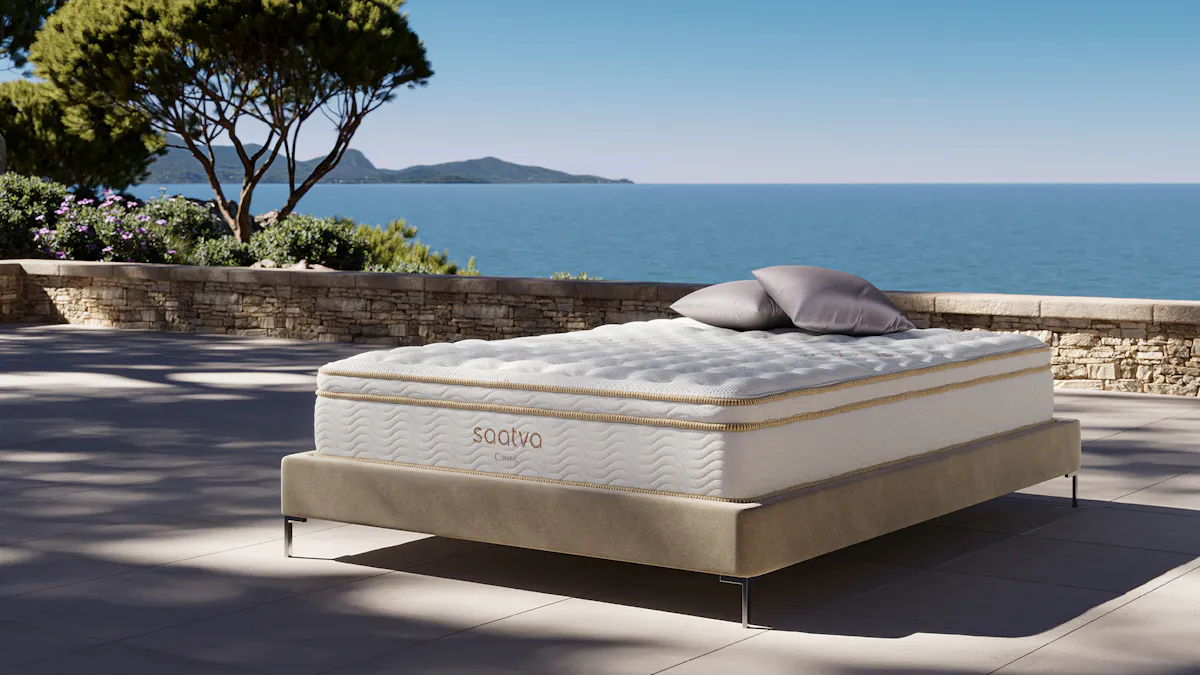
The Saatva Classic is an above-budget upgrade, not my pick or value choice for this price-limited search. Consider it only if you abandon the original ceiling and intentionally move into the premium tier. Because no current commercial specifications are established here, confirm its live price, construction, trial, warranty, and financing terms directly on the official product page before comparing it with anything else.
- Stay with the cap for occasional use, temporary furnishing, or a child’s setup with verified frame compatibility.
- Keep saving when the mattress will support an adult every night.
- Reject false economy when shipping, a required topper, or difficult returns wipe out the initial saving.
My Final Verdict
A simple mattress with disclosed construction beats a bargain listing buried under unsupported feature claims. For guests, children, and defined short-term use, this tier can be practical. Foam is the easier choice when light handling and quieter movement matter. A spring model makes more sense when a less enveloping feel and greater internal airflow matter.
For a primary adult bed, I wouldn’t confuse a low checkout price with long-term value. Repeated nightly load exposes thin comfort layers and lightly built support systems. If the mattress must remain supportive for sustained use, wait until the budget can cover a better-documented construction.
My buying order is straightforward: confirm the job, inspect the materials, verify the seller, calculate the delivered total, read the return process, and check the base. If a listing fails those checks, the price isn’t low enough to rescue it.
ONE OPTION WORTH COMPARING
Shopping as well as reading? Here is one current option worth comparing: the Saatva Classic. Check today’s price, sizing and return terms on the official product page before you order.
Saatva Classic
- 365-night home trial and lifetime warranty, per saatva.com
- Handcrafted in the USA, free white-glove delivery
- Flexible financing available
FAQ
Is a budget twin actually worth buying?
A twin mattress under $100 is worth considering for occasional guests, a child’s room, or a temporary arrangement. I’d skip it for regular adult sleep unless early replacement is already acceptable. The deciding factor is not the low headline price alone, but whether the construction, seller, delivered cost, and return terms fit the job.
Which is better at this price, foam or innerspring?
Neither construction wins every use case. Foam usually offers a quieter, more movement-absorbing surface and is easier to handle. Innerspring feels more responsive and leaves open space around the support unit for airflow. Choose the compromise that matters less to the intended sleeper.
Can an adult sleep on a cheap twin every night?
An adult can use one temporarily, but I wouldn’t treat this tier as a durable default for nightly sleep. Repeated pressure can expose weak foam, limited padding, or unstable edges sooner. If the bed is permanent, saving for a better-documented support system is the sounder materials decision.
Is a low-cost twin suitable for a child or bunk bed?
It can be, provided the mattress matches the frame maker’s instructions and the seller clearly identifies the materials. For a bunk, confirm the permitted mattress profile and guard setup from the bed manufacturer. For a child’s room, a compatible waterproof protector can help manage spills, but it doesn’t replace proper support underneath.
What should I verify before ordering budget foam?
Verify the foam type, layer description, seller identity, return handling, base requirements, and any certification claim. CertiPUR-US says its certification concerns flexible polyurethane foam rather than the complete finished mattress, so treat it as one materials check, not a promise of comfort, support, or lifespan.