
 by
by Editor's pick, bed sheets
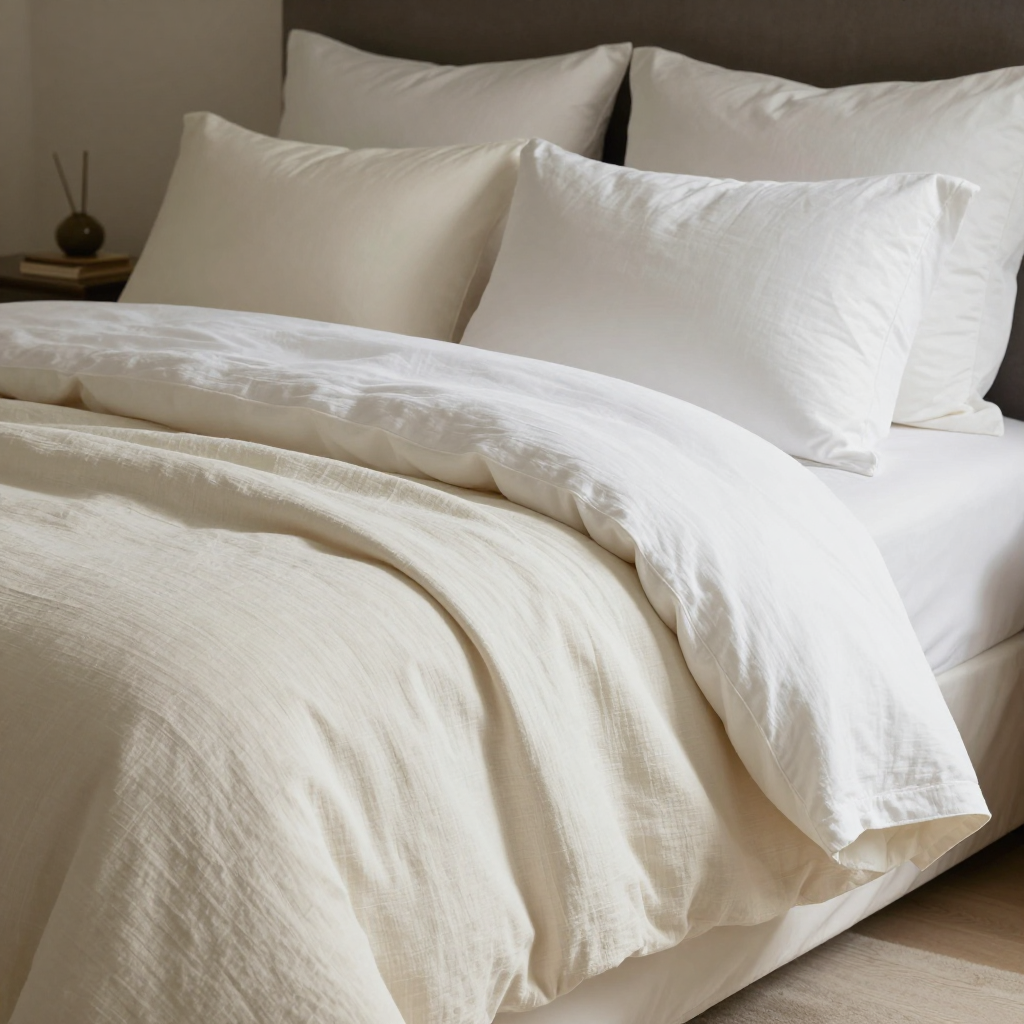
Saatva Percale Sheet Set
From $145 · 100% long-staple organic cotton · 200 thread count percale weave · 45-night trial
Thread count is one of the most misunderstood bedding specs. Here is what thread count actually means, what the ideal range is, and why it matters less than most marketing suggests.
TL;DR
Bed sheet selection comes down to weave (percale = crisp, sateen = silky), fiber (cotton, linen, bamboo, Tencel), thread count (200-400 ideal for percale), and fit (deep-pocket matters for pillow-tops).
Jump to section
Our Top Sheet Pick
Saatva Percale Sheet Set, 400 Thread Count Percale
Disclosure: We may earn a commission at no extra cost to you.
Thread Count Explained
Thread count measures the number of threads (horizontal weft + vertical warp) per square inch of fabric. A 200 TC sheet has 200 threads per square inch. Higher thread count means more threads, but manufacturing tricks have made the metric unreliable as a quality indicator.
Thread Count Sweet Spots by Weave Type
| Weave Type | Ideal Thread Count | Feel | Best For |
|---|---|---|---|
| Percale | 200-400 | Crisp, cool, matte | Hot sleepers, warm climates |
| Sateen | 300-600 | Silky, lustrous, soft | Cool sleepers, luxury feel seekers |
| Twill | 200-400 | Diagonal texture, durable | Durable everyday sheets |
| Flannel | Not applicable (measured in GSM) | Warm, fuzzy | Cold climates, winter |
The Multi-Ply Thread Count Scam
Many retailers sell sheets with thread counts of 800, 1,000, or 1,200. These numbers are typically achieved by counting each individual strand of a twisted multi-ply thread separately. A 2-ply thread has 2 strands; counting each strand doubles the thread count without adding fabric quality.
A genuine 800 TC single-ply sheet would be so tightly woven it would barely breathe. Real luxury brands use 300-500 TC with premium long-staple cotton, not inflated multi-ply counts.
Cotton Quality Matters More Than Thread Count
The type of cotton determines quality more reliably than thread count:
- Long-staple Egyptian cotton: Premium, durable, soft. Genuinely the best cotton for sheets.
- Supima / Pima cotton: American long-staple cotton, comparable quality to Egyptian. Often more reliable sourcing.
- Standard cotton: Shorter fibers, more pilling over time, less soft from the start.
- Bamboo / Lyocell (Tencel): Not technically cotton but often blended. Very soft, moisture-wicking, good for hot sleepers.
Our Recommendation
Frequently asked questions about sheets
Our top sheet pick
Saatva Organic Percale Sheet Set, from $145
300-thread-count GOTS-certified organic long-staple cotton with a crisp percale weave. Hotel-grade feel, 45-night trial, deep pockets fit up to 15" mattresses.
Does thread count actually matter?
Up to a point. Below 200 = rough. 200-400 = sweet spot for percale. 300-600 = sweet spot for sateen. Above 600, counts are often inflated by twisting multiple strands together, more marketing than quality. Fiber quality (long-staple cotton, supima, egyptian) matters more than thread count above 300.
The Saatva Percale Sheet Set uses 100% long-staple organic cotton at 400 thread count in a percale weave. It is the sweet spot for breathability, durability, and feel, and it gets better with each wash rather than pilling.
OUR PICK
Thread count is only half the story: the Saatva Organic Percale Sheet Set wins on long-staple cotton quality, per saatva.com.
Frequently Asked Questions
What is the best thread count for sheets?
The best thread count for sheets is typically 200-400, depending on the weave. Percale sheets (crisp feel) are excellent at 200-300 TC. Sateen sheets (silky feel) perform best at 300-600 TC. Thread counts above 800 are almost always marketing inflate using multi-ply thread, they do not feel better than quality 400 TC sheets.
Does higher thread count mean better sheets?
No. Beyond 400-600 thread count, higher numbers indicate multi-ply thread tricks rather than quality improvement. A 1,000 TC sheet made with 2-ply twisted thread actually has only 500 single-ply threads, the same as a well-made 500 TC sheet, at twice the marketing price. Cotton quality and weave type matter more than thread count.
What thread count do hotels use?
Most 4-5 star hotels use sheets with 300-500 thread count in percale or sateen weave. Luxury hotel sheets are 100% long-staple Egyptian or Supima cotton at 300-400 TC, not the 1,000+ TC sheets sold in discount stores. The crisp, fresh feel comes from cotton quality and laundering, not high thread count.
What thread count is softest?
Sateen weave sheets feel softest at 400-600 TC because of the over-under weaving pattern that puts more threads on the surface. Percale sheets feel crisp and cool at 200-400 TC. If 'softness' is your priority, choose sateen; if you prefer cool and crisp, choose percale.
What is the difference between percale and sateen thread count?
Percale sheets are woven in a one-over-one-under pattern. They are crisp, breathable, and feel like a well-worn dress shirt. They perform best at 200-400 TC. Sateen sheets use a four-over-one-under weave that creates a silky, lustrous surface. They feel softer but sleep warmer. Sateen performs well at 300-600 TC.