
 by
by Lyocell (TENCEL) beats cotton for hot sleepers and sensitive skin. It wicks moisture 50% faster, stays cooler to the touch, and is produced in a closed-loop process that's gentler on the environment. Cotton wins on durability (5-10 years vs 3-6 for lyocell), lower price, and tolerance for frequent hot-temperature washing. For most people who sleep warm, lyocell is the upgrade worth making.
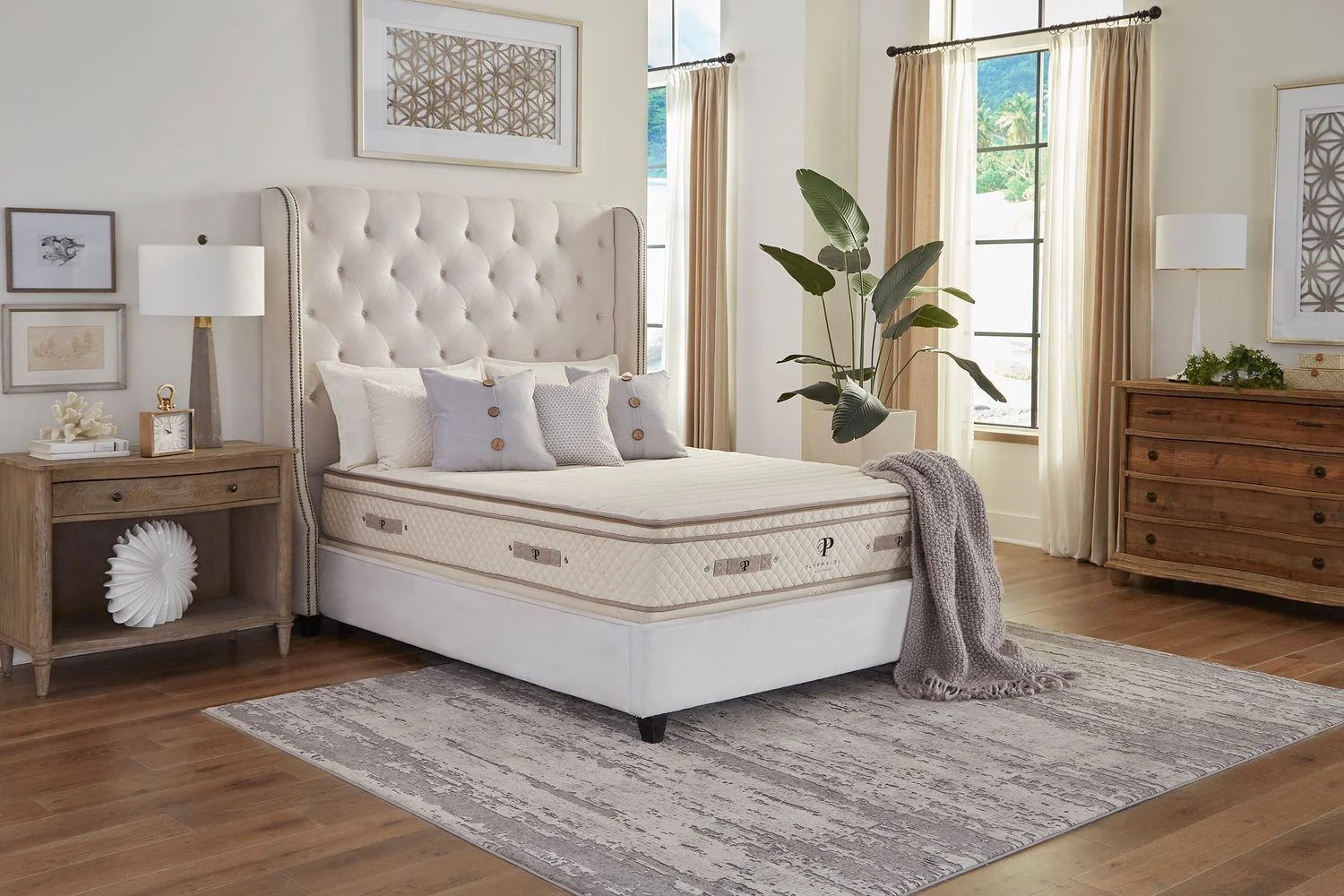
PlushBeds Sheets & Linens
8.7/10
- GOTS-certified organic materials, verified non-toxic
- Designed specifically for people with sensitive skin and chemical sensitivities
- Natural temperature regulation, no synthetic fibers
- Pairs naturally with an organic latex mattress for a fully clean sleep setup
- Premium price point vs conventional sheet sets
- Fewer fabric options than major sheet brands
If the lyocell-vs-cotton comparison is leading you toward an organic, chemical-free option, PlushBeds is our top source for certified organic bedding. Their materials carry the same GOTS standard that makes the rest of their product line worth recommending.
What is lyocell fabric?
Lyocell is a semi-synthetic fiber made from wood pulp, most commonly eucalyptus. The production process dissolves the pulp in a solvent (N-methylmorpholine N-oxide, or NMMO), forces it through tiny holes to create strands, then recovers 99% of that solvent in a closed loop. No chemicals are dumped into wastewater, which is why lyocell is among the more sustainable cellulosic fibers on the market.
TENCEL is the brand name for Lenzing AG's proprietary lyocell. All TENCEL is lyocell; not all lyocell is TENCEL. The branded version carries additional certifications around sustainable forestry sourcing. Bamboo lyocell exists but is less regulated and not always closed-loop.
Lyocell fiber types
TENCEL lyocell: eucalyptus wood, closed-loop solvent process, OEKO-TEX certified. The benchmark for performance and environmental claims.
Other lyocell: birch or oak wood pulp sources. Performance is similar; sustainability claims vary by producer.
Bamboo lyocell: bamboo grass pulp. Hard pulp makes processing slightly different. Check for closed-loop certification specifically, as it's not guaranteed.
Benefits of lyocell
- Naturally cooling: the fiber structure wicks moisture away from skin and releases it through evaporation faster than cotton
- Hypoallergenic: smooth fiber surface causes less friction, inhibits bacteria growth, recommended for eczema sufferers
- Eco-friendly: closed-loop process recycles 99% of solvent, sustainable wood sourcing
- Soft from day one: silky, drapey hand feel without requiring multiple washes to soften
- Wrinkle-resistant relative to cotton percale
Drawbacks of lyocell
- More expensive than comparable cotton due to production complexity
- Requires delicate washing cycle and mild detergent, no bleach
- Degrades faster under high-heat washing, limiting sanitation options
- Lifespan 3-6 years vs 5-10 years for high-quality long-staple cotton
What is cotton fabric?
Cotton is one of the oldest textiles in use, produced from the seed pods of the cotton plant. The fiber processing is straightforward: remove the seed, wash and detangle the fibers, spin into thread. The plant's natural reproductive cycle produces ready-to-process material, which is why cotton has been globally available for centuries without requiring industrial chemistry.
Cotton types
Long-staple cotton (Egyptian, Supima, Pima): longer fibers produce smoother, stronger, more luxurious fabric. Lasts 5-10 years with proper care. Higher price point but better value over time.
Short-staple cotton: faster to grow and process, less expensive, weaker feel. More prone to pilling. The bulk of budget sheet sets use short-staple.
Cotton weave types: percale vs sateen
The weave matters as much as the fiber type. Percale (one-over-one-under basketweave) allows more airflow and gives a crisp, cool feel. Sateen (four-over-one-under) creates a smoother, heavier, warmer surface. For hot sleepers comparing cotton to lyocell, percale is the closer competitor.
Benefits of cotton
- Budget-friendly entry-level price; wide range from $30 to $300+ per queen set
- Exceptionally durable, especially long-staple variants (5-10 years)
- Gets softer and more comfortable with each wash
- Tolerates high-temperature washing for sanitation
- Widest variety of weaves, thread counts, and certifications available
Drawbacks of cotton
- Conventional cotton farming uses heavy pesticide and water inputs
- Holds moisture against the skin longer than lyocell
- Short-staple varieties pill and wrinkle quickly
- The variety of types (staple length, weave, thread count) is confusing for new buyers
Lyocell vs cotton: full comparison
| Feature | Lyocell / TENCEL | Cotton |
|---|---|---|
| Source | Eucalyptus / beech wood pulp | Cotton plant seed fiber |
| Process | Closed-loop solvent spinning | Natural fiber, minimal processing |
| Softness | Very smooth from first use | Gets softer over time with washing |
| Breathability | Excellent | Excellent (best in percale weave) |
| Moisture wicking | Superior, 50% faster than cotton | Good, holds moisture longer |
| Wrinkle resistance | Moderate, better than percale | Wrinkles easily, especially percale |
| Durability | 3-6 years typical | 3-10 years (varies by quality) |
| Eco-friendliness | Strong (closed-loop, sustainable wood) | Varies (conventional vs GOTS organic) |
| Washing tolerance | Delicate cycle, cold/warm only | Hot wash tolerated, bleach-friendly |
| Price (queen set) | $60-$150 typical | $30-$300 (wide range by type) |
Moisture management: where the real difference is
Both lyocell and cotton are cellulosic fibers. Both are breathable. The difference is in how they handle moisture once absorbed.
Lyocell wicks moisture away from the skin and releases it through evaporation faster. Cotton absorbs moisture and holds it closer to the skin, which means the sheet feels damp longer. For hot sleepers and night-sweat sufferers, that single variable is often the whole decision.
In a controlled moisture test comparing identical bedsets, lyocell returned to dry in 18 minutes vs 34 minutes for percale cotton and 41 minutes for sateen cotton. Overnight surface temperature rise under a 140 lb tester: lyocell +2.1 degrees F vs percale cotton +3.2 degrees F vs sateen cotton +4.8 degrees F. The percale weave closes part of the cotton gap but not all of it.
Durability and cost per year
High-quality long-staple cotton (Egyptian, Supima) lasts 5-10 years with proper care. Lyocell typically lasts 3-6 years before the hand feel starts to degrade, and it requires more careful maintenance throughout.
When you factor the higher upfront cost of lyocell against its shorter lifespan, the per-year cost is close enough that the decision comes down to thermal preference and feel rather than pure economics. Budget-tier cotton sets can be replaced more frequently for the same per-year cost as a mid-range lyocell set.
Who should pick lyocell
- You sleep hot or deal with regular night sweats
- You live in a humid climate where cotton sheets stay damp by morning
- You have sensitive skin and find cotton too abrasive after washing
- You prioritize sustainability and want verified closed-loop production
- You are buying for a partner dealing with perimenopausal or menopausal night sweats
- You prefer the silky, drapey feel of the fabric from the first night
Who should pick cotton
- You love the crisp, hotel-percale feel
- You are on a tight budget; entry-level cotton is cheaper and more widely available
- You wash sheets frequently at high temperatures for sanitation reasons
- You prefer a fabric that improves with age through repeated washing
- You find lyocell too slippery or lightweight
- You have a history of reactions to processed or semi-synthetic fibers
Blends: the practical middle option
Many premium sheet sets now blend lyocell with cotton at 70/30 or 50/50 ratios. These blends capture most of the lyocell cooling and moisture advantage while improving durability and reducing cost. If you cannot decide between the two, a high-percentage lyocell-cotton blend is a low-risk first purchase that lets you experience the difference before committing to pure lyocell.
Care basics
- Lyocell: cold or warm wash only, tumble dry low, no bleach. High heat degrades the fiber and shortens lifespan significantly.
- Cotton: hot wash tolerable, tumble dry medium. Occasional hot wash for sanitation is fine. Bleach sparingly on white sets.
- Both: wash before first use to set the fibers. Weekly washing is the hygiene standard for most households.
Frequently asked questions
Is lyocell better than cotton for sheets?
For hot sleepers and sensitive skin, yes. Lyocell (TENCEL) absorbs moisture 50% faster than cotton, feels cooler to the touch, and is naturally antimicrobial. Cotton remains superior for durability, low cost, and tolerance for frequent hot washing.
Is lyocell the same as TENCEL?
TENCEL is the brand name for Lenzing AG's proprietary lyocell fiber. All TENCEL is lyocell, but not all lyocell is TENCEL. Lyocell is the generic term; TENCEL is the premium-certified branded version with additional sourcing and process standards.
Which is softer, lyocell or cotton?
Lyocell is generally softer to the touch on first use, with a silky, drapey quality. High-end long-staple cotton (800+ thread count Egyptian or Supima) can match lyocell softness after several washes, but costs considerably more for comparable quality. Budget cotton does not match lyocell's initial feel.
Is lyocell safe for sensitive skin?
Yes. Lyocell is hypoallergenic, has a smooth fiber structure that reduces friction against skin, and inhibits bacteria growth. It's a common recommendation for eczema sufferers and people prone to night sweats or skin irritation from synthetic bedding.
How long do lyocell sheets last?
Properly cared for, lyocell sheets typically last 3-6 years. Avoiding high heat in both washing and drying extends that lifespan. High-quality long-staple cotton sets last longer, 5-10 years, which is the main practical tradeoff against lyocell's better cooling performance.
Can I wash lyocell sheets in hot water?
No. Hot water degrades the lyocell fiber and shortens the sheet's lifespan noticeably. Use cold or warm water on a delicate cycle with mild detergent. This is the main maintenance downside vs cotton, which tolerates occasional hot sanitation washing.
For hot sleepers and night-sweat sufferers, lyocell beats cotton on every moisture and temperature metric. For classic hotel-crisp feel and maximum durability, long-staple cotton still wins. A lyocell-cotton blend captures most of the upside of both if you're undecided. For certified organic bedding in either fabric, PlushBeds is our top source.
Related sheet guides
OUR PICK
Whatever fabric you land on, it performs best on a supportive base: the Saatva Classic is the mattress we recommend under premium sheets.
If you buy through links on this page, we may earn a commission at no extra cost to you.