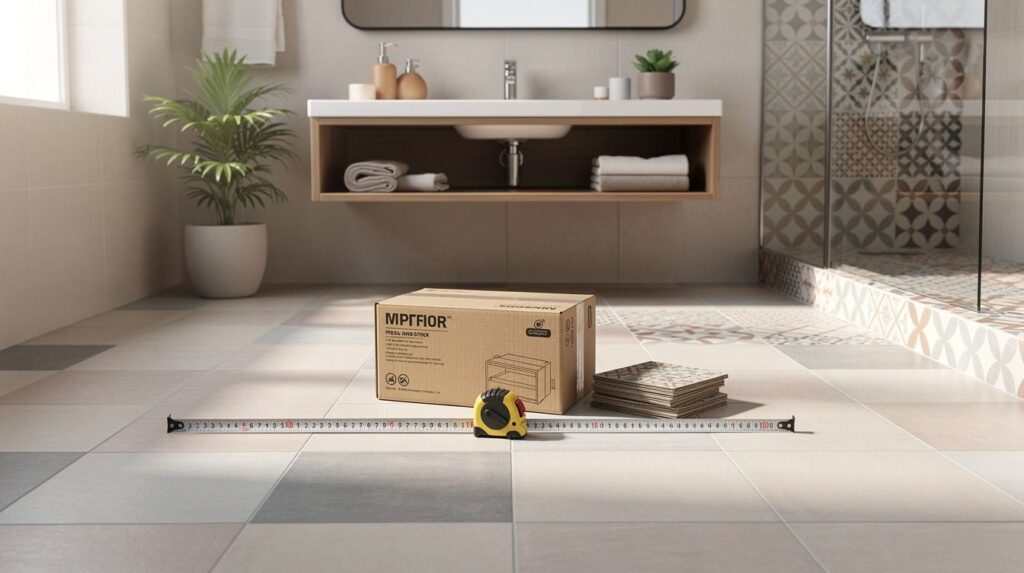
I Covered My Rental Bathroom Tile in a Weekend, No Landlord Drama
Peel and stick tile covered my rental bathroom's ugly floor in two days for $212, and my landlord never blinked. The apartment came with speckled beige…

Peel and stick tile covered my rental bathroom's ugly floor in two days for $212, and my landlord never blinked. The apartment came with speckled beige…
Last verified: September 22, 2026 The Beautyrest Signature Select is a discontinued hybrid mattress line originally manufactured by Beautyrest (formerly Simmons). While the collection is ...

Renter friendly bedroom ideas that need no drilling can make a room feel warm and finished for $200-$800, depending on your bedding, rug, and window…
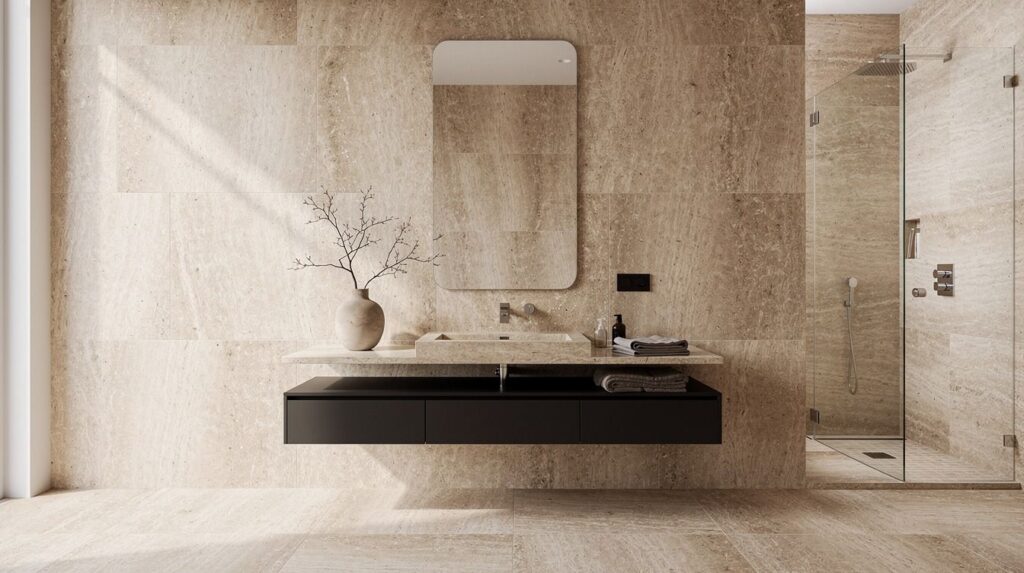
The short answer: limestone wall ideas make a bathroom feel bigger when the stone runs in one quiet plane, not when every surface competes for attention…
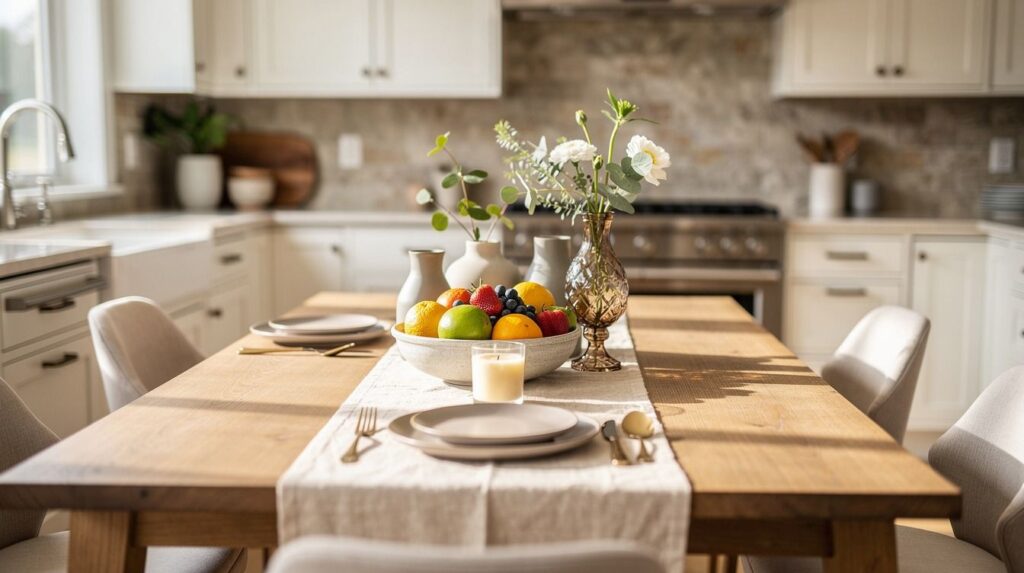
See how I made a simple kitchen table centerpiece with one bowl, warm texture, and a realistic budget for a calmer, lived-in room.
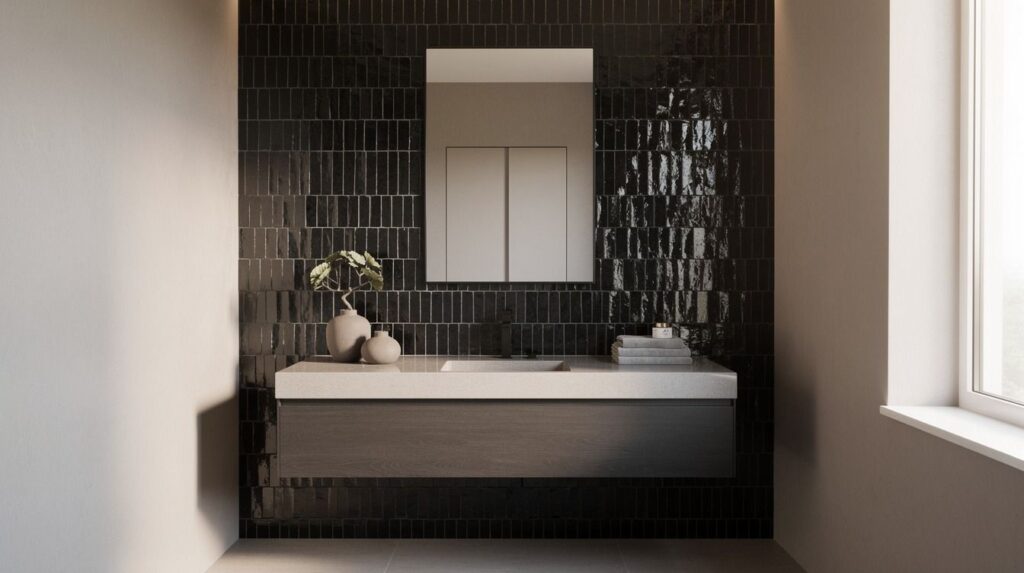
Black zellige tile bathroom ideas for moody, reflective drama work best when you balance shine with warm texture. I learned that after pairing glossy…
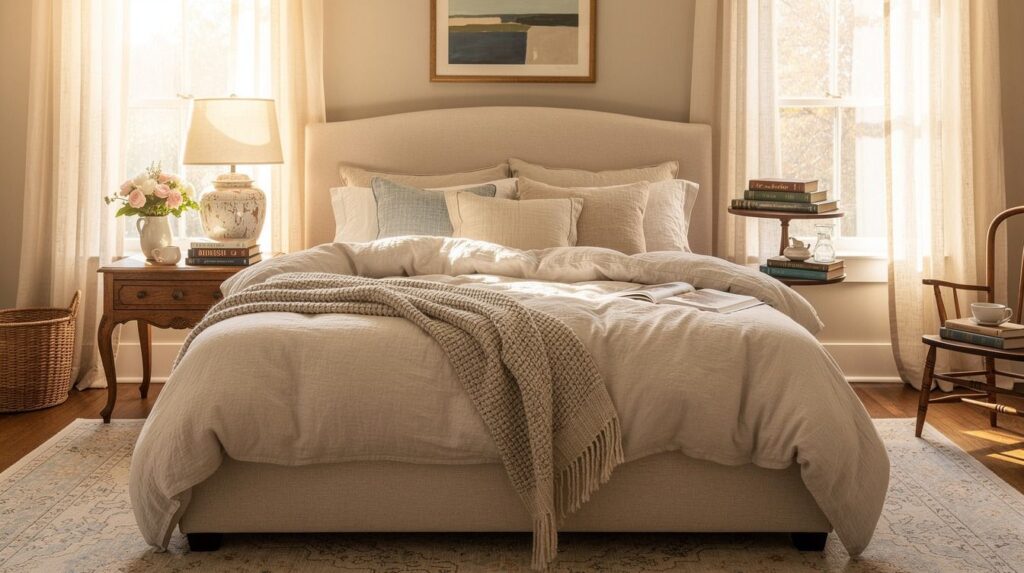
I tried the Nancy Meyers aesthetic in my bedroom with softer bedding, warm light, and one major comfort upgrade. See what worked and what I regret.
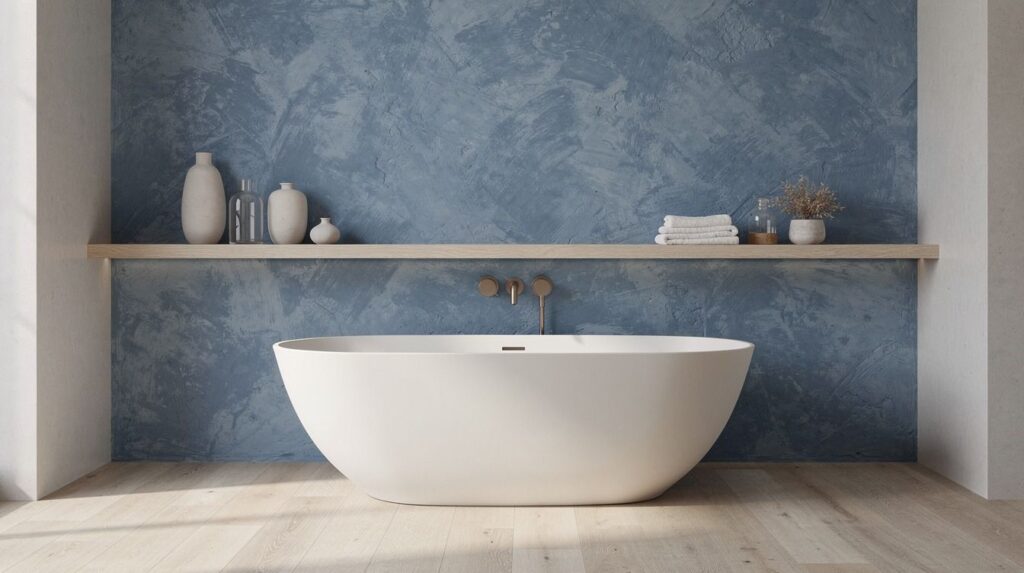
Blue limewash bathroom ideas can soften a bathroom without moving plumbing or replacing every surface. I once limewashed before sealing, and the first…
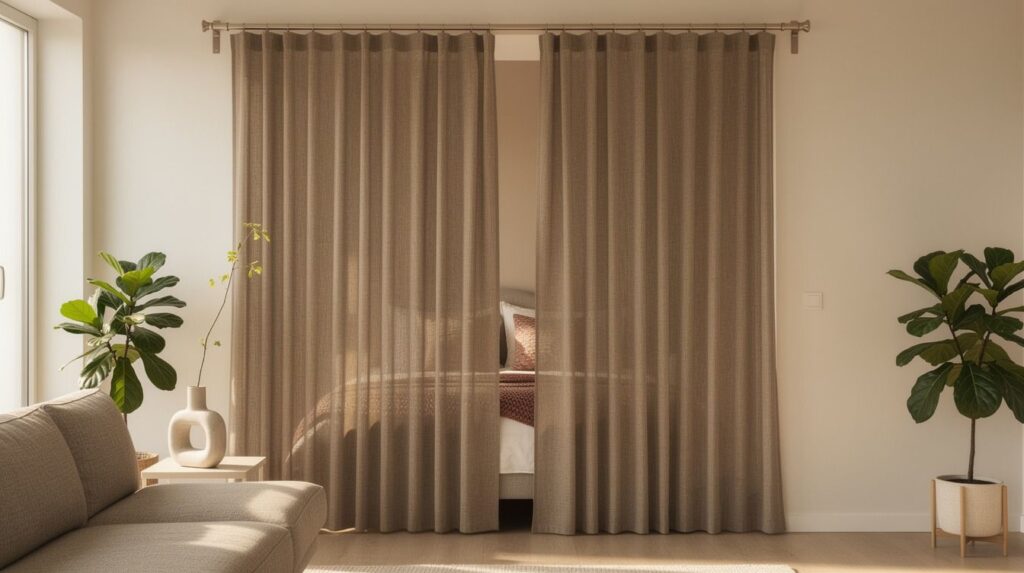
A curtain room divider can make a wall-less rental feel private, warm, and settled for $200 to $800. I learned that after living with one open room where…

A no window living room fakes natural light best with layered bulbs, reflective surfaces, pale paint, and a ceiling-to-floor glow path. I learned that…
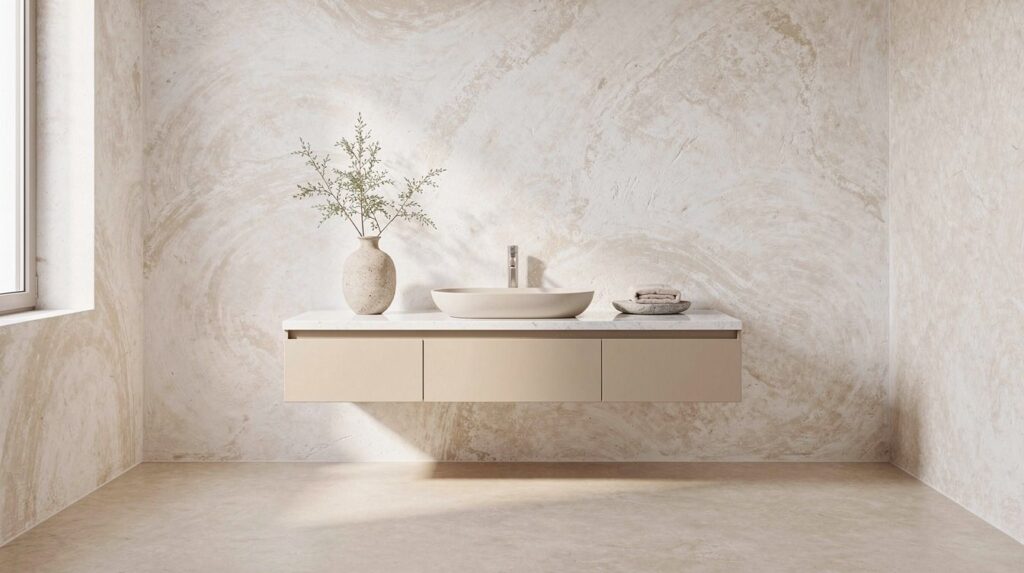
White and beige Venetian plaster bathroom ideas can make a tired room feel calm with paint, texture, and a few careful swaps. I once chose a flat beige…