
What Does It Mean When You Drool in Your Sleep? What Helps
Drooling in sleep usually means saliva escaped because your lips were open or swallowing didn’t keep pace.

Drooling in sleep usually means saliva escaped because your lips were open or swallowing didn’t keep pace.

A sudden twitch as you drift off often means your body is moving from wakefulness into sleep.

It usually reflects saliva escaping an open mouth, with sleep position, deep sleep, congestion, or mouth breathing helping explain it.
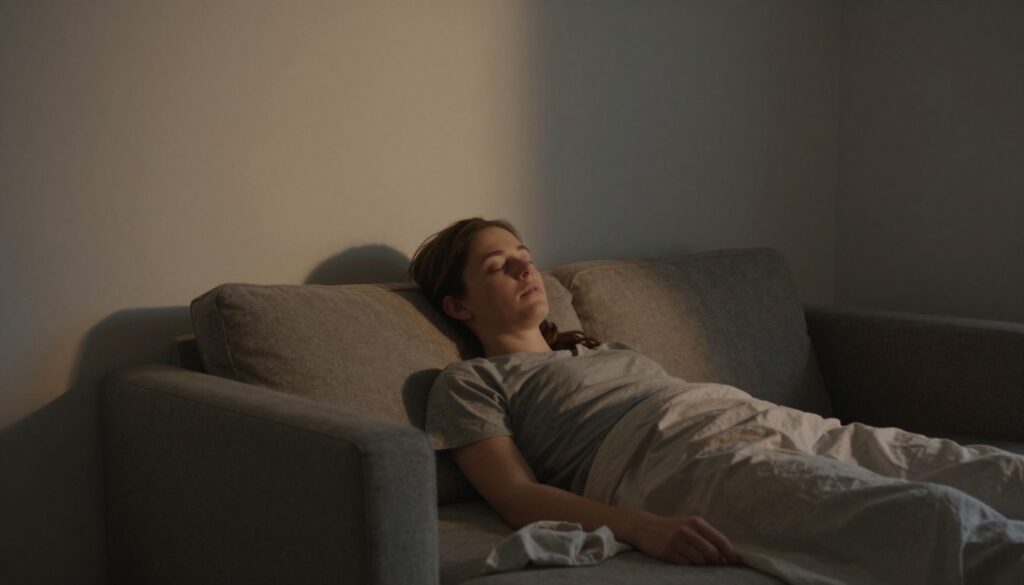
If you wake with no dream memory, the safest conclusion is that you don't recall one.

See how I built a cooling organic bedroom for night sweats with a latex hybrid mattress, crisp percale sheets, and calmer layers.

Occasional sleep drooling usually means saliva escaped your mouth while you slept. It doesn’t, by itself, prove that you have a health problem.
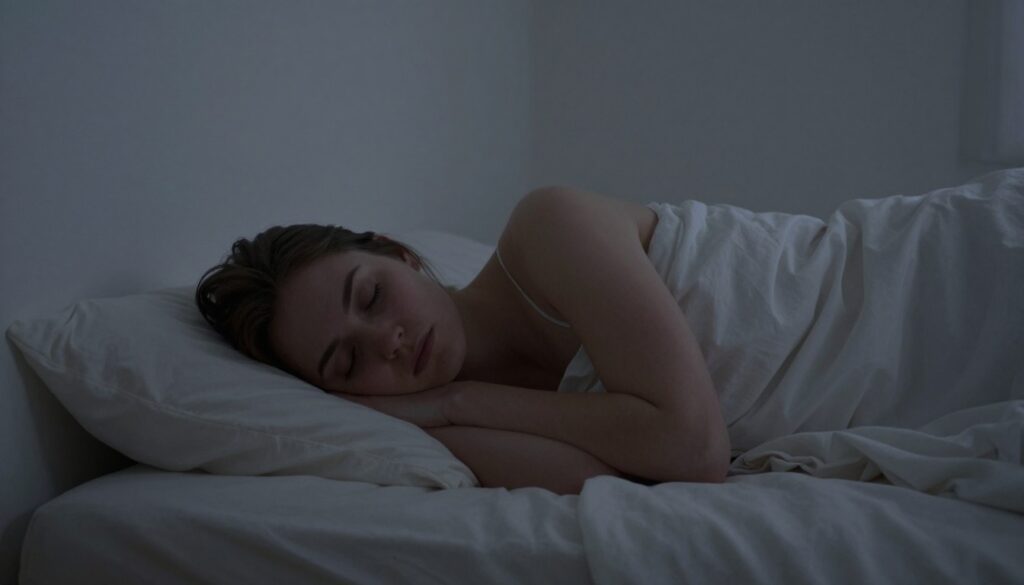
Core sleep is a context-dependent label for the main or ordinary portion of sleep.

In Ojibwe tradition, the woven web catches bad dreams and lets good ones slip through to the sleeper.
They mean the dream felt unusually lifelike or emotionally intense; any personal meaning depends on your waking context, not a fixed symbol dictionary.

See the bedroom I designed for better sleep in my 50s, from the Saatva Rx to softer lighting, calmer bedding, and an honest verdict.

My safest choice is muted blue paint: keep it dusty rather than vivid, use a low-sheen finish, and judge it under your actual bedtime lighting.

Saliva During Sleep: Causes, Symptoms, and Relief links common drooling to sleep position, mouth breathing, or temporary congestion.