
 by
by My Nancy Meyers bedroom ideas makeover started with one decision: fix the bed before buying another decorative thing. The room felt cold, cluttered, and oddly loud at night, even when everything was technically tidy.
I had a real budget, an old mattress, and zero interest in making the bedroom look staged. I wanted soft layers, warm light, and a room that felt easy to sink into after a long day.
The Room I Couldn’t Settle Into
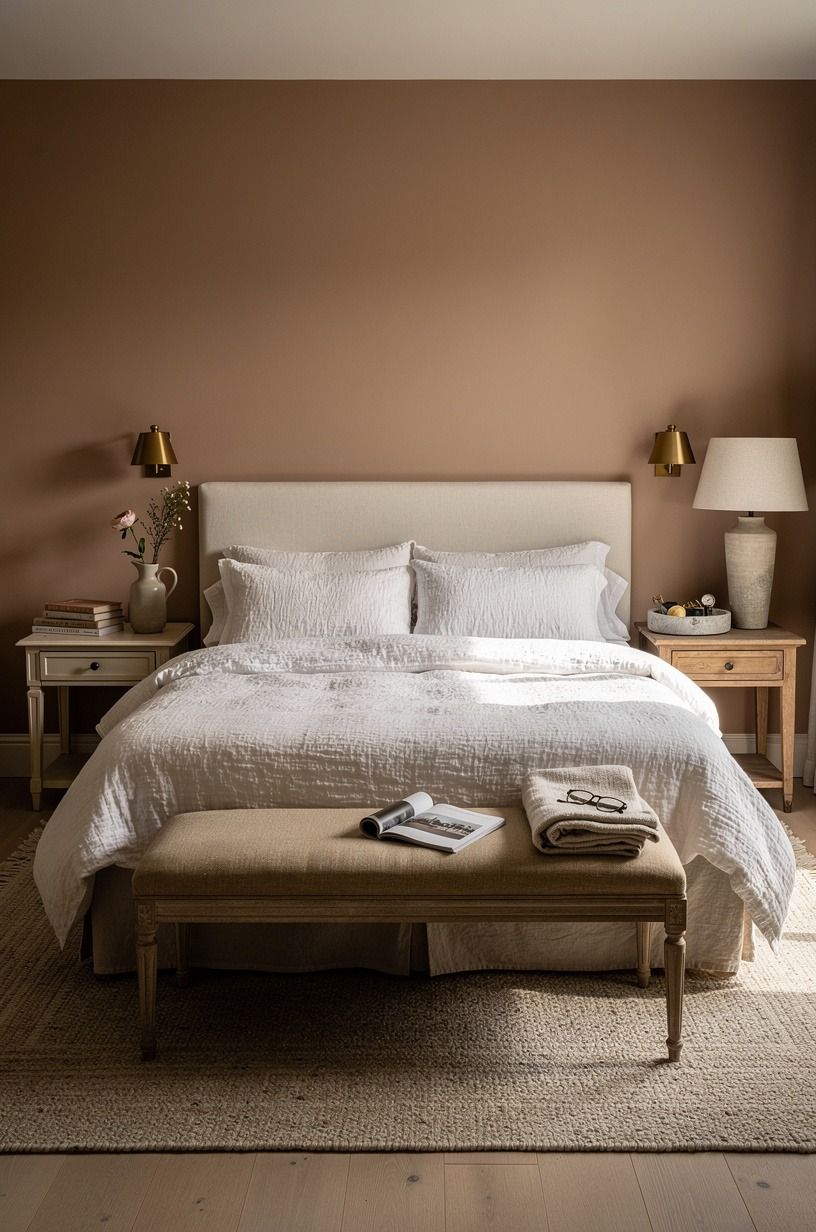
The problem wasn’t one terrible piece. It was the pileup of small wrong choices: gray walls, bright overhead lighting, thin bedding, and a bed frame that looked better online than it did beside my window.


I kept adding little objects, hoping the room would feel more finished. It didn’t.
Too much beige. Too many hard edges.
But the biggest issue was the way the bed felt at night. I wasn’t sleeping as comfortably as I wanted, and I noticed the room first through my body, not my eyes. I decided to treat the makeover as a comfort project with a design result, instead of buying pretty things and hoping they solved everything.
That shift helped immediately. If you’re drawn to the dreamy, lived-in look of Nancy Meyers interiors, I’d start with the part you touch for eight hours, not the part you photograph.
Here’s What It Looked Like Before
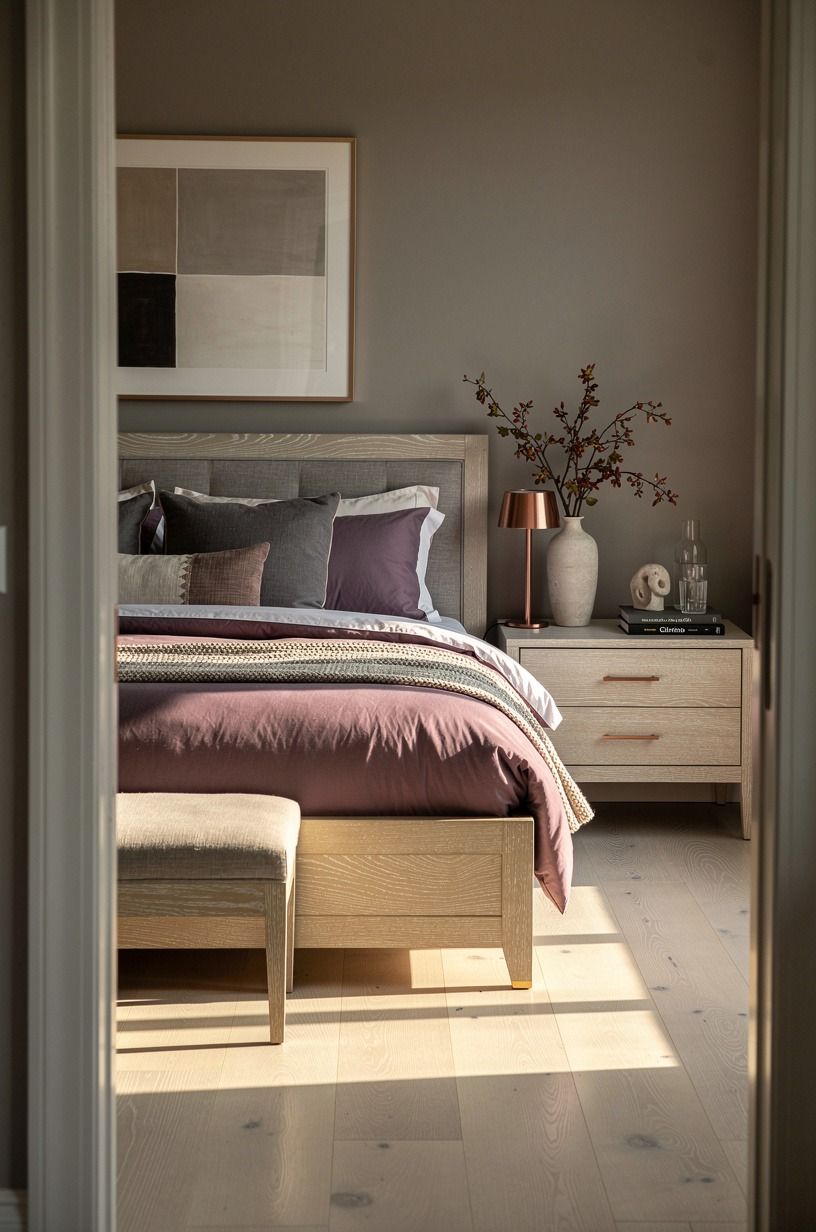
The before photo says most of it: a narrow bedroom, a low bed, bare-looking windows, and a cold ceiling fixture that flattened every color after sunset.
I left the furniture where it was for the first week and watched how I used the room. The bed was centered, but the rug stopped too far short.
The nightstand was several inches lower than the mattress. The curtains looked decorative instead of useful.
And I kept waking up at 3 a.m. feeling like the room had no softness left in it.
I measured the bed and learned that a queen takes up 60 by 80 inches, so every layer had to earn its space. I also checked the nightstand height, since the comfortable range is usually 24 to 28 inches, close to mattress height.
Small details. Big difference.
I Started With the Sleep Surface
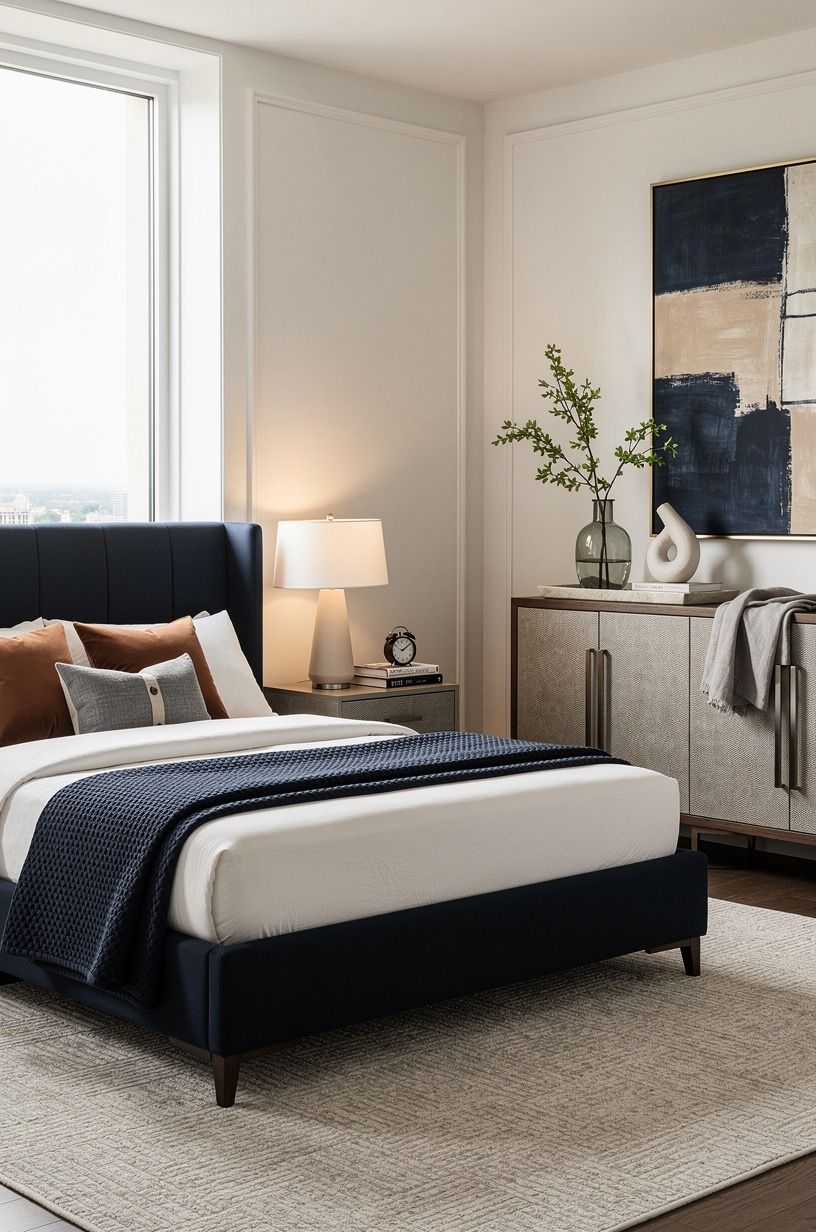
I chose Zenhaven as the foundation because I wanted a latex mattress with a more grounded feel, not a tall, marshmallow-soft bed that swallowed the room. I can only speak for my own sleep and comfort, but I noticed less tossing around during the first several nights.
That mattered more to me than having the most dramatic headboard. The room began to feel calmer because the bed felt supportive, and I stopped treating the bedding as a disguise for an uncomfortable mattress.
But I wasn’t sure I wanted to spend the largest part of my budget there. I went back and forth for days.
Paint would have been easier to justify, and a new lamp would have made a faster visual change. Still, I knew I’d regret decorating around the same old problem.
My advice is simple: if your bed is the reason you avoid the room, deal with that first. You can borrow a Nancy Meyers mood from this dreamy layered bedroom guide while deciding what deserves your money.
I Built the Bed in Quiet Layers
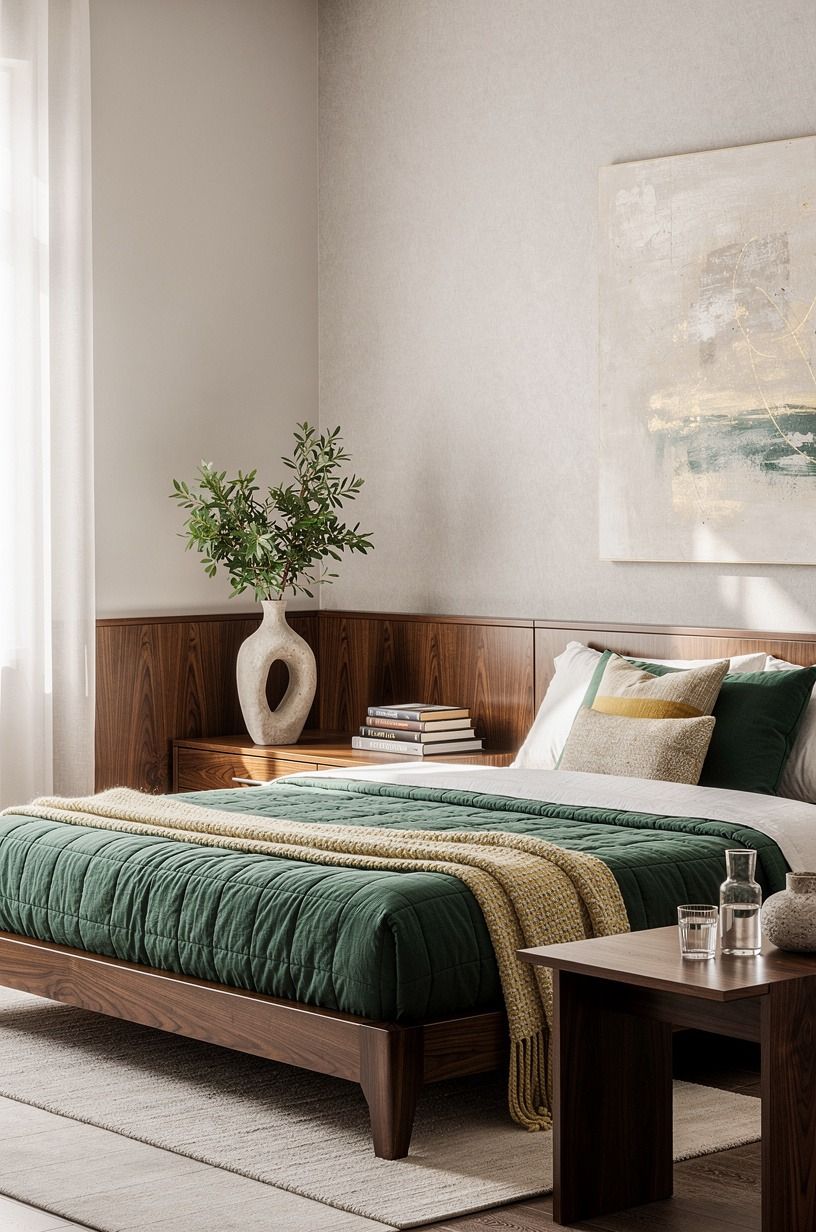
Once the mattress was settled, I added Organic Cotton Sheets because I wanted that slightly rumpled, breathable look instead of a stiff hotel finish. I tucked only the lower portion and left the top loose enough to look used.
The bed needed height, but not bulk. I chose one Organic Quilted Pillow for gentle texture and kept the rest of the pillows simple.
No matching pile. No decorative arrangement that had to be dismantled every night.
And I made myself stop before the bed looked too styled. That was harder than it sounds. I like a full bed, but too many layers made this small room feel crowded within minutes.
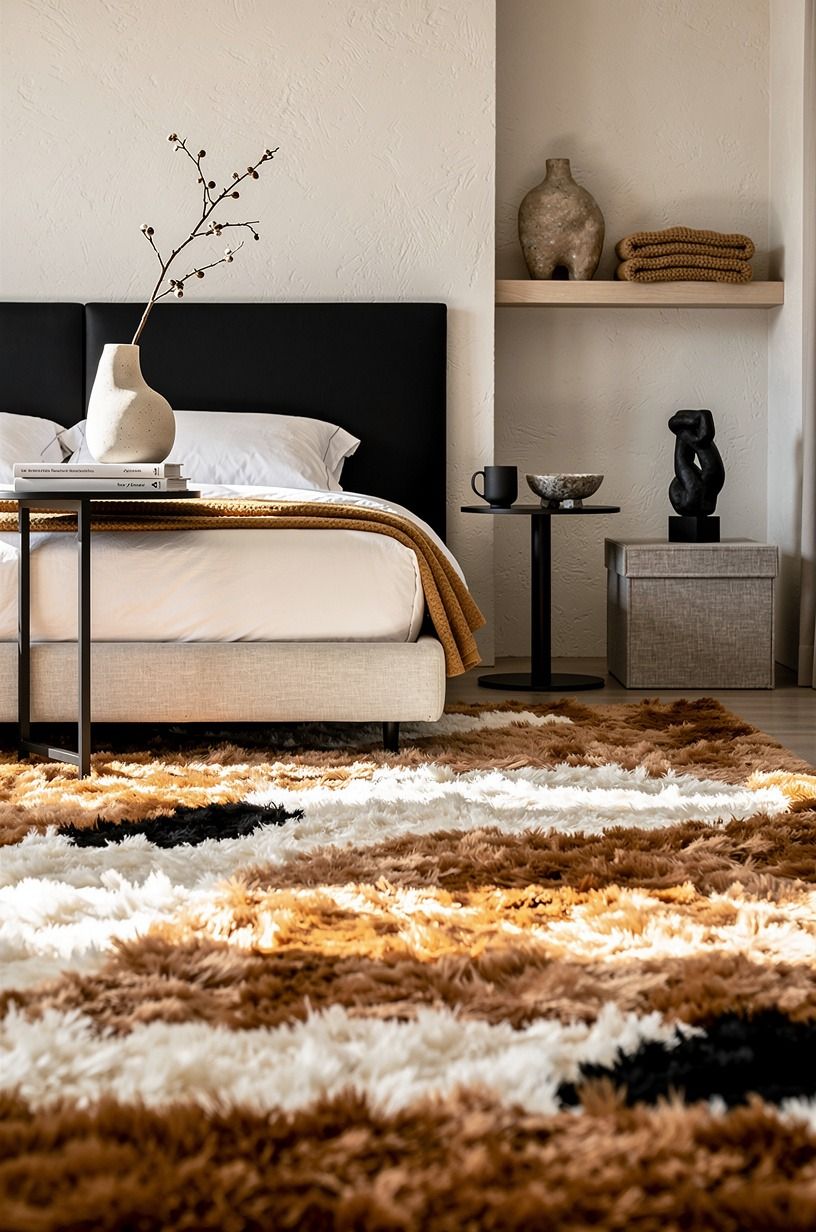
The rug was the next adjustment. I extended it roughly 18 to 24 inches past the bed, which gave my feet a warmer landing in the morning and made the furniture feel anchored. The fibers caught the low afternoon light in a way the old bare floor never did.
A little worn-in. Much better.


The Piece My Whole Bedroom Is Built Around
Natural materials, a 365-night home trial, free white glove delivery. Decide in your own room, not a showroom.
I Warmed the Walls and Changed the Light
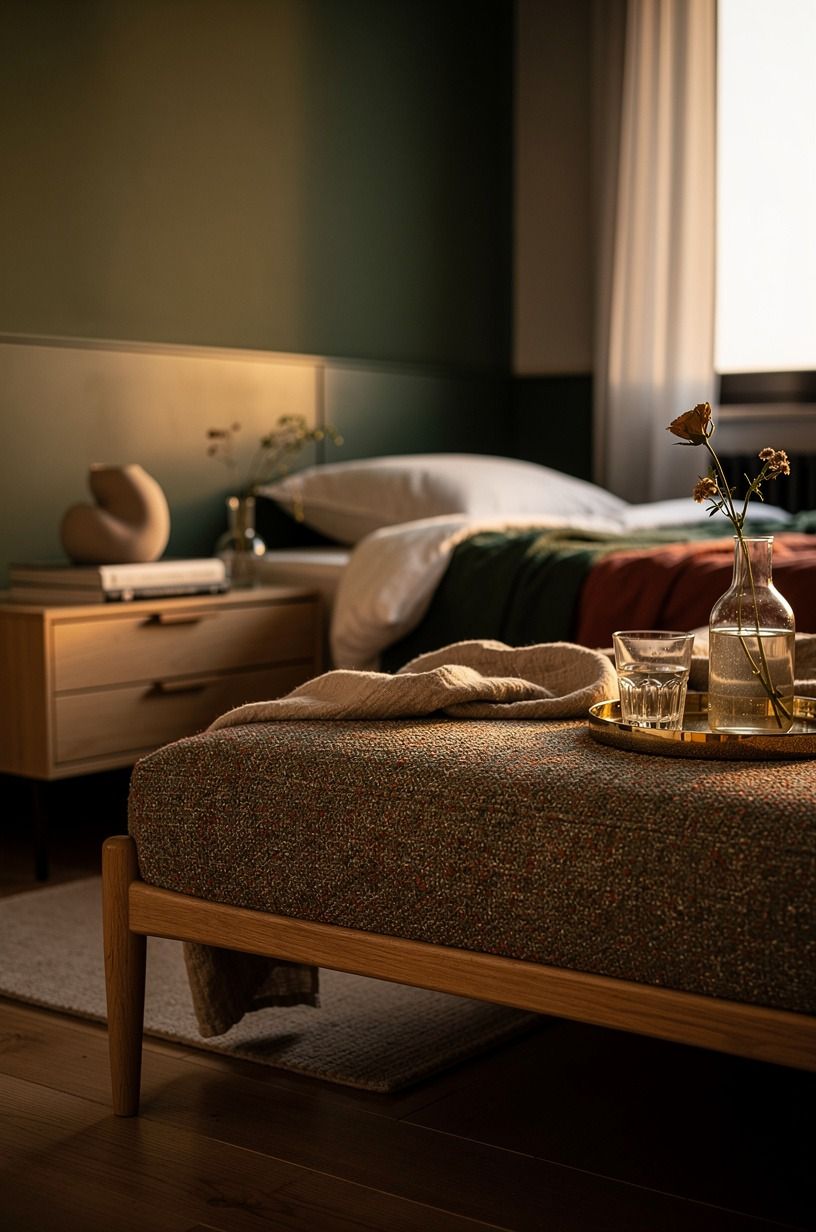
I tested Benjamin Moore Pale Oak on one wall before committing. It looked gentle in the morning, then slightly deeper after sunset, which was exactly what I needed. I considered Sherwin-Williams Accessible Beige too, but it read flatter in my room and made the gray furniture look more gray.
But I didn’t repaint every surface immediately. I did the wall behind the bed first, then lived with it through two different kinds of daylight. That pause saved me from rushing into a full-room decision.
The ceiling fixture had to go. I replaced the harsh bulb with a warmer lamp beside the bed and used a second low light near the dresser. The room stopped looking like a waiting area and started looking like somewhere I could read.
For the windows, I kept the treatment relaxed and pale. No heavy pattern. No shiny fabric.
The curtains soften the morning without making the room dark, and they echo the easy warmth I liked in these Nancy Meyers living room ideas.
I Added One More Layer, Then Stopped
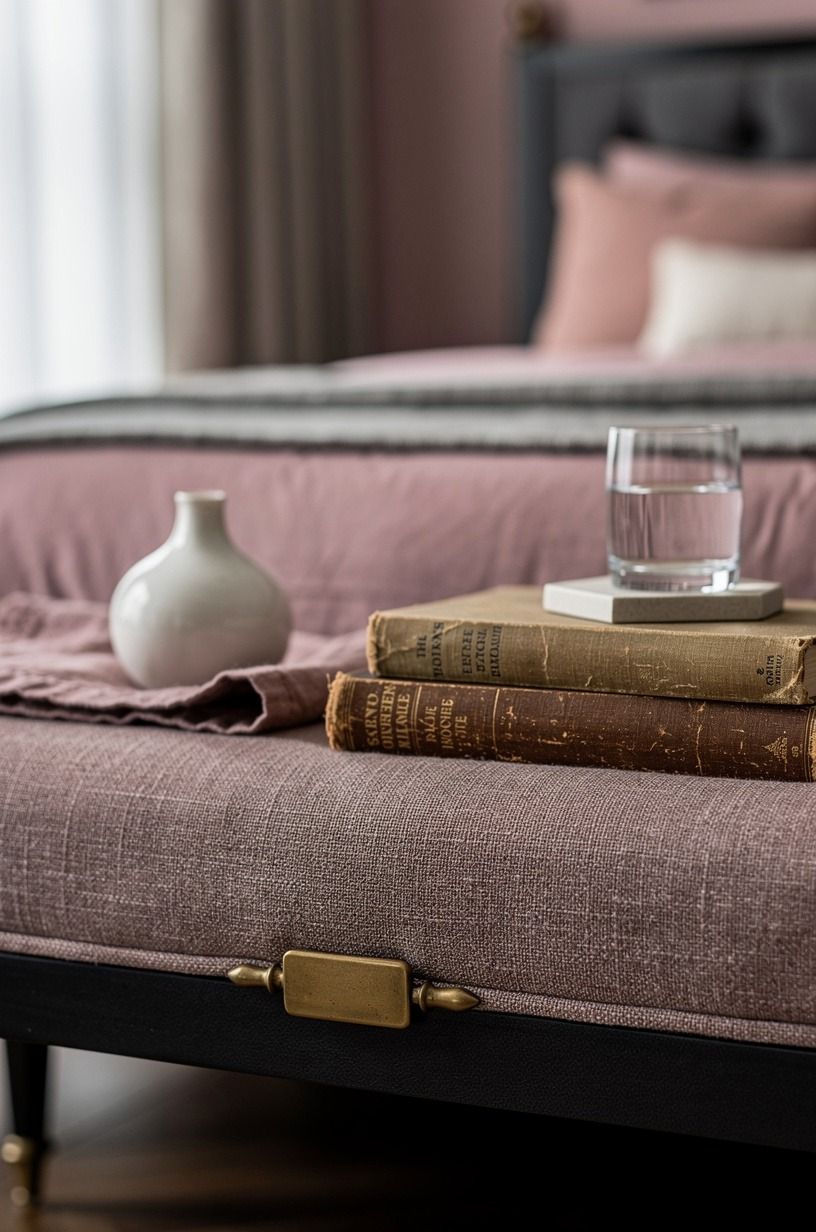
The final comfort change was the Organic Mattress Pad. I expected it to be a minor improvement, but it gave the bed a softer surface without making the whole thing feel unstable.
For two weeks, I wondered if I’d overdone it. The bed looked taller, and I didn’t love the first arrangement of the coverlet. I pulled everything off one Sunday morning and started again, leaving more of the sheets visible and folding the top layer lower.
That was the version that worked.
I added one old wooden stool, a small ceramic lamp, and a framed landscape I already owned. I didn’t buy matching art.
I didn’t fill the empty corner just because it was empty. The room needed breathing space more than another object.
And yes, I measured twice before hanging the frame. The first placement was too high, and I could see the mistake every time I walked past it.
The best part was the texture: washed cotton, soft quilted fabric, pale paint, and the faint grain of the stool. If you’re working with a smaller room, those quiet changes will do more than a dramatic statement piece.
What I’d Buy Differently
I’d spend less time searching for the ideal decorative headboard. I nearly bought one with a tall curved shape, but it would have blocked the window trim and made the ceiling feel lower.
I’d also choose the rug earlier. I waited until the end, then had to shift the bed twice to get the proportions right. That was annoying, and my back remembers it.
The makeover wasn’t flawless. The pale wall shows fingerprints near the nightstand, and the lighter bedding needs more frequent washing than my old dark set. I can live with both, but I wouldn’t pretend they’re effortless.
My regret is buying one small accent piece before I understood the room’s scale. It looked charming in the store and fussy beside the bed. I moved it to the hallway, where it finally made sense.
But the room feels more like mine now. The sleep changes are personal, not a promise for anyone else, and I’d still tell you to consider your own comfort needs before copying my choices. Design can support a room, but it can’t replace paying attention to how your body responds.
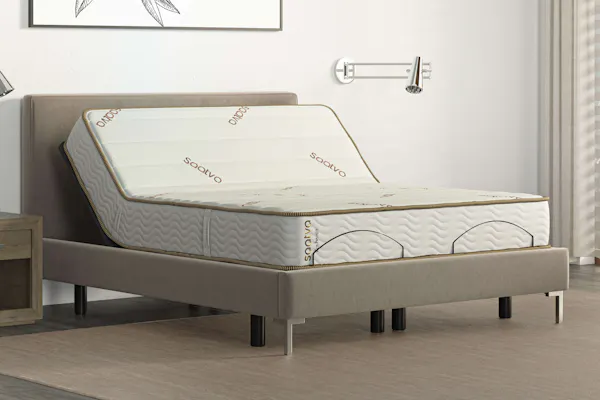 My pick for a healthier bedroomZenhavenTalalay latex, organic cotton, 365-night trial, lifetime warranty, free white glove delivery.See the Zenhaven
Build Your Own Healthier Bedroom
Sale pricing runs on orders over $1,000, and the 365-night trial gives you a full year of nights to be sure.
The Room Now
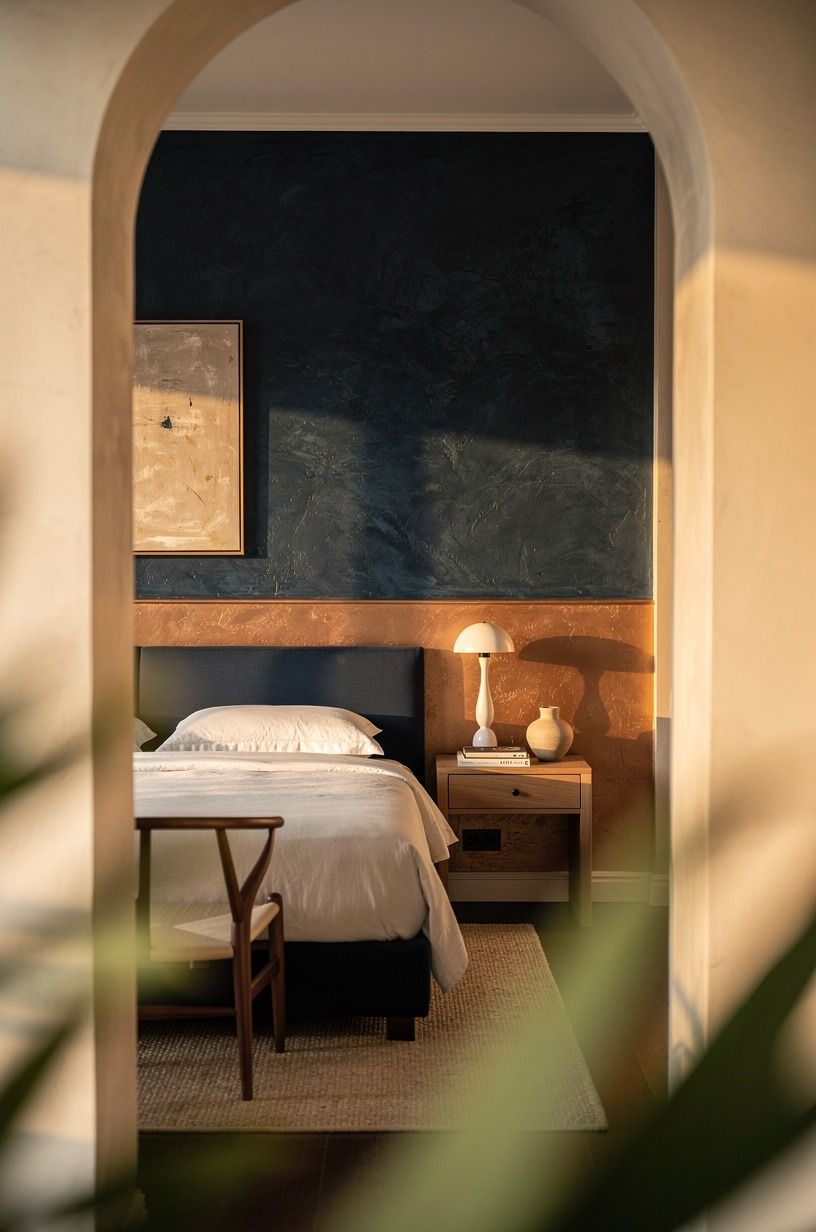
If I had to pick one starting point, I’d begin with the sleep surface. A soft Nancy Meyers bedroom depends on comfort underneath the pretty layers, and every lamp, curtain, and paint color feels better once the bed is right.
I kept the budget focused on the bed, textiles, paint, and lighting instead of spreading it across twelve small purchases. Now the room has warm walls, a low amber glow, and a folded coverlet waiting at the foot of the bed.
The wooden stool still sits beside the window, with my book resting on top.